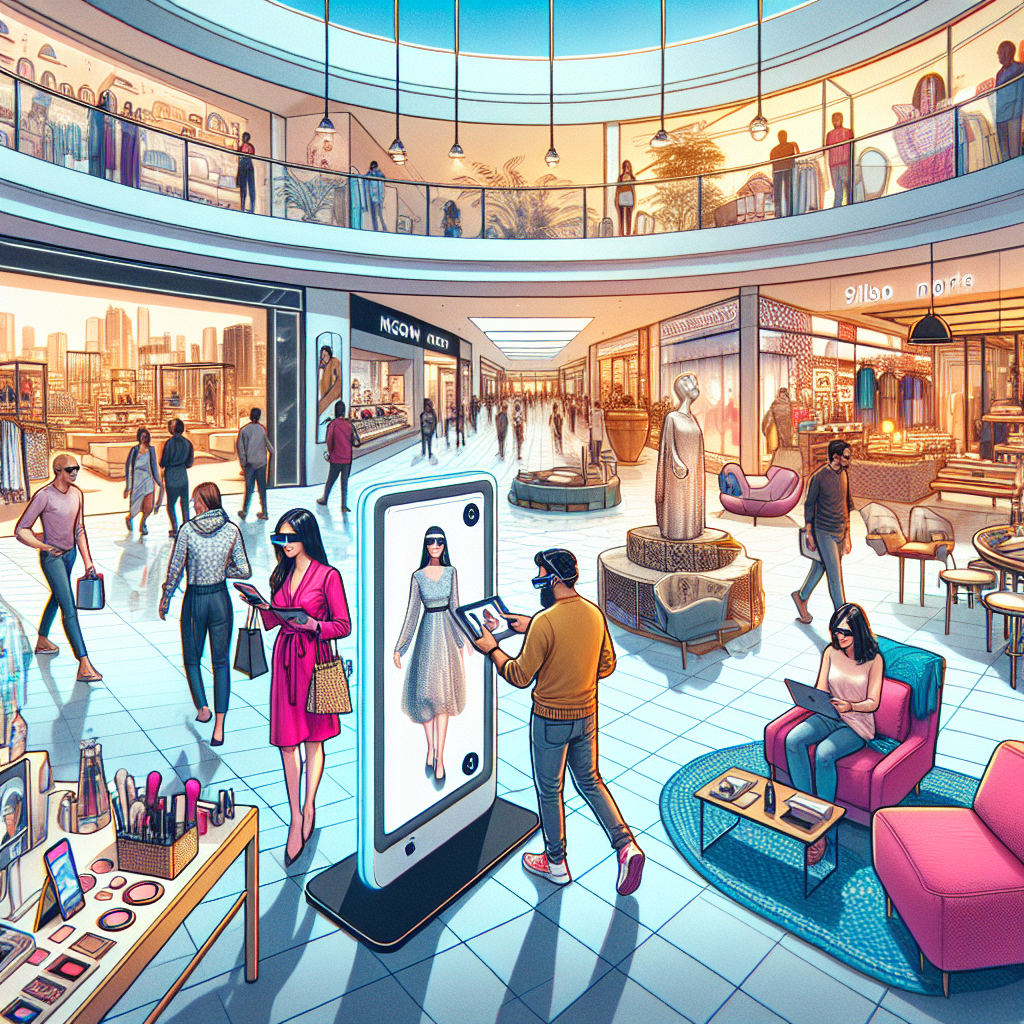
Silicon Valley has long been the nucleus of technological advancements, birthing countless innovations that seem to redefine our way of life with each passing year. Today, another groundbreaking technology is taking center stage, poised to transform the retail landscape – Augmented Reality (AR). This cutting-edge innovation blends the virtual world with our physical environment, offering an immersive experience that promises to revolutionize how we shop. From virtual try-ons to interactive product displays, AR in shopping is not just a tech novelty, but a visionary leap toward an engaging and personalized retail experience.
Introduction:
Remember the days when shopping consisted of aimlessly wandering through aisles, overwhelmed by choices and struggling to make decisions? Thankfully, those days are gradually becoming a relic of the past. Enter Augmented Reality (AR) – a game-changing phenomenon born from the heart of Silicon Valley’s innovative spirit. AR overlays digital information onto our real-world experience, creating an interactive blend of both realms. This technology, previously more synonymous with gaming and entertainment, is now making significant inroads into the retail sector.
Being the cornerstone of tech innovation, Silicon Valley continues to push boundaries, delivering an unparalleled shopping experience. From standalone boutiques to sprawling shopping malls, AR applications are bridging the gap between physical and online shopping. Retailers harnessing the power of AR are not just offering products; they are offering experiences. This shift is not merely an incremental upgrade but a fundamental transformation in how customers interact with products and brands.
The convenience of online shopping unites with the tangible benefits of in-store shopping through AR. Imagine virtually trying on clothes without the hassle of changing rooms or seeing how a piece of furniture fits in your living room without lifting a finger. With AR, these scenarios are not just imaginative musings; they are today’s reality. This article delves deeper into how AR is reshaping the retail landscape, enhancing customer engagement, and setting new standards for retail experiences across Silicon Valley and beyond.
The Rise of AR in Retail
AR has been on an upward trajectory over the last decade, seeing substantial investments from tech giants and startups alike. The integration of AR in shopping is a natural progression from simple infographic overlays to complex, interactive experiences, made possible by advancements in hardware and software technologies. As mobile devices become more powerful, AR applications have gained sophistication and usability, becoming more accessible to the average consumer.
Retailers are increasingly adopting AR to offer immersive experiences that captivate shoppers and foster deeper brand connections. For instance, IKEA’s AR app allows customers to visualize furniture in their own homes, while cosmetic brands like Sephora offer virtual try-on features for their products. These applications not only enhance the shopping experience but also empower consumers to make informed decisions, thereby reducing returns and increasing satisfaction.
The COVID-19 pandemic further accelerated the adoption of AR in retail. With physical stores shuttered and consumers confined to their homes, the demand for digital shopping solutions soared. AR provided a bridge between the physical and digital realms, enabling consumers to engage with products in a more substantial way than traditional e-commerce allowed. This unexpected catalyst has driven rapid innovation and adoption, making AR an integral part of the retail ecosystem.
Silicon Valley, with its rich technology ecosystem and innovative mindset, has been at the forefront of this transformation. Companies headquartered in the region are pioneering AR solutions that promise to redefine the retail experience. From startups to established firms, Silicon Valley’s tech community is leading the charge in developing and deploying AR technologies that enhance customer engagement and drive sales.
AR in Apparel and Fashion
Apparel and fashion are arguably the most impacted sectors by AR technology. The ability to try on clothes virtually addresses one of the biggest pain points of online shopping – the uncertainty of fit and style. Virtual fitting rooms use AR to superimpose clothing items over the user’s body, allowing them to see how the garments would look and fit in real-time. This level of interactivity and personalization is unprecedented and significantly enhances the online shopping experience.
Major fashion brands are investing heavily in AR to stay competitive. For instance, Nike’s AR-powered app allows users to measure their feet accurately and find the perfect shoe size, reducing the likelihood of returns due to incorrect sizing. Similarly, luxury brands like Gucci have incorporated AR into their apps, enabling customers to try on accessories like hats and glasses virtually, thereby offering a seamless shopping journey.
Beyond online shopping, physical stores are also utilizing AR to enhance the in-store experience. Smart mirrors equipped with AR technology allow customers to try on multiple outfits without physically changing clothes. These mirrors can display different colors and styles, offer personalized recommendations, and provide a 360-degree view of the outfit, making the shopping process more efficient and enjoyable.
Additionally, AR is fostering sustainability in the fashion industry. By enabling virtual try-ons, the need for physical samples and excessive product returns is reduced, minimizing waste and carbon footprint. As consumers become more environmentally conscious, AR offers a compelling solution to meet their demands for sustainable shopping options.
AR in Home Decor and Furniture
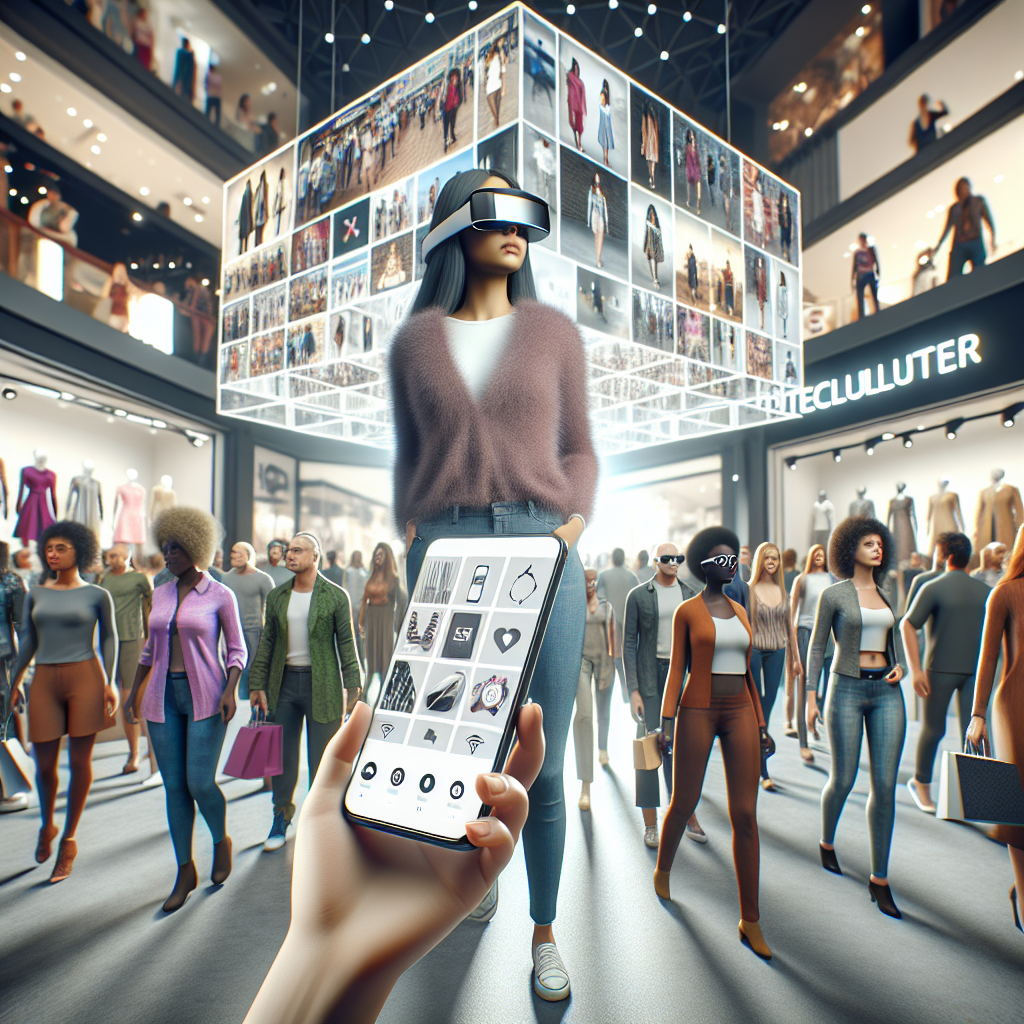
The home decor and furniture industry has also embraced AR with open arms. One of the significant challenges in this sector is visualizing how a piece of furniture or decor will fit and look in a specific space. AR addresses this challenge by allowing consumers to place virtual furniture in their homes via their smartphones or tablets, providing an accurate representation of how the items will integrate with their existing decor.
Companies like Wayfair and IKEA have developed AR apps that allow users to scan their rooms and place virtual furniture within the space. This not only helps in making more informed purchasing decisions but also enhances the overall shopping experience. Customers can experiment with different styles, colors, and arrangements before committing to a purchase, significantly reducing the likelihood of buyer’s remorse.
AR is also revolutionizing the in-store experience for home decor and furniture shopping. Showrooms equipped with AR technology can offer virtual walkthroughs, enabling customers to visualize various room setups and configurations. This interactive experience helps customers make better-informed decisions and adds a level of excitement and engagement to the shopping process.
Furthermore, AR’s potential in home decor extends beyond individual consumers. Interior designers and architects are leveraging AR to create interactive design presentations for their clients. By presenting their design concepts in AR, professionals can offer a more realistic and immersive experience, helping clients visualize the end result and make necessary adjustments in the planning phase.
AR in Beauty and Cosmetics
The beauty and cosmetics industry has seen a significant transformation with the integration of AR. Virtual try-on tools have become a staple for many cosmetic brands, allowing customers to apply makeup virtually and see how it looks in real-time. This technology not only enhances the online shopping experience but also addresses hygiene concerns associated with physical testers in stores.
Sephora, one of the leading beauty retailers, offers an AR-powered virtual artist feature in their app. Customers can try on different makeup products, including lipstick, eyeshadow, and foundation, by simply uploading a selfie or using their live camera. This interactive experience helps customers find the perfect shades and products, leading to more confident purchasing decisions.
Another notable AR application in beauty is skin analysis. AR-powered tools can analyze a customer’s skin condition and recommend suitable products based on their unique needs. This level of personalization is transforming how customers engage with beauty brands, offering a tailored experience that goes beyond the traditional one-size-fits-all approach.
In-store AR experiences are also enhancing the beauty shopping journey. Smart mirrors equipped with AR technology allow customers to try on makeup products without physically applying them. These mirrors can display different looks, provide product information, and offer personalized recommendations, creating a seamless and enjoyable shopping experience.
AR is not only enhancing customer engagement but also driving sales and brand loyalty. By offering a personalized and interactive shopping experience, beauty brands can build stronger connections with their customers and stand out in a competitive market. As the technology continues to evolve, we can expect even more innovative applications of AR in the beauty and cosmetics industry.
The Future of AR in Retail
As AR technology continues to evolve, its impact on the retail industry is expected to grow even further. The possibilities are vast, and we have only scratched the surface of what AR can achieve. From enhancing the customer experience to streamlining operations, AR is set to become an integral part of the retail landscape.
One of the most exciting prospects is the integration of AR with other emerging technologies, such as artificial intelligence (AI) and machine learning. By combining AR with AI, retailers can create more personalized and intelligent shopping experiences. For instance, AI-powered AR applications can analyze customer preferences and behavior to offer tailored recommendations and promotions, enhancing customer satisfaction and driving sales.
The rise of 5G technology will also play a crucial role in the future of AR in retail. With faster and more reliable internet connectivity, AR applications can deliver more seamless and immersive experiences. This will enable retailers to offer real-time interactions and provide customers with instant access to product information and support.
Furthermore, the convergence of AR and e-commerce is expected to create new business models and revenue streams. For example, virtual stores and showrooms can offer a unique shopping experience that blends the convenience of online shopping with the engagement of physical stores. These virtual spaces can showcase products in interactive and visually appealing ways, attracting and retaining customers in a highly competitive market.
However, the widespread adoption of AR in retail also presents challenges that need to be addressed. Privacy and data security concerns are paramount, as AR applications collect and process vast amounts of personal information. Retailers must ensure that they have robust security measures in place to protect customer data and comply with relevant regulations.
Overall, the future of AR in retail looks promising, with endless possibilities for innovation and growth. As technology continues to advance, we can expect even more exciting and transformative applications of AR in the retail industry. Retailers that embrace this technology and stay ahead of the curve will be well-positioned to thrive in the ever-evolving retail landscape.
Conclusion
Silicon Valley has always been a hotbed of innovation, and the adoption of AR in retail is a testament to its pioneering spirit. Augmented Reality is revolutionizing the shopping experience, offering customers a new level of interactivity, personalization, and engagement. From apparel and fashion to home decor and beauty, AR is making waves across various sectors, enhancing the way we shop and interact with brands.
As we’ve explored, AR in retail is not just a fleeting trend but a significant shift that is reshaping the industry. The ability to try on clothes virtually, visualize furniture in a specific space, and apply makeup in real-time are just a few examples of how AR is transforming the shopping experience. This technology not only addresses common pain points but also offers a more enjoyable and efficient shopping journey for customers.
Moreover, AR’s potential extends beyond individual consumers to benefit retailers as well. By leveraging AR, retailers can reduce returns, increase customer satisfaction, and drive sales. The integration of AR with other emerging technologies, such as AI and 5G, will further enhance its capabilities and create new opportunities for innovation.
However, the widespread adoption of AR in retail also comes with challenges, including privacy and data security concerns. Retailers must prioritize the protection of customer data and ensure compliance with relevant regulations to build trust and maintain customer loyalty.
In conclusion, AR in shopping is a game-changer that is here to stay. Silicon Valley’s tech community is leading the charge in developing and deploying AR solutions that enhance the retail experience. As the technology continues to evolve, we can expect even more exciting and transformative applications of AR in the retail industry. Retailers that embrace this technology and adapt to the changing landscape will be well-positioned to thrive in the future of retail.