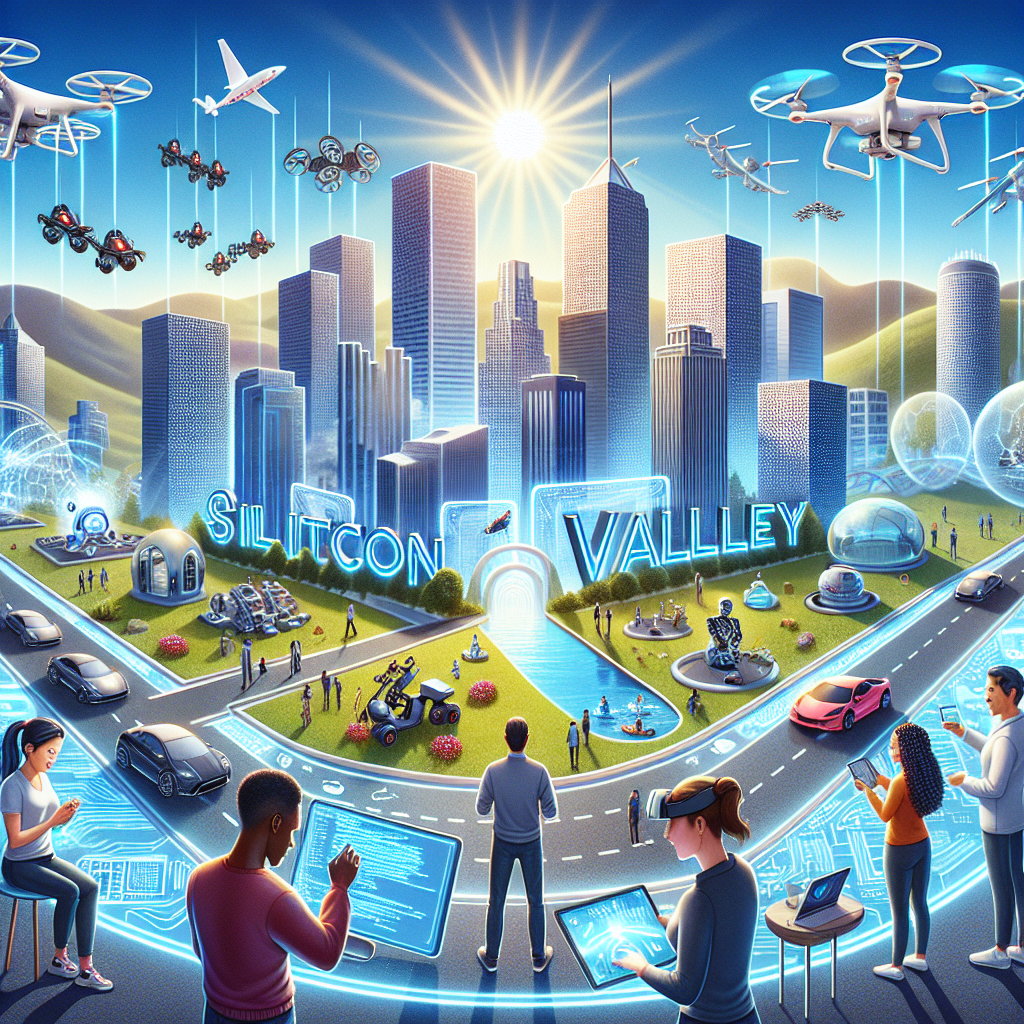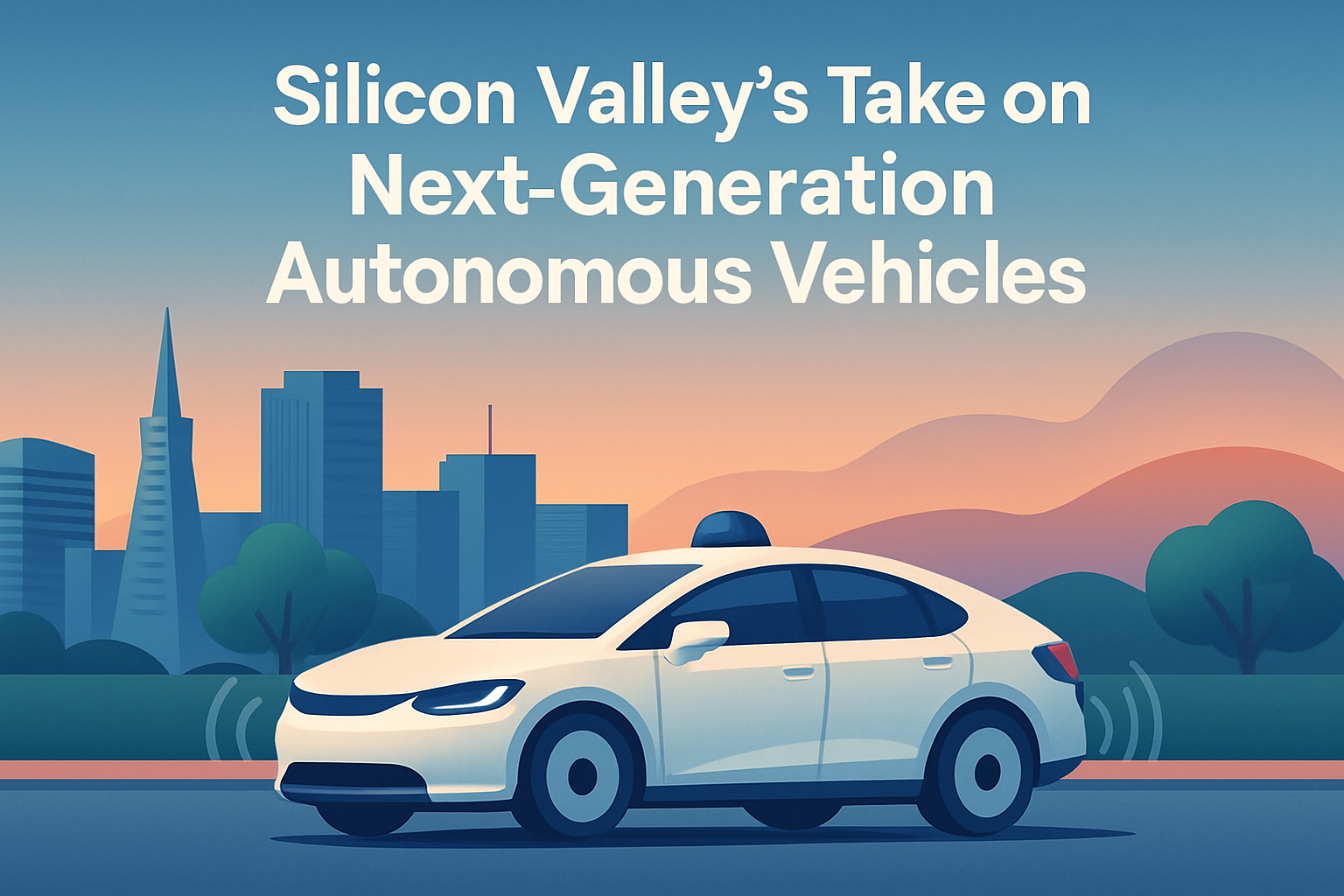
The concept of autonomous vehicles has been a hotbed of innovation and creativity within the technology sector, particularly in Silicon Valley. Known for its ingenuity and disruptive capabilities, Silicon Valley companies are at the forefront of designing and implementing next-generation autonomous vehicles. These vehicles are cars, trucks, or other modes of transport that use technological innovations to navigate and control themselves without human intervention. This revolution in transport is not just a technological marvel; it’s a transformative force that affects how we live, work, and interact with our environments.
Autonomous vehicles come to prominence due to their potential benefits, including reduced traffic accidents, increased mobility for non-drivers, and efficiency improvements in logistics and supply chains. In addition to these advantages, autonomous vehicles can significantly reduce the carbon footprint, potentially transforming environmental impacts. This emerging technology matters greatly as it paves the way for smarter cities and a sustainable future, tackling both climate change and urbanization.
Technological Infrastructure of Autonomous Vehicles
Silicon Valley companies like Tesla, Google (through its subsidiary Waymo), and Apple are investing billions of dollars into developing robust technological infrastructures for autonomous vehicles. These vehicles rely on a combination of sensors, cameras, radar, and lidar to gather data from their environment, enabling them to navigate and drive safely. This suite of technologies allows the vehicle to detect objects, read traffic signals, and identify pedestrians.
A real-world example is Waymo’s fleet of autonomous taxis operating in Phoenix, Arizona. Waymo vehicles use lidar technology which works by emitting light pulses to measure variable distances, creating detailed 3D maps of the environment. This level of detail allows for high precision in navigation. By pioneering this technology, Waymo is setting a standard in the industry for safety and reliability.
Software Innovations Driving Automation
The success of autonomous vehicles rests significantly on the software that processes data collected by the sensors. Machine learning and artificial intelligence (AI) are at the core of these software systems, enabling vehicles to interpret real-world data and make complex decisions akin to human drivers. Silicon Valley plays a crucial role in advancing these technologies by harnessing the power of big data and computational analytics to refine vehicle decision-making accuracy.
Tesla’s Autopilot system is an example of sophisticated AI-driven software managing semi-autonomous features. With over-the-air updates, Tesla continuously enhances its vehicles’ capabilities, such as traffic-aware cruise control and automated lane-keeping. This dynamic software ecosystem enhances Tesla’s competitiveness in the market and underscores the importance of software in the evolution of autonomous vehicles.
Regulatory and Safety Challenges
While the technological advancements are impressive, autonomous vehicles face substantial regulatory and safety challenges. Regulatory bodies are striving to create frameworks that ensure these vehicles are safe for public roads. Silicon Valley is actively engaging with policymakers to balance innovation with public safety, often encountering challenges in ensuring compliance across different jurisdictions.
A significant milestone was achieved when the California Department of Motor Vehicles permitted certain companies to test fully driverless vehicles on public roads. This regulatory approval represents a critical step in integrating autonomous vehicles into everyday life; however, questions about liability, ethics, and public trust remain to be addressed.
Economic Impacts of Autonomous Vehicles
Autonomous vehicles promise transformative economic impacts by creating new industries and jobs. The development and deployment of these vehicles require skilled labor in software engineering, data analysis, and automotive technology. With Silicon Valley at the epicenter, the demand for these skills is bolstering the economy, not just locally but on a global scale.
A compelling illustration of this economic impact is Uber and Lyft’s investment in autonomous vehicles intending to reduce operational costs by eliminating the need for drivers. This shift is expected to catalyze job creation in vehicle maintenance, technology support, and infrastructure development. As a result, economies are adjusting to accommodate these changes, forecasting increased productivity and competitiveness.
| Aspect | Impact |
|---|---|
| Safety | Reduction in human error-related accidents |
| Environment | Decrease in carbon emissions |
| Economy | Creation of new jobs and industries |
| Mobility | Increased accessibility for non-drivers |
Public Perception and Adoption
Public perception is a critical factor influencing the adoption of autonomous vehicles. Although early adopters in regions such as Silicon Valley are enthusiastic, broader acceptance is crucial for these vehicles’ widespread implementation. Building public trust involves addressing safety concerns, demonstrating reliability, and showcasing tangible benefits.
An intriguing case is Tesla’s outreach in demonstrating Autopilot’s safety features, often inviting media and influencers to test drive vehicles. By doing so, Tesla aims to build a narrative of reliability and innovation, gradually shifting public skepticism to acceptance.
Integration with Other Technologies
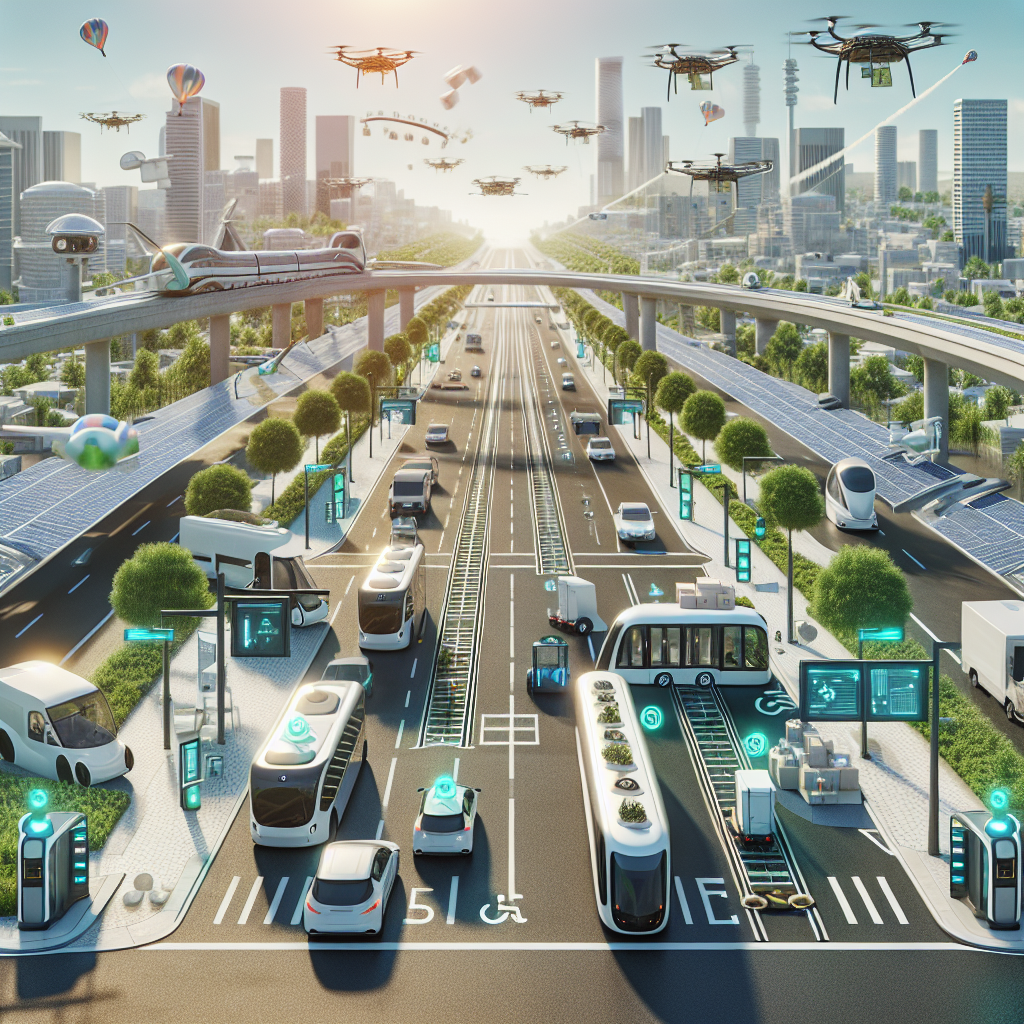
As vehicles become increasingly automated, integration with other smart technologies becomes essential. From smart traffic lights to connected infrastructure, autonomous vehicles are part of a broader push towards intelligent transportation systems. Silicon Valley companies are pioneering projects that envision a network of connected vehicles seamlessly interacting with their environment.
An example is the partnership between automakers and telecommunications companies to develop vehicle-to-everything (V2X) communication systems. These systems are designed to communicate with infrastructure and other vehicles to optimize traffic flow, reduce congestion, and enhance safety.
Future Prospects and Innovations
The future of autonomous vehicles is promising, with rapid innovations on the horizon. Silicon Valley remains a thriving hub for research and development, pushing the boundaries of what autonomous technology can achieve. Innovations such as quantum computing, enhanced by AI, are expected to provide unprecedented capabilities in autonomous vehicle navigation and decision-making.
Startups like Nuro are also contributing to the future landscape with their focus on driverless delivery vehicles, which are smaller and specifically designed for shorter routes in urban settings. These innovations could potentially redefine last-mile deliveries, bringing convenience and efficiency to everyday consumables.
Conclusion
In summary, Silicon Valley’s ventures into next-generation autonomous vehicles represent a monumental shift in transportation and technology. Through the convergence of cutting-edge infrastructure, advanced software, and strategic industry partnerships, these vehicles are rapidly evolving to meet the demands of modern society. They carry the promise of enhanced safety, significant economic opportunities, and a profoundly reduced environmental impact. The real-world examples of Waymo, Tesla, and Nuro offer concrete insights into the ongoing developments and their potential impact.
As consumers and policymakers, understanding these technological advancements and engaging with them thoughtfully is crucial. The potential for autonomous vehicles to revolutionize our cities and foster sustainable development is vast and deserving of attention. Embracing this change requires adaptation, acceptance, and active participation from all stakeholders. So, take a moment to explore the autonomous vehicle technologies already in our midst, and consider how you can be part of this transformative journey.
By staying informed and open to innovation, we position ourselves to make the most of the advancements shaping the future of transportation. Join the conversation and explore the limitless possibilities of autonomous vehicles.
Frequently Asked Questions
1. What makes Silicon Valley the hub for next-generation autonomous vehicle development?
Silicon Valley’s reputation as a technological powerhouse isn’t just a fluke; it’s a product of decades of innovation and a unique blend of talent, resources, and a culture of disruption. With tech giants and startups alike converging in this region, it acts as a melting pot for groundbreaking ideas, especially in the realm of autonomous vehicles. The presence of world-class engineers, the backing of venture capitalists ready to fund unconventional projects, and an environment that encourages risk-taking all contribute to why Silicon Valley leads in developing next-generation autonomous vehicles.
Moreover, Silicon Valley’s ecosystem is designed to foster rapid prototyping and iteration. Proximity to hardware manufacturers, software developers, and a myriad of tech services creates an unparalleled support system. The collaboration and competition are intense, yet it’s this very dynamic that pushes boundaries, propelling advancements in autonomous vehicle technology faster than perhaps anywhere else on the planet.
2. How do autonomous vehicles operate without human intervention?
Autonomous vehicles leverage a combination of technologies to navigate and perform driving tasks without human input. Central to this operation is the integration of sensors, cameras, radar, and LIDAR, which collectively build a comprehensive 360-degree view of the vehicle’s surroundings. These sensors detect objects, other vehicles, pedestrians, and obstacles, providing crucial data that ensures safe navigation.
The collected data is then processed by sophisticated algorithms powered by Artificial Intelligence (AI) and Machine Learning (ML). These algorithms interpret the environment, predict potential obstacles or hazards, and make real-time decisions on the vehicle’s speed, direction, and response to unforeseen situations. The coalescence of data analytics, sensor fusion, and continuous AI learning enables these vehicles to not only mimic human driving but potentially surpass it in terms of precision and safety.
3. What are the key challenges in the development and deployment of autonomous vehicles?
While the promise of autonomous vehicles is vast, realizing it fully comes with a host of challenges. Technically, ensuring that these vehicles can operate safely under all possible conditions—weather, road types, and traffic scenarios—requires monumental effort in data collection and analysis. The quest for reliability must cover millions of potential scenarios, far beyond what traditional vehicle safety tests encompass.
Another significant challenge is the regulatory landscape. Government policies and regulations lag behind rapid technological advancement, creating uncertainty for manufacturers and wary consumers. There’s an ongoing debate about liability in case of accidents, data privacy concerns due to extensive telemetry collection, and ethical considerations in decision-making algorithms.
Furthermore, transitioning societal trust from traditional driving to autonomous vehicles is daunting. Psychological barriers exist, as many people are hesitant to relinquish control to a machine, especially in life-and-death situations. Education, transparency, and demonstrable safety improvements are needed to elevate public confidence and drive adoption.
4. How are autonomous vehicles expected to impact daily life and the economy?
The ripple effects of widespread autonomous vehicle adoption are anticipated to be transformative for daily life and the economy. For individuals, these vehicles promise unparalleled convenience and accessibility, potentially reducing commute stress and allowing for more productive use of travel time. They also hold the potential to provide mobility solutions for those unable to drive, such as the elderly or disabled, enhancing their quality of life and independence.
Economically, autonomous vehicles are set to disrupt numerous industries. Transportation and logistics will witness a paradigm shift, with driverless trucks and delivery systems reducing freight costs and increasing efficiency. Urban planning could evolve with the reduced need for parking spaces and the possibility of redesigning roadways and city layouts to optimize for automation.
The automotive sector itself could face seismic changes, with manufacturers needing to adapt to new design paradigms and business models. Entirely new sectors may emerge, focusing on vehicle software, cybersecurity, and fleet management services. In sum, the impact of autonomous vehicles could be as revolutionary as the industrial revolution, fundamentally altering how we live and work.
5. What role does AI play in the advancement of autonomous vehicles, and what does the future hold?
AI is indisputably the linchpin in the advancement of autonomous vehicles. AI systems drive the decision-making processes of these vehicles, interpreting data from sensors to react to dynamic environments accurately. Machine learning is pivotal as it enables vehicles to “learn” from data streams, improving performance over time by understanding and predicting a vast array of driving scenarios.
In the future, AI in autonomous vehicles is expected to refine its capabilities even further. With the growth of deep learning, these vehicles could not only react but anticipate actions of other vehicles and pedestrians with almost human-like intuition. The interplay between AI and edge computing could result in real-time processing of data on the vehicle, reducing latency and enhancing response times.
The horizon for AI in autonomous vehicles extends to self-optimizing systems, where maintenance becomes predictive rather than reactive. As AI ethics evolve, so will its incorporation into decision trees of autonomous vehicles, balancing safety, efficiency, and ethical considerations in split-seconds. The future promises not just autonomous vehicles but fully intelligent ones capable of continual adaptation and, perhaps most intriguingly, collaboration with each other to create a seamless and efficient transport ecosystem.