Silicon Valley is synonymous with technological advancements, disruptive innovations, and entrepreneurial spirit. While most people associate it with tech giants like Google, Apple, and Facebook, there’s another realm within these digital corridors that’s equally fascinating: food technology. Food tech involves the application of technology in the agricultural and food production sectors, focusing on enhancing efficiency, sustainability, and health benefits. As our global population grows and demands for sustainable food production methods increase, Silicon Valley is at the forefront, leading revolutionary changes in this crucial industry.
In this article, we’ll delve into how Silicon Valley is transforming the future of food tech. We’ll explore various groundbreaking startups, innovative solutions, and the potential impacts these advancements can have on global food systems. From lab-grown meats to AI-driven farming, Silicon Valley’s contributions to the food tech sector are both exciting and promising for the future.
Plant-Based Proteins
One of the most noteworthy contributions of Silicon Valley to the food tech sector is the development of plant-based proteins. Companies like Impossible Foods and Beyond Meat have revolutionized the way we perceive plant-based diets. By using cutting-edge technology, they’ve created plant-based burgers and other products that closely mimic the taste and texture of meat. This innovation addresses several critical issues, such as reducing our reliance on livestock farming, minimizing environmental impact, and offering healthier dietary options.
Impossible Foods, founded by Stanford biochemistry professor Patrick O. Brown, utilizes a unique ingredient called heme, which gives their products a distinct meaty flavor. Beyond Meat, on the other hand, employs peas, mung beans, and other plant proteins to replicate the experience of eating meat. These startups have gained substantial attention and investment from both the public and private sectors, reflecting a growing consumer demand for sustainable and ethical food choices.
Lab-Grown Meats
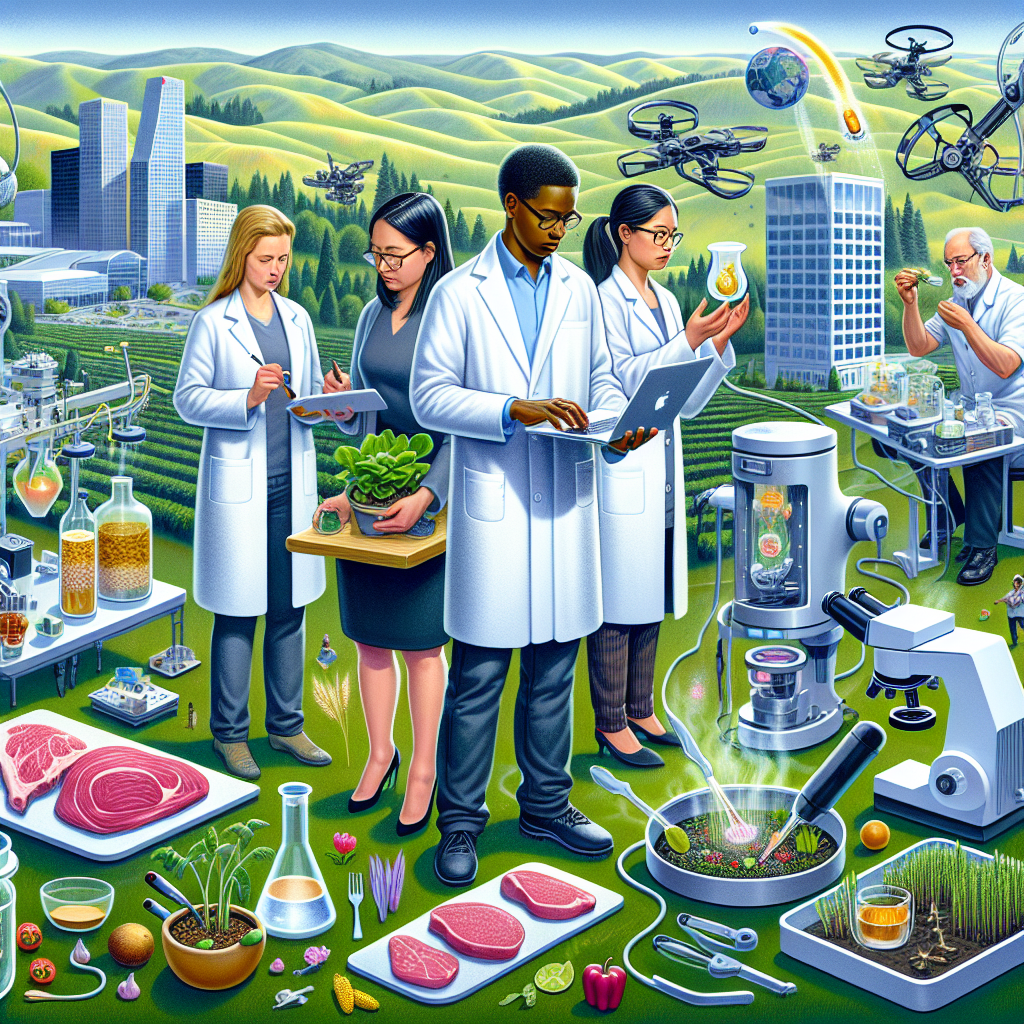
Lab-grown, or cultured meats, are another frontier where Silicon Valley is making significant strides. Companies like Memphis Meats, Mosa Meat, and Eat Just are pioneering the production of meat grown directly from animal cells, bypassing the need for traditional livestock farming. This method promises to address some of the most pressing issues facing the agriculture industry, including animal welfare, greenhouse gas emissions, and resource efficiency.
Memphis Meats, for example, has successfully produced lab-grown chicken and beef, emphasizing sustainability and animal welfare. Eat Just, formerly known as Hampton Creek, has also ventured into this space with its cultured chicken product. The potential of lab-grown meats is immense, as it offers a scalable solution to meet the protein demands of a growing global population while significantly reducing the carbon footprint associated with conventional meat production.
Vertical Farming
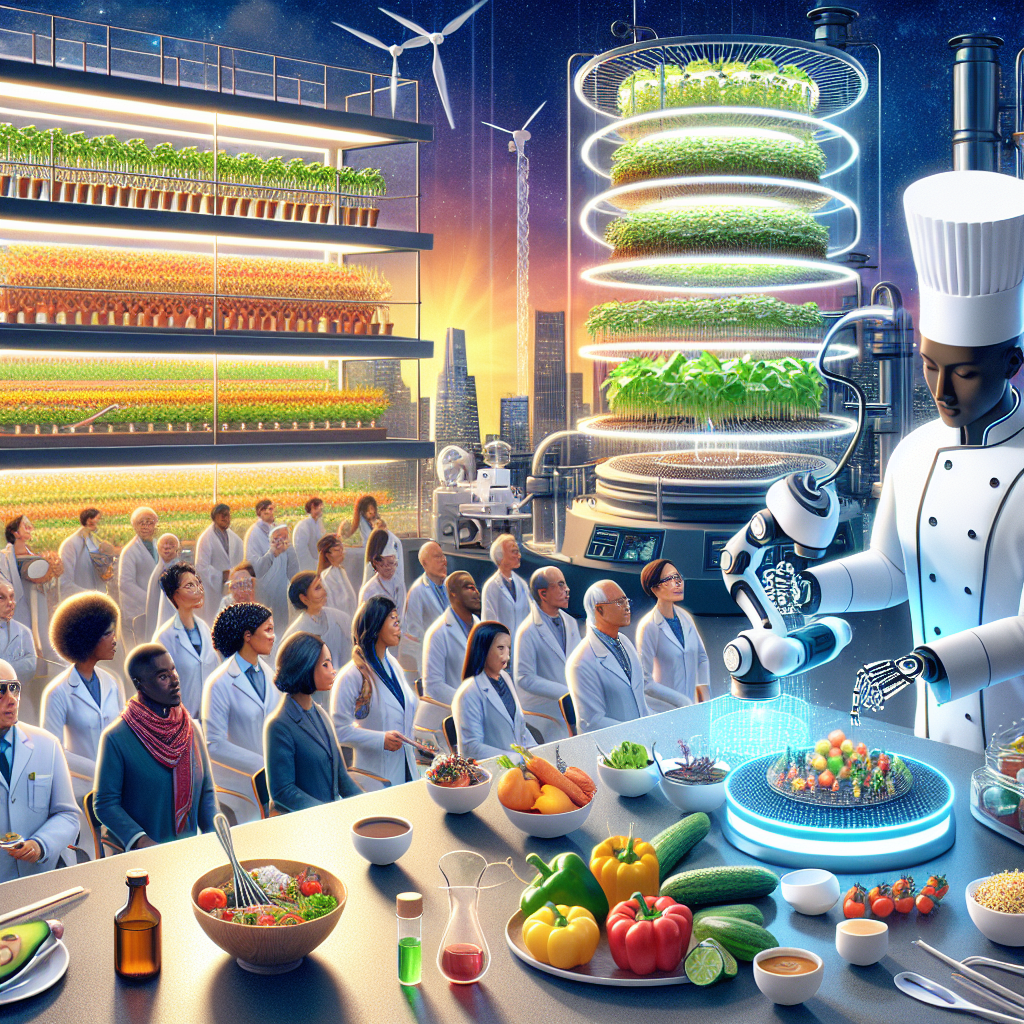
Vertical farming, or the practice of growing crops in vertically stacked layers, is another area where Silicon Valley is making notable contributions. This innovative approach to agriculture maximizes space efficiency and can be implemented in urban environments, reducing the distance food needs to travel from farm to table. Companies like Plenty, Bowery Farming, and AeroFarms are leading the charge in this exciting field.
Plenty, a Silicon Valley-based vertical farming company, uses advanced hydroponic and aeroponic techniques to grow fresh produce in controlled indoor environments. Their mission is to provide local communities with access to high-quality, sustainably grown food. Bowery Farming and AeroFarms follow a similar approach, leveraging technology to optimize growing conditions and increase yields while minimizing resource use.
AI and Machine Learning in Agriculture
Artificial intelligence (AI) and machine learning are transforming agriculture, revolutionizing everything from crop management to supply chain logistics. Silicon Valley startups like FarmWise, Blue River Technology, and Nuro are at the forefront of integrating these advanced technologies to enhance food production and distribution.
FarmWise, for instance, has developed an autonomous weeding robot that uses AI to identify and remove weeds with precision, reducing the need for herbicides. Blue River Technology, now a part of John Deere, employs machine learning algorithms to improve weed control and crop management. Nuro, though primarily focused on autonomous delivery, has the potential to revolutionize how food is distributed, ensuring fresher and more efficient delivery of agricultural products.
Food Waste Solutions
Food waste is a significant global issue, with an estimated one-third of all food produced going to waste. Silicon Valley entrepreneurs are tackling this problem head-on with innovative solutions designed to reduce waste and improve food distribution. Startups like Imperfect Foods, Afresh, and Apeel Sciences are making substantial impacts in this arena.
Imperfect Foods focuses on reducing food waste by selling “imperfect” or surplus produce and groceries that are still perfectly edible. Afresh leverages AI to optimize inventory management for grocery stores, reducing waste and ensuring fresh products. Apeel Sciences has developed a plant-based coating that extends the shelf life of fresh produce, helping to reduce spoilage and waste throughout the supply chain.
Alternative Agricultural Practices
In addition to the technological advancements in food tech, Silicon Valley is also home to startups exploring alternative agricultural practices. Companies like Indigo Agriculture, BrightFarms, and Bowery Farming are emphasizing the importance of soil health, sustainable growing practices, and local food production.
Indigo Agriculture works with farmers to improve soil health and increase crop resilience through microbial inoculants, which promote plant growth and reduce the need for chemical inputs. BrightFarms focuses on local, hydroponic farming, producing fresh, nutrient-rich produce with less water and land use. Bowery Farming, as mentioned earlier, combines vertical farming with sustainable practices to provide fresh, locally grown produce year-round.
Conclusion
Silicon Valley’s contributions to the future of food tech are undeniably transformative. Through innovations in plant-based proteins, lab-grown meats, vertical farming, and AI-driven agriculture, the region is revolutionizing how we produce and consume food. Additionally, efforts to reduce food waste and promote sustainable agricultural practices are setting new standards for the global food industry.
As these technologies continue to develop and gain widespread adoption, they hold the potential to address some of the most critical challenges facing our global food systems. From ensuring food security for a growing population to minimizing environmental impacts and improving overall health, Silicon Valley’s food tech sector is paving the way for a more sustainable and nutritious future.