Silicon Valley, where innovation is not just a buzzword but a way of life, has long been a hub for tech startups, tech giants, and brilliant minds. From Steve Jobs to Elon Musk, it has been home to numerous groundbreaking inventions and revolutionary ideas. However, beyond the boardrooms and the coding sanctuaries, there’s a dynamic cultural landscape that shapes the day-to-day lives of the people who work in tech.
One of the most fascinating aspects of Silicon Valley’s lifestyle is the emphasis on community spaces. From coworking spaces designed to foster collaboration, to niche coffee shops where coding marathons take place – every corner of the valley seems to invite innovation and community engagement. Over the last decade, these community spaces have significantly evolved to cater to the ever-changing needs of tech employees. As remote work and hybrid models gain popularity, the use and function of these spaces are continuously transforming.
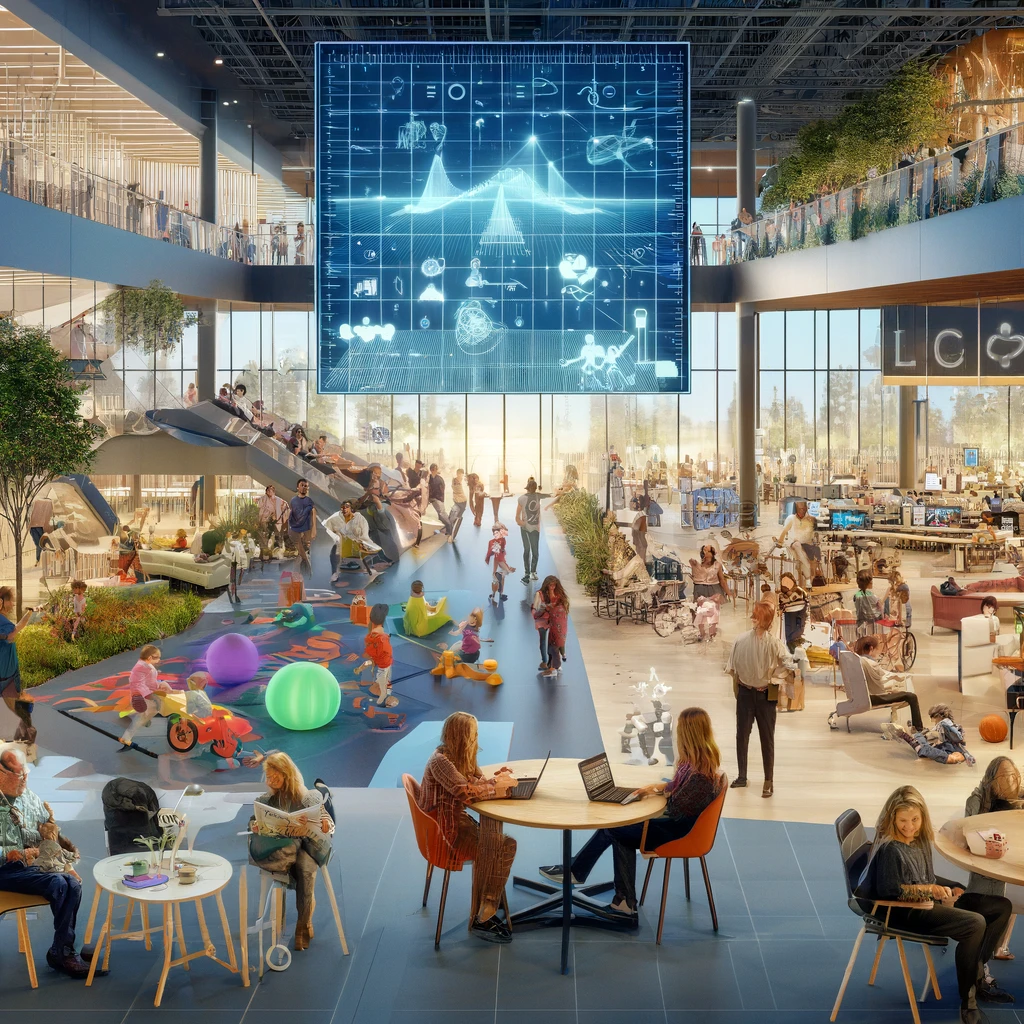
But, what exactly are community spaces in the realm of Silicon Valley? They encompass everything from trendy coworking hubs and open-space offices to inclusive cafes and parks equipped with Wi-Fi. They serve as vital outposts where ideas collide, projects are born, and informal networking turns into lifelong partnerships. The ongoing transformation of these spaces is an intriguing subject worth examining.
The Evolution of Coworking Spaces
The advent of coworking spaces marked a significant shift in how tech professionals in Silicon Valley approach their work environments. Traditional office spaces with cubicles and closed doors are becoming relics of the past. Today, open layouts, hot desks, private booths, and ergonomic workstations are the norms. Coworking spaces like WeWork and Regus initially found traction for freelancers and small teams, offering more than just a desk – they provided a vibrant community.
As the demand for flexibility increased, so did the offerings of these coworking spaces. They evolved into comprehensive ecosystems designed to support a myriad of work styles. Including amenities such as high-speed internet, conference rooms, wellness programs, networking events, and even nap pods, they became the go-to solution for startups and larger enterprises looking for satellite offices.
An exemplary model of this evolution is Hacker Dojo, one of the original Silicon Valley coworking spaces catering specifically to the hacker and maker community. Here, engineers, entrepreneurs, and creatives come together in a space that encourages experimentation and collaboration. Such spaces are vital for the valley’s ecosystem as they allow for the fusion of talents and ideas across different domains.
As the remote work revolution continues, the emphasis on creating flexible and adaptive coworking environments will only grow. They will likely integrate more virtual elements, offering a hybrid of physical and digital spaces to accommodate an even broader range of working preferences.
The Shift Towards Hybrid Offices
The COVID-19 pandemic accelerated the adoption of remote and hybrid work models, fundamentally changing the nature of office spaces in Silicon Valley. While some companies have embraced full remote work, many are turning towards hybrid models, allowing employees to split their time between home and the office. This shift has necessitated a redesign of physical office spaces to better support a mixed working style.
Hybrid offices now emphasize versatility. Traditional desks are being replaced with flexible workstations that employees can book as needed. Common areas have expanded to facilitate spontaneous collaboration and socially distanced interactions. High-quality video conferencing setups have become a staple, bridging the gap between in-office and remote workers with ease.
Tech giants like Google and Facebook are at the forefront of hybrid workspace innovation. Google has revamped its campuses to create more collaborative urban spaces. These changes reflect a vision where office environments not only support work but also foster creativity and well-being.
The shift towards hybrid offices also extends to infrastructure. Enhanced Wi-Fi networks, secure remote access, and intelligent building systems that can adapt to occupancy levels are now essential. These elements ensure that the hybrid model is seamless and efficient, providing a positive experience for employees regardless of where they work.

Inclusive Cafes: The New Cornell Spaces
In Silicon Valley, cafes are more than just places to grab a cup of coffee. They are vibrant community spaces where ideas are exchanged, partnerships are formed, and coding marathons are fueled. Over the years, these coffee shops have evolved to reflect the diverse and inclusive culture of the tech community.
Cafes like the iconic Red Rock Coffee in Mountain View and Philz Coffee in Palo Alto have become informal hubs for tech professionals. These spaces offer more than just a caffeine fix; they provide an inviting environment with ample seating, reliable Wi-Fi, and a friendly atmosphere conducive to productivity. Many of these cafes have evolved to include event spaces for meetups, talk, and hackathons, further solidifying their status as integral community spaces.
Moreover, the trend of inclusive cafes extends to their commitment to social responsibility and environmental sustainability. Many cafes prioritize ethically sourced coffee, eco-friendly practices, and community engagement. They create inclusive environments, fostering a culture where everyone, regardless of background or profession, feels welcome and valued.
In the future, we can expect these cafes to continue evolving, incorporating more features that cater to the shifting needs of the tech community, such as more extensive charging stations, dedicated quiet zones, and even more robust networking events.
Parks and Green Spaces as Work Environments
One of the most remarkable shifts in Silicon Valley’s community spaces is the increased use of parks and green spaces as alternative work environments. With the rise of remote work, the desire for outdoor workspaces has surged. The serenity of nature combined with the availability of technological infrastructure is reshaping how and where people work.
Parks like Cuesta Park in Mountain View and the sprawling Stanford University campus offer tranquil settings where tech professionals can work, brainstorm, or simply take a refreshing break. Equipped with amenities such as free Wi-Fi and outdoor seating, these parks are becoming extensions of traditional office spaces.
The integration of technology into these green spaces enhances their utility. Solar-powered benches, charging stations, and outdoor conference areas are some of the innovations making parks viable workspaces. This trend reflects a broader movement towards work-life integration and the recognition of nature’s benefits on mental health and productivity.
As urban planning continues to evolve, we are likely to see more parks designed with the needs of remote workers in mind. These spaces will play a crucial role in fostering community engagement and providing healthy, versatile environments for work and relaxation.
The Role of Tech Museums and Innovation Centers
Another exciting facet of Silicon Valley’s community spaces is the emergence of tech museums and innovation centers. These spaces serve as educational hubs, offering visitors a glimpse into the history of technology and the exciting possibilities of the future.
Institutions like the Computer History Museum in Mountain View and the Tech Interactive in San Jose are more than just tourist attractions. They provide interactive exhibits, hands-on workshops, and event spaces that cater to the tech community. These museums foster a culture of learning and curiosity, bridging the gap between education and industry.
Innovation centers, such as the Plug and Play Tech Center, cater directly to startups and entrepreneurs by offering coworking spaces, mentorship programs, and invaluable networking opportunities. These centers are incubators for breakthrough ideas and products, providing startups with the resources they need to thrive.
The role of these museums and innovation centers is set to expand as they incorporate more advanced technologies, virtual exhibits, and global collaborations. By offering spaces where the past, present, and future of technology converge, they will continue to play a pivotal role in shaping Silicon Valley’s cultural and innovative landscape.
Conclusion:
The changing landscape of Silicon Valley’s community spaces is a testament to the region’s dynamic and forward-thinking culture. From coworking spaces and hybrid offices to inclusive cafes, green work environments, and tech museums, these spaces reflect the diverse needs and aspirations of the tech community.
As the nature of work and collaboration continues to evolve, so will these community spaces. They will embrace new technologies, sustainable practices, and inclusive designs to support a vibrant and interconnected tech ecosystem. By fostering an environment that encourages innovation, creativity, and well-being, Silicon Valley will maintain its status as the epicenter of technological advancement and cultural transformation.
For those immersed in the tech industry, understanding and leveraging these community spaces is crucial. They are not just places to work but integral parts of the ecosystem that drive growth, innovation, and community spirit. By appreciating the evolution of these spaces, we can better navigate and contribute to the ever-changing landscape of Silicon Valley.