Silicon Valley, the epicenter of technological innovation, is home to some of the brightest minds in the world. It’s where groundbreaking ideas are turned into reality and where the tech culture influences almost every aspect of life, including dating. Dating in Silicon Valley is a tale of two worlds: one where traditional dating norms are still holding strong and another where technology is reshaping how relationships are formed. As smartphones and the internet have permeated every facet of our lives, the dating landscape has evolved significantly. In a region where time is money and technology reigns supreme, how do people connect on a deeper level?
It’s no surprise that dating in Silicon Valley is heavily dominated by digital apps and algorithms designed to create love connections. Mobile apps like Tinder, Bumble, and Hinge have become household names, urging singles to swipe left or right to find their perfect match. These applications leverage sophisticated algorithms to present the most compatible profiles, pushing the traditional method of meeting through friends or at social events into the background. As the digital and physical worlds blur, we dive into how Silicon Valley’s unique culture fosters a distinct dating scene influenced by technology, convenience, and efficiency.
Rise of Dating Apps
The rise of dating apps has completely redefined how individuals in Silicon Valley meet and connect. The convenience of swiping through potential matches during a lunch break or while commuting has made these platforms immensely popular. Both new entrants and established players are vying to capture the attention of tech-savvy singles, with each app offering unique features to differentiate itself.
Tinder, often referred to as the pioneer of the modern dating app, uses a simple and intuitive swiping mechanism to match users based on mutual interest. Bumble adds a twist by empowering women to make the first move, a nod to promoting equality and progressive social norms. Meanwhile, apps like Hinge focus on fostering relationships with more in-depth profile questions and prompts that encourage genuine conversation. Each of these platforms has capitalized on specific elements of human psychology and social behavior to keep users engaged and returning for more.
The proliferation of dating apps has given rise to a culture where meeting new people is just a swipe away. However, this culture also comes with challenges. The sheer volume of options can lead to decision fatigue and superficial interactions. Ghosting—where one party suddenly ceases all communication—has become a common pitfall, often leaving users disillusioned. Despite these hurdles, many still find success and lasting relationships through these platforms, proving that when it comes to dating in Silicon Valley, technology indeed plays a pivotal role.
Algorithms at Work
Beneath the simplistic façade of swiping lies the true power of dating apps: algorithms. These sophisticated bundles of code work tirelessly to analyze user behavior, preferences, and interactions to create the best possible matches. Machine learning and data analytics are the backbone of these systems, continuously refining their processes to improve the user experience.
Matchmaking algorithms consider a plethora of variables, from basic criteria like age and location to intricate patterns in how users engage with profiles. Advanced algorithms incorporate data from social media, lifestyle interests, and even personality traits to increase the likelihood of a successful match. For instance, OkCupid’s algorithm evaluates responses to hundreds of questions to identify compatible traits, giving users a match percentage to assess compatibility.
While these algorithms are impressive, they are not without criticism. Some argue that over-reliance on algorithms can reduce the complexity of human relationships to mere data points, potentially missing the essence of emotional connection and chemistry that cannot be quantified. Additionally, biases in the data and algorithm design can inadvertently reinforce social biases, affecting who gets matched with whom. Despite these concerns, the continuous improvement of these technologies holds promise for more precise and meaningful connections.
Artificial Intelligence in Dating
Artificial intelligence (AI) is pushing the boundaries of what dating apps can do. AI-powered features go beyond basic matchmaking to provide personalized recommendations and enhance user experience. By combining machine learning with natural language processing and sentiment analysis, AI can offer more accurate matches and even assist in crafting the perfect message.
One of the most notable uses of AI in dating apps is in chatbots. These automated chat agents can engage with users, answering questions, and providing guidance on how to improve their profiles. Some advanced chatbots, like those used by apps such as Badoo, can detect and discourage inappropriate behavior, contributing to a safer and more respectful online dating environment.
AI’s role in dating is not limited to algorithms. Virtual dating assistants, such as Lara on the Tinder platform, help users find potential matches, suggest conversation starters, and even organize meet-ups. These features add a layer of personalization that can make the experience less overwhelming and more enjoyable.
As AI continues to evolve, it is likely that its influence on the dating industry will grow. Future developments may include even more tailored matchmaking, real-time interaction analysis, and predictive modeling to forecast relationship success. Ultimately, AI’s integration into dating redefines how people discover and connect with potential partners in Silicon Valley and beyond.
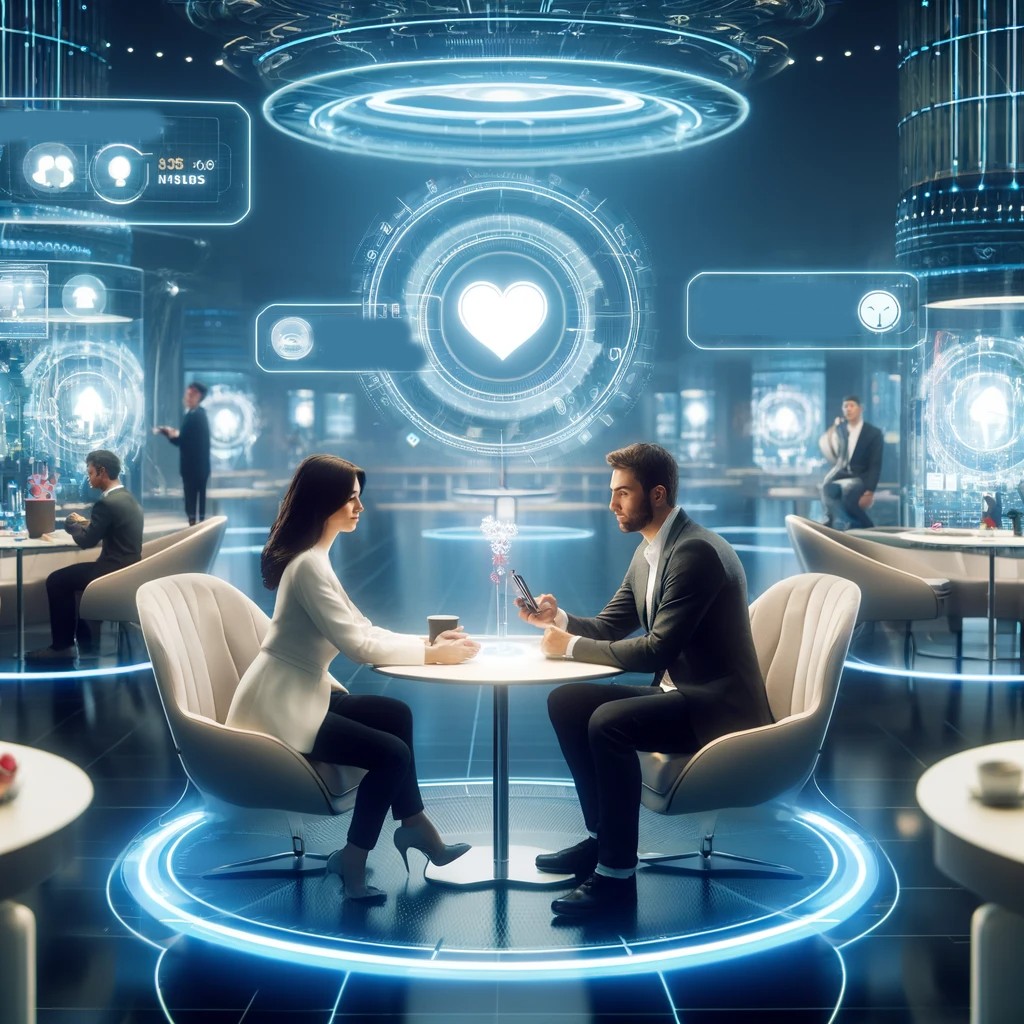
Tech Culture’s Impact on Dating
The omnipresence of technology in Silicon Valley extends beyond dating apps and AI. Tech culture influences the very way people approach relationships and dating in the region. The fast-paced, innovation-driven environment shapes expectations, interactions, and the dynamics of relationships.
In Silicon Valley, the work-centric lifestyle often means that individuals have limited time for traditional dating methods. Efficiency and convenience become paramount, making dating apps an attractive option. Moreover, the prevalence of startups and entrepreneurial ventures instills a mindset of experimentation and iteration, which transfers to personal relationships. This can lead to a “beta testing” approach, where individuals are more willing to explore different relationships dynamically.
However, the same culture that promotes efficiency can also pose challenges. The tendency to prioritize work over personal life can strain relationships, and the constant drive for optimization may lead individuals to seek “upgrade” partners continually. This can foster a transient dating scene where long-term commitments are harder to achieve.
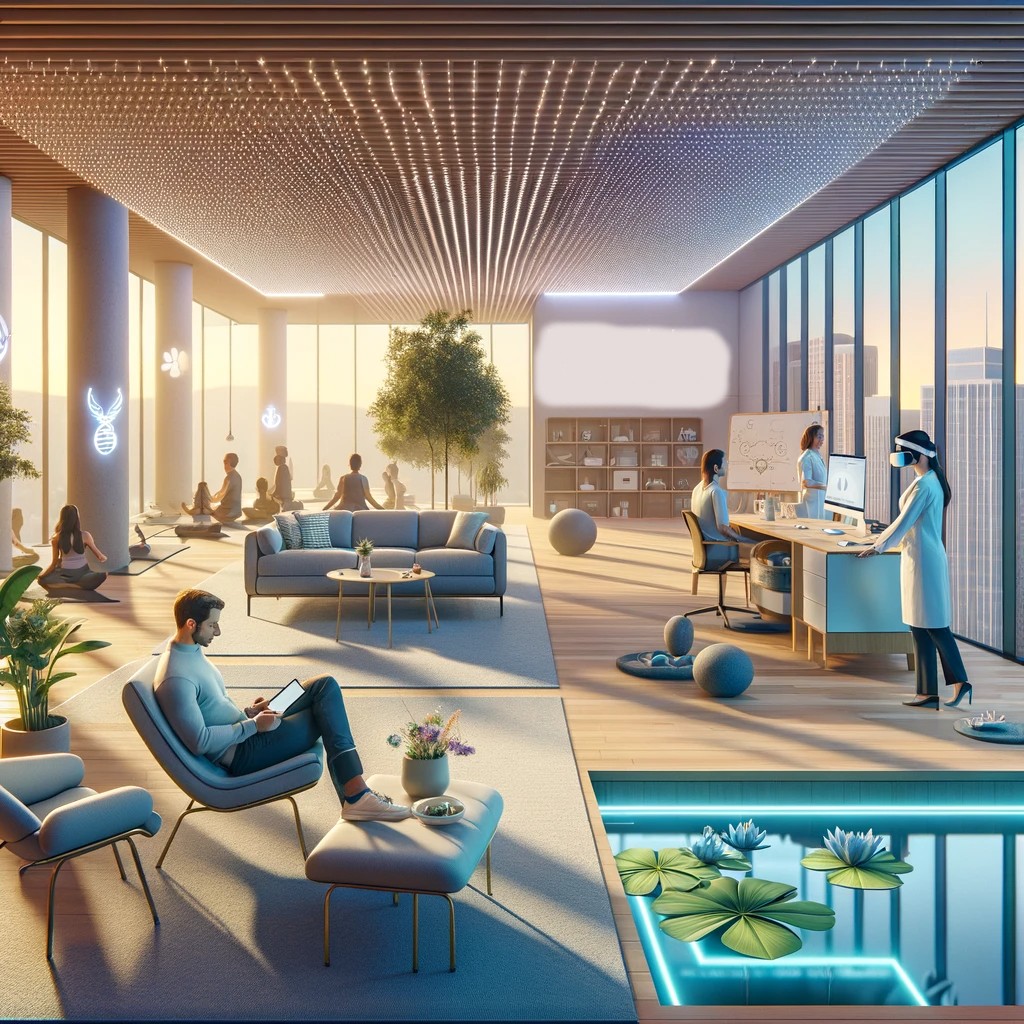
Despite these challenges, many tech professionals seek meaningful connections and strive to balance their professional and personal lives. Communities and organizations that focus on wellness and work-life balance provide support and resources, helping individuals build lasting relationships in a fast-paced environment.
Ethical Considerations and Future Directions
As technology plays an increasingly dominant role in dating, it is crucial to consider the ethical implications. Privacy concerns are at the forefront, as dating apps collect vast amounts of personal data. Users must be vigilant about how their information is used and shared, and companies must prioritize transparency and data protection.
Additionally, the potential for algorithmic bias raises questions about fairness and inclusivity. Developers must ensure that their algorithms do not reinforce social stereotypes or exclude certain groups. Diverse data sets and inclusive design practices are essential for creating equitable and representative matchmaking systems.
Looking forward, the future of dating in Silicon Valley and beyond will likely continue to be shaped by technological advancements. Innovations such as virtual reality dating experiences and bioinformatics-based matchmaking could revolutionize how people connect. Virtual reality could create immersive date experiences that transcend geographical boundaries, while bioinformatics could use genetic information to match individuals based on biological compatibility.
Whether these technologies will become mainstream remains to be seen, but they certainly highlight the ever-evolving nature of dating in a tech-driven world. As these tools evolve, it is imperative to keep the focus on authentic human connection and navigate the balance between technological efficiency and emotional depth.
Conclusion
Dating in Silicon Valley is a microcosm of how technology intersects with every aspect of modern life. From the ubiquitous dating apps and sophisticated algorithms to the integration of artificial intelligence, the ways in which people form romantic connections reflect the region’s innovative spirit. While technology brings numerous benefits, such as convenience and enhanced matching accuracy, it also introduces challenges that require careful consideration and balance.
The tech culture in Silicon Valley fosters a unique dating environment characterized by a blend of experimentation and efficiency. However, the relentless focus on work and the quest for optimization can sometimes hinder the development of deep, lasting relationships. Despite the hurdles, many individuals find success and meaningful connections in this dynamic landscape.
As we look to the future, the continued evolution of technology will undoubtedly influence dating practices further. Ethical considerations, such as privacy and inclusivity, must guide these advancements to ensure that the quest for love remains respectful and authentic. Whether through AI innovations, virtual reality dates, or emerging bioinformatics, the essence of dating will always lie in the human desire for connection and companionship.
Ultimately, dating in Silicon Valley exemplifies the broader trends transforming modern relationships worldwide. As technology continues to evolve, so too will the ways we love and connect, underscoring the importance of adapting and embracing new possibilities without losing sight of genuine human bonds.