

The culture and lifestyle in Silicon Valley have always been intertwined with groundbreaking technologies. Among these, the rise of autonomous vehicles (AVs) is one of the newest and most transformative developments. From reshaping how we think about transportation to impacting urban planning and even impacting everyday life, autonomous vehicles are a focal point for tech innovation with far-reaching consequences.
Keen conversations revolve around their potential to reduce accidents, cut emissions, and reshape cities. Yet, it is also critical to understand the paradigms and challenges they introduce. This article delves into the impact of autonomous vehicles on Silicon Valley’s streets, exploring its tech culture, urban landscape, socio-economic impacts, and more.
Introduction to Autonomous Vehicles
Autonomous vehicles, often referred to as self-driving cars, have been a staple in science fiction for decades. But as technology advanced, the dream has become a reality. Companies like Google’s Waymo, Tesla, Uber, and Apple are at the forefront of this technological shift. These vehicles utilize complex algorithms, sensors, machine learning, and an array of other advanced technologies to navigate roads with minimal or no human intervention. The goal is to create transportation systems that are safer, more efficient, and more convenient.
The inception of autonomous vehicles traces back to the DARPA Grand Challenges in the early 2000s, where unmanned vehicles competed in navigation through treacherous terrains. Since then, the technology has visibly accelerated. Today’s AVs are being tested on urban streets, and they provide a glimpse into a near future where human-driven cars might be a rarity rather than the norm.
The real-world applications of AVs span from personal transport to industrial uses, including logistics and delivery services. They promise lower accident rates due to reduced human error, efficient fuel consumption, and reduced traffic congestion. Nonetheless, the path towards full autonomy involves tackling complex ethical, legal, and infrastructural challenges.
Urban Planning and Infrastructure
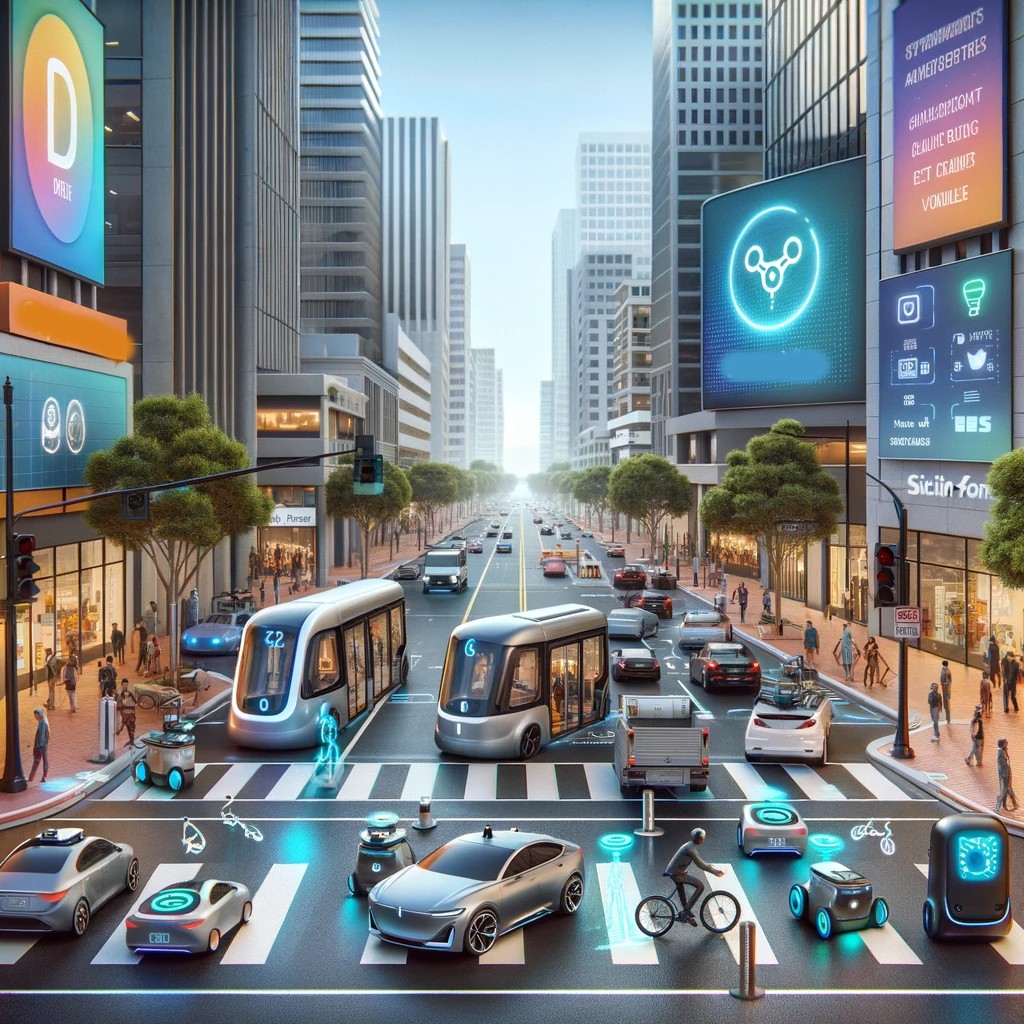
The advent of autonomous vehicles is instigating changes in urban planning and infrastructure across Silicon Valley. City planners are now anticipating the widespread usage of AVs, resulting in the reconsideration of public spaces, parking areas, and road designs. One significant change is the potential reduction in the necessity for traditional parking lots. Autonomous vehicles can drop passengers off and then drive themselves to less populated areas to park or continue offering rides. This frees up substantial urban space that can be repurposed for parks, plazas, and green spaces, contributing to community wellness and environmental sustainability. Moreover, the integration of AVs requires state-of-the-art road infrastructure equipped with advanced sensors and connectivity to guide these vehicles effectively. This involves substantial investments in smart city technologies, transforming Silicon Valley into a testbed for next-generation transportation systems. Additionally, the density of public transit systems could diminish as autonomous vehicle fleets potentially offer a new form of high-efficiency, demand-responsive transportation. Questions remain about how quickly these changes might be adopted and what their long-term impacts will be, including potential challenges related to cybersecurity and efficient traffic management.
Environmental Impact
One of the most promising benefits of autonomous vehicles is their potential to positively impact the environment. Using sophisticated algorithms and AI, AVs can optimize driving routes in real-time to avoid traffic jams and minimize fuel consumption, thereby reducing emissions. Electric autonomous vehicles present an even greater environmental boon. They could significantly reduce the carbon footprint of daily commutes and logistics. Companies like Tesla are already working on merging electric propulsion with autonomous technology, aiming for a future where transportation is both green and intelligent. Moreover, the streamlined nature of AVs means that fewer cars might be needed overall. Like shared AVs, mobility-as-a-service (MaaS) systems can reduce the number of private vehicles on the road, decreasing overall emissions and urban congestion. However, widespread adoption of AVs requires careful consideration of their lifecycle environmental impact, including the production and disposal of complex electronic components and batteries. Sustainable practices in their production, use, and end-of-life disposal are key to ensuring that the environmental benefits of AVs are fully realized.
Economic and Social Implications
The surge of autonomous vehicles is not just a technological revolution; it’s also an economic and social shift. In Silicon Valley, this shift is already becoming apparent in various facets of daily life and business. Economically, AVs are expected to spawn new industries and job categories while rendering some existing roles obsolete. Drivers in logistics and delivery sectors might find their jobs at risk as autonomous fleets become more viable. Conversely, new opportunities will emerge in programming, AI development, vehicle maintenance, and urban planning tailored to autonomous systems. Socially, autonomous vehicles could offer new mobility solutions to populations that were previously underserved, including the elderly and disabled. Enhanced mobility can lead to increased independence and access to services, significantly improving quality of life. Despite these benefits, not all social impacts are positive. There’s a rising concern over data privacy and the potential misuse of the massive amounts of data generated by AVs. Ethical considerations about the decision-making processes of autonomous systems, especially in life-and-death scenarios, remain a central concern in the public discourse.
Challenges and Considerations
As promising as autonomous vehicles may be, they are not without their challenges. Technical, ethical, legal, and societal hurdles must be addressed before AVs can become mainstream. Technically, creating fully autonomous vehicles that can handle all potential scenarios encountered on the road is an incredibly complex task. The technology must be adept at navigating different environments and unpredictable elements, such as human drivers, pedestrians, and animals. Ethically, there are challenges in programming AVs to make decisions that prioritize safety and fairness in morally complex situations. This includes scenarios where an AV might have to choose between causing minor harm to several people or major harm to one person. From a legal standpoint, regulations and standards for AVs are still evolving. Governments need to create a robust framework that addresses liability, insurance, and safety standards for autonomous technology. Moreover, international coordination might be required to manage cross-border AV operations. Societal concerns include potential job losses in certain sectors and the digital divide that may prevent some populations from benefiting from AV technology. Addressing these concerns involves collaborative efforts from tech companies, policymakers, and community leaders to ensure inclusive and equitable distribution of benefits.
The Future of Autonomous Vehicles in Silicon Valley
The future of autonomous vehicles in Silicon Valley looks highly promising, driven by constant innovations and collaborations among tech giants, startups, and academic institutions. As the technology matures, AVs are likely to become a common sight on our roads, leading to transformative changes in various aspects of life and society. Silicon Valley, with its strong tech culture, is at the forefront of this change. The successful integration of AVs here could serve as a model for other urban areas worldwide. Continued investment in R&D, public-private partnerships, and community engagement will be essential for harnessing the full potential of AV technology. Moreover, the collaboration between tech companies and local governments will be crucial in addressing the regulatory and infrastructural challenges that come with AV deployment. Initiatives like the Bay Area’s Vision Zero, which aims to eliminate traffic fatalities and severe injuries, can be significantly bolstered by the implementation of AVs. As these vehicles become more prevalent, the balance between innovation and ethical considerations will be paramount. Inclusivity, safety, and environmental sustainability should remain at the heart of AV development as Silicon Valley continues to pave the way for a more connected, efficient, and autonomous future.
Conclusion
Autonomous vehicles are not just a futuristic concept; they’re actively shaping the streets of Silicon Valley today. By revolutionizing urban planning, reducing environmental impact, and creating economic and social shifts, AVs are set to play a pivotal role in the region’s future. As AV technology continues to develop, it promises to bring unparalleled convenience and efficiency to daily commutes while presenting unique challenges that must be addressed responsibly. The collaboration between tech innovators, policymakers, and the community will be crucial in realizing the full potential of autonomous vehicles. In the end, the story of autonomous vehicles in Silicon Valley is a testament to human ingenuity and the relentless pursuit of innovation. As we navigate this new terrain, it’s imperative to ensure that the benefits of AV technology are accessible, ethical, and sustainable for all. Silicon Valley will continue to be a beacon for tech-driven progress, illuminating the path toward a smarter and more autonomous tomorrow.