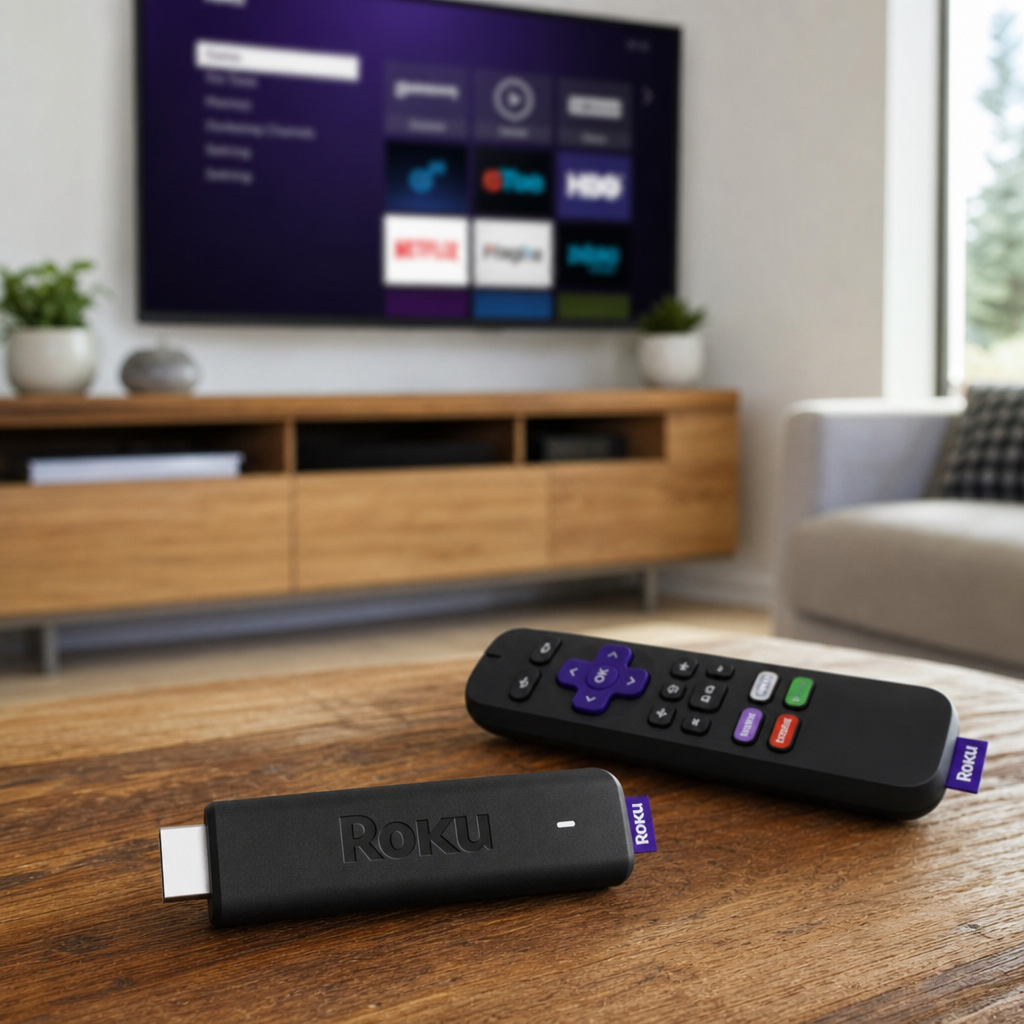
Roku has become one of the defining companies in connected TV, and its rise explains much about how streaming reshaped the home entertainment industry. In practical terms, Roku is both a hardware platform and a software ecosystem: it makes streaming players and smart TV operating systems, and it runs an advertising, subscription, and content distribution business on top of them. That combination matters because the battle for the living room is no longer just about devices. It is about controlling discovery, user experience, billing relationships, ad inventory, and the data that ties viewing behavior to revenue.
From working with streaming publishers and app distribution teams, I have seen how Roku’s influence extends far beyond its own branded players. A service can win placement on Roku and suddenly reach millions of households through a familiar interface, while a weak channel strategy on the platform can limit growth even if the content itself is strong. For readers exploring movers and shakers in company spotlights, Roku is a central case study because it sits at the intersection of consumer electronics, television operating systems, digital advertising, and media distribution. Understanding Roku helps explain why streaming economics look the way they do today, why platform negotiations are so contentious, and why smart TV software now carries as much strategic value as the screen itself.
Key terms are essential here. Connected TV, or CTV, refers to television content delivered through internet-connected devices such as streaming sticks, set-top boxes, and smart TVs. Over-the-top, or OTT, describes video distributed over the internet rather than through traditional cable or satellite systems. A platform, in Roku’s case, means the operating system, app environment, ad stack, search layer, billing tools, and recommendation surfaces that mediate the relationship between viewers and content providers. When analysts talk about Roku’s importance, they are usually referring not just to hardware sales but to platform revenue, user accounts, engagement hours, and its leverage with media companies.
How Roku Built Its Position in Streaming
Roku was founded in 2002, but its strategic breakout came when streaming moved from a niche behavior to a mainstream household habit. The company first gained attention through affordable, easy-to-use devices that solved a real consumer problem: how to watch internet video on a television without dealing with a complicated PC setup. That simplicity became Roku’s early advantage. Installation was fast, the remote was intuitive, and the interface focused on apps and content rather than technical complexity. In home entertainment, friction kills adoption, and Roku consistently removed friction.
The company’s role expanded when it shifted from being only a device maker to becoming an operating system partner for television manufacturers. That decision changed the competitive landscape. Instead of relying solely on standalone streaming boxes, Roku embedded its software directly into TVs sold by brands including TCL, Hisense, Sharp, and others in different markets. As a result, Roku gained scale at the moment consumers were replacing older sets and expecting streaming to be built in. This was a powerful distribution strategy because it lowered customer acquisition costs and made Roku the default interface in many homes from day one.
Roku’s business model also evolved intelligently. Hardware margins in consumer electronics are often thin, volatile, and vulnerable to competition. Roku recognized that long-term value would come from platform monetization, especially advertising, content promotion, and revenue-sharing arrangements. The company therefore prioritized active accounts and engagement over pure device profit. That playbook mirrors other platform businesses: gain audience reach, control access points, and monetize attention repeatedly over time. For the home entertainment industry, Roku demonstrated that streaming platforms could generate more durable economics from software and advertising than from hardware alone.
Roku’s Core Business Model and Revenue Drivers
Roku reports two broad segments historically familiar to investors: devices and platform activity, with the platform side becoming the strategic engine. Platform revenue includes digital advertising sold within The Roku Channel and across parts of the Roku ecosystem, content distribution payments, subscription billing revenue, and promotional placements. In plain language, Roku makes money when viewers use Roku-powered screens to discover, watch, and subscribe to content. The more time households spend in the Roku environment, the more opportunities the company has to monetize that attention.
This matters because the economics of home entertainment have shifted from one-time purchases to recurring monetization. In the DVD era, consumers bought discs and hardware separately. In the cable era, operators controlled bundles and billing. In the streaming era, platforms like Roku sit in the middle and profit from navigation, search, advertising, and subscription conversion. I have seen content teams invest heavily in trailer art, app naming, and onboarding flows for Roku because small interface differences can materially affect installs and viewing hours. That is the sign of a gatekeeper platform.
| Revenue Driver | How It Works | Industry Impact |
|---|---|---|
| Streaming devices | Sells sticks, boxes, and audio accessories through retail and ecommerce | Builds household reach and introduces users to the ecosystem |
| TV operating system licensing | Partners with TV manufacturers to power smart TVs | Expands installed base without relying only on standalone hardware |
| Advertising | Monetizes ad inventory through The Roku Channel and platform data tools | Competes for brand budgets moving from linear TV to connected TV |
| Content distribution and billing | Shares in subscription revenue and promotional placements with services | Gives Roku leverage in carriage negotiations with publishers |
For media companies, Roku can be both a growth channel and a negotiating counterparty. A publisher wants distribution on Roku because the platform offers broad reach and convenient billing. At the same time, Roku may seek advertising inventory, revenue share, or placement rights. That tension has surfaced publicly in carriage disputes involving major services. These conflicts reveal Roku’s real strategic weight. It is not just a neutral app store; it is an influential intermediary in the streaming value chain.
Product Strategy, User Experience, and Household Adoption
Roku’s product strategy succeeds because it aligns tightly with mainstream user behavior. The company has generally favored a clean grid interface, straightforward search, simple remotes, and broad app availability over experimental design. In my experience, that focus wins in family households where multiple generations use the same television. A successful living room interface must work for children, older adults, and casual users who do not want to troubleshoot. Roku understood that before many competitors did.
Another strength is price segmentation. Roku has offered entry-level streaming sticks, higher-performance devices, smart home products, and integrated TV software at different price points. That approach broadened its audience beyond early adopters. When budgets tightened, consumers could still choose low-cost access to major apps like Netflix, Hulu, Disney+, YouTube, and Prime Video. During the streaming expansion of the late 2010s and early 2020s, affordability became a strategic weapon. It helped Roku stay visible at retail while larger technology rivals pursued more vertically integrated ecosystems.
The Roku Channel also deserves attention as a strategic product layer. What began as an owned content destination became a way to capture viewing directly, aggregate free ad-supported streaming television channels, and support premium add-ons. In industry terms, this strengthened Roku’s position in FAST, a segment that gained momentum as consumers pushed back against rising subscription costs. The Roku Channel gave the company direct inventory, original and licensed programming opportunities, and more control over the viewer relationship than third-party apps alone could provide.
Why Roku Is a Key Mover and Shaker in Home Entertainment
Roku is a mover and shaker because it influenced not only what consumers watch, but how the industry organizes power. First, it accelerated the shift from input-based television to platform-based television. Instead of switching between HDMI sources and linear channels, viewers increasingly begin with an operating system home screen that recommends apps, titles, and live feeds. That interface layer determines discovery, and discovery determines market share.
Second, Roku helped normalize connected TV advertising as a serious market rather than a digital side business. Brand advertisers once treated streaming as experimental. Today, CTV is part of national media planning, with measurement tools from Nielsen, Comscore, iSpot, VideoAmp, and platform-specific dashboards shaping investment decisions. Roku’s scale, ad products, and audience data contributed to that transition. As ad dollars moved from linear television to streaming environments, Roku became one of the companies benefiting directly from the reallocation.
Third, Roku changed the negotiating balance between platforms and publishers. Major media companies can no longer assume that content alone gives them total leverage. Distribution still matters, but so do home-screen placement, ad tech integrations, audience targeting, and billing relationships. Roku’s disputes with large services have shown that even powerful content brands must account for platform gatekeepers. For executives studying company spotlights, that makes Roku an essential example of how modern media power is fragmented across hardware, software, and content.
Challenges, Competition, and the Road Ahead
Roku’s leadership position does not make it invulnerable. Competition remains intense from Amazon Fire TV, Apple TV, Google TV, Samsung’s Tizen, LG’s webOS, and gaming consoles that double as streaming hubs. Each rival brings different strengths, from commerce integration to premium hardware to mobile ecosystem ties. In international markets, Roku has also faced the challenge of expanding beyond its strongest regions while adapting to local content rights, manufacturing partnerships, and advertising maturity.
There are also structural pressures. The streaming market has become more crowded, customer acquisition costs have risen, and media companies are rethinking how many intermediaries they want between themselves and viewers. Privacy regulation and identity changes complicate ad targeting. Hardware demand can fluctuate with consumer spending cycles. At the same time, Roku must continue balancing platform neutrality with the desire to prioritize its own content experiences such as The Roku Channel. That is a difficult line to manage because platform partners notice every ranking decision, promotional slot, and data-sharing policy.
Even with those headwinds, Roku remains central to the future of home entertainment because it understands the economics of attention in the living room. Its next phase will depend on deepening advertising capabilities, improving measurement credibility, expanding smart home and TV partnerships, and sustaining user trust through a simple experience. The key takeaway is clear: Roku helped pioneer streaming not merely by selling devices, but by redefining the television platform itself. If you are exploring movers and shakers under company spotlights, use Roku as a hub case and continue into adjacent profiles on device makers, ad-tech firms, and media platforms shaping the connected home.
Frequently Asked Questions
What makes Roku important in the evolution of the home entertainment industry?
Roku is important because it helped transform streaming from a niche viewing option into a mainstream living room experience. Early on, many consumers still relied on cable boxes, DVD players, and game consoles to access entertainment on the television. Roku simplified that transition by offering dedicated streaming devices that were easy to set up, affordable, and designed specifically for watching internet-delivered video on the biggest screen in the home. That straightforward approach lowered the barrier to entry for millions of households and helped accelerate the shift away from traditional pay TV models.
Its influence goes beyond hardware. Roku also built a software platform that organizes streaming services, manages app distribution, supports content discovery, and powers smart TVs made by multiple manufacturing partners. In other words, Roku did not just sell a gadget; it created an operating environment for connected television. That distinction matters because the modern home entertainment industry is increasingly defined by platforms that control user experience, viewer data, advertising inventory, and subscription relationships. Roku’s rise shows how the center of power moved from cable bundles and standalone devices toward integrated ecosystems that sit between content companies and audiences.
Is Roku primarily a device company, a TV operating system, or a media and advertising business?
Roku is all three, and that is exactly why it became so influential. On the surface, many consumers know Roku through its streaming sticks, set-top boxes, and Roku-branded user interface on smart TVs. Those products are still a major part of its identity because they give the company a direct presence in the living room. However, Roku’s long-term strategic value comes from how those devices feed into a broader software and monetization ecosystem.
Its operating system is a key piece of that ecosystem. Roku powers smart TVs from various manufacturers, which allows it to extend its reach far beyond standalone streaming players. When consumers buy a Roku TV, the company gains an ongoing relationship with the household through the home screen, app marketplace, search, recommendations, and account infrastructure. That ongoing engagement creates opportunities for revenue through advertising, subscription sign-ups, transactional content sales, and promotional placements for streaming services.
As a result, Roku increasingly functions like a platform and media company rather than just a hardware seller. The device helps acquire users, but the software layer helps retain them, and the advertising and distribution business helps monetize them over time. This blended model reflects a larger industry trend: in streaming, the most durable companies are often the ones that control both access and monetization, not just the physical product sitting under the television.
How did Roku help change the way viewers discover and consume streaming content?
Roku helped standardize a more app-based, on-demand model of television viewing. Instead of turning on a television and navigating a cable guide tied to scheduled programming, users could open streaming channels, search across services, and choose content whenever they wanted. That may sound ordinary today, but it represented a major behavioral shift in home entertainment. Roku made that shift feel intuitive by centering the experience around a clean interface, simple remote control, and broad access to popular streaming apps.
Content discovery became one of Roku’s most valuable roles. In a fragmented streaming environment, viewers often struggle with subscription overload and decision fatigue. Roku positioned itself as the layer that helps organize that complexity. Through universal search, featured placements, recommendations, and home screen visibility, it influences what people see first and what they ultimately watch. That means Roku is not just a neutral delivery mechanism; it plays an active role in the viewing journey.
This is especially important in today’s market, where streaming competition is intense and content libraries are spread across many services. A platform like Roku can affect customer acquisition for streaming brands simply by making some services easier to find, promote, or access. In that way, Roku has helped redefine home entertainment consumption from a model based on channel bundles and network loyalty to one shaped by interface design, platform partnerships, and discoverability within connected TV ecosystems.
Why is advertising such a major part of Roku’s business model?
Advertising is central to Roku because connected TV has become one of the most valuable areas in modern media. As audiences spend more time streaming and less time with traditional cable, advertisers are following them to internet-connected television platforms. Roku sits in a powerful position within that shift because it has direct access to viewer attention through its operating system, streaming channels, and platform relationships. That gives the company multiple ways to sell or influence ad inventory.
Unlike a pure subscription service, Roku benefits from both usage and scale. The more households use Roku devices or Roku-powered TVs, the more opportunities the company has to serve ads, support ad-supported streaming channels, and help content partners monetize their audiences. It can generate revenue from placements on the home screen, from ad-supported content environments such as The Roku Channel, and from broader platform-level ad technology tied to connected TV viewing. This creates a diversified monetization model that is less dependent on one-time hardware sales.
Advertising also highlights why control of the user interface matters so much. In the streaming era, the company that owns the homepage, login flow, recommendation engine, and content gateway often has significant leverage over media economics. Roku’s business shows that the fight for the living room is not just about making devices available; it is about shaping attention, gathering insights into viewing behavior, and creating recurring revenue streams from that engagement. That is one reason Roku has become such a notable player in the broader restructuring of the home entertainment business.
What does Roku’s success reveal about the future of streaming and connected TV?
Roku’s success reveals that the future of streaming is platform-driven, data-informed, and deeply integrated across hardware, software, and monetization. In earlier phases of digital entertainment, it was possible to think of devices, content providers, and advertising systems as somewhat separate categories. Roku helped show that in connected TV, those categories increasingly overlap. The company’s strength comes from linking the physical access point in the home with the software environment that manages viewing and the business systems that generate revenue from audience activity.
It also demonstrates that scale in the streaming era is not only about producing hit shows or selling the most devices. It is about building a durable ecosystem that keeps consumers engaged while giving content partners and advertisers reasons to stay connected to the platform. That is why operating systems, user interfaces, recommendation engines, and ad technology have become so strategically important. They shape who gets discovered, who gets paid, and who controls the customer relationship.
Looking ahead, Roku’s trajectory suggests that connected TV will remain a battleground where platform companies compete to own the living room experience end to end. Consumers may continue to see Roku as a simple streaming solution, but from an industry perspective, its deeper significance lies in how it helped define the modern streaming economy. It represents a model where convenience for viewers, distribution power for content providers, and monetization opportunities for advertisers all converge in one platform. That model is likely to remain central as home entertainment continues evolving.