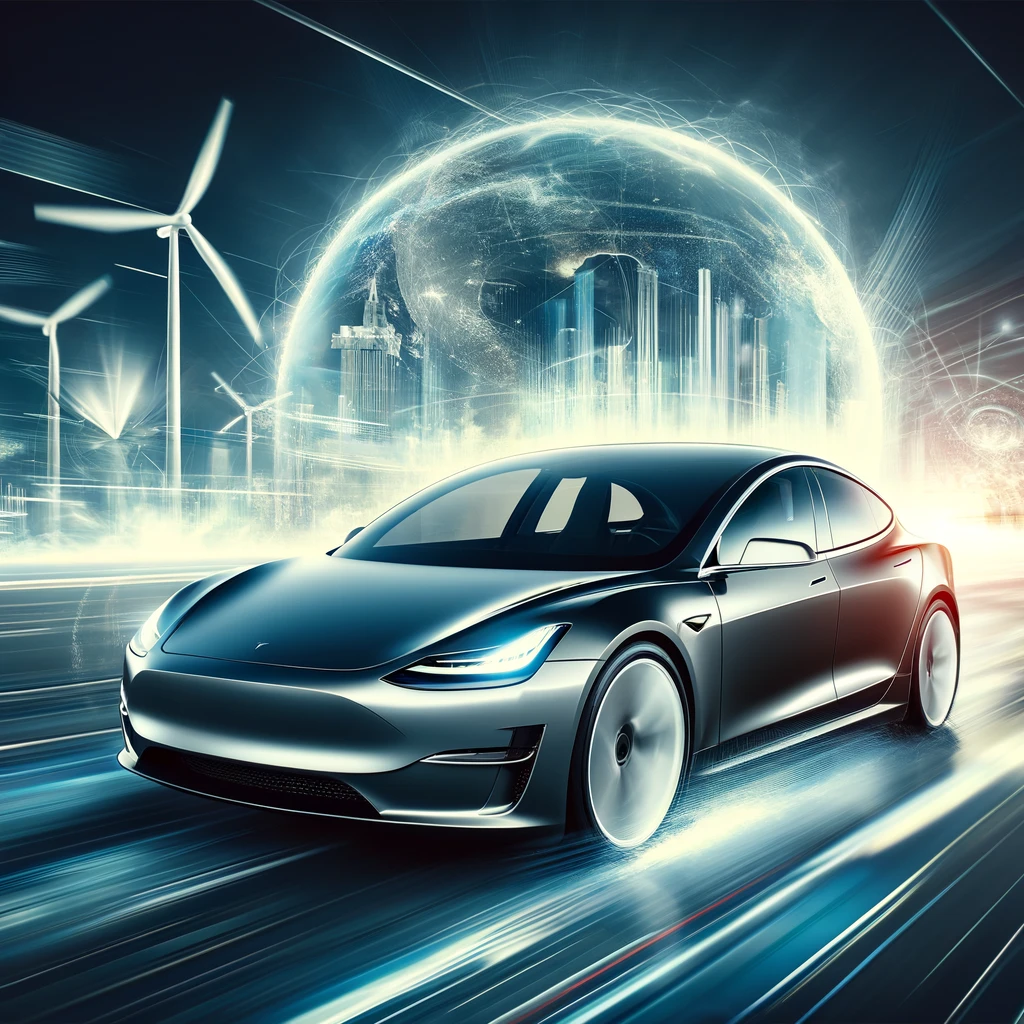
Tesla, a name synonymous with the electric vehicle revolution, has undeniably transformed the automotive industry. This transformation encompasses not just the introduction of electric vehicles (EVs) but also innovations in sustainability, technology, and industry practices.
A Vision for a Sustainable Future
Tesla’s mission has always been clear: to accelerate the world’s transition to sustainable energy. This vision is deeply embedded in their practices, products, and long-term strategies. In their 2022 Impact Report, Tesla outlined its commitment to sustainability, emphasizing the need for a global shift to renewable energy sources like solar and wind and battery production.
Environmental Initiatives
Tesla’s environmental impact goes beyond their electric vehicles. They’ve taken significant steps to ensure that their factories are sustainable. For example, Gigafactory Texas utilizes highly efficient, low emissivity windows and covers a significant portion of its roof space with solar panels, reflecting a commitment to using renewable energy sources. Tesla’s aim is to reduce waste, water usage, and energy consumption in their manufacturing processes. Impressively, they use less water per vehicle than most internal combustion engine (ICE) car manufacturers, setting a benchmark for the industry in terms of water usage efficiency.
The Electric Vehicle Revolution
Since its inception, Tesla has been a frontrunner in the electric vehicle market. With over 1.3 million EVs produced and delivered globally in 2022, Tesla has demonstrated the scalability and market appeal of electric vehicles. The Model Y, known for its energy efficiency, epitomizes Tesla’s commitment to combining performance with environmental consciousness. The Model Y All-Wheel Drive, in particular, boasts 4.0 EPA miles per kWh, making it the most efficient electric SUV to date.
Technology and Innovation
Tesla’s impact is not limited to its vehicle lineup. The company has been a trailblazer in various technological domains, integrating advancements in battery technology, software, and autonomous driving capabilities. Tesla’s commitment to continuous innovation is evident in their approach to vehicle manufacturing, software updates, and energy solutions.
Challenges and Opportunities
Despite its successes, Tesla, like any other company, faces challenges. As of 2024, Tesla’s growth in vehicle sales is expected to be lower than in previous years. These challenges, however, are part of Tesla’s journey in a rapidly evolving market and technological landscape. The company’s ability to adapt and innovate will be crucial in maintaining its position as an industry leader.
The Broader Impact
Tesla’s influence extends beyond its products and into broader industry practices and consumer behavior. Their emphasis on sustainability has set new standards in the automotive industry, pushing other manufacturers to accelerate their transition to electric vehicles. Tesla’s journey is a testament to how a single company’s vision can shape an entire industry’s trajectory.
A Look Ahead
Looking to the future, Tesla’s journey is far from over. With plans to further scale their EV production, expand their energy solutions, and continue innovating in the field of autonomous driving, Tesla is poised to maintain its role as a major player in driving the automotive industry towards a more sustainable and technologically advanced future.
Embracing Global Markets and Challenges
Tesla’s reach isn’t confined to the U.S.; it’s a global phenomenon. In Europe and Asia, Tesla has made significant strides, adapting to various market dynamics and consumer preferences. This global expansion is not without its challenges, including competition from local manufacturers and differing regulatory landscapes. However, Tesla’s adaptability and innovative edge position it well to navigate these challenges.
Sustainability: More Than Just Electric Cars
Tesla’s approach to sustainability extends beyond electric vehicles. Their involvement in energy storage and solar technology is a crucial part of their strategy to revolutionize energy consumption patterns. By integrating energy generation and storage solutions, Tesla is working towards creating a more sustainable and self-sufficient energy ecosystem. This vision includes the deployment of solar roofs and large-scale battery storage systems, underscoring their commitment to a holistic approach to sustainability.
The Role of Elon Musk
Elon Musk, Tesla’s CEO, plays a pivotal role in the company’s journey. His vision, leadership, and often unconventional approach to business and innovation have been integral to Tesla’s success and public image. Musk’s active presence in media and his candid communication style have contributed to Tesla’s brand identity, making it stand out in the industry.
Competition and Collaboration
As Tesla continues to grow, it faces increasing competition from traditional automakers and new entrants into the EV market. This competition spurs innovation and drives Tesla to maintain its edge. Additionally, Tesla’s approach has encouraged a more collaborative industry environment, where knowledge sharing and partnerships are becoming more common, benefiting the industry and consumers alike.
Tesla’s Impact on Consumer Perceptions
Tesla has significantly influenced consumer perceptions of electric vehicles. Once seen as impractical or unattainable, EVs are now viewed as desirable and attainable, thanks in large part to Tesla’s efforts. The company has played a crucial role in normalizing electric vehicles and making them a viable option for a broad range of consumers.
The Road Ahead
As Tesla moves forward, it continues to focus on innovation, sustainability, and expanding its global presence. The automotive industry is at a critical juncture, and Tesla is at the forefront of this transformation. The company’s journey is emblematic of the broader shift towards more sustainable and innovative transportation solutions. Tesla’s story is one of ambition, resilience, and a relentless pursuit of a more sustainable future. It’s a narrative that continues to unfold, with each chapter promising new advancements and continued influence on the automotive industry and beyond.
Conclusion
Tesla’s journey is a powerful example of how vision, innovation, and commitment to sustainability can transform an industry. Tesla has not only introduced electric vehicles to the mainstream but has also redefined industry standards and consumer expectations. As Tesla continues to evolve, its impact on the automotive industry and its role in shaping a more sustainable future remain unequivocal. Tesla’s electric dream is not just about cars; it’s about a comprehensive vision for a more sustainable and technologically advanced world.