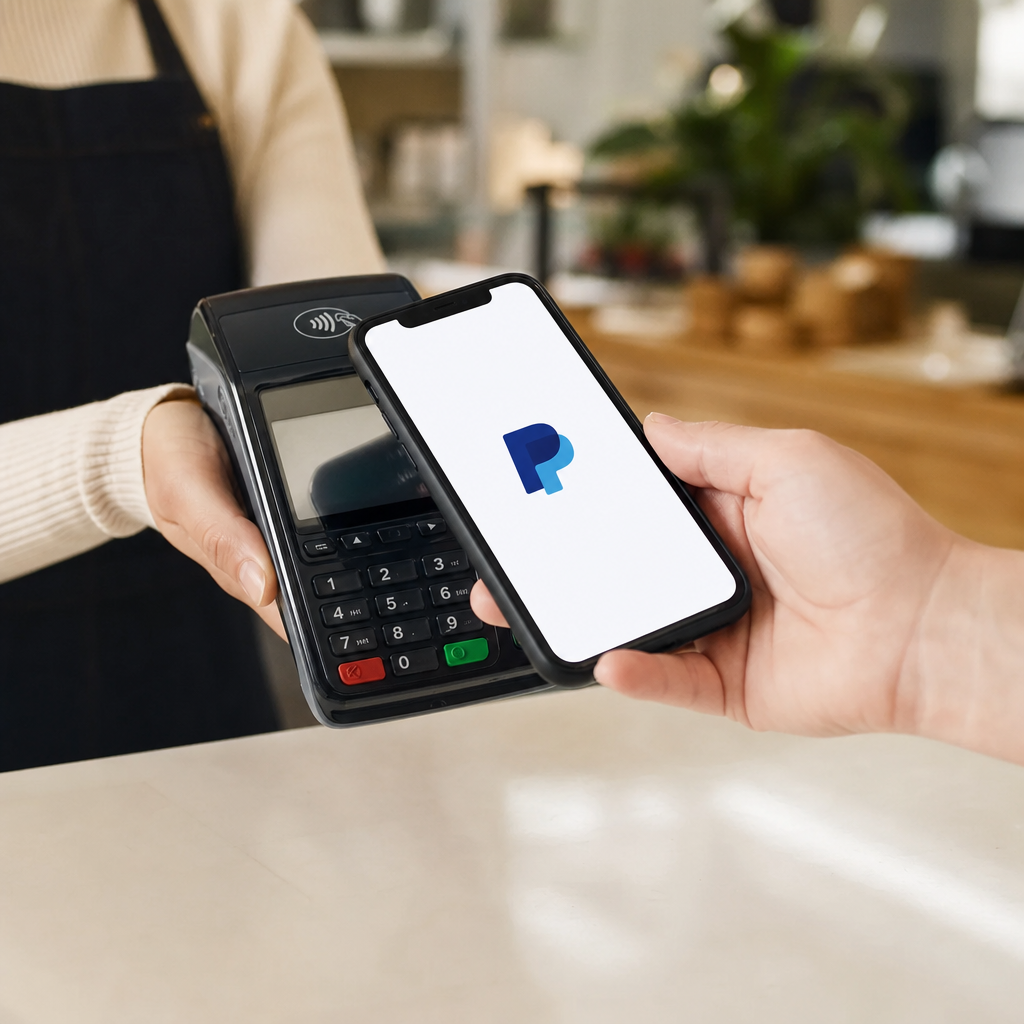
PayPal is shaping the future of digital payments by turning online money movement into a fast, familiar, and widely trusted utility for shoppers, merchants, freelancers, and global platforms. In practical terms, digital payments include card-not-present checkout, peer-to-peer transfers, mobile wallet transactions, subscription billing, and cross-border settlement handled through software rather than cash or paper instruments. I have worked with merchants that adopted PayPal to reduce checkout friction, expand internationally, and add buyer confidence without rebuilding their payment stack from scratch. That hands-on perspective matters because payment adoption is rarely driven by novelty alone; it is driven by lower abandonment, broader acceptance, and fewer barriers between intent and completed purchase.
PayPal matters within the wider group of tech innovators and market leaders because it sits at the intersection of consumer behavior, merchant economics, platform infrastructure, and regulation. Few financial technology companies have comparable brand recognition across both small businesses and multinational commerce ecosystems. The company has also evolved far beyond its original identity as an online checkout button. Today it spans branded and unbranded processing, mobile wallets, invoice workflows, small-business tools, fraud controls, installment options, remittances, and cryptocurrency features in selected markets. That breadth makes PayPal an unusually useful lens for understanding where digital payments are going next.
This hub article examines how PayPal influences payment trends, what products and capabilities drive that influence, where the company faces competitive pressure, and why its decisions affect the broader market. For readers exploring company spotlights, this overview provides the core context that supports deeper articles on mobile wallets, checkout optimization, fraud prevention, buy now pay later, and cross-border commerce. The central point is straightforward: PayPal’s long-term impact comes from combining trust, scale, and continuous product adaptation in a sector where convenience and security must advance together.
From Checkout Button to Global Payments Infrastructure
PayPal’s first major contribution was making online checkout easier for both buyers and sellers during a period when many consumers still hesitated to enter card details on unfamiliar websites. By acting as an intermediary, PayPal reduced the perceived risk of transacting with smaller merchants and marketplaces. That trust mechanism helped unlock e-commerce growth, especially for independent sellers on early digital platforms. Over time, PayPal built recurring billing, merchant services, invoicing, point-of-sale integrations, and business accounts that made it more than a consumer-facing brand. The strategic shift was important: companies that survive in payments do not just win wallets, they become infrastructure.
Infrastructure status means a payment company supports multiple transaction types, geographies, and use cases while remaining easy to integrate. PayPal expanded through APIs, partnerships, and acquisitions that extended its reach into adjacent categories. Braintree strengthened unbranded card processing for apps and enterprise merchants. Venmo gave PayPal a powerful social peer-to-peer network with strong U.S. consumer engagement. Xoom deepened international remittance. Honey brought shopping and coupon functionality closer to the point of purchase. In aggregate, these moves positioned PayPal across the commerce journey, from discovery and checkout to transfer and retention.
For merchants, this matters because customer payment preference is not a minor design detail. It directly affects conversion. Baymard Institute research has repeatedly shown that checkout friction contributes materially to cart abandonment, and trusted express payment options often improve completion rates. In deployments I have seen, adding PayPal alongside card fields helped smaller brands capture buyers who wanted speed or did not want to share card information with a first-time store. That is one reason PayPal continues to influence the market: it changes user behavior at the exact moment revenue is won or lost.
Why Consumers and Merchants Keep Using PayPal
PayPal remains relevant because it solves different problems for different participants. Consumers value convenience, purchase protection, and broad merchant acceptance. Merchants value recognizable branding, alternative funding sources, and access to a customer base that already trusts the payment method. Platforms value APIs, tokenization, vaulting, and the ability to support different payment experiences without building every component internally. Each group has alternatives, but PayPal’s advantage comes from reducing cognitive effort during payment. Users often choose the option they know will work quickly and predictably.
Trust is especially important in cross-border and small-merchant contexts. A customer buying from a niche store in another country may hesitate at the final step if the checkout looks unfamiliar. PayPal acts as a trust layer in those scenarios. It can also reduce the burden of entering shipping and billing data, which shortens checkout time on mobile devices. Speed matters because mobile conversion still lags desktop conversion in many categories, largely due to form complexity and distraction. A familiar wallet with stored credentials helps close that gap.
Merchants also appreciate the operational flexibility. A startup can begin with simple payment links or invoicing, then grow into hosted checkout, subscriptions, or full API integrations as needs become more complex. That scalability is a real competitive advantage. Businesses do not want to rip out payments every year. They want a provider that can support both immediate launch needs and later-stage sophistication, including fraud screening, dispute management, tax handling integrations, and marketplace payouts.
Core Product Areas Driving the Future of Digital Payments
PayPal’s influence on the future of digital payments comes from a set of product areas that align closely with where commerce is moving: mobile-first buying, embedded finance, omnichannel acceptance, and data-driven risk management. The company’s branded wallet remains central, but the larger story includes checkout acceleration, merchant processing, peer-to-peer ecosystems, and value-added services layered on top of payments.
| Product area | What it does | Why it shapes the market |
|---|---|---|
| PayPal Checkout | Express payment with stored credentials and buyer protections | Reduces friction and increases trust at online checkout |
| Braintree | Unbranded payment processing and developer tools | Supports app-based commerce and enterprise customization |
| Venmo | Peer-to-peer transfers and merchant payments | Extends wallet behavior from social payments into retail spend |
| Xoom | International money transfer and remittance services | Expands PayPal’s role in cross-border consumer finance |
| Buy Now Pay Later | Installment payment options at checkout | Meets demand for flexible budgeting without separate credit cards |
PayPal Checkout continues to matter because one-click and low-friction payments are becoming the default expectation, not a premium feature. Consumers compare every checkout experience to the fastest one they have used elsewhere. Braintree is equally significant because many large brands want the benefits of PayPal’s infrastructure without making PayPal the visible front-end brand. That behind-the-scenes role gives the company influence even when shoppers do not realize PayPal is involved.
Venmo shows how digital payments increasingly blend utility with identity and habit. While peer-to-peer transfer usage does not automatically convert into merchant payment dominance, it does train consumers to keep balances, use wallets, and think of money movement as app-native. PayPal’s installment offerings similarly reflect a broader shift toward payment flexibility at the moment of purchase. Used responsibly, these products can lift average order value and improve conversion, though merchants must balance the sales benefit against margin costs and regulatory scrutiny.
Security, Fraud Prevention, and the Trust Equation
No digital payment platform can shape the future without solving for fraud, account security, and dispute management. PayPal’s long operating history gave it a large dataset on transaction patterns, merchant behavior, device signals, and buyer anomalies. That data supports machine learning models and rules-based systems designed to identify suspicious activity while minimizing false declines. In payments, that tradeoff is critical. Stopping fraud is necessary, but declining legitimate customers is also expensive. The best systems improve both safety and authorization performance.
Security is not only a back-end issue. It is part of the user value proposition. Buyer protection policies, encryption, tokenization, two-factor authentication, and ongoing account monitoring all affect whether users feel confident transacting online. Merchants benefit when customers feel protected, but they also need transparent dispute workflows and clear evidence requirements. In my experience, payment partners earn loyalty not merely by touting security, but by making operational resolution manageable when something goes wrong.
Regulation raises the stakes further. Payment companies operate under anti-money-laundering obligations, sanctions screening rules, know-your-customer requirements, data protection laws, and card network standards such as PCI DSS. PayPal’s ability to function across many jurisdictions is a competitive moat, although it also creates complexity and cost. This is one reason scaling in payments is hard: compliance capability is as important as product design.
Competition, Constraints, and What Comes Next
PayPal is influential, but its future is not guaranteed by history alone. It competes with Apple Pay, Google Pay, Stripe, Adyen, Block, traditional card networks, local payment methods, and fast-growing account-to-account systems. Each rival pressures a different part of the value chain. Wallet competitors own consumer interfaces on devices. Processor competitors court developers with flexible APIs and unified commerce features. Local rails and real-time payment systems promise lower-cost transfers in certain markets. The competitive landscape is intense because payments touches every transaction and generates valuable data.
There are also structural constraints. Branded checkout can lose ground when merchants push lower-cost payment methods or prioritize their own accelerated checkout flows. Regulatory scrutiny of fees, data usage, and lending-related products can limit growth. Consumer behavior shifts quickly, especially among younger users who adopt whichever payment method is embedded most naturally in the apps and devices they already use. PayPal therefore has to keep improving speed, passkey-based login, personalization, merchant economics, and omnichannel consistency.
The company’s likely path forward centers on making payments less visible but more intelligent. That means more tokenized credentials, more contextual fraud models, more personalized offers, tighter merchant analytics, and broader orchestration across payment methods. It also means serving as a bridge between legacy card systems and newer real-time or wallet-based experiences. For businesses tracking tech innovators and market leaders, PayPal remains essential because its product decisions often signal where mainstream digital commerce is heading next. Watch how it evolves checkout, merchant services, peer-to-peer monetization, and cross-border capabilities, then evaluate what those moves imply for your own payment strategy and future growth.
Frequently Asked Questions
1. How is PayPal influencing the future of digital payments?
PayPal is influencing the future of digital payments by making online transactions faster, more accessible, and more trustworthy for both consumers and businesses. One of its biggest contributions is normalization: it helped turn digital payments from something people cautiously experimented with into something they expect to use every day. Whether someone is buying from an e-commerce store, paying a freelancer, sending money to a family member, or managing recurring subscriptions, PayPal has helped create a familiar payment experience that reduces hesitation at the point of transaction.
Its impact also comes from how broadly it fits into the modern payments ecosystem. PayPal supports card-not-present checkout, peer-to-peer transfers, mobile wallet behavior, merchant invoicing, subscription billing, and cross-border commerce within a single digital framework. That matters because the future of payments is not just about moving money online; it is about making that movement seamless across devices, countries, and use cases. PayPal has consistently positioned itself as a bridge between consumers, merchants, marketplaces, and financial institutions.
For merchants, PayPal often helps reduce checkout friction by giving buyers a payment method they already recognize and trust. That familiarity can improve conversion rates, especially with first-time customers who may not want to enter card details directly on a smaller or less familiar website. For consumers, the platform adds convenience and a sense of control. For global sellers and freelancers, it helps simplify receiving funds from customers in different regions. Taken together, those strengths show why PayPal remains a major force in shaping how digital payments evolve: not only by enabling transactions, but by making digital commerce feel routine, secure, and scalable.
2. Why do consumers and merchants trust PayPal for online transactions?
Trust is one of the most important drivers in digital payments, and PayPal has spent years building that trust through brand familiarity, security features, buyer and seller protections, and a consistent user experience. In online commerce, people often make quick decisions based on whether a checkout process feels safe. Seeing PayPal as an option can reassure customers because they associate it with a well-known payment platform rather than an unknown merchant page asking for financial details. That confidence can be especially valuable in card-not-present transactions, where buyers cannot physically interact with a store or product before paying.
Merchants also value PayPal because trust has a direct impact on sales performance. A recognizable payment option can reduce cart abandonment, particularly among new customers who are still evaluating whether a business is legitimate. In many cases, businesses adopt PayPal not just as a processing tool, but as a credibility signal. It tells shoppers that the merchant supports a payment method they likely already use and understand. That sense of familiarity can shorten the path from interest to purchase.
On top of brand recognition, PayPal has built trust through practical risk-management measures. These include fraud monitoring, dispute resolution systems, transaction notifications, and layered account security. While no payment platform eliminates risk entirely, users tend to trust providers that actively work to identify suspicious activity and offer clear processes when problems arise. That blend of convenience, visibility, and protection is a key reason PayPal continues to play such a prominent role in the future of digital payments.
3. What role does PayPal play in improving checkout conversion for online businesses?
PayPal can play a significant role in improving checkout conversion because it helps remove common sources of friction that cause shoppers to abandon purchases. In e-commerce, every extra step matters. If customers are required to create an account, enter lengthy billing information, or question whether a website is secure, conversion rates can suffer. PayPal addresses these issues by offering a faster, more familiar payment path that many customers have already used before. Instead of manually typing payment details into a merchant’s checkout form, buyers can often complete a purchase through a streamlined flow connected to their existing PayPal account.
This can be especially important for mobile commerce, where smaller screens and shorter attention spans make convenience even more critical. A payment method that reduces typing and speeds up approval can make the difference between a completed sale and an abandoned cart. Businesses that serve first-time buyers often benefit the most, because PayPal can help overcome the uncertainty that sometimes prevents customers from entering card details directly on a site they have not purchased from before.
There is also a broader strategic advantage. Better checkout conversion does not just increase immediate revenue; it improves marketing efficiency. When more visitors complete purchases, businesses get stronger returns from advertising, email campaigns, search traffic, and affiliate referrals. In that sense, PayPal contributes to the future of digital payments not just by processing transactions, but by making the entire digital sales funnel more effective. For many merchants, especially those selling online across multiple channels, that practical performance benefit is one of PayPal’s most important long-term strengths.
4. How does PayPal support cross-border payments and the global digital economy?
PayPal supports cross-border payments by making it easier for people and businesses in different countries to send, receive, and manage money through a digital platform rather than relying on slower or more cumbersome traditional methods. In the global digital economy, this is extremely important. Freelancers work with clients across continents, online stores sell internationally from day one, software businesses collect subscription revenue from multiple markets, and marketplaces need payment systems that can support international participation. PayPal helps simplify that complexity by providing a widely recognized infrastructure for cross-border transactions.
One reason this matters so much is that international payments often involve extra layers of friction, including currency conversion, compliance requirements, payment preferences, and trust barriers between parties who may never meet. PayPal reduces some of that friction by offering a familiar platform that both sides may already know how to use. For a small business or independent professional, that can lower the barrier to selling services or products globally. For buyers, it can make international purchases feel more secure and understandable.
As digital commerce becomes more global, payment providers that can support cross-border activity efficiently become increasingly influential. PayPal’s role here goes beyond simple transfer functionality. It helps global trade happen at a practical, everyday level for entrepreneurs, creators, marketplaces, and established merchants alike. That makes it a meaningful part of the future of digital payments, because the future is not limited to domestic checkout pages. It is international, software-driven, and built around platforms that can support trust and usability across borders.
5. What does PayPal’s growth say about the broader future of cashless and software-driven payments?
PayPal’s growth reflects a larger shift in how people think about money movement: increasingly, payments are expected to be digital, immediate, and integrated directly into online experiences. Consumers no longer view digital payments as a niche alternative to traditional methods. They expect to pay for products, subscriptions, services, and person-to-person transfers through apps, wallets, embedded checkout tools, and online platforms. PayPal has been one of the clearest examples of this transition, showing how payment technology can evolve from a convenience feature into a core layer of commerce.
This trend also highlights the move away from cash and paper-based instruments toward software-managed transactions. In modern commerce, payments are often tied to broader systems such as invoicing platforms, recurring billing tools, mobile apps, e-commerce storefronts, and marketplace infrastructure. PayPal fits naturally into that environment because it is not just a payment button; it is part of a digital operating model for how money is requested, approved, transferred, tracked, and sometimes disputed. That makes it highly relevant in a world where payments increasingly need to be embedded into digital workflows rather than handled separately.
Perhaps most importantly, PayPal’s continued relevance shows that the future of digital payments will be shaped by companies that combine convenience with trust, flexibility, and broad usability. The winners in this space are not simply the platforms that move money the fastest. They are the ones that make payments feel easy for users, dependable for merchants, and adaptable across changing technologies and customer expectations. PayPal’s trajectory suggests that digital payments will continue becoming more invisible, more global, and more tightly woven into everyday digital life.