
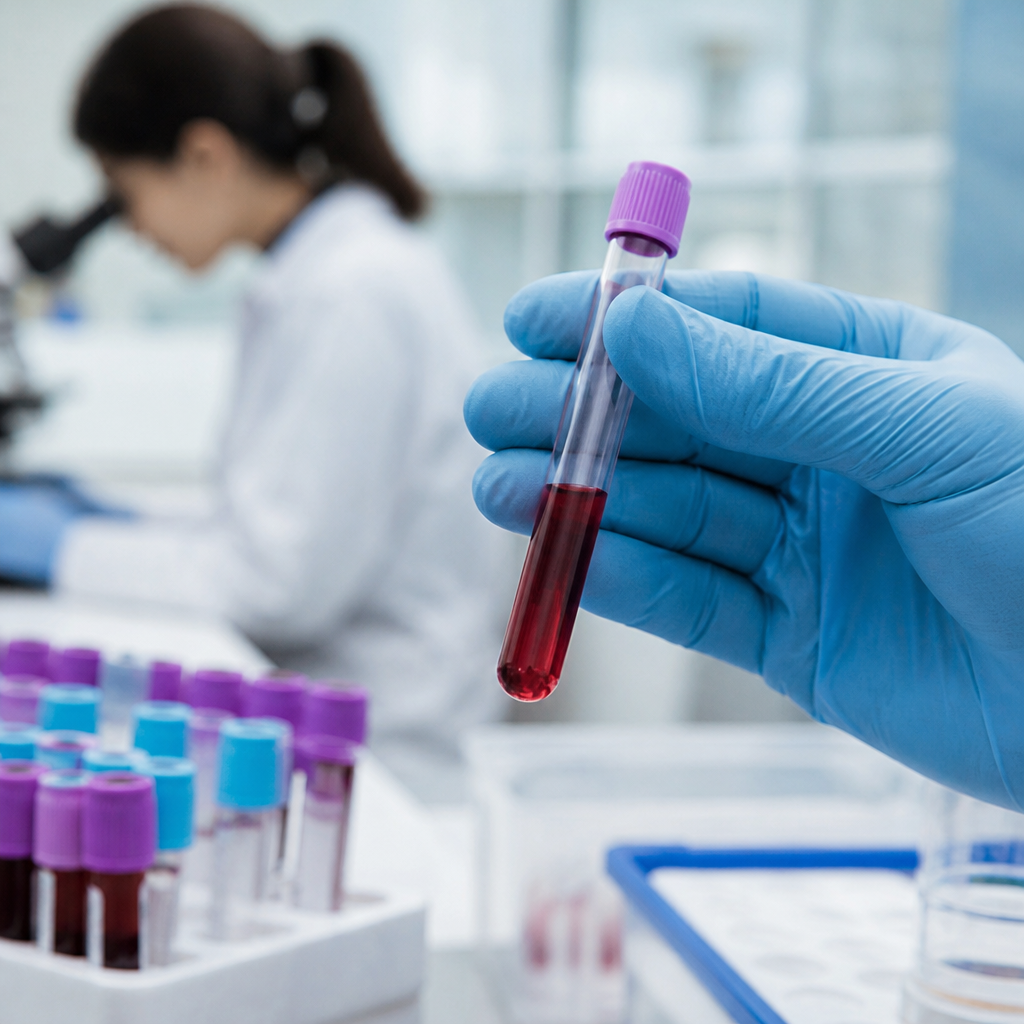
Liquid biopsy startups are reshaping cancer screening by promising a simple blood draw that can detect tumors earlier, monitor treatment response, and guide follow-up care without the delays and risks of surgical tissue sampling. In biotech and health tech, few ideas have attracted as much capital, scrutiny, and public hope as earlier cancer detection through circulating biomarkers. A liquid biopsy generally refers to testing blood, and sometimes other body fluids, for cancer-related material such as circulating tumor DNA, circulating tumor cells, methylation patterns, exosomes, proteins, or RNA fragments. The appeal is obvious: traditional biopsies are invasive, imaging can miss very small tumors, and many cancers remain silent until late stages. Startups in Silicon Valley and adjacent biotech corridors see an opportunity to combine next-generation sequencing, machine learning, microfluidics, and cloud software into scalable screening products.
I have worked with early-stage health tech teams evaluating diagnostic claims, and the consistent lesson is that elegant technology is not enough. For a liquid biopsy to matter clinically, it must clear three hurdles at once: analytical validity, clinical validity, and clinical utility. Analytical validity asks whether the assay accurately measures what it claims to measure. Clinical validity asks whether those signals reliably correlate with the presence, type, or behavior of cancer. Clinical utility asks whether using the test improves patient outcomes, changes physician decisions, or reduces harm at an acceptable cost. These distinctions matter because cancer screening carries a high burden of proof. A false positive can trigger anxiety, imaging, colonoscopy, biopsy, or surgery. A false negative can create dangerous reassurance.
That tension explains why liquid biopsy startups sit at the center of the broader biotech and health tech landscape. They are not just building lab tests; they are navigating regulation, reimbursement, physician workflow, data infrastructure, biostatistics, and population health economics. This hub article maps the field comprehensively, from technology stacks and startup models to regulatory pathways and the practical limitations that investors, operators, clinicians, and informed readers should understand.
What liquid biopsy startups actually build
Most liquid biopsy startups are not selling a generic “cancer blood test.” They usually focus on one of three use cases: early detection in asymptomatic people, therapy selection in diagnosed patients, or recurrence monitoring after treatment. Each use case demands a different product design. Early detection requires extremely high specificity because even a low false-positive rate becomes a large number of unnecessary follow-up procedures when millions are screened. Therapy selection often focuses on identifying actionable mutations such as EGFR, ALK, KRAS, or BRAF when tissue is limited. Recurrence monitoring emphasizes sensitivity at very low tumor fractions, sometimes called minimal residual disease detection.
Silicon Valley startups tend to differentiate through the measurement layer and the interpretation layer. On the measurement side, companies use targeted sequencing panels, whole-genome approaches, methylation signatures, fragmentomics, proteomics, and single-cell analysis. Guardant Health helped popularize ctDNA testing in oncology practice, while GRAIL pushed multicancer early detection using methylation-based signatures. Freenome has built around multiomics and machine learning for screening. Exact Sciences, though better known for stool-based testing and established diagnostics infrastructure, shows how adjacent players can influence the category through commercialization strength and payer relationships. Other startups focus on sample preparation, microfluidic enrichment, or software pipelines that reduce noise from clonal hematopoiesis and sequencing artifacts.
The operating model also varies. Some companies run centralized CLIA-certified laboratories as laboratory developed test providers. Others pursue in vitro diagnostic kits that can be distributed more broadly after regulatory review. Some begin with high-risk populations, such as heavy smokers or patients with prior cancer, because prevalence is higher and clinical studies are more manageable. That go-to-market choice is often more important than the headline technology because it shapes trial design, reimbursement strategy, and time to revenue.
The technology stack behind earlier cancer detection
At the technical level, early cancer detection is difficult because tumor-derived material in blood can be vanishingly rare, especially in stage I disease. A ten-milliliter blood tube contains a flood of normal cell-free DNA, proteins, and inflammatory signals that can obscure the weak cancer signal. Startups address this with a layered stack: standardized blood collection tubes, careful pre-analytical handling, library preparation methods that preserve short DNA fragments, unique molecular identifiers to suppress sequencing errors, and algorithms trained to distinguish cancer-associated patterns from benign variation.
Methylation analysis has become a major approach because epigenetic patterns can preserve tissue-of-origin information even when mutation burden is low. Fragmentomics examines fragment size, end motifs, and genomic distribution of cell-free DNA. Proteomic approaches add another orthogonal signal, which can improve sensitivity when combined with genomic data. In practice, the strongest systems often use multiomic integration rather than a single biomarker class. That is computationally heavier, but it reflects a basic reality from diagnostics work: no single noisy signal carries enough confidence across many tumor types and stages.
| Approach | Primary signal | Main advantage | Main limitation |
|---|---|---|---|
| ctDNA mutation panels | Somatic variants | Clear link to actionable biology | Low abundance in very early disease |
| Methylation profiling | Epigenetic patterns | Useful tissue-of-origin clues | Complex model training and validation |
| Fragmentomics | DNA fragment features | Can detect subtle genome-wide signals | Sensitive to pre-analytical variation |
| Proteomics or multiomics | Protein plus genomic markers | Improves complementary detection | Harder assay standardization |
Real-world execution is where many startups stumble. Batch effects, specimen degradation, low-input samples, demographic bias in training data, and contamination from non-cancer sources can erode apparent performance. Clonal hematopoiesis is a classic example: age-related blood-cell mutations can mimic tumor DNA unless pipelines explicitly filter them. Teams with strong wet-lab discipline and biostatistical rigor usually outperform teams that treat diagnostics like pure software.
Clinical evidence, regulation, and reimbursement realities
The strongest liquid biopsy startups understand that breakthrough claims must be supported by prospective evidence, not only retrospective case-control studies. Case-control designs often inflate performance because known cancer samples are cleaner and more advanced than the borderline cases seen in real screening populations. Prospective interventional trials are slower and more expensive, but they reveal whether a test works in routine practice. Important metrics include sensitivity by cancer stage, specificity in intended-use populations, positive predictive value, negative predictive value, and the rate at which a detected signal can actually be localized with imaging or follow-up diagnostics.
Regulatory pathways are equally important. In the United States, a startup may first launch through a CLIA lab model, but broad screening claims often invite deeper scrutiny from the Food and Drug Administration. Validation must cover reproducibility, limit of detection, interfering substances, and intended-use boundaries. For commercial scale, reimbursement is often the real gatekeeper. Payers want evidence that a test reduces downstream costs or improves outcomes beyond current standard of care. Medicare coverage decisions can influence private insurers, but evidence expectations differ for screening, monitoring, and companion diagnostics.
This is where health tech infrastructure becomes decisive. Successful companies build physician ordering workflows, specimen logistics, prior authorization support, result reporting, and integrations with electronic health record systems. A test that is analytically sophisticated but difficult to order, interpret, or reimburse will struggle. I have seen startup teams underestimate the operational burden of drawing samples in community clinics, shipping them under chain-of-custody requirements, and returning actionable results inside clinical decision windows. In diagnostics, commercial execution is part of the product.
Startup strategy, investment patterns, and market tradeoffs
The Silicon Valley push into earlier cancer detection follows a familiar pattern: large total addressable market, strong mission narrative, and a belief that data scale creates defensibility. Venture investors are drawn to the possibility of recurring testing, platform expansion across cancer types, and software-like margins on top of wet-lab operations. Yet the category has brutal economics. Clinical trials are expensive, assay development is capital intensive, sales cycles are long, and payer adoption can lag years behind technical milestones. Many companies therefore sequence their strategy, beginning with oncology use cases closer to existing reimbursement, then expanding toward population screening.
Partnerships are another recurring theme. Startups collaborate with health systems, biobanks, pharmaceutical companies, and large diagnostic labs to access samples, run studies, or support commercialization. Pharma partnerships can be especially useful when liquid biopsy is used to stratify patients or monitor resistance during drug development. Health-system alliances help gather longitudinal outcome data, which is essential for proving utility. Some startups also position themselves as data companies, arguing that aggregated molecular and clinical datasets will become a durable asset. That can be true, but only if the underlying samples, consent structures, and annotation quality are strong enough to support regulatory-grade evidence.
There are also ethical and practical tradeoffs. Earlier detection sounds universally beneficial, but overdiagnosis is a legitimate concern, especially for indolent lesions that might never cause harm. Equitable access is another issue. Advanced diagnostics can widen care gaps if validation cohorts underrepresent certain populations or if cash-pay pricing limits access. Responsible startups address these points directly through diverse enrollment, transparent reporting, and measured claims about what their test can and cannot do.
Why this category anchors biotech and health tech coverage
Liquid biopsy startups deserve hub status within biotech and health tech because they connect nearly every major theme in the sector. They sit at the intersection of molecular biology, sequencing hardware, machine learning, software infrastructure, precision oncology, digital health workflow, regulation, and reimbursement. Follow this category closely and you can trace broader industry shifts: falling sequencing costs, the move from single biomarkers to multiomic models, stricter evidence expectations, and growing pressure to prove real-world impact rather than technical novelty alone.
For readers exploring related biotech and health tech topics, liquid biopsy also serves as a practical lens for evaluating startups more broadly. Ask what biological signal is being measured, how rare that signal is in the target population, what false positives will trigger, whether prospective data exist, how the company will get paid, and whether clinicians can act on the result. Those questions apply not only to cancer diagnostics but also to microbiome testing, digital pathology, remote monitoring, and AI-enabled decision support.
The main takeaway is clear: liquid biopsy startups are pushing cancer detection forward, but the winners will be the companies that pair scientific ambition with disciplined evidence, careful clinical integration, and honest communication about limitations. If you are building, investing in, or covering biotech and health tech, use this field as your benchmark for what durable innovation looks like. Then keep following the adjacent articles in this subtopic to see how diagnostics, therapeutics, software, and care delivery are converging into the next generation of health technology.
Frequently Asked Questions
What is a liquid biopsy, and why are startups so focused on it for earlier cancer detection?
A liquid biopsy is a test that looks for cancer-related material in blood, and in some cases other body fluids, rather than relying only on a traditional tissue biopsy. Depending on the platform, that material may include circulating tumor DNA, circulating tumor cells, fragments of RNA, proteins, methylation patterns, exosomes, or other biomarker signals linked to tumor activity. The central idea is simple but powerful: if cancer leaves a detectable molecular trace in the bloodstream, clinicians may be able to identify disease earlier, monitor it more often, and make treatment decisions with less delay and less invasiveness than surgical sampling allows.
Startups are especially drawn to liquid biopsy because it sits at the intersection of large unmet medical need, scalable diagnostics, and advances in genomics, machine learning, and ultra-sensitive sequencing. Silicon Valley investors and founders see the possibility of turning a routine blood draw into a widely deployable screening and monitoring tool. That creates a compelling commercial story, but it also reflects a real clinical opportunity. Many cancers are still found after symptoms appear, when disease may already be advanced. If a blood test can reliably detect cancer at an earlier stage, outcomes could improve because earlier treatment is often associated with better survival and less intensive care.
Another reason for the excitement is practicality. Tissue biopsies can be difficult, expensive, and sometimes risky depending on where a tumor is located. They also capture just one moment and one part of a tumor, while cancer can evolve over time and differ across metastatic sites. A blood-based approach can potentially be repeated more easily, giving physicians a dynamic view of tumor biology. That promise is why liquid biopsy startups have attracted significant funding, partnerships, and attention, even as they face intense scrutiny over clinical validity, regulatory standards, and the challenge of proving that earlier detection truly leads to better patient outcomes.
How do liquid biopsy tests actually detect cancer from a simple blood draw?
Most liquid biopsy platforms work by searching for biological clues shed by tumors into the bloodstream. One of the best-known targets is circulating tumor DNA, which consists of tiny fragments of genetic material released when cancer cells die or actively shed DNA. These fragments can carry mutations, copy number changes, methylation signatures, or other molecular abnormalities that distinguish them from normal DNA. Some tests focus on one type of signal, while others combine multiple signals to improve sensitivity and specificity.
The technical challenge is that these tumor signals can be extremely rare, especially in early-stage cancer. A vial of blood contains a large amount of normal cell-free DNA and only a very small fraction, if any, of tumor-derived material. To find that signal, startups use highly sensitive tools such as next-generation sequencing, digital PCR, methylation profiling, proteomic analysis, and algorithmic pattern recognition. In many cases, software plays a major role by helping interpret complex data and determine whether the pattern seen is likely cancer-related, and in some multi-cancer tests, where the cancer may have originated.
In practice, the workflow usually includes blood collection, laboratory processing to isolate relevant biomolecules, sequencing or measurement of selected markers, and computational analysis to generate a result. Some tests are designed for patients already diagnosed with cancer and are used to monitor residual disease or treatment response. Others are being developed for screening people with no symptoms, which is a much higher bar because false positives and false negatives carry serious consequences. That is why strong analytical performance alone is not enough. For a test to be useful in the real world, it must detect meaningful disease accurately, consistently, and in a way that helps clinicians make better decisions.
Why is early cancer detection through liquid biopsy considered so promising, but also so controversial?
The promise comes from the possibility of finding cancer before symptoms develop and before tumors become harder to treat. In oncology, stage matters enormously. Detecting disease earlier can open the door to less invasive interventions, broader treatment options, and better long-term outcomes. Liquid biopsy also offers the appealing idea of a repeatable test that can be used not just once, but across the continuum of care: screening, diagnosis support, treatment monitoring, detection of minimal residual disease, and surveillance for recurrence. That broad utility is a big reason so many startups and investors see it as a transformative platform rather than a single product category.
The controversy stems from the fact that early detection is not automatically the same as better outcomes. A test can find biological signals without clearly proving that patients live longer or avoid more aggressive treatment as a result. There are also risks of overdiagnosis, incidental findings, and false positives that lead to anxiety, imaging, invasive follow-up procedures, and added cost. Even false negatives can be harmful if they create false reassurance and delay conventional evaluation. In screening, especially among generally healthy populations, the standard for accuracy and clinical benefit is therefore extremely high.
Another source of debate is the gap between technological capability and evidence. A startup may demonstrate that it can detect a molecular pattern associated with cancer, but regulators, clinicians, and payers want to know more: In which populations does the test work best? How often does it miss early disease? How often does it flag cancer when none is present? Does it improve decision-making compared with existing standards of care? Can health systems afford it, and will insurance cover it? These are not minor questions. They determine whether liquid biopsy becomes a routine part of healthcare or remains a promising but limited tool. That is why the field attracts both public hope and scientific skepticism at the same time.
What are the biggest challenges liquid biopsy startups face in bringing these tests into mainstream healthcare?
The first major challenge is scientific and clinical validation. Detecting cancer-related biomarkers in a controlled study is not the same as delivering reliable results across diverse patient populations in everyday practice. Startups must show that their assays are analytically robust, meaning they measure what they claim to measure with precision and reproducibility. Then they must establish clinical validity, showing that the biomarker pattern truly correlates with cancer presence, type, or progression. Finally, they must prove clinical utility, demonstrating that using the test actually helps improve patient care. Each step requires substantial time, carefully designed trials, and significant capital.
Regulation is another obstacle. Cancer diagnostics are closely scrutinized because the consequences of inaccurate results can be serious. Depending on how a test is offered, companies may face oversight through laboratory regulations, formal review pathways, or evolving standards from agencies and professional bodies. At the same time, the evidence bar can differ depending on whether the test is intended for recurrence monitoring, therapy selection, or broad population screening. Screening tests generally face the hardest path because they are used in large numbers of people who may have no symptoms at all.
Reimbursement and adoption are equally important. Even an innovative test can struggle if physicians are unsure how to use it, if follow-up care pathways are unclear, or if insurers do not cover it. Hospitals and clinicians need confidence that a positive result leads to a rational next step, such as targeted imaging or confirmatory testing. Payers want proof that the test reduces downstream costs or meaningfully improves outcomes. Startups also need to build trust in a field where hype has at times moved faster than evidence. In practice, success depends not only on good science but on execution across clinical studies, regulatory strategy, physician education, health economics, and operational scale.
How might liquid biopsy change cancer care over the next few years?
In the near term, liquid biopsy is most likely to expand first in settings where its value is already easier to demonstrate, such as treatment monitoring, detection of minimal residual disease, and recurrence surveillance after therapy. These use cases fit naturally with the strengths of blood-based testing because they allow repeated measurements over time and often address clear clinical questions. For example, a test that detects residual tumor DNA after surgery or chemotherapy may help identify patients at higher risk of relapse, potentially guiding closer follow-up or additional treatment. Similarly, monitoring changes in circulating biomarkers during therapy may provide earlier insight into whether a treatment is working.
For screening, the next few years will likely be defined by evidence generation and refinement rather than instant universal adoption. Multi-cancer early detection tests are attracting strong interest, but they will need to show not just that they can detect signals, but that they can do so accurately across cancer types and stages, in ways that integrate sensibly into existing screening programs. The most realistic future may involve liquid biopsy complementing, rather than replacing, established tools such as imaging, colonoscopy, mammography, Pap testing, and tissue biopsy. A blood test could help identify who needs further workup, support risk stratification, or uncover cancers that current screening methods miss.
Longer term, the impact could be substantial if the field delivers on its core claims. Cancer care may become more personalized, more continuous, and less dependent on invasive sampling alone. Clinicians could use serial blood tests to track tumor evolution, detect relapse earlier, and adjust therapy based on emerging resistance patterns. Patients could benefit from faster answers and fewer procedure-related risks. But the pace of change will depend on rigorous data, thoughtful regulation, and responsible commercialization. The most credible companies will be the ones that treat liquid biopsy not as a marketing slogan, but as a clinical tool that must earn trust through evidence.