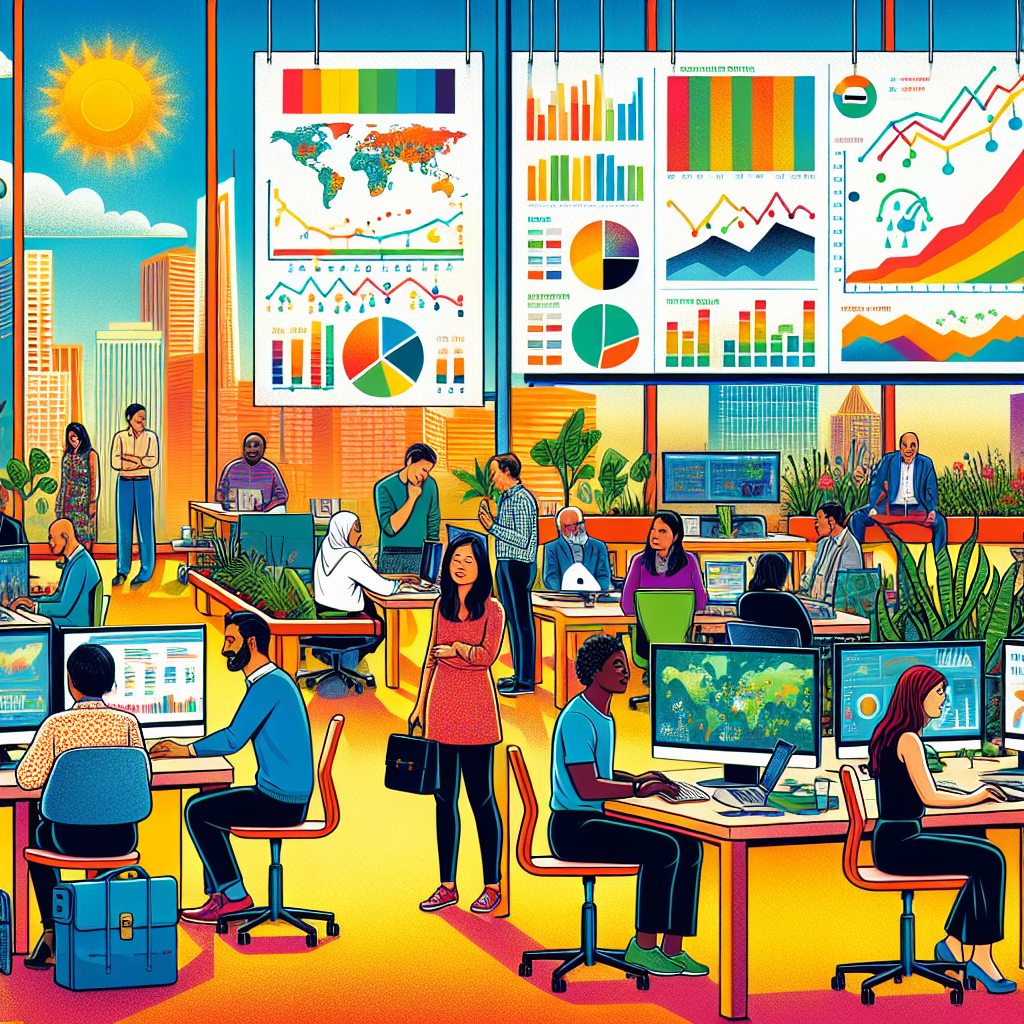
In recent years, Silicon Valley has emerged not only as a major technological hub but also as a key player in addressing climate change. The convergence of technology and environmental science is creating a new frontier: climate data analysis. As the effects of climate change become more pronounced, the need for precise, actionable data is paramount. Innovators and entrepreneurs in Silicon Valley are taking on the challenge of providing robust solutions to analyze climate data, leading the way for more informed decision-making and sustainable practices around the world.
Emergence of Climate Tech Startups
The journey of climate tech startups in Silicon Valley began with a realization: the need for accurate climate data is not just important but critical. Early-stage companies recognized a gap in the market for advanced data analysis tools that can predict, interpret, and provide insights into climate trends. Many aspiring entrepreneurs started working at the intersection of tech and environmental science, using their skills in data analytics, machine learning, and artificial intelligence to create innovative solutions. Backed by venture capital and driven by a mission to address global challenges, these startups are now setting new standards in climate data analysis.
Advancements in Data Collection Techniques
One of the primary reasons Silicon Valley startups are excelling in climate data analysis is their ability to harness cutting-edge technology for data collection. Traditional methods of data collection, such as weather stations and satellite images, have their limitations. However, new advancements are filling these gaps. Drones, IoT sensors, and remote sensing technologies provide real-time, high-resolution data, enhancing the accuracy and granularity of climate analysis. Startups are deploying fleets of weather drones equipped with sophisticated sensors to monitor atmospheric conditions, soil moisture levels, and greenhouse gas emissions. These data points are crucial for creating detailed climate models and informing policy decisions.
Machine Learning and AI in Climate Prediction
Machine learning and artificial intelligence (AI) are revolutionizing the field of climate data analysis. Startups in Silicon Valley are leveraging these technologies to create predictive models that can forecast climate trends with unprecedented accuracy. By analyzing vast datasets from various sources, machine learning algorithms can identify patterns and correlations that would be impossible for humans to discern. These insights are used to predict extreme weather events, track climate change progress, and assess the potential impact on different ecosystems. AI-powered tools also help in optimizing resource management, enhancing conservation efforts, and developing sustainable practices.

The Role of Big Data in Climate Science
Big data plays a crucial role in understanding and addressing climate change. The sheer volume of climate-related data available today is staggering, encompassing everything from atmospheric temperatures and ocean currents to forest cover and urban air quality. Silicon Valley startups are experts at handling big data, employing sophisticated algorithms to process and analyze this information. By integrating data from multiple sources—including satellite imagery, sensor networks, and historical weather records—these startups provide comprehensive insights that aid in understanding both local and global climate phenomena. This holistic approach is vital for creating effective climate strategies and interventions.
Collaborations and Partnerships
Another factor contributing to the success of Silicon Valley startups in climate data analysis is their ability to form strategic collaborations and partnerships. Recognizing that climate change is a complex, multifaceted issue, these startups often partner with academic institutions, government agencies, non-profit organizations, and other tech companies. These collaborations facilitate the sharing of knowledge, resources, and data, leading to more robust and comprehensive climate solutions. By working together, stakeholders can leverage each other’s strengths and expertise, creating a synergistic effect that drives innovation and progress.
Real-world Applications and Impact
The innovations in climate data analysis developed by Silicon Valley startups have far-reaching applications and tangible impacts. In agriculture, farmers use data-driven insights to optimize irrigation, reduce fertilizer use, and enhance crop yields. Urban planners rely on climate data to design resilient cities, mitigating the impacts of heatwaves, floods, and other extreme weather events. Conservationists use predictive models to protect endangered species and manage natural resources more effectively. In the corporate world, businesses leverage climate data to reduce their carbon footprint, improve sustainability practices, and meet regulatory requirements. The practical applications of climate data analysis are diverse and transformative, driving positive change across various sectors.
Conclusion
Silicon Valley startups are at the forefront of a burgeoning field that combines technological innovation with environmental stewardship. By tackling the complex challenge of climate data analysis, these ventures are providing essential tools and insights that are crucial for addressing the global climate crisis. From advanced data collection techniques and machine learning applications to big data analytics and strategic partnerships, these startups are leveraging the best of Silicon Valley’s capabilities to create a more sustainable future. As the world continues to grapple with the repercussions of climate change, the pioneering efforts of these companies offer hope and demonstrate the power of technology in driving meaningful, lasting change.