Silicon Valley is synonymous with groundbreaking technological innovations and startups that have shaped modern reality. Located in the southern part of the San Francisco Bay Area, this tech haven has a storied history of developments that consistently challenge the status quo and redefine how we interact with the world around us. One such groundbreaking innovation is Augmented Reality (AR), a technology that overlays digital information onto the real world, enhancing the user’s perception of reality.
From its initial conceptualization to its current applications, AR has sparked a revolution in various industries, including gaming, retail, healthcare, and education. This technology has the power to transform our everyday experiences by merging the virtual and physical worlds in ways previously unimaginable. Silicon Valley, with its abundance of resources and a culture of innovation, has become the epicenter of AR development, hosting a plethora of startups and tech giants eager to harness AR’s potential.
The rise of AR in Silicon Valley can be attributed to a combination of factors, including advances in computing power, the proliferation of smartphones, and the growing trend towards immersive technologies. As a result, AR has evolved from a niche technology into a mainstream phenomenon with applications that extend far beyond entertainment. This article explores the impact of AR on Silicon Valley, highlighting key innovations, startups, and the future trajectory of this transformative technology.
The Early Days of AR: Laying the Foundations
Augmented Reality is not a novel concept. Its roots can be traced back to the 1960s when computer scientist Ivan Sutherland created the first head-mounted display system, known as the “Sword of Damocles.” Throughout the following decades, AR advancements were sporadic, largely confined to military and industrial applications due to the high cost and complexity of the required hardware.
The real turning point for AR came with the advent of smartphones. Equipped with cameras, GPS, and robust computing capabilities, smartphones provided a perfect platform for AR applications. The launch of Apple’s ARKit in 2017 and Google’s ARCore shortly afterward democratized AR development, enabling developers to create immersive experiences that utilized existing mobile hardware.
Consequently, the early days of mobile AR saw a surge in applications—remember the Pokémon Go craze? This AR-based mobile game captured the imaginations of millions worldwide, signaling the immense potential of AR technology. While gaming was the most visible early adopter, other industries soon recognized the value of AR, leading to a wave of innovation and investment in the technology.
Silicon Valley’s Key Players in AR
Several tech giants have established themselves as key players in the AR landscape, leveraging Silicon Valley’s unique ecosystem to foster innovation. Among the most notable is Apple. The tech behemoth has been heavily invested in AR for years, integrating AR functionalities into its iOS ecosystem through ARKit. Apple’s commitment to AR is further underscored by the rumored development of AR glasses, which could redefine consumer interactions with digital content.
Google is another significant contributor. Its ARCore platform has empowered developers to create groundbreaking applications, from interactive museum tours to realistic home furnishing simulations. Google Glass, despite its initial setback, marked an early attempt to popularize AR wearables, and the company continues to explore AR’s vast potential.
Other notable mentions include Facebook, which has invested heavily in AR through acquisitions and its Spark AR platform, enabling creators to build and share AR experiences on social media. Furthermore, Microsoft’s HoloLens, a mixed reality headset, stands as a testament to the enterprise potential of AR, being adopted in industries ranging from healthcare to manufacturing.
Startups Revolutionizing AR
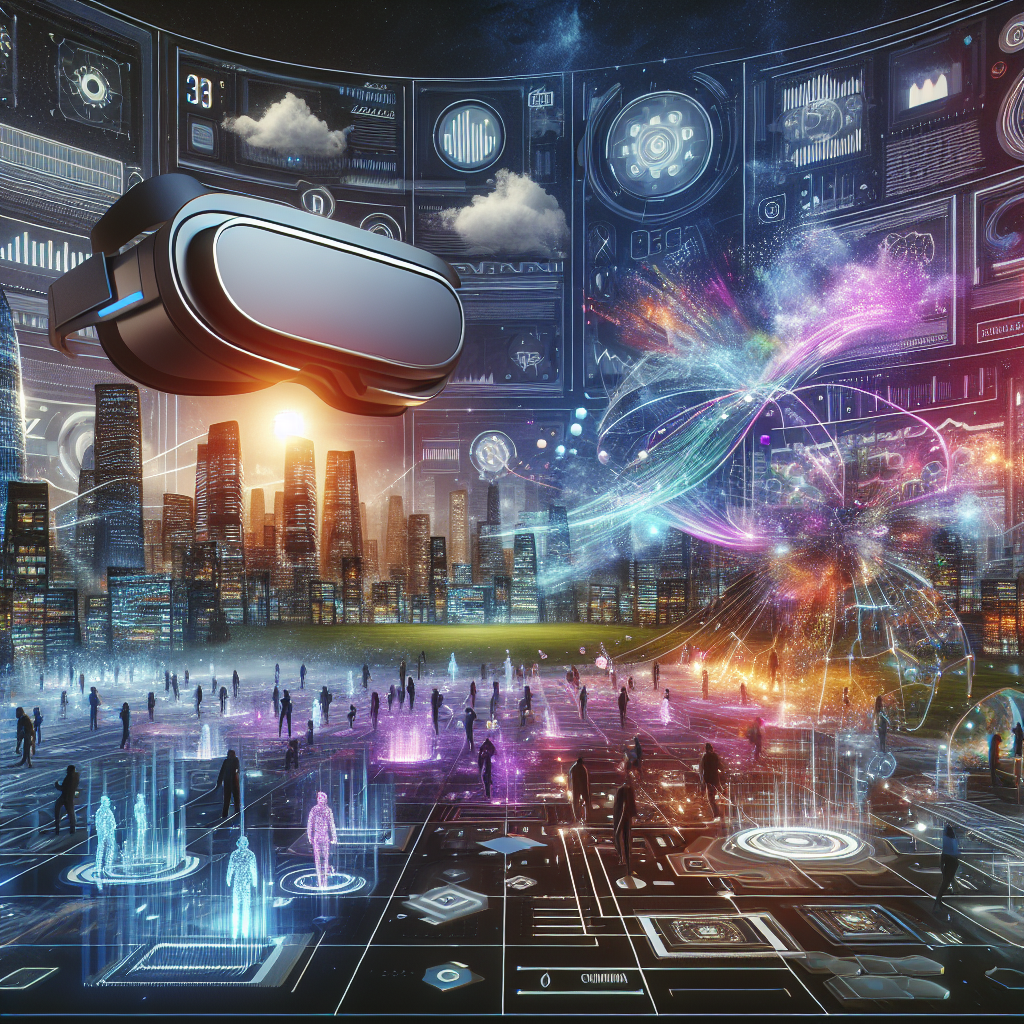
Beyond the tech giants, numerous startups in Silicon Valley are pushing the boundaries of what AR can achieve. Magic Leap, for example, has made headlines with its ambitious vision of a spatial computing future, despite facing financial challenges. Their AR glasses, though met with mixed reviews, showcase the potential of AR in blending digital and physical worlds seamlessly.
Niantic, the creator of Pokémon Go, remains a dominant force in the mobile AR space. Leveraging its Real World Platform, Niantic continues to innovate, developing new experiences that combine AR, artificial intelligence, and geospatial technologies.
Additionally, smaller startups like 6D.ai are working on solving critical challenges in AR development, such as spatial mapping and object recognition. 6D.ai’s technology allows for rapid environment scanning and interaction with 3D objects in real-time, making AR applications more immersive and practical.
Innovative Applications of AR
The versatility of AR extends across various sectors, revolutionizing the way industries operate and consumers interact with technology. In retail, AR is enhancing the shopping experience. Apps like IKEA Place allow users to visualize how furniture fits and looks in their home before making a purchase, reducing the guesswork and increasing consumer confidence.
Healthcare has also benefited from AR innovations. Surgeons use AR displays to overlay critical information during operations, improving precision and outcomes. Training and education are seeing significant transformations as well, with AR enabling more interactive and immersive learning experiences.
In the entertainment sector, AR has opened new dimensions for storytelling and gaming. Interactive experiences that respond to real-world actions offer more dynamic and engaging forms of media consumption. Museums and historical sites, for example, use AR to bring exhibits to life, enriching visitor engagement and understanding.
Challenges and Future Prospects
Despite its promising potential, AR technology faces several challenges. User adoption and device comfort remain significant hurdles. Early AR glasses were often bulky and uncomfortable, and widespread acceptance will depend on more refined and stylish hardware.
Privacy concerns are another critical issue, as AR experiences often rely on extensive data collection, including location and camera access. Ensuring user data protection and building trust will be crucial for broader AR adoption.
Looking forward, the future of AR appears bright. As hardware continues to evolve, becoming more lightweight and powerful, and as software solutions advance, AR applications will only grow more sophisticated. The integration of AR with other emerging technologies like artificial intelligence and the Internet of Things (IoT) will open up even more exciting possibilities.
Conclusion
Silicon Valley remains at the heart of the AR revolution, driving innovation and transforming ideas into reality. The confluence of talent, investment, and a culture of experimentation has positioned this region as the nexus for AR advancements that are reshaping industries and enhancing everyday experiences.
From tech giants like Apple and Google to pioneering startups like Niantic and Magic Leap, the contributions of Silicon Valley to the AR ecosystem are invaluable. The region’s relentless pursuit of innovation ensures that AR will continue to evolve, bringing us closer to a future where the digital and physical worlds are seamlessly intertwined.
As we look ahead, the potential for AR to revolutionize how we interact with our environment is boundless. Whether through more immersive shopping experiences, advanced medical procedures, or entirely new forms of entertainment and education, AR is poised to be a game-changer on an unprecedented scale. Silicon Valley will undoubtedly be at the forefront of this exciting journey, nurturing the next wave of AR innovations that will redefine our world.