Silicon Valley’s travel industry is being reshaped by emerging technologies that change how trips are planned, booked, experienced, and managed. In this context, the travel industry includes airlines, hotels, short-term rentals, ground transportation, corporate travel platforms, destination services, and the software infrastructure behind them. Emerging technologies refers to practical applications of artificial intelligence, automation, connected devices, climate technology, digital identity, fintech, and immersive computing that are moving from pilot programs into daily operations. This matters because travel has high complexity, thin margins, and constant operational volatility. A small improvement in forecasting, customer service, or payments can create outsized gains in revenue, loyalty, and resilience.
Working with travel and hospitality product teams, I have seen a consistent pattern: the winners are not the companies with the flashiest demos, but the ones that deploy technology against painful bottlenecks. Travelers want faster search, transparent pricing, safer journeys, and more personalized support. Operators want lower acquisition costs, better fleet and staff utilization, fewer fraud losses, and stronger compliance. Silicon Valley startups and established platforms are building tools for exactly these problems. The result is a regional innovation engine influencing global travel behavior, from airport operations and hotel distribution to business travel approvals and trip protection products.
As a hub for advancements and startup success, this article maps the technologies driving change and explains where they are delivering real value. It also highlights the tradeoffs. Not every automation project reduces costs. Not every personalization engine improves conversion. Regulation, data quality, and customer trust still determine whether a promising tool becomes a scalable business advantage.
Artificial intelligence is modernizing travel search, pricing, and service
Artificial intelligence has become the central operating layer for many Silicon Valley travel companies. In plain terms, AI systems ingest large volumes of behavior, inventory, and market data, then produce decisions or recommendations faster than human teams can. In travel, the strongest use cases are search ranking, dynamic pricing, demand forecasting, customer support, fraud detection, and itinerary generation. Companies such as Google have raised traveler expectations by making flight and hotel search more predictive, while startups are using large language models to deliver conversational trip planning that feels closer to speaking with an experienced agent.
The reason AI matters so much in travel is the number of variables involved in every purchase. Airline fares shift constantly. Hotel availability changes by room type, channel, and cancellation policy. Ground transportation demand depends on weather, events, and flight delays. Traditional rules-based systems struggle to process this complexity in real time. Machine learning models can evaluate historical booking curves, competitor pricing, route seasonality, and user intent simultaneously. Revenue management teams at airlines have used forecasting for years, but Silicon Valley firms are making similar techniques accessible to hotels, vacation rentals, and online travel agencies through cloud software and API-first products.
Customer service is another major area of advancement. Generative AI can answer common questions about baggage, refunds, rebooking, check-in times, loyalty programs, and visa basics instantly, which reduces support load and improves response speed. The best implementations do not simply generate free-form answers. They are connected to knowledge bases, reservation systems, and policy engines so the output is grounded in actual operational data. When I have audited these deployments, accuracy rose dramatically when teams limited the model to verified content and escalated complex edge cases to human agents. That hybrid design is what separates startup success from costly experimentation.
Travel startups are winning by fixing fragmented workflows
Silicon Valley’s most successful travel startups rarely try to replace the entire travel stack. Instead, they target one fragmented workflow and improve it enough to become indispensable. Corporate travel is a clear example. Booking, expense management, policy compliance, duty of care, and finance reconciliation traditionally sit across separate tools. Startups have built unified platforms that connect booking with approvals, card issuance, receipt capture, and real-time reporting. The business case is straightforward: finance leaders gain tighter controls, employees spend less time on admin, and travel managers can react faster during disruptions.
Startup success in this market usually comes from integration discipline. Travel data originates in global distribution systems, direct supplier APIs, card networks, tax engines, and HR systems. Founders who understand this complexity build products with strong middleware, robust identity controls, and reliable synchronization. Those who underestimate the data plumbing often stall after early adoption. I have seen promising products fail not because the interface was weak, but because itinerary changes did not propagate cleanly into expense workflows or refund data arrived in inconsistent formats.
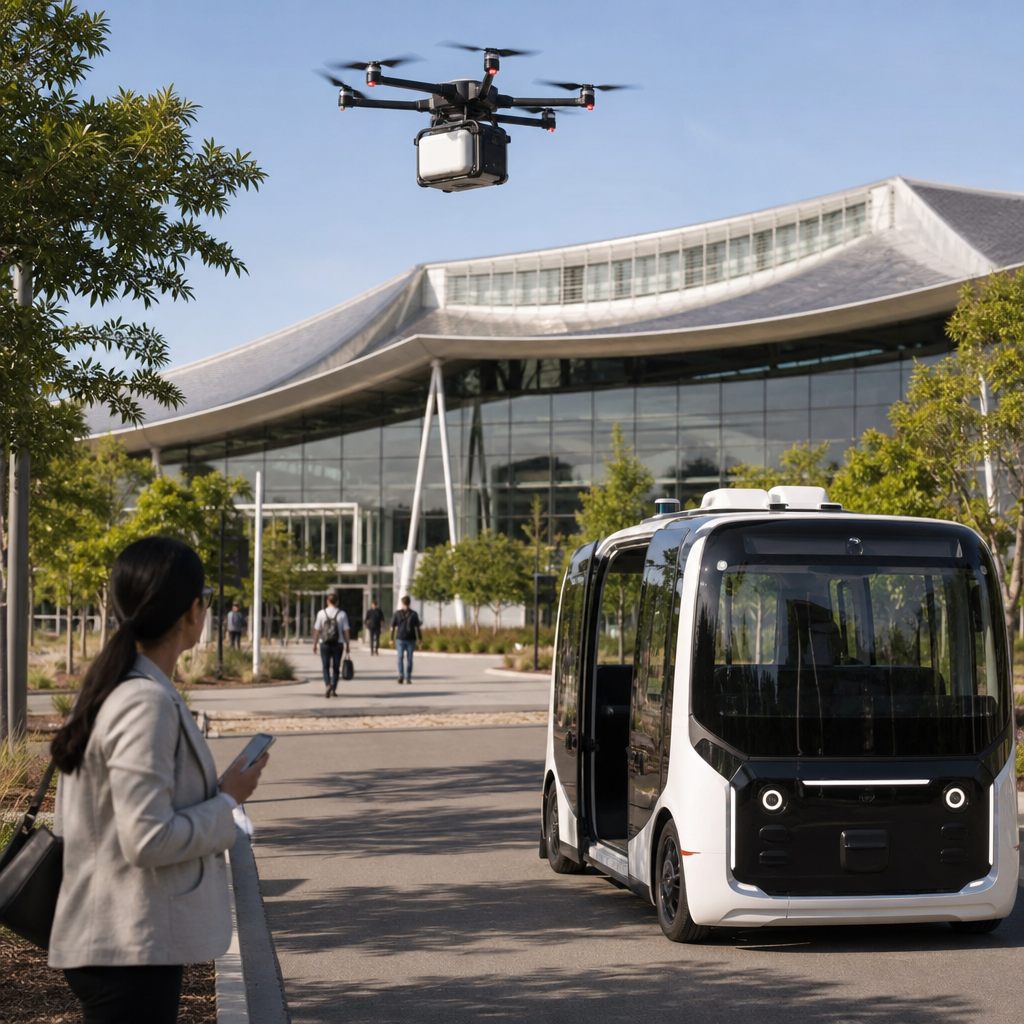
Another strong category is vertical software for hotels and alternative accommodations. Property operators increasingly use cloud-based systems for channel management, guest messaging, smart locks, housekeeping optimization, and upsell automation. Startups that reduce manual coordination can materially lift margins, especially for independent properties that lack enterprise IT teams. Meanwhile, airport and mobility startups are focusing on queuing, curb management, autonomous shuttles, and asset visibility. The common thread is operational friction. In Silicon Valley, travel innovation succeeds when it makes a chaotic process legible, measurable, and automatable.
Key technologies, leading use cases, and practical impact
Different technologies solve different layers of the travel journey. The strongest operators match the tool to the constraint rather than forcing a fashionable solution into the wrong problem. The table below summarizes the technologies currently producing the clearest commercial impact across Silicon Valley’s travel ecosystem.
| Technology | Primary travel use case | Practical example | Main benefit |
|---|---|---|---|
| Generative AI | Trip planning and customer support | Conversational assistants that explain fare rules and build itineraries | Faster service and higher conversion |
| Machine learning | Forecasting and pricing | Demand models adjusting hotel rates by event patterns and booking pace | Better revenue management |
| Computer vision | Airport and hotel operations | Queue monitoring for security lines or automated damage detection in rentals | Lower delays and labor savings |
| Digital identity | Check-in and border processes | Biometric boarding linked to verified traveler credentials | Reduced friction and stronger security |
| Internet of Things | Connected rooms and asset tracking | Smart thermostats, occupancy sensors, and tagged baggage carts | Efficiency and guest comfort |
| Climate tech | Emissions tracking and energy optimization | Software measuring trip emissions and building-level energy use | Compliance and cost control |
| Fintech | Payments, refunds, and fraud prevention | Virtual cards for corporate travel and automated chargeback controls | Cash-flow protection |
Digital identity deserves special attention because it connects convenience with security. Programs using biometrics for airport processing can shorten check-in and boarding times while reducing document handling. However, the systems only work at scale when they are built around explicit consent, secure storage, and compliance with privacy requirements. The same principle applies to connected hotel rooms and mobile keys. Guests appreciate convenience, but trust erodes quickly if device data is collected without clear purpose or controls.
Climate technology is also becoming core infrastructure rather than a branding exercise. Large corporate buyers increasingly ask for trip emissions data, sustainable aviation fuel options, and reporting aligned with greenhouse gas accounting frameworks. Silicon Valley startups are responding with software that estimates route-level emissions, optimizes travel policies, and tracks supplier sustainability metrics. The best tools acknowledge uncertainty ranges instead of presenting false precision, especially for aviation calculations where methodology varies.
Why startup success depends on trust, regulation, and measurable outcomes
Advancements alone do not create durable companies. In travel, startup success depends on whether a product can earn trust across consumers, suppliers, regulators, and enterprise buyers. Privacy is central. A travel platform may process passport details, payment credentials, location history, dietary preferences, and corporate policy data. That makes security controls, data minimization, and transparent consent flows nonnegotiable. Standards such as SOC 2, PCI DSS, and GDPR-aligned practices are often decisive in enterprise sales, even for early-stage firms.
Regulation also shapes adoption. Biometric identity systems face strict scrutiny. Short-term rental tools must adapt to city-level rules. Fintech products handling cross-border travel payments must address anti-money-laundering requirements, chargeback processes, and local licensing questions. Founders who treat compliance as a product input rather than a legal afterthought typically scale faster because they avoid redesigns and procurement delays. In my experience, the strongest teams bring legal, security, and operations leaders into roadmap decisions early.
Measurable outcomes matter just as much. Travel companies buy technology to improve a metric: direct booking share, support resolution time, ancillary revenue, occupancy, average daily rate, fraud loss, or traveler satisfaction. Startups that cannot prove impact struggle when budgets tighten. The most credible vendors run disciplined pilots with control groups, clear baselines, and post-launch reviews. If an AI assistant reduces average handle time by 22 percent without lowering customer satisfaction, buyers remember that. If a pricing engine lifts revenue per available room during shoulder season, renewals become easier. Concrete results, not broad innovation claims, are what sustain momentum in Silicon Valley’s travel market.
What this hub means for the future of tech innovations and startups
The next phase of emerging technologies in Silicon Valley’s travel industry will be defined by orchestration. Search, booking, payments, service, loyalty, and sustainability tools will increasingly work as connected systems instead of isolated apps. Companies that unify data across these touchpoints will make better decisions and deliver smoother experiences. The strategic opportunity is not just to automate tasks, but to create travel platforms that adapt continuously to traveler intent and operational reality.
For founders, the lesson is clear: start with a painful workflow, prove economic value quickly, and build trust as aggressively as features. For operators, the priority is to adopt technology with clear governance, strong integrations, and measurable business cases. For readers exploring the wider Tech Innovations & Startups landscape, this hub is the foundation. Use it to evaluate AI planning tools, fintech products, mobility platforms, climate reporting systems, and hospitality software with a practical lens.
Silicon Valley will continue to influence global travel because it excels at turning messy service problems into scalable software. The biggest advancements will come from companies that combine technical depth with operational realism. Follow the subtopics linked from this hub, compare tools against your actual constraints, and invest where technology solves a real travel problem better than the old process.
Frequently Asked Questions
1. How is artificial intelligence changing the way Silicon Valley travel companies plan and book trips?
Artificial intelligence is reshaping nearly every step of the travel planning and booking process in Silicon Valley’s travel industry. Instead of relying only on static search filters and fixed pricing tables, travel platforms now use AI to interpret traveler intent, compare large volumes of inventory in real time, and surface more relevant options faster. For example, an AI-powered booking engine can analyze a traveler’s preferred flight times, budget range, loyalty memberships, past hotel choices, cancellation preferences, and even whether the trip is for business or leisure. It can then recommend a combination of flights, hotels, rental cars, airport transfers, and destination services that better match the traveler’s priorities.
AI is also improving personalization at scale. Airlines, hotels, and corporate travel platforms are using machine learning models to predict which offers are most likely to convert, when travelers are most price-sensitive, and what type of ancillary products they may want, such as seat upgrades, lounge access, travel insurance, or late checkout. This creates a more responsive customer experience while helping travel companies increase revenue through smarter merchandising. In corporate travel, AI tools can automatically suggest policy-compliant itineraries, identify lower-cost alternatives, and help employees rebook trips when disruptions occur.
Another major shift is the rise of conversational interfaces. Travelers increasingly interact with AI assistants through chat, voice, or embedded help tools rather than navigating complicated booking workflows. These systems can answer destination questions, explain fare rules, summarize visa requirements, and guide users through changes or cancellations. In practical terms, AI makes trip planning less fragmented, more predictive, and more efficient. Silicon Valley companies are particularly influential here because they are combining software infrastructure, data engineering, and product design to make travel booking feel more like an intelligent digital service than a traditional transaction.
2. What role do automation and connected technologies play in the traveler experience?
Automation and connected technologies are becoming central to how travel is delivered, both behind the scenes and directly in the customer journey. In airports, hotels, and ground transportation networks, automation reduces manual friction and speeds up common tasks such as check-in, identity verification, baggage handling, room access, dispatching, and service recovery. For travelers, this often shows up as mobile boarding passes, self-service kiosks, app-based hotel check-in, digital room keys, automated customer support, and real-time alerts when plans change.
Connected devices, including sensors, smartphones, in-room systems, vehicle telematics, and Internet of Things infrastructure, add another layer of visibility and convenience. In hotels, connected technology can support smart room controls for lighting, temperature, entertainment, and energy use. In fleet and ground transportation operations, connected systems help monitor vehicle location, traffic conditions, maintenance needs, and route efficiency. For short-term rentals and destination services, smart locks, occupancy sensors, and automated communications can streamline arrivals, improve security, and simplify host operations.
These technologies also help travel companies operate more efficiently. Airlines can use automation to optimize crew scheduling, aircraft turnaround processes, and disruption management. Hotels can automate housekeeping workflows and maintenance alerts. Corporate travel platforms can automatically capture expenses, verify receipts, and reconcile bookings with company policies. The result is not just convenience but operational resilience. In a travel environment where delays, staffing shortages, and customer expectations all create pressure, automation and connected systems help companies respond faster, reduce costs, and deliver a more consistent experience across multiple touchpoints.
3. Why are digital identity and biometric tools becoming important in Silicon Valley’s travel sector?
Digital identity and biometric technologies are gaining importance because they address one of travel’s biggest pain points: repeated verification across fragmented systems. Travelers often have to confirm who they are at multiple stages, including booking, airport security, boarding, hotel check-in, car rental pickup, and corporate expense validation. Digital identity tools aim to make those steps more secure, seamless, and interoperable by allowing trusted identity credentials to be shared in a controlled way across travel providers and platforms.
Biometric systems, such as facial recognition or fingerprint-based authentication, can reduce wait times and streamline access when implemented with proper safeguards. At airports, biometrics may be used for bag drop, security checkpoints, lounge entry, and boarding. At hotels and rentals, digital identity verification can support fraud prevention, contactless check-in, and secure key issuance. In business travel, identity-linked systems can help companies confirm traveler eligibility, enforce compliance, and connect itineraries, approvals, and payments more accurately.
For Silicon Valley companies, the appeal is not just speed but trust architecture. Digital identity can help reduce account fraud, fake listings, payment abuse, and onboarding friction across complex travel ecosystems. At the same time, adoption depends heavily on privacy protections, consent, data minimization, and regulatory compliance. Travelers and companies alike want solutions that are easy to use without creating unnecessary surveillance or data exposure risks. That balance is why the most promising digital identity technologies in travel are focused on secure verification, selective data sharing, and practical interoperability rather than simply collecting more personal information.
4. How is climate technology influencing innovation in the travel industry?
Climate technology is becoming a significant force in Silicon Valley’s travel industry because travelers, businesses, and regulators increasingly expect more measurable progress on sustainability. In practical terms, climate tech in travel goes far beyond marketing claims. It includes software and hardware tools that help airlines, hotels, transportation providers, and travel platforms measure emissions, improve energy efficiency, reduce waste, optimize resource use, and present better environmental data to customers and corporate buyers.
For airlines and transportation networks, climate-focused technologies can support route optimization, fuel efficiency analysis, predictive maintenance, and better coordination that reduces idle time and operational waste. In hotels and short-term rentals, smart building systems can monitor energy consumption, water usage, occupancy patterns, and heating or cooling needs. This allows operators to lower costs while reducing their environmental footprint. For corporate travel platforms, emissions tracking is especially important because companies increasingly want to understand the carbon impact of employee travel and compare options using more transparent sustainability metrics.
Climate tech is also influencing traveler decision-making. Booking platforms may display estimated emissions per itinerary, identify lower-impact transportation options, or help users compare sustainability features across accommodations. However, one of the most important developments is better measurement quality. Rather than relying on vague labels, more travel companies are investing in data infrastructure that can support auditable reporting and more credible sustainability claims. In Silicon Valley, where software-led business models are common, this creates opportunities for startups and established firms to build tools that connect climate intelligence directly into booking workflows, operations, procurement, and traveler communications.
5. What emerging technologies are likely to have the biggest long-term impact on Silicon Valley’s travel infrastructure?
The biggest long-term impact will likely come not from a single breakthrough but from the convergence of several technologies that modernize travel infrastructure end to end. Artificial intelligence, automation, digital identity, connected devices, climate technology, and advanced data platforms all reinforce one another. Together, they can improve forecasting, reduce operational bottlenecks, strengthen trust, and create more adaptive travel systems. In Silicon Valley’s travel ecosystem, this matters because the industry depends on multiple independent players, from airlines and hotels to payment providers, mobility services, and corporate software vendors, all of which need better coordination and real-time data exchange.
One especially important area is infrastructure software. Much of travel still runs on legacy systems that were not designed for today’s expectations around personalization, instant updates, self-service changes, and dynamic inventory management. New cloud-based platforms, APIs, and orchestration layers are making it easier for companies to connect pricing, availability, identity, payments, customer service, and sustainability data in more flexible ways. This foundational modernization may be less visible to travelers than a chatbot or biometric gate, but it can have a much larger long-term effect on reliability and innovation.
Looking ahead, the companies that benefit most will be the ones that treat emerging technology as an integrated capability rather than a collection of isolated features. Travelers are likely to see faster booking, smarter recommendations, fewer repetitive steps, and more responsive support during disruptions. Businesses are likely to gain better analytics, stronger compliance, lower operating costs, and improved resilience. In that sense, the future of Silicon Valley’s travel industry will be shaped as much by interoperable digital infrastructure and practical execution as by headline-grabbing inventions. The technologies with the greatest staying power will be those that solve real operational problems while making travel more efficient, transparent, and user-friendly.