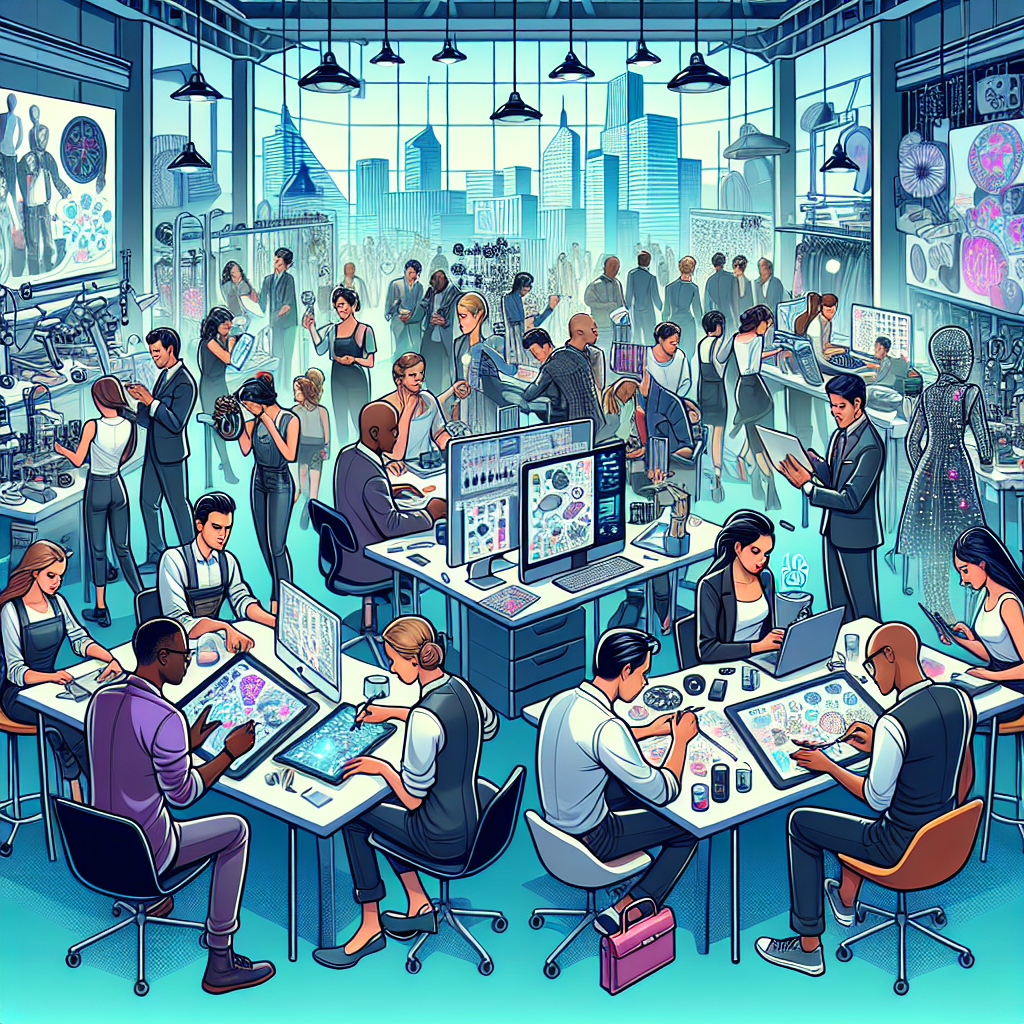
Silicon Valley, widely renowned as the epicenter of technological innovation, has set its sights on the fashion industry. This synergy between style and tech, commonly referred to as fashion tech, represents a burgeoning frontier where creativity and functionality intersect. From smart textiles to virtual shopping experiences, Silicon Valley’s integration into fashion is not just revolutionary but also transformative. The following article delves deep into the stylish innovations reshaped by tech startups in the heart of Silicon Valley, presenting a future where clothing not only looks good but also enhances our lives.
Fashion tech isn’t merely a buzzword; it represents a seismic shift in how we perceive and interact with clothing. The convergence of technology and fashion involves utilizing advanced fabrics, incorporating wearable technology, and embedding AI to create more personalized consumer experiences. Tech-forward thinkers and designers are collaborating to push the boundaries of design, making garments that are smart, sustainable, and infinitely cool. Imagine wearing a jacket that charges your devices or a dress that adjusts its color based on your mood. Such is the promise of fashion tech, and Silicon Valley is at the forefront of this stylish revolution.
Smart Fabrics: The Foundation of Fashion Tech
Smart fabrics play a pivotal role in catalyzing the fashion tech movement. These advanced textiles are designed to perform specialized functions, including monitoring physical conditions or enhancing user comfort. One notable Silicon Valley startup, Google’s Project Jacquard, has pioneered textiles integrated with conductive threads to create interactive clothing. For instance, by simply swiping your sleeve, you can answer phone calls or control music playback, merging utility with style seamlessly.
The integration of sensors and responsive fabrics also opens new doors for health monitoring. Companies are developing garments that can track vital signs, muscle activity, and even detect illnesses like arrhythmia. By incorporating these smart fabrics, fashion tech extends beyond aesthetics, providing practical benefits that enhance our daily lives. Moreover, with the steady rise in wearables, the market is ripe for fashion tech innovations that go beyond the superficial, truly embodying the fusion of function and form.
AR and VR: Redefining Shopping Experiences
Augmented Reality (AR) and Virtual Reality (VR) have revolutionized the retail sector, transforming how consumers interact with products. Silicon Valley startups are developing AR fittings rooms and VR shopping environments to provide immersive shopping experiences. Companies like Obsess and Zeekit allow customers to virtually try on clothes, seeing how different styles and sizes fit their body shapes without stepping into a physical store.
This digital fitting room concept is particularly beneficial in reducing the trial and error traditionally associated with online shopping. By leveraging AR and VR, fashion tech ensures a more personalized shopping experience, minimizing returns and increasing customer satisfaction. It also allows retailers to create engaging and interactive environments, significantly enhancing the consumer journey. With more consumers gravitating towards online shopping, the incorporation of AR and VR is not just innovative; it’s indispensable for the future of fashion retail.

Artificial Intelligence: Crafting Personalized Fashion
Artificial Intelligence (AI) is another frontier where Silicon Valley is making significant strides in fashion tech. By analyzing vast amounts of data, AI can predict fashion trends, recommend styles, and personalize consumer experiences. Companies like Stitch Fix leverage AI algorithms to curate custom fashion boxes, tailoring selections based on individual preferences and past behavior.
AI also empowers designers by providing insights into emerging trends and consumer preferences, allowing them to stay ahead of the curve. For instance, AI-driven platforms can analyze social media trends, fashion publications, and consumer purchasing patterns to forecast what will be in style next season. This technology not only streamlines the design process but also reduces waste by enabling more accurate production runs, aligning supply with demand more precisely. As AI continues to innovate, it’s poised to become an integral part of the fashion industry’s fabric, shaping personalized and sustainable fashion futures.
Wearable Technology: The Next Step in Fashion Evolution
Wearable technology is perhaps the most recognizable aspect of fashion tech, with innovations extending far beyond smartwatches. From fitness trackers to smart jewelry, Silicon Valley startups are pushing the boundaries of what wearables can do. Companies like Oura and Whoop have developed wearables that provide deep insights into health and performance metrics, helping users optimize their wellbeing.
However, the future of wearable technology aims to be even more integrated and unobtrusive. Smart garments, equipped with sensors and connectivity, promise to make wearable tech a natural extension of our daily attire. Imagine athletic wear that monitors your workouts in real-time, providing feedback to enhance performance. Or, consider apparel that adapts to external conditions, such as jackets that dynamically adjust their insulation based on the weather. The possibilities are endless, and as tech becomes further embedded in fashion, the distinction between the two will continue to blur, creating a new paradigm of connected clothing.
Sustainable Fashion: Tech’s Role in Environmental Conservation
In the wake of growing environmental concerns, sustainable fashion is more critical than ever, and tech is playing a crucial role in this shift. Silicon Valley startups are pioneering new ways to make the fashion industry more sustainable, from eco-friendly materials to innovative manufacturing processes. One standout innovation is the creation of biodegradable fabrics, reducing the environmental impact of discarded clothing.
Machine learning and AI are helping brands reduce waste by optimizing production and supply chain management. For example, predictive analytics can forecast demand with greater accuracy, ensuring that brands produce only what will sell, thus minimizing overproduction. Additionally, blockchain technology offers unparalleled transparency, allowing consumers to trace the origins of their garments, ensuring ethical practices and sustainability. Silicon Valley’s commitment to environmental stewardship through tech innovations is not just a trend but a necessary evolution toward a more responsible fashion industry.
Conclusion
The fusion of fashion and technology, prominently led by the innovation hub of Silicon Valley, is shaping a future where style meets functionality in unprecedented ways. From smart fabrics and wearable technology to AI-driven personalization and sustainable practices, fashion tech is redefining how we interact with our clothes. This synergy not only enhances the aesthetic appeal but also integrates practical benefits, making fashion an integral part of our connected lives.
As we move forward, the convergence of fashion and technology will continue to break new ground, driving innovations that were once the realm of science fiction. Silicon Valley, with its relentless pursuit of technological advancement, stands at the forefront of this stylish revolution, fostering startups that will shape the garments of tomorrow. Embracing fashion tech promises a future where our attire is not only a reflection of our personal style but also a testament to human ingenuity and innovation.