Silicon Valley has long been recognized as the epicenter of technological innovation and startup culture. Famous for its culture of disruption and consistent introduction of groundbreaking technologies, this region of California has modernized many aspects of daily life, including the way people procure their food. Food delivery technology has seen a dramatic transformation in recent years, especially due to the rise of smartphone usage, better internet connectivity, and innovative business models. Entrepreneurs and investors are increasingly gravitating towards the food delivery sector, seeing it as a lucrative and impactful facet of the gig economy.
Gone are the days when food delivery was a luxury service limited to pizza or Chinese takeout. Today, a diverse array of cuisines can be delivered to your doorsteps with just a few taps on your smartphone. As consumer behavior shifts towards convenience, the demand for quick and reliable food delivery services continues to surge. Silicon Valley startups have been at the forefront, leveraging advanced technologies like artificial intelligence, machine learning, and automation to optimize operations and enhance customer experiences.
The COVID-19 pandemic has further accelerated the growth of food delivery services as lockdowns and social distancing measures forced many restaurants to pivot almost entirely to delivery and takeout services. Technology has been an important enabler, helping businesses stay afloat and meet rising consumer demand in this challenging period. This article will delve into key startups that are driving innovation in the food delivery space, analyze the technologies they employ, explore factors influencing their growth, and look at what the future holds for this dynamic industry.
Silicon Valley Startups Leading the Charge
When we talk about innovation in food delivery, several Silicon Valley startups come to mind. Companies like DoorDash, Uber Eats, and Postmates are market leaders known for their innovative approaches to solving the challenges of food delivery. DoorDash, for example, has taken a hyperlocal approach, working closely with a vast network of restaurants to offer a wide variety of options to consumers. Leveraging extensive data analytics, the company optimizes delivery routes to ensure food arrives fresh and on time.
Uber Eats, initially started as a subsidiary of the ridesharing giant Uber, has grown exponentially by combining Uber’s extensive logistics network with a superior food delivery platform. One of its standout features is real-time order tracking, which leverages GPS technology to provide customers with live updates on their orders. Postmates, another key player, differentiates itself by offering not just food, but also other essentials, thus incorporating a broader delivery ecosystem. Its user-friendly interface and customizable delivery options make it a favorite among urban consumers.
Other rising stars include Caviar, known for its high-end restaurant partnerships, and Grubhub, which has carved a niche in the competitive market through mindful collaborations with local businesses. These startups are not just limited to the United States but are expanding internationally, shaping global food delivery standards. Their relentless focus on improving customer experience, coupled with innovative technologies, has set new benchmarks in the industry.
Innovative Technologies Driving Growth
The rapid growth of food delivery startups in Silicon Valley can be largely attributed to their adoption of advanced technologies. Artificial intelligence (AI) and machine learning algorithms are widely used to predict consumer behavior, optimize delivery routes, and manage inventory effectively. These technologies help ensure that food delivery is not only fast but also cost-effective. AI-driven chatbots and customer service tools provide immediate assistance, improving overall user satisfaction.
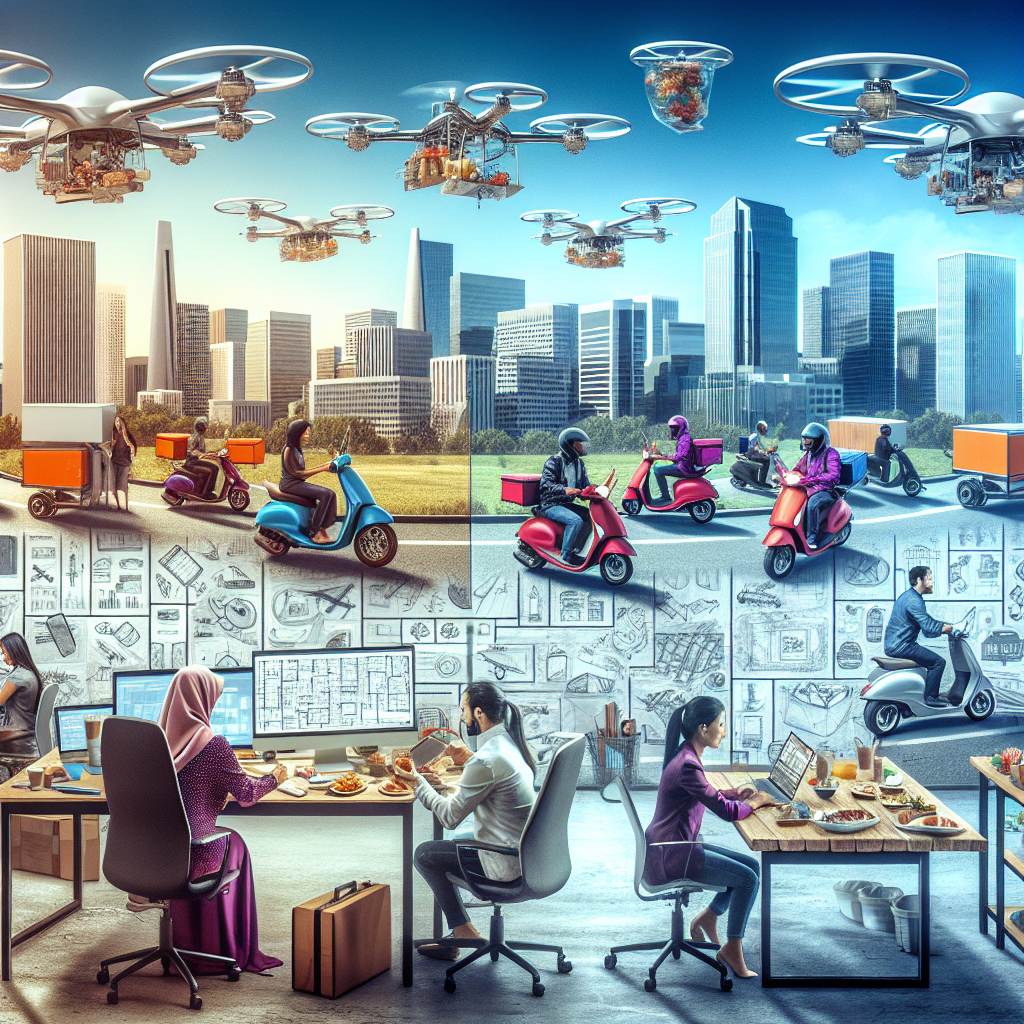
Drone delivery is another cutting-edge technology that these startups are experimenting with. While still in its nascent stages, drone delivery promises to revolutionize the industry by significantly cutting down delivery times and operational costs. Several startups are conducting pilot programs to assess the feasibility and regulatory challenges of this technology.
Blockchain technology is also making inroads into the food delivery sector, primarily for supply chain transparency and ensuring food safety. With blockchain, consumers can track the journey of their food from farm to table, instilling greater trust in the quality and origins of their meals. This transparency is particularly appealing to health-conscious consumers who prioritize organic and locally sourced ingredients.
Challenges and Opportunities
While the growth prospects for food delivery startups are promising, they are not without challenges. One of the primary hurdles is the high cost of delivery, often driven by labor expenses. Many startups are tackling this issue head-on by exploring autonomous delivery robots and drones as more cost-effective alternatives to human couriers.
Another significant challenge is ensuring food quality during delivery. Advances in packaging technology, thermal bags, and compartmentalized containers are addressing this issue, ensuring that meals remain fresh and appetizing upon arrival.
Data privacy is another pressing concern as these platforms collect vast amounts of consumer data. Robust cybersecurity measures and transparent data policies are necessary to protect sensitive consumer information and comply with legal regulations.
Despite these challenges, the industry presents numerous opportunities, particularly in untapped markets. Expanding into rural and suburban areas, where food delivery services are less prevalent, offers significant growth potential. Moreover, partnerships with local farms, specialty food producers, and eco-friendly packaging companies can further differentiate these startups, catering to a growing demographic of environmentally and socially conscious consumers.
The Role of Venture Capital and Investments
Venture capital has been a crucial driver of growth for food delivery startups in Silicon Valley. These businesses require substantial upfront investment to scale operations, develop technology, and establish a market presence. Venture capital firms, recognizing the immense potential of the food delivery sector, have been pouring significant funds into these startups.
For instance, DoorDash has raised billions in funding rounds from prominent investors such as SoftBank, Sequoia Capital, and Temasek Holdings. These investments have enabled DoorDash to expand its delivery network, enhance its technology infrastructure, and explore new verticals such as grocery delivery.
Similarly, Uber Eats has benefited from Uber’s extensive investor network and resources, while Postmates secured substantial funding from investors like Founders Fund and Spark Capital before its acquisition by Uber. These investments not only provide financial support but also offer strategic guidance and industry connections critical for growth and development.
Private equity firms and strategic corporate investors are also showing increasing interest in the food delivery space. For example, Just Eat Takeaway’s acquisition of Grubhub and Delivery Hero’s investments in various startups highlight the consolidation trend in the industry. This influx of capital and expertise is expected to drive further innovation and expansion in the food delivery sector.
Consumer Behavior and Lifestyle Changes
The lifestyle changes and evolving consumer behavior observed over the last decade have significantly influenced the growth of food delivery startups. Today’s consumers prioritize convenience, speed, and variety in their dining choices. Busy urban lifestyles, increased working hours, and the desire to enjoy restaurant-quality food at home have driven the demand for efficient and reliable food delivery services.
The rise of health-conscious eating has also created a niche market for specialty food delivery services offering organic, vegan, gluten-free, and keto-friendly options. Consumers’ willingness to pay a premium for high-quality and customized meals has spurred startups to innovate and expand their menu offerings.
Social media and food influencers play a significant role in shaping consumer preferences and driving demand for new and trendy food items. Food delivery startups leverage these platforms for targeted marketing campaigns, collaborating with influencers to reach a wider audience and boost brand visibility.
The COVID-19 pandemic has further transformed consumer behavior, with many people now accustomed to frequent online food ordering. This shift is likely to have a lasting impact, as consumers who discovered the convenience of food delivery during the pandemic continue to use these services post-lockdown. Understanding and adapting to these consumer trends are crucial for food delivery startups to remain competitive and relevant.
The Future of Food Delivery Tech
The future of food delivery tech looks incredibly promising, with continuous advancements in technology and evolving consumer expectations driving innovation. One of the key trends to watch is the rise of ghost kitchens or cloud kitchens, which operate without a traditional dine-in space. These kitchens exclusively cater to online orders, optimizing their operations for delivery efficiency. Startups like CloudKitchens and Kitchen United are leading this trend, providing shared kitchen spaces for multiple food delivery brands.
Autonomous delivery solutions, including drones and robots, are set to become more prevalent as regulatory hurdles are gradually addressed. These technologies promise to reduce delivery times and costs, offering a significant competitive advantage.
Subscription-based meal plans and personalized nutrition services are emerging trends that cater to health-conscious consumers seeking convenience. Startups that offer tailored meal plans based on individual dietary preferences and health goals can tap into this growing market segment.
Sustainability will continue to be a focal point, with startups exploring eco-friendly packaging, minimizing food waste, and partnering with local suppliers to reduce the carbon footprint. Embracing sustainable practices not only appeals to environmentally conscious consumers but also contributes to long-term profitability and brand reputation.
Conclusion
Silicon Valley’s food delivery startups are revolutionizing the way we think about convenience, technology, and dining. By leveraging cutting-edge technologies like AI, blockchain, and autonomous delivery solutions, they are setting new standards in the industry and meeting the ever-changing demands of modern consumers. Despite challenges such as high delivery costs and data privacy concerns, the relentless innovation and strategic investments in this sector promise a vibrant and dynamic future.
As consumer behaviors continue to evolve and new opportunities emerge, food delivery startups must remain agile and responsive to stay ahead of the competition. Whether through expanding into new markets, embracing sustainable practices, or offering personalized nutrition services, the potential for growth and transformation in this industry is immense.
The accelerated adoption of technology, coupled with a focus on customer experience and operational efficiency, will drive the next wave of innovation in the food delivery sector. As we look to the future, it is evident that Silicon Valley’s food delivery startups are not just reshaping the food industry; they are redefining the way we live and eat in the modern world.