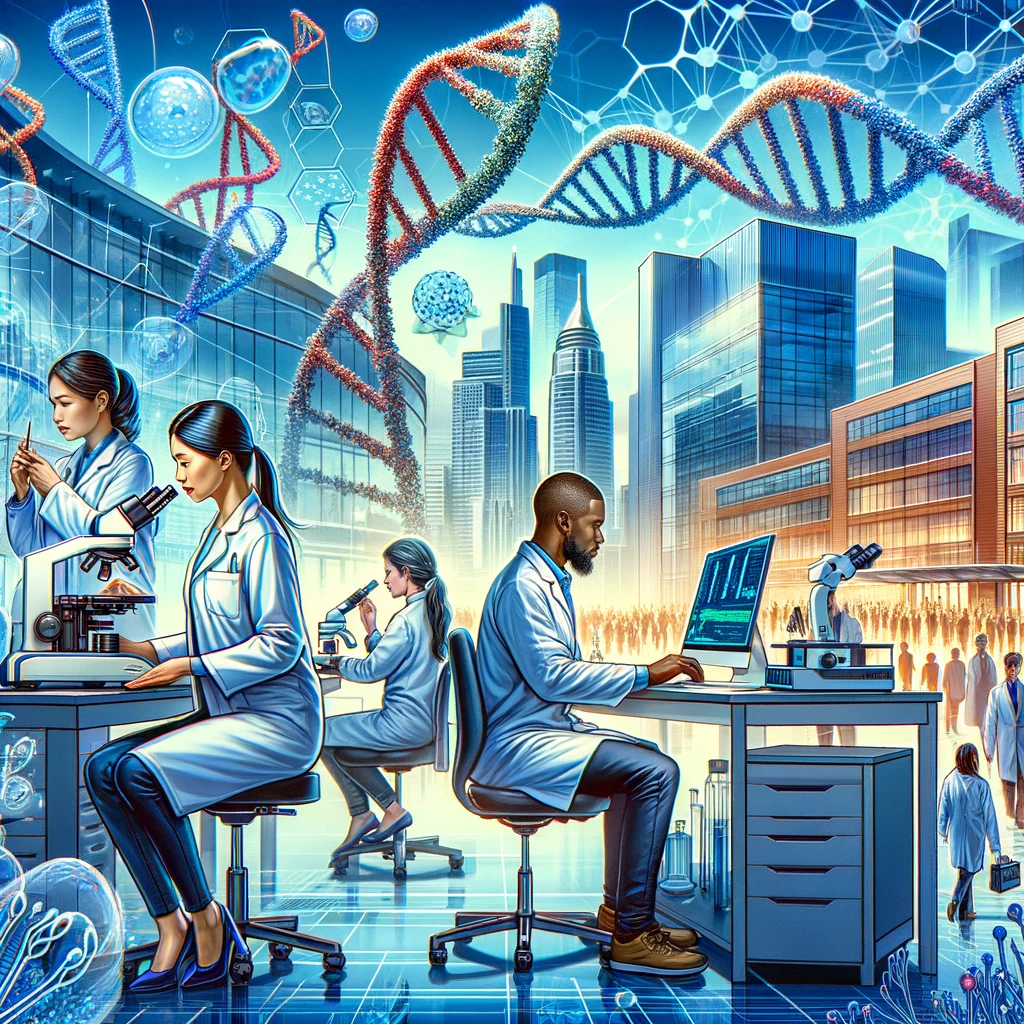
In recent years, Silicon Valley has become synonymous with high-tech innovation and entrepreneurial spirit. While it’s traditionally been the heartland for giants in tech and software industries, a new player has begun to make significant waves—biotechnology. This sector, often abbreviated as biotech, is rapidly growing in Silicon Valley, driven by a unique blend of venture capital, cutting-edge science, and an ecosystem that promotes rapid growth and collaboration.
What is Biotech?
Biotech involves using biological processes for industrial and other purposes, especially the genetic manipulation of microorganisms for the production of antibiotics, hormones, etc. The applications of biotech are vast and varied, spanning health care, agriculture, pharmaceuticals, environmental remediation, and more. In the context of Silicon Valley, biotech startups are mainly focused on healthcare innovations such as drug development, personalized medicine, and novel diagnostics tools.
Why Silicon Valley?
The question of why Silicon Valley has emerged as a hotspot for biotech startups is anchored in its history and infrastructure. The region offers a wealth of resources including access to top-tier universities like Stanford and UC Berkeley, which produce a steady pipeline of skilled graduates and groundbreaking research. Additionally, Silicon Valley is home to numerous venture capitalists and angel investors who are continually on the lookout for the next big thing. The appetite for risk is high, and the rewards can be even higher, making it an ideal breeding ground for biotech startups.
Key Players and Innovations
Among the burgeoning biotech scene in Silicon Valley, several startups have stood out due to their innovative approaches and promising results. Companies like 23andMe have revolutionized genetic testing, making it accessible to consumers who want to understand their health and ancestry. Another notable example is Ginkgo Bioworks, which focuses on designing custom microbes for customers across multiple industries, including agriculture and pharmaceuticals.
These companies exemplify the Silicon Valley ethos: moving fast, breaking barriers, and pushing the boundaries of what is possible. They leverage the latest in machine learning algorithms, robotics, and genetic engineering to stay ahead of the curve.
Funding the Future
Funding is the lifeblood of any startup, and biotech companies are no exception. In Silicon Valley, the availability of capital is unmatched. Venture capital firms, alongside an increasing number of biotech-focused funds, provide the necessary financial support to move from concept to clinical trials and beyond. The funding landscape is competitive but also very rewarding for startups that show potential. This influx of capital has not only accelerated the pace of innovation but has also made Silicon Valley a global magnet for biotech startups.
Collaboration and Competition
Silicon Valley is characterized by a culture of both collaboration and intense competition. Startups often share insights and resources with each other, fostering an environment of learning and mutual growth. At the same time, the race to market can be fierce. The competitive environment pushes companies to innovate continuously, refine their technologies, and scale up quickly. This dynamic has created a robust ecosystem where only the most viable products survive, ensuring that the best innovations make it to market.
Challenges and Considerations
Despite the optimistic growth, biotech startups face several challenges. The path from an idea to a marketable product is long and fraught with regulatory hurdles. Additionally, there is the challenge of balancing rapid innovation with thorough scientific validation, which is essential in fields affecting human health and safety.
Furthermore, as biotech firms scale, they must also navigate the complexities of intellectual property rights, especially in a region as competitive as Silicon Valley. Protecting innovations while fostering an open, collaborative environment can sometimes be at odds.
The Road Ahead
Looking to the future, the prospects for biotech startups in Silicon Valley remain bright. Advances in artificial intelligence and machine learning are expected to drive the next wave of innovations, making processes faster and more cost-effective. As the global focus continues to shift towards sustainable and personalized medical solutions, the biotech sector is poised to meet these demands.
The continued influx of talented individuals and the evolutionary nature of the biotech industry suggest that Silicon Valley will remain at the forefront of technological innovation in the life sciences. With each breakthrough, the promise of improving human health and the environment becomes more tangible.
The rise of biotech startups in Silicon Valley is more than a mere trend; it is a transformative movement that is setting the stage for the future of technology and health. As these companies continue to grow and refine their technologies, their impact is expected to be profound, reshaping industries and improving lives across the globe.
Nurturing a Biotech Hub
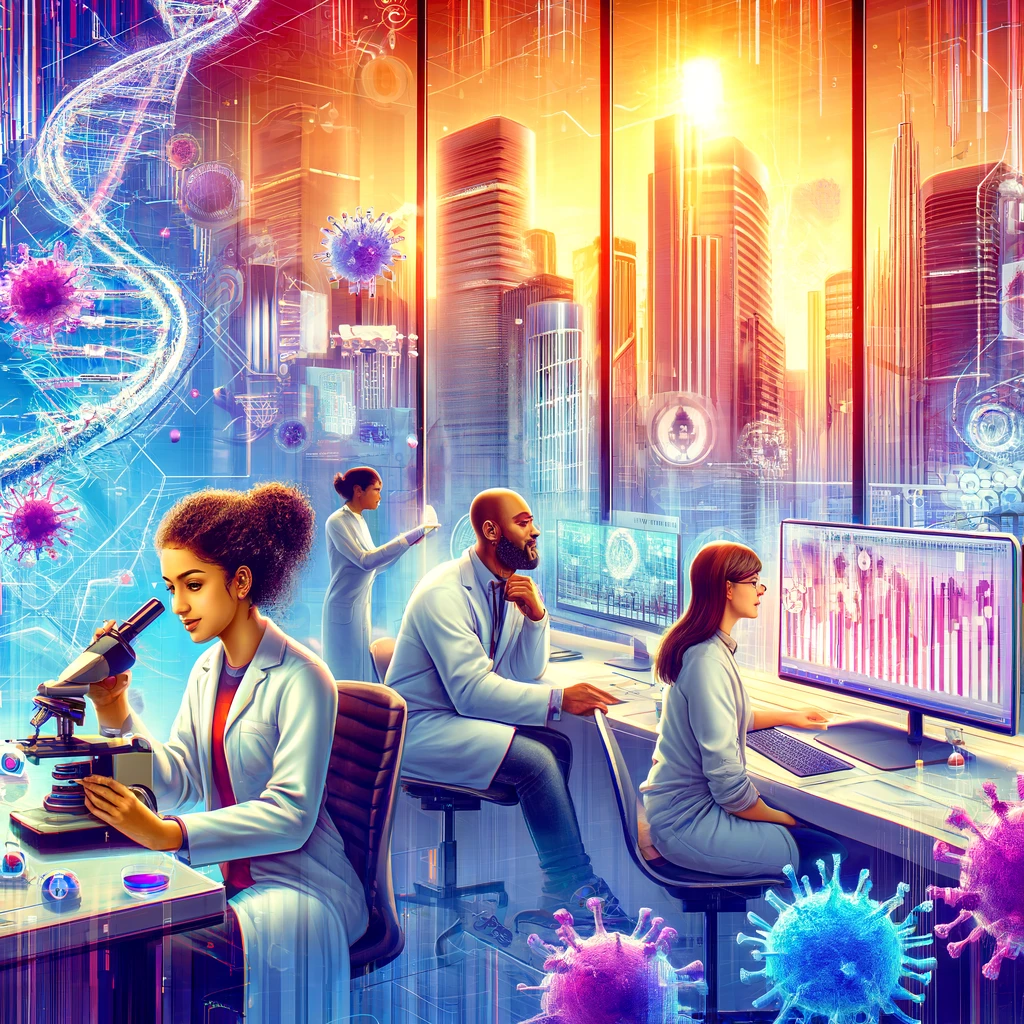
Silicon Valley’s success as a biotech hub is not just a product of financial investment and scientific talent; it’s also the result of deliberate strategies to nurture the growth of startups. Incubators and accelerators play a pivotal role in this ecosystem. These programs offer more than just funding; they provide mentorship, office space, and access to a network of potential partners and clients. The support structure helps to reduce the initial challenges faced by startups, allowing them to focus on innovation and product development.
Organizations like QB3, a collaborative effort between UCSF, UC Berkeley, and UC Santa Cruz, exemplify how academic institutions can propel biotech startups. By offering expertise, equipment, and even help in business aspects, such initiatives bridge the gap between scientific research and commercial enterprise.
Impact on Healthcare
The biotech startups in Silicon Valley are profoundly impacting healthcare, introducing technologies that offer more personalized and efficient treatments. For example, CRISPR technology, a tool for editing genomes with unprecedented precision, is being advanced by companies in the Valley to develop treatments for genetic disorders that were once thought untreatable. This not only opens up new avenues for therapy but also significantly reduces the time and cost associated with traditional drug development processes.
Furthermore, the integration of big data and analytics in biotech allows for a more nuanced understanding of diseases. Startups are developing platforms that can analyze vast amounts of genetic data to discover patterns that may predict disease risk and treatment outcomes. This approach is particularly promising in the fight against cancer and chronic diseases, where early detection and tailored therapies can dramatically improve survival rates.
Sustainability and Ethics
As biotech startups continue to grow, they are also increasingly confronted with questions of sustainability and ethics. Producing and testing biological products often require careful consideration of environmental and ethical implications. Silicon Valley startups are at the forefront of addressing these issues, developing more sustainable laboratory practices and engaging in ethical debates about the implications of biotechnological advancements such as gene editing.
The conversation about ethics in biotech is particularly vibrant in Silicon Valley, where the community often leads the way in setting standards for responsible innovation. Transparency, patient privacy, and the implications of genetic modifications are topics that are taken seriously by startups in the region.
The Global Stage
Silicon Valley’s biotech startups are not just national leaders; they are also significant players on the global stage. As these companies grow, they attract international talent and collaborate with partners around the world. This global network not only enhances the capabilities of Silicon Valley startups but also ensures that their innovations have a worldwide impact.
The international reach of these startups also means they can bring solutions to global health challenges, such as infectious diseases and pandemics, to the forefront. In recent years, collaborations between Silicon Valley biotechs and international health organizations have led to rapid responses to global health emergencies, showcasing the potential of biotech to address critical global issues.
Conclusion
The rise of biotech startups in Silicon Valley is a dynamic example of how technology and science can converge to spark significant advancements. With a unique mix of risk-taking, robust funding, advanced research, and a collaborative ecosystem, Silicon Valley is redefining the possibilities in biotech. As these startups continue to innovate and expand their influence, they not only promise to revolutionize healthcare but also to create a more sustainable and ethically aware approach to biotechnology. The impact of Silicon Valley’s biotech scene is set to be a defining feature of technological progress in the 21st century, offering exciting prospects for the future of medicine and beyond.