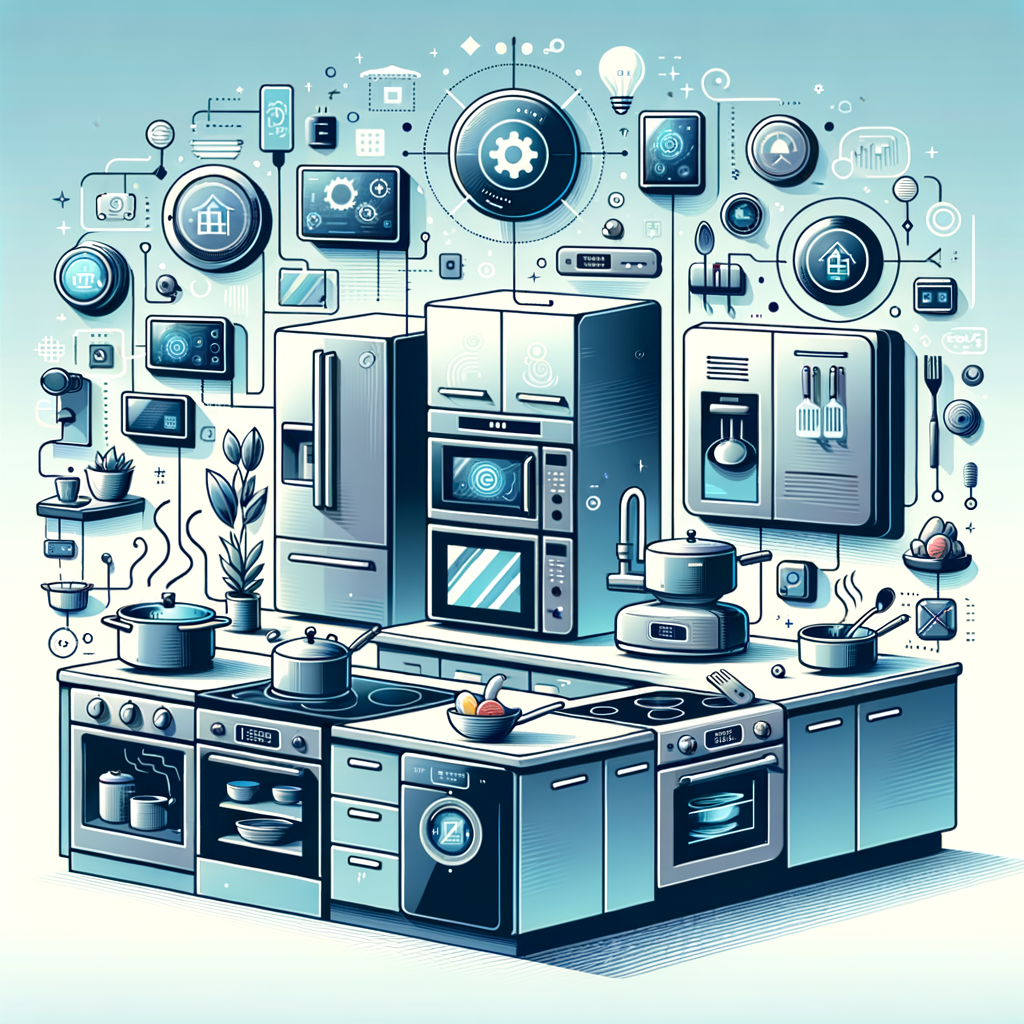
In recent years, the kitchen—often dubbed the heart of the home—has undergone a transformative evolution, heralding a new age of cooking and food preparation. This transformation is spearheaded by none other than Silicon Valley, the global hub for technology innovation. Defined by its emphasis on efficiency, connectivity, and sustainability, the modern “smart kitchen” is rapidly becoming an integral part of contemporary living. Imagine waking up and having your coffee maker prepare your favorite brew precisely when you need it or coming home from a long day to find dinner cooked perfectly—these aren’t futuristic dreams anymore but a present-day reality. Through advancements in technology such as IoT (Internet of Things), AI (Artificial Intelligence), and machine learning, appliances are now more intelligent, interactive, and intuitive than ever before. These innovations are not simply about adding functionality, but redefining what it means to cook and dine in our daily lives. In this article, we will explore how Silicon Valley is driving this paradigm shift, reshaping our kitchens into smart hubs, and what this means for the future of home cooking.
The Evolution of Kitchen Appliances
The transformation of the kitchen begins with the evolution of basic appliances, which have taken leaps from their humble beginnings to a state of intelligent operability. Historically, kitchen appliances were standalone devices, each performing a dedicated function. Ovens baked, refrigerators cooled, and dishwashers cleaned. However, with the advent of smart technology, these appliances are now interconnected and can communicate with each other. Take smart refrigerators, for instance; these now come equipped with internal cameras that allow users to check inventory levels via smartphone apps, even when they are not at home. They can also suggest recipes based on the ingredients available within.
Ovens have advanced considerably by integrating features such as remote control and recipe guides. They can suggest optimal temperatures and cooking times based on the recipe selected. Some state-of-the-art designs even come with advanced cook sensors that adjust cooking parameters automatically, ensuring perfect meals every time. Dishwashers, traditionally less glamorous, have attracted innovations like energy usage optimization and advanced cleaning programs that can be triggered remotely at off-peak energy hours. Each advancement embodies the perfect blend of efficiency and convenience, showcasing Silicon Valley’s penchant for creating solutions that fit seamlessly into our lives.
Connectivity and the Internet of Things (IoT)
A cornerstone of the smart kitchen revolution is the Internet of Things (IoT), the technology that allows appliances to connect to the internet and interact within a network. This connectivity empowers devices to be more than just tools; they become service providers enhancing user experience. For example, voice assistants such as Amazon Alexa and Google Assistant have integrated with kitchen appliances, allowing users to control these devices hands-free. You can now preheat the oven and check the dishwasher status simply by asking.
Smart kitchens thrive on this connectivity. Devices relay information in real time, allowing adjustments based on dynamic data rather than static programming. An intelligent thermostat can regulate kitchen temperature according to cooking appliances’ heat emission. At the same time, smart lighting systems can adjust brightness based on the time of day or natural light. IoT-enabled scales can integrate with meal-planning applications to ensure dietary goals are met without manual calculations. This level of interconnectedness not only enhances convenience but also contributes to sustainability by optimizing resource consumption.
Artificial Intelligence and Machine Learning in the Kitchen
If IoT provides the foundation, artificial intelligence and machine learning are the engines driving the smart kitchen’s capabilities forward. AI has made significant strides in understanding and predicting human behavior, which seamlessly translates into kitchen applications. Recipe recommendation engines use AI to suggest meals based on dietary preferences, past cooking habits, and even health goals. Over time, these systems learn from user feedback and continue evolving to offer better and more personalized experiences.
Machine learning aids in predictive maintenance of appliances, significantly extending their lifespan. For instance, sophisticated algorithms can predict when an oven might require servicing by analyzing patterns of usage and wear. This proactive approach prevents breakdowns and ensures seamless operation. Furthermore, AI-driven appliances can understand dietary restrictions and alert users about allergens in their current inventory or recipes being prepared. This level of personalization fosters a kitchen environment that caters to individual needs, reducing the cognitive load on users and making cooking a more enjoyable and stress-free process.
Impact on Cooking Habits and Lifestyles
The integration of smart technology in the kitchen is not just changing appliances—influencing how we interact with food and alter our cooking habits. With technology demystifying cooking processes through step-by-step guides and videos directly accessible from gadgets, individuals are encouraged to explore and experiment beyond traditional culinary boundaries. This shift has engendered a rise in home cooking popularity among younger generations who appreciate the balance of convenience and quality these smart kitchens offer.
Moreover, the accessibility these smart technologies bring has democratized cooking in many ways. Those lacking traditional cooking skills can quickly whip up intricate meals with the help of guided tools and automated cooking programs. Families embrace technology to transform cooking into a communal activity, as smart kitchens facilitate collaborative cooking experiences regardless of skill levels. These dynamics are gradually integrating into modern lifestyles, recognizing health consciousness, and striving to instill it within the family unit.
Sustainability and Smart Kitchens
Smart kitchens have thoughtfully aligned themselves with the growing need for sustainability, offering innovations that encourage environment-friendly practices. Energy-efficient appliances equipped with smart meters enable detailed monitoring of power consumption, sending insights to users to manage their energy footprint more effectively. By detecting wastage, these smart systems can alert users to energy anomalies, ensuring responsible resource utilization.
Food waste is a critical concern addressed innovatively through advanced inventory management systems in smart refrigerators that track expiration dates and suggest recipes to utilize nearly-expired items. These systems are calibrated to reduce food wastage significantly, fostering an environment where food is valued and utilized efficiently. Water-saving programs within modern dishwashers and washing machines contribute to resource conservation, reinforcing the drive towards sustainability.
The Role of Startups and Tech Giants
Silicon Valley’s unique ecosystem fosters a symbiotic relationship between startups and established tech giants, propelling the growth of smart kitchen innovations. Startups play a crucial role, offering fresh ideas and agile solutions that pivot on emerging trends, fueling the wave of innovation that drives the smart kitchen revolution forward. With a focus on niche problems, startups create products that integrate seamlessly into broader platforms, altering the landscape of kitchen functionality.
Tech giants contribute their immense resources and distribution capabilities, bringing scalable and widespread solutions to market. Companies like Samsung, LG, and Amazon are investing significantly in research and development, expanding their smart home product lines to include kitchen-specific innovations. While startups provide the dynamism required to discover and develop novel solutions, tech giants ensure these innovations reach consumers around the globe, laying the groundwork for widespread adoption and standardization.
Challenges and Considerations
As promising as smart kitchens appear, the transition to this new paradigm does not come without its set of challenges. Data privacy and security are of prime concern as these systems increasingly collect and store user data to function optimally. There is a pressing need for robust encryption and security protocols to safeguard against potential breaches. Users must retain control over their data, ensuring transparency regarding its usage and storage.
Additionally, the adoption of smart kitchen technology necessitates a reevaluation of existing infrastructure. Many homeowners need help refitting kitchens with technology-compatible setups, posing a barrier to entry for some. The cost associated with transitioning to smart kitchen solutions can be prohibitive, hindering the full realization of this technological transformation.
Conclusion
Silicon Valley’s foray into the realm of home cooking through smart kitchens has initiated a groundbreaking transformation that illustrates the potential and promise of modern technology within everyday life. These integrations reshape kitchens into hubs of innovation and efficiency that meet evolving consumer needs while prioritizing sustainability and convenience. While several challenges remain, particularly concerning data security and accessibility, the overall trajectory points toward a future where smart kitchens become standard rather than an exception.
By embracing these innovations, we open up possibilities for enhanced lifestyles, where cooking is simplified, personalized, and integrated into the broader narrative of smart living. As technology continues to advance, so will the scope and capability of smart kitchens, continually refining how we perceive and interact with food. Ultimately, this intersection of culinary arts and cutting-edge technology heralds a new era, promising a future that is as flavorful as it is futuristic, deeply enriching the culinary landscape for generations to come.
Frequently Asked Questions
1. What exactly is a smart kitchen, and how does it work?
A smart kitchen is a modern cooking space designed to integrate technology for enhanced efficiency, connectivity, and sustainability in the culinary realm. Think of it as your traditional kitchen, but on a serious tech upgrade. At its core, a smart kitchen connects various kitchen appliances and tools to the internet, allowing for interoperability and remote control. From voice-activated assistants to app-controlled refrigerators, these kitchens amplify convenience by automating chores or even suggesting recipes based on ingredients available in your smart fridge. The magic happens through IoT (Internet of Things) technology, which keeps all your devices in sync, whether it’s turning on your oven remotely while you’re on your way home or getting an alert when you’re low on specific groceries.
2. How is Silicon Valley contributing to the smart kitchen revolution?
Silicon Valley is at the forefront of this transformation, known for its knack for technological innovation. Tech giants and start-ups alike focus on developing cutting-edge kitchen gadgets and apps that redefine how we interact with our culinary environments. For instance, companies like Google and Amazon have integrated voice assistants such as Google Assistant and Alexa into kitchen appliances, allowing hands-free control. Meanwhile, other start-ups are designing sensors that inform you about the freshness of your food or autoreplenishment systems that order groceries when supplies run low. Silicon Valley’s spirit of innovation fosters an ecosystem where technology not only makes cooking more efficient but also caters to eco-friendly practices by optimizing energy usage in smart devices, reducing waste, and pioneering new forms of sustainable food production.
3. What are some key benefits of incorporating a smart kitchen into my home?
The advantages of a smart kitchen are multidimensional and cater to various aspects of modern living. First and foremost is convenience. Imagine a kitchen where your oven preheats itself at the command of a spoken word, or a refrigerator that suggests recipes based on what’s inside. Then, there’s the enhanced efficiency, optimising the time you spend cooking and reducing the stress that comes with meal planning. Connectivity is another top-tier benefit, enabling seamless operation of your appliances via your smartphone, no matter where you are. Let’s not forget the cost-saving potential—smart appliances are designed to use energy more effectively, cutting down on utility bills. Furthermore, the smart kitchen’s emphasis on sustainability aligns with a growing global trend towards eco-friendly living, empowering you to adopt greener practices effortlessly.
4. Are there any challenges when implementing a smart kitchen?
While smart kitchens provide an exciting glimpse into the future of home cooking, there are challenges to keep in mind. Initial costs can be substantial, with smart appliances generally priced higher than their traditional counterparts. Compatibility and interoperability of devices can also pose a challenge; ensuring that different brands and technologies communicate seamlessly is crucial for an integrated smart kitchen experience. Additionally, there are concerns about privacy and data security, as smart appliances often collect user data to optimize functionality. Users need to stay informed about these aspects, taking measures to ensure their systems are secure and their privacy protected. Lastly, embracing a smart kitchen often necessitates a learning curve, especially for those less tech-savvy, yet user-friendly designs are constantly improving to mitigate this issue.
5. How do smart kitchens contribute to sustainability and eco-friendly living?
Smart kitchens have a substantial role in promoting sustainability and eco-friendly practices. For starters, many smart appliances are designed to be more energy-efficient, consuming less power and reducing your carbon footprint. They also promote better food conservation practices. For instance, certain smart refrigerators can provide real-time tracking of produce life, helping reduce food waste by alerting you when items are close to expiring. Moreover, smart dishwashers and sinks optimize water usage, conserving this precious resource. Beyond directly improving resource efficiency, these kitchens raise awareness and influence broader eco-friendly behaviors. By intelligently suggesting meal plans based on minimal waste and inspiring the use of local, seasonal ingredients, smart kitchens lead the charge in integrating sustainability into everyday cooking practices.