In the world of technology, the rate of innovation continues to accelerate, pushing the boundaries of what’s possible and transforming our everyday lives. Silicon Valley, a region synonymous with tech breakthroughs and entrepreneurial spirit, is at the forefront of one of the most exciting trends in technology today: edge computing.
What is Edge Computing?
At its core, edge computing refers to processing data near the source of data generation, rather than relying on a centralized data center. This approach reduces latency, or the delay before a transfer of data begins following an instruction for its transfer, which is critical for applications that require real-time processing.
Why Silicon Valley?
Silicon Valley’s unique ecosystem of venture capital, world-class universities, and a culture of innovation makes it an ideal breeding ground for edge computing startups. These companies are leveraging the proximity to technology leaders and resources to develop solutions that address the increasing demand for faster and more efficient data processing.
Driving Factors Behind Edge Computing
Increasing Data Volumes
With billions of devices connected to the internet, from smartphones to IoT (Internet of Things) sensors, data generation is at an all-time high. Processing this data centrally is becoming increasingly inefficient, prompting a shift towards edge computing.
Demand for Real-Time Processing
Applications such as autonomous vehicles, smart cities, and industrial automation require real-time data processing to function effectively. Edge computing reduces the time it takes for data to travel, enabling these technologies to operate at peak efficiency.
Enhanced Security
Processing data locally on edge devices can enhance security, as sensitive data does not need to traverse over the network to a central server, reducing exposure to potential cyber threats.
Silicon Valley Innovations in Edge Computing
Silicon Valley startups are at the epicenter of the edge computing revolution, developing innovative solutions that are setting the pace for the industry. Here’s a look at some of the breakthrough technologies:
AI-Enhanced Edge Solutions
Artificial intelligence is being integrated into edge computing to make devices smarter and more autonomous. This integration allows for more complex processing on edge devices, which can learn and adapt in real-time without needing constant communication with central servers.
Advanced Networking Technologies
To support the vast amount of data being processed at the edge, Silicon Valley companies are developing more robust networking solutions that can handle increased traffic and ensure data integrity.
Energy-Efficient Hardware
As the demand for edge computing grows, so does the need for energy-efficient hardware that can operate at the edge without excessive power consumption. Startups are focusing on creating compact, low-power devices that still deliver high performance.
Impact on Industries
Edge computing is set to revolutionize several industries by enabling new applications and making existing processes more efficient:
Healthcare
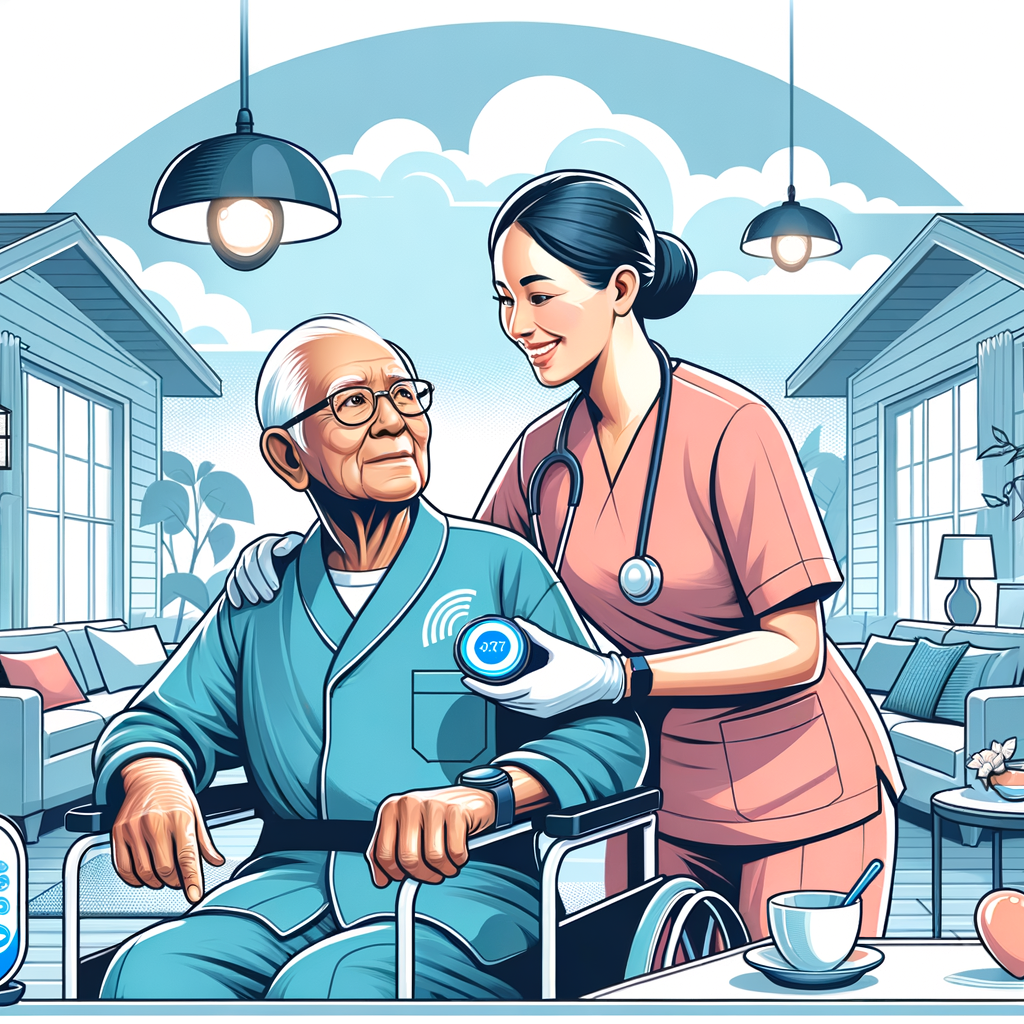
In healthcare, edge computing can process patient data in real-time, leading to faster and more accurate diagnoses. Wearable devices can monitor patients and provide immediate feedback without needing to connect to a server.
Manufacturing
In manufacturing, edge computing facilitates real-time monitoring and adjustment of manufacturing processes, leading to improved efficiency and reduced downtime.
Transportation
For transportation, edge computing is crucial for the development of autonomous vehicles, which rely on real-time data processing to make immediate decisions on the road.
Challenges and Future Directions
While edge computing offers numerous benefits, it also poses challenges that need to be addressed:
Scalability
As more devices connect to the edge, the infrastructure must scale accordingly, which requires significant investment and innovation in networking and hardware.
Standardization
There is a need for industry-wide standards to ensure compatibility and security across different edge computing devices and platforms.
Skilled Workforce
There is a growing demand for skilled professionals who can develop and manage edge computing systems. Silicon Valley’s educational institutions are pivotal in training the next generation of tech leaders.
Edge computing represents a new frontier in technology that is being led by Silicon Valley’s vibrant ecosystem of startups and innovators. As this technology continues to evolve, it promises to bring about significant advancements in how data is processed and utilized, driving efficiency and innovation across multiple industries. Silicon Valley’s role in shaping this future cannot be overstated, making it an exciting time for tech enthusiasts and professionals worldwide.

The Role of Silicon Valley Startups
Silicon Valley startups are uniquely positioned to push the boundaries of edge computing because of their access to technology, talent, and capital. These companies are not only improving existing technologies but are also pioneering new applications that integrate edge computing in novel ways.
Pioneering New Technologies
Many startups in the region are focused on developing proprietary technologies that enhance the capabilities of edge devices. This includes better sensors, more efficient local data processing algorithms, and more robust security protocols that protect data where it’s generated.
Attracting Venture Capital
Silicon Valley continues to attract a significant portion of venture capital investment, which fuels innovation in edge computing. Investors are keenly interested in backing technologies that solve real-world problems, such as reducing latency in critical applications, which is a key benefit of edge computing.
Collaboration with Tech Giants
Startups often collaborate with established tech companies based in Silicon Valley. These partnerships can provide startups with access to greater resources, including advanced testing environments and distribution networks. Such collaborations are essential for rapid scaling and integration of edge technologies into the broader market.
Edge Computing and the Consumer Sector
While much of the focus on edge computing centers on industrial applications, its impact on the consumer sector is also significant. Consumers are increasingly benefiting from faster, more personalized technology experiences thanks to edge computing.
Smart Home Devices
Edge computing powers many smart home devices, from security systems that process data locally to avoid lag to smart assistants that use localized AI to learn from user interactions more effectively.
Personalized Entertainment
In entertainment, edge computing allows for quicker streaming and personalized content delivery by processing viewer preferences directly on devices like smart TVs and game consoles.
Mobile Computing
Mobile devices, equipped with edge computing capabilities, can perform more tasks locally, reducing dependence on cloud servers, which can lead to faster and more reliable applications.
Sustainability and Edge Computing
Another important aspect of edge computing that Silicon Valley startups are addressing is sustainability. By processing data locally and reducing the need to transmit data over long distances, edge computing can significantly reduce energy consumption.
Reducing Data Center Load
By decentralizing data processing, edge computing lessens the burden on cloud data centers, which are energy-intensive facilities. This shift not only conserves energy but also reduces the carbon footprint associated with large-scale data centers.
Green Technology
Startups are also innovating in the creation of greener technology solutions that complement the energy-saving aspects of edge computing. This includes developing energy-efficient hardware and optimizing software to require less power.
Looking Ahead: The Future of Edge Computing in Silicon Valley
The future of edge computing in Silicon Valley looks bright, with ongoing advancements and an ever-growing ecosystem supporting innovation. As technology evolves, the integration of edge computing with other cutting-edge technologies like 5G, blockchain, and more sophisticated AI models is likely to create even more opportunities for innovation.
Integration with 5G
The rollout of 5G networks is a boon for edge computing, as it enhances connectivity options and speeds up data transfer rates. This will enable more complex applications of edge computing, particularly in mobile and IoT devices.
Enhanced AI Capabilities
Further integration of AI with edge computing is expected to make smart devices even more capable and autonomous. This will enhance user experiences and allow for more sophisticated local data processing without the latency associated with sending data to a central server.
Conclusion
Edge computing is reshaping how data is processed and utilized, driving efficiencies and innovations that impact a wide array of industries. With its pioneering spirit and unmatched resources, Silicon Valley is at the helm of this transformative technology. As edge computing continues to evolve, it promises to unlock new potentials in technology application, firmly establishing Silicon Valley as a leader in yet another crucial tech frontier.