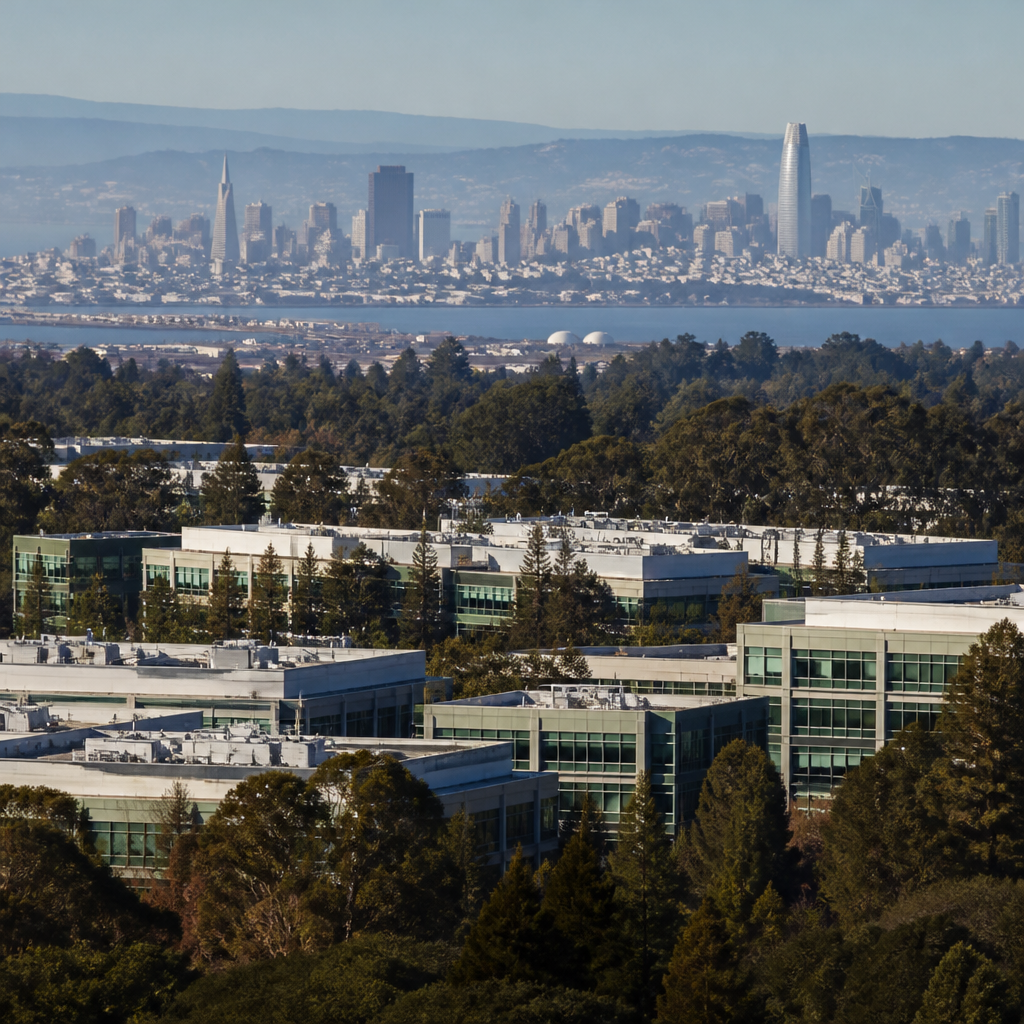
As Silicon Valley stands at the forefront of global technology and innovation, the introduction and expansion of 5G networks in 2024 are helping to revolutionize the landscape. This new wave of technology not only promises enhanced connectivity but also paves the way for advanced developments in sectors like IoT, AI, and autonomous vehicles. Here’s what to expect from 5G in Silicon Valley in the coming year.
Enhanced Connectivity and Speed
The primary allure of 5G technology lies in its ability to provide significantly greater speeds and lower latency compared to its predecessors. For tech companies in Silicon Valley, this means an ability to transfer, analyze, and process data at unprecedented speeds, drastically reducing the time it takes for systems to communicate with each other. This enhancement is crucial for developers and businesses that rely on real-time data, such as those in the gaming industry or firms developing real-time analytics for financial markets.
Impact on Startups
For startups in Silicon Valley, 5G presents a myriad of opportunities. The increased speed and connectivity allow for more sophisticated applications to be developed, tested, and rolled out at a faster pace. This is particularly beneficial for startups focused on IoT and AI, where devices frequently need to communicate large volumes of data seamlessly and efficiently.
Furthermore, 5G opens up new avenues for startups to innovate in areas previously constrained by network capabilities. For instance, augmented reality (AR) and virtual reality (VR) applications, which are data-intensive, can now operate more smoothly and with fewer constraints, allowing startups to explore new ideas and solutions in this space.
Boost to Autonomous Vehicle Technology
Silicon Valley is a hub for autonomous vehicle research and development, with numerous companies working towards making self-driving cars a reality. The deployment of 5G technology significantly boosts this sector by enabling vehicles to communicate with each other and with traffic management systems more effectively. This communication is vital for the safety and efficiency of autonomous vehicles, as it allows for real-time navigation updates and traffic information, reducing the likelihood of accidents and improving traffic flow.
Improved Smart City Initiatives
5G technology is also set to transform Silicon Valley’s smart city projects. With its ability to handle more connected devices simultaneously, 5G facilitates more extensive and robust smart city solutions, from improved energy management through smart grids to better public safety systems through connected surveillance. These initiatives not only enhance the efficiency of urban services but also contribute to making the environment more sustainable.
Challenges and Considerations
While the prospects of 5G in Silicon Valley are promising, there are also several challenges that need addressing. One major concern is the infrastructure required to support 5G networks. Unlike previous generations, 5G requires a denser network of antennas and more extensive fiber optic cabling, which can be costly and time-consuming to deploy, particularly in densely populated urban areas.
Additionally, there are concerns about privacy and security, as the increase in connected devices also potentially increases the risk of cyber-attacks. Companies and policymakers will need to work together to address these issues, ensuring that adequate protections are in place to secure data and maintain user privacy.
As 2024 continues, Silicon Valley is on the cusp of a technological revolution with the roll-out of 5G networks. This new technology is set to redefine the capabilities of startups and established tech companies alike, driving innovation in various sectors including automotive, AR/VR, and smart city applications. However, for Silicon Valley to fully capitalize on the benefits of 5G, significant investment and collaboration will be required to overcome the infrastructural and security challenges. Nevertheless, the potential of 5G to foster new businesses and enhance existing ones in Silicon Valley is immense, promising a new era of technological advancement and connectivity.
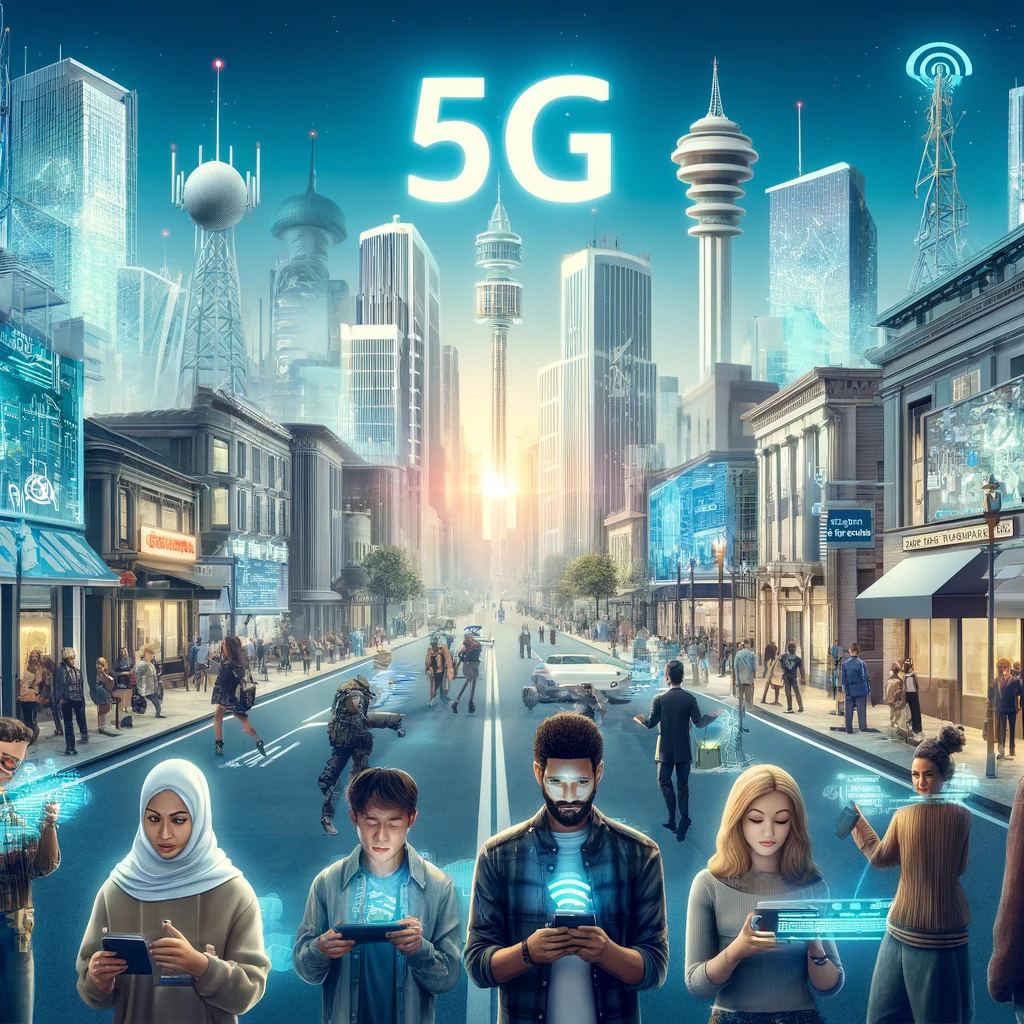
As we move through 2024, Silicon Valley is not just anticipating the potential of 5G but actively experiencing and adapting to its transformative impacts. Here’s how this technology is currently shaping the region and what can still be expected as the year progresses.
Real-Time Innovation and Development
In Silicon Valley, 5G’s deployment is already enabling a new level of innovation and development in real-time applications. Tech companies are leveraging this to enhance product offerings and accelerate the pace of innovation. For example, mobile gaming studios in the area are now able to offer games with significantly reduced lag and enhanced multiplayer experiences, all thanks to the ultra-fast and stable connections provided by 5G.
Collaboration and Cloud Computing
The synergy between 5G and cloud computing is proving to be a boon for startups and established firms alike. Enhanced 5G connectivity has improved access to cloud services, facilitating more collaborative and flexible work environments. Companies are increasingly relying on cloud-based platforms for real-time data sharing and collaboration across global teams, driving productivity and innovation even in remote work settings.
Media and Content Streaming
The media industry in Silicon Valley is seeing an overhaul with 5G as streaming services can now deliver ultra-high-definition and interactive content with ease. This has not only improved user experiences but also opened new avenues for content creators to experiment with innovative formats and interactive features that were previously constrained by bandwidth limitations.
Ongoing Challenges
While the progress is impressive, challenges remain. The full implementation of 5G is still underway, with issues related to coverage and infrastructure deployment being addressed throughout the year. Furthermore, as more devices become connected, Silicon Valley continues to grapple with the increased risks associated with cybersecurity. Ensuring robust security protocols and protecting user data are top priorities for companies leveraging 5G technology.
Future Prospects
Looking ahead to the latter part of 2024, we can expect continued growth and evolution in 5G applications. One area of significant interest is the integration of AI with 5G to further enhance autonomous systems, from self-driving vehicles to smart robotics in manufacturing. This integration is expected to drive efficiencies and open up new opportunities in automation that were not feasible before 5G’s widespread adoption.
Moreover, Silicon Valley’s role as a testbed for 5G-enabled technologies is set to expand. As tech companies refine their offerings and explore new use cases, the impact of 5G will likely permeate even deeper into everyday life, affecting everything from transportation to personal communication devices.
Conclusion
Midway through 2024, Silicon Valley is already witnessing the profound impact of 5G technology on various sectors. The rest of the year holds promise for further advancements as companies continue to innovate and overcome challenges associated with this new technology. While the full benefits and transformations promised by 5G might still be unfolding, the current progress indicates a dynamic shift in how technology is consumed and utilized. Silicon Valley remains at the forefront of this revolution, promising exciting developments and applications that could redefine tech standards globally.