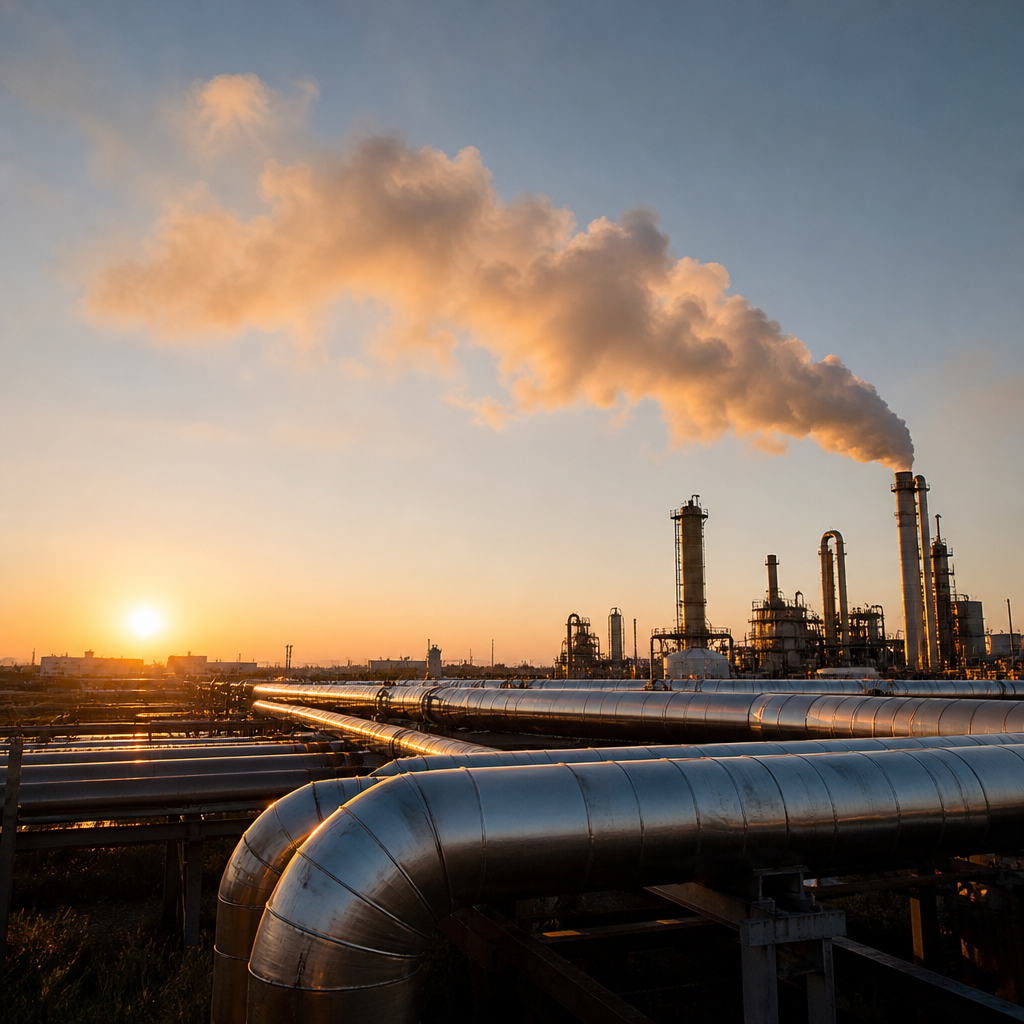
Industrial heat startups sit at the center of an overlooked climate tech opportunity because factories need enormous amounts of thermal energy, yet most climate coverage still focuses on electricity, passenger vehicles, and consumer products. Industrial heat refers to the steam, hot water, and high-temperature process energy used in sectors such as food processing, chemicals, cement, steel, glass, pulp and paper, and refining. In my work reviewing energy ventures, I have repeatedly seen founders underestimate how much of global emissions come from making physical goods. According to the International Energy Agency, industry accounts for roughly one quarter of energy-related carbon dioxide emissions, and heat demand drives most of that burden. That matters because decarbonizing heat is not a niche challenge; it is a prerequisite for credible net-zero pathways, resilient manufacturing, and competitive domestic industry.
The opportunity is overlooked partly because industrial heat is technically varied and commercially harder to explain than solar panels or electric cars. A factory may need low-temperature hot water below 100 degrees Celsius, medium-temperature steam around 150 to 400 degrees, or extreme process heat above 1,000 degrees for clinker, glass, or metals. Each range points to different technologies, project structures, and buyers. Startups are now attacking the problem with electric boilers, high-temperature heat pumps, thermal batteries, resistive heating, induction, microwave systems, concentrated solar heat, biomass, geothermal, green hydrogen, and even small modular reactor-adjacent heat concepts. For investors and operators, the key question is no longer whether industrial heat can be decarbonized. The practical question is which solutions fit which process, at what cost, with what retrofit complexity, and under what policy conditions.
This page serves as a hub for climate and energy tech by mapping the market in plain terms. If you are evaluating industrial heat startups, you need to understand demand segments, technology pathways, financing models, and adoption barriers together rather than in isolation. That integrated view reveals why the category deserves more attention: the customers are large, the emissions impact is measurable, and the winning companies can become deep infrastructure businesses rather than feature-level software vendors.
Why industrial heat is a major climate and energy tech market
Industrial heat matters because heat demand is embedded in almost every supply chain. Food producers pasteurize and dry ingredients. Breweries generate steam. Chemical plants run distillation columns and reactors. Paper mills dry pulp continuously. Cement kilns and steel furnaces operate at temperatures that stress both equipment and fuel systems. When these processes are powered by coal, oil, or natural gas, emissions are direct, concentrated, and expensive to abate later. That is why industrial heat is one of the most important segments within climate and energy tech, even though it receives far less startup attention than battery software or EV charging.
The market is also attractive because customers already spend heavily on fuel, boiler maintenance, and process reliability. A startup that lowers total energy cost, reduces exposure to gas price volatility, and cuts emissions can sell into an existing line item rather than invent demand. Europe’s gas crisis made this concrete. Manufacturers that had treated gas as a stable utility suddenly faced severe pricing shocks, leading many plants to accelerate audits of electrified heat, heat recovery, and thermal storage. In the United States, the Inflation Reduction Act improved project economics through tax incentives and grants tied to industrial decarbonization. Those policy tailwinds do not guarantee adoption, but they shorten payback periods and improve board-level urgency.
Technology pathways startups are bringing to market
No single technology will decarbonize all industrial heat. Low-temperature applications are often the fastest to address because commercially mature equipment already exists. High-temperature heat pumps can upgrade waste heat and displace fossil boilers in food, beverage, district energy, and some light manufacturing settings. Electric boilers are simple and proven where electricity prices and grid capacity make sense. Thermal storage startups pair electric heaters with refractory materials, bricks, molten salts, or other media to convert cheap off-peak power into dispatchable process heat. I have seen thermal storage models resonate especially well with plants that cannot tolerate production interruptions yet want to avoid around-the-clock peak power pricing.
At higher temperatures, the field broadens. Induction and resistive heating can work extremely well for certain metal and materials processes. Microwave and infrared systems can improve precision in drying and curing. Green hydrogen remains a candidate for applications that are difficult to electrify directly, though economics still depend heavily on power costs, electrolyzer utilization, and infrastructure buildout. Concentrated solar heat has promise in sunny regions where large thermal loads align with available land. Geothermal heat can also play a role near suitable resources. In practice, the strongest startups are not those claiming a universal solution. They are the ones tightly matching a technology to a process window, plant layout, and procurement reality.
| Technology | Best-fit temperature range | Common use cases | Main constraint |
|---|---|---|---|
| Heat pumps | Low to medium | Food, beverage, pulp, district systems | Lift limits and integration complexity |
| Electric boilers | Low to medium | Steam replacement, backup generation | Power price and grid connection |
| Thermal batteries | Medium to high | Batch and continuous process heat | Site retrofit and performance validation |
| Hydrogen combustion | High | Chemicals, refining, heavy industry | Fuel cost and infrastructure |
| Induction or resistive systems | High, process-specific | Metals, forging, specialized materials | Applicability to limited processes |
What makes an industrial heat startup investable
Investing in industrial heat startups requires a different lens than consumer climate tech. The best companies usually sell a combination of hardware, controls, engineering integration, and long-term service. That means gross margins may look lower early on, but defensibility can be stronger because the startup becomes embedded in plant operations. I look first at process specificity. Does the team know exactly which vertical it serves and why? A startup targeting dairies with modular heat pumps and heat recovery software is often more compelling than one vaguely promising to decarbonize all factories.
The second factor is bankability. Industrial buyers care about uptime, safety, code compliance, and maintenance support more than sleek branding. Founders need pilots with recognized counterparties, measured performance data, and procurement documentation that satisfies operations teams. Standards and frameworks matter here. Technology readiness level assessments, hazard and operability studies, ASME boiler requirements, NFPA electrical standards, and ISO 50001 energy management practices all influence purchasing. Startups that understand these details move faster through diligence because they reduce perceived execution risk.
Third, project finance capability increasingly separates leaders from followers. Many plants want energy savings without major upfront capital expense. As a result, successful startups often layer equipment sales with heat-as-a-service contracts, energy service agreements, leasing structures, or partnerships with infrastructure funds. This financing fluency can matter as much as core technology, especially when the buyer has competing capital needs for production equipment, labor, or expansions.
Adoption barriers and how strong startups overcome them
The biggest barrier is not climate skepticism; it is operational risk. Plant managers are rewarded for throughput, quality, and safety, not for experimenting with unproven heat systems. If a new technology threatens downtime, product inconsistency, or permit delays, the project stalls. Strong startups respond by narrowing the first deployment scope. They target noncore lines, backup systems, lower-temperature loads, or brownfield retrofits where failure modes are easier to control. They also quantify integration requirements early: electrical upgrades, steam distribution changes, control system interfaces, and maintenance schedules.
Another barrier is economics under real utility conditions. A spreadsheet that assumes flat cheap electricity will not survive industrial diligence. Time-of-use tariffs, demand charges, interconnection delays, and curtailment risk can overturn a business case. The better founders model plant-specific load profiles and pair heat technologies with storage, on-site solar, or flexible operations strategies. They speak in the language of delivered heat cost, avoided fuel exposure, and simple payback, not just tons of carbon avoided.
Data credibility is equally important. Buyers want metered evidence, not lab claims. That is why startup traction often begins in sectors with repetitive processes and measurable baselines, such as food processing or commercial steam systems, before moving into more extreme applications like cement and steel. Demonstrations with companies such as PepsiCo, ArcelorMittal, Holcim, or major pulp producers carry weight because they show that industrial users have vetted performance, even if projects begin at pilot scale.
Where this climate and energy tech hub connects next
Industrial heat is a hub topic because it links to many adjacent areas across climate and energy tech. If you follow startup activity here, the next logical subjects include long-duration energy storage, grid infrastructure, hydrogen production, carbon capture for process emissions, advanced materials, industrial software, and manufacturing automation. For example, a thermal battery company may depend on dynamic electricity pricing and substation upgrades, while a low-carbon cement startup may pair alternative binders with electrified kilns and carbon capture. These connections matter for founders building go-to-market strategy and for investors constructing a portfolio thesis rather than chasing isolated trends.
The strongest insight from this market is simple: industrial heat is not a side issue within climate tech. It is one of the main events. Startups that solve real thermal problems can unlock lower emissions, more stable energy costs, and more resilient domestic manufacturing all at once. The category rewards technical depth, patient commercialization, and sharp customer focus. If you are mapping the future of climate and energy tech, put industrial heat near the top of the list, then explore the connected themes across storage, fuels, process innovation, and industrial digitization to identify where the next durable companies will emerge.
Frequently Asked Questions
What do industrial heat startups actually do, and why are they such an important climate tech category?
Industrial heat startups build technologies that replace, reduce, electrify, store, or optimize the thermal energy used in factories and heavy industry. That includes systems for producing steam, hot water, and very high-temperature process heat for sectors such as food processing, chemicals, cement, steel, glass, pulp and paper, and refining. In practical terms, these startups may develop electric boilers, heat pumps, thermal batteries, resistive heating systems, induction technologies, novel burners, alternative fuels integration, waste-heat recovery systems, and software that helps plants manage thermal loads more efficiently.
The reason this category matters so much is simple: industry uses enormous amounts of energy, and a large share of that energy is heat rather than electricity. Many climate conversations focus on solar panels, electric vehicles, home batteries, and grid decarbonization, but factories operate on a different set of constraints. They need reliable, controllable heat at specific temperatures, often running continuously and under strict quality requirements. If that heat still comes from fossil fuels such as natural gas, coal, or fuel oil, then a huge portion of industrial emissions remains untouched.
That is what makes industrial heat an overlooked opportunity. It is a major emissions source, but it has historically received less attention than more visible consumer-facing climate technologies. For founders and investors, that gap can create a meaningful opening. The market is large, demand is durable, and customers often feel growing pressure from regulation, energy price volatility, and corporate decarbonization commitments. Startups that can deliver lower-emission heat without disrupting production have a chance to become foundational infrastructure companies rather than niche climate products.
Why has industrial heat received less attention than electrification in cars, buildings, and the power sector?
Industrial heat has often been overshadowed because it is less visible, more complex, and less consumer-friendly than other climate categories. Passenger vehicles are easy for the public to understand. Rooftop solar and home batteries have a clear personal use case. Grid technologies are central to national energy policy. By contrast, thermal systems inside a chemical plant or paper mill are highly technical, site-specific, and largely invisible to anyone outside industrial operations. That makes the category harder to explain in headlines, even though its climate impact is substantial.
There is also a structural reason for the lack of attention: industrial heat is not one market but many. A food processor needing low- to mid-temperature steam has different requirements from a glass manufacturer needing very high-temperature continuous heat. Cement, steel, refining, and specialty chemicals all have unique processes, uptime expectations, fuel configurations, and retrofit constraints. This fragmentation makes the sector harder for generalist investors, policymakers, and media outlets to summarize neatly. It also means that progress tends to happen through engineering, integration, and project execution rather than simple product substitution.
Another factor is that industrial buyers are conservative for good reason. Factories cannot afford downtime, product defects, or safety issues. A startup may have a technically elegant solution, but adoption depends on proving reliability, economics, compatibility with existing equipment, and operational continuity. That creates longer sales cycles than many software or consumer categories. As a result, the sector can look slower from the outside, even when the underlying need is urgent. In reality, that caution is exactly why successful industrial heat startups can become so valuable: once trusted, they often gain deep integration into mission-critical operations.
What kinds of technologies are most promising in industrial heat decarbonization?
The most promising technologies are usually the ones that align with real industrial operating conditions rather than abstract decarbonization goals. For lower- and medium-temperature applications, industrial heat pumps, electric boilers, electrode boilers, and waste-heat recovery systems can be especially compelling. These technologies can often deliver immediate emissions reductions when paired with cleaner electricity, and in some cases they improve efficiency enough to lower total operating cost. Thermal storage is another strong area because it can help factories shift energy use, capture cheaper off-peak electricity, and provide process resilience.
For higher-temperature applications, the landscape becomes more challenging and more interesting. Startups are pursuing resistance heating, induction, microwave, plasma, concentrated solar thermal in select geographies, advanced combustion systems, and thermal batteries that charge electrically and discharge heat at industrially useful temperatures. Some are also enabling fuel switching to low-carbon hydrogen, biogas, or alternative fuels where electrification is difficult. The best approach depends heavily on temperature needs, load profile, process chemistry, footprint constraints, and whether the heat must be delivered indirectly through steam or directly into the process.
Equally important are enabling technologies that do not always get enough credit. Controls software, digital twins, advanced sensors, modular retrofits, and industrial energy management platforms can unlock adoption by reducing uncertainty and improving performance visibility. In many facilities, the winning solution is not a single device but a system architecture that combines electrified heat, storage, process optimization, and selective fuel replacement. The startups most likely to break out are often the ones that understand this broader systems problem and can fit into the operational realities of plants rather than asking customers to redesign everything around a new technology.
What are the biggest challenges industrial heat startups face when trying to scale?
The first major challenge is proving bankable reliability. Industrial customers care deeply about emissions and cost, but production comes first. If a heat system fails, an entire line can shut down, product quality can suffer, or a plant may face safety and compliance risks. That means startups must demonstrate not only technical performance but also uptime, maintenance plans, redundancy strategies, and integration pathways. Pilot success is helpful, but customers usually want evidence that a system can operate under real production conditions over long periods of time.
The second challenge is economics, which are rarely as simple as comparing one fuel price to another. Industrial buyers evaluate capital expenditure, operating cost, energy efficiency, maintenance, utility tariffs, carbon costs, incentives, interconnection requirements, and expected asset life. In some cases, a cleaner heat technology is attractive only if it can avoid process disruptions or capture waste heat that would otherwise be lost. In others, the business case depends on access to low-cost power or favorable policy support. Startups that can present a credible, site-specific economic case tend to move faster than those selling decarbonization in general terms.
A third challenge is commercial complexity. Industrial heat projects often require custom engineering, long procurement timelines, plant-level approvals, and coordination among operations teams, sustainability teams, finance leaders, utilities, and external engineering firms. The sale is rarely made to one person. It is made across a decision chain. That makes go-to-market discipline essential. Strong startups identify narrow initial use cases, build a repeatable deployment model, and avoid over-customizing every project. The path to scale is not just having better hardware; it is creating a delivery engine that can move from demonstration to repeatable rollouts across multiple sites and industrial subsectors.
What should investors, operators, and policymakers look for when evaluating industrial heat startups?
They should start with process fit. A startup does not need to serve all of industry to be important, but it does need a clear match between its technology and a real industrial pain point. That means understanding target temperature ranges, duty cycles, process integration requirements, retrofit feasibility, and customer priorities such as uptime, safety, and fuel flexibility. A strong company can explain exactly where its solution works, where it does not, and why. That kind of clarity is usually a better sign than broad claims about transforming all industrial energy use.
Next, evaluators should look closely at the business model and deployment strategy. Does the company rely on large one-off engineering projects, or does it have a credible path to standardization? Can it partner with boiler suppliers, EPC firms, utilities, or large industrial service providers? Does it offer financing structures that reduce customer risk? Are there reference installations, measured performance data, and a clear roadmap from pilot to fleet deployment? In industrial markets, commercial execution often matters as much as technical novelty. The best teams know how purchasing decisions are actually made inside plants and have a plan for navigating that environment.
Finally, it is worth paying attention to timing. Industrial heat sits at the intersection of decarbonization pressure, energy security concerns, and rising scrutiny of industrial competitiveness. That creates a favorable backdrop for adoption, especially when policy incentives, carbon accounting requirements, or customer sustainability commitments reinforce the value proposition. Policymakers can accelerate the sector by supporting demonstrations, grid upgrades, industrial power pricing reform, and procurement standards that reward lower-emission production. Investors and operators who recognize the strategic importance of thermal decarbonization early may find that industrial heat is not a niche corner of climate tech at all, but one of its most consequential and underappreciated frontiers.