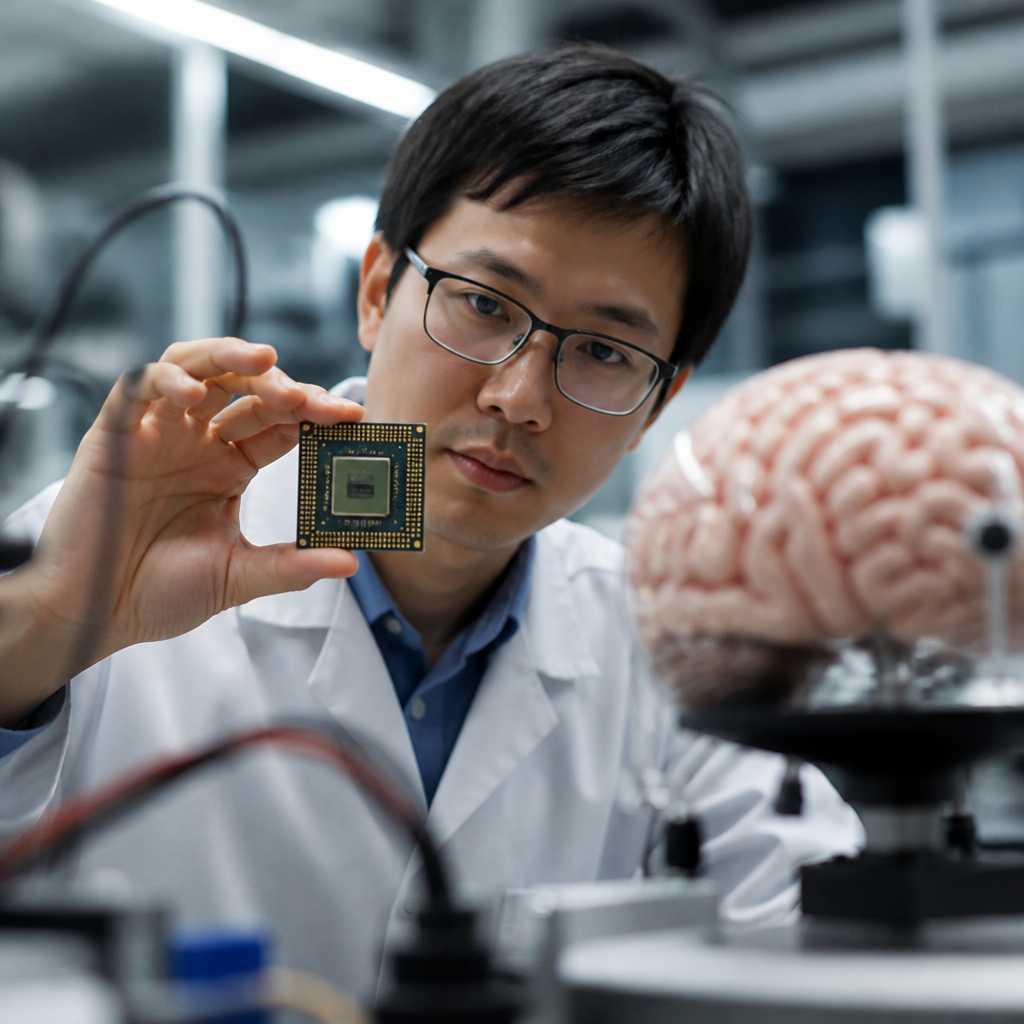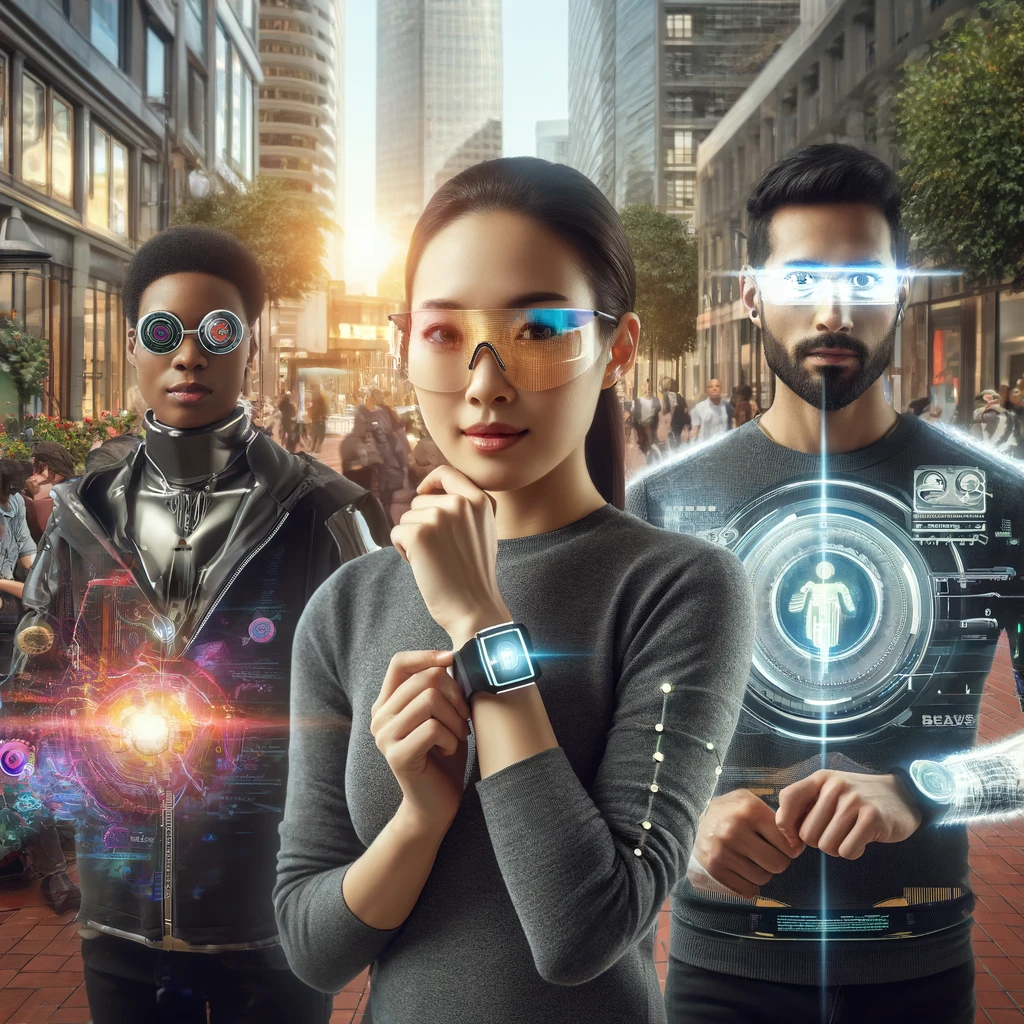
Silicon Valley, the heartland of technology and innovation, is no stranger to introducing groundbreaking technologies that redefine our everyday lives. The tech giants and startups of this vibrant region have consistently pushed the boundaries of what’s possible, from the inception of personal computers to the proliferation of smartphones. Today, there’s a new frontier that these innovators are exploring: wearable technology.
What is Wearable Technology?
Wearable technology, often simply called “wearables,” encompasses a range of electronic devices that are worn on the body. These gadgets are designed to be as unobtrusive as possible, integrating seamlessly into our daily routines while providing us with intelligent data and connectivity. Common examples include fitness trackers, smartwatches, and health monitors, but the category is rapidly expanding to include smart glasses, clothing with built-in sensors, and even advanced devices like personal safety trackers and virtual reality headsets.
The Rise of Wearables in Silicon Valley
Silicon Valley’s interest in wearables is driven by a convergence of technology advancements and consumer demand for more personal and immediate data. The miniaturization of electronic components, improvements in battery life, and advancements in artificial intelligence have all enabled a new generation of devices that are smaller, smarter, and more energy-efficient than ever before.
Startups and established tech companies alike are diving into this space, each bringing their unique innovations to the table. For instance, a startup might focus on a niche market, developing wearable devices that cater to specific health conditions, such as diabetes or heart disease. Meanwhile, tech giants might leverage their existing ecosystems to create devices that integrate smoothly with the services and products their users already enjoy.
The Impact on Health and Fitness
One of the most significant impacts of wearable technology is its transformation of the health and fitness industry. Devices like fitness trackers and smartwatches have made it easier than ever for individuals to monitor their physical activities, track their progress, and maintain healthier lifestyles. These devices provide real-time data on a wide array of metrics, including steps taken, calories burned, heart rate, and even sleep patterns.
Furthermore, wearables are increasingly being recognized by the medical community as tools that can help with early disease detection and chronic condition management. Some wearables now can monitor blood pressure, blood oxygen saturation, and electrocardiogram data, providing critical information that can preempt serious health issues.
Wearables in Everyday Life
Beyond health and fitness, wearable technology is becoming integrated into various aspects of everyday life. For example, smartwatches keep us connected by allowing us to check messages, emails, and notifications without ever needing to pull out our smartphones. Smart glasses offer the potential to layer digital information onto the real world, enhancing everything from navigation to interactive learning experiences.
Moreover, as wearable technology continues to evolve, its potential uses expand. Innovators are exploring wearables that could enhance personal safety, such as devices that can detect falls or send out alerts in emergencies. Others are looking at the workplace, where wearables could improve safety and efficiency, especially in physically demanding or hazardous jobs.
Challenges and Considerations
Despite the promising prospects, wearable technology faces several challenges. Privacy and security are at the forefront, as these devices collect a vast amount of personal data. Ensuring this data is handled securely and with respect for user privacy is paramount. Additionally, there’s the issue of technological inclusivity and accessibility—making sure that these innovations are available and beneficial to all segments of society, not just the technologically savvy or economically privileged.
Moreover, there’s the challenge of ensuring these devices are comfortable, stylish, and easy to use, factors that are crucial for user adoption. The aesthetics of wearables are just as important as their functionality, as they are personal accessories as well as technological devices.
As Silicon Valley continues to drive forward the development of wearable technology, the potential for these devices to significantly impact our lives grows. From enhancing health and fitness to improving productivity and safety, wearables represent a major step forward in the integration of technology into personal life. While challenges remain, the ongoing innovations in this space suggest that wearables may indeed be the next big thing from Silicon Valley, reshaping our interactions with technology in profound and exciting ways.

The Role of Startups in Pioneering Wearable Tech
In Silicon Valley, startups play a crucial role in the wearable technology landscape. These smaller companies often drive innovation because they can take risks that larger, more established companies might avoid. Startups are nimble and can pivot quickly in response to new technologies or market demands. This agility allows them to explore niche markets or develop unique applications for wearable tech that larger corporations might overlook.
For example, several startups are working on wearable devices that help manage stress and mental well-being. These devices use sensors to monitor physiological signals, like heart rate variability, to provide real-time feedback on the user’s stress levels and offer mindfulness exercises or breathing techniques to help manage their condition.
The Investment Climate for Wearables
The investment climate for wearable technology in Silicon Valley is robust. Venture capitalists and angel investors are eager to back companies that show potential to disrupt traditional markets or create entirely new ones. As of recent years, millions of dollars in funding have flowed into companies developing wearable technologies, indicating strong belief in the sector’s growth potential.
However, investment is not without its challenges. Startups must demonstrate not only innovative technology but also a viable business model and the ability to scale. Investors look for companies that can show sustainable growth potential, a clear understanding of their target market, and the capability to navigate the complex regulatory and competitive landscapes.
Integration with Internet of Things (IoT)
The integration of wearable technology with the Internet of Things (IoT) is another exciting development in this field. IoT refers to the network of interconnected devices that communicate and exchange data. Wearables become significantly more powerful when they can interact with other IoT devices. For instance, a fitness tracker that can communicate with a smart home system to adjust the temperature based on your body temperature or a smartwatch that can control IoT-enabled home security systems.
This connectivity not only enhances the functionality of wearable devices but also opens up new avenues for creating seamless user experiences. The potential for wearables to act as control hubs for other devices is a significant area of interest for both consumers and developers.
Future Trends in Wearable Tech
Looking to the future, several trends are likely to shape the evolution of wearable technology in Silicon Valley and beyond. One of the most anticipated developments is the further miniaturization of devices. As technology advances, components become smaller, enabling more complex functionalities to be packed into increasingly discreet designs.
Another trend is the expansion of wearable technology into new industries. For example, in the education sector, wearables could be used to enhance learning experiences through augmented reality. In professional sports, wearables might track athletes’ biometrics in real-time to tailor training programs and prevent injuries.
Moreover, as artificial intelligence (AI) and machine learning (ML) continue to advance, their integration into wearable devices will likely become more prevalent. AI can help make sense of the vast amounts of data collected by wearables, providing users with insights and recommendations personalized to their specific needs and lifestyles.
Conclusion
Silicon Valley’s innovation engine is powering the next wave of technological revolution through wearable tech. From health and fitness to personal safety and beyond, wearables are becoming an integral part of modern life. As the technology continues to evolve, the possibilities are nearly limitless. With the right blend of innovation, investment, and insight into consumer needs, wearables from Silicon Valley are poised to continue their trajectory as a transformative force in technology and everyday life.
As these devices become more embedded in our daily routines, the potential for wearables to enhance our lives and expand our capabilities will only grow. In this dynamic landscape, Silicon Valley’s role as a leader in tech innovation is reaffirmed, marking wearables as not just the next big thing, but a lasting evolution in how we interact with technology.