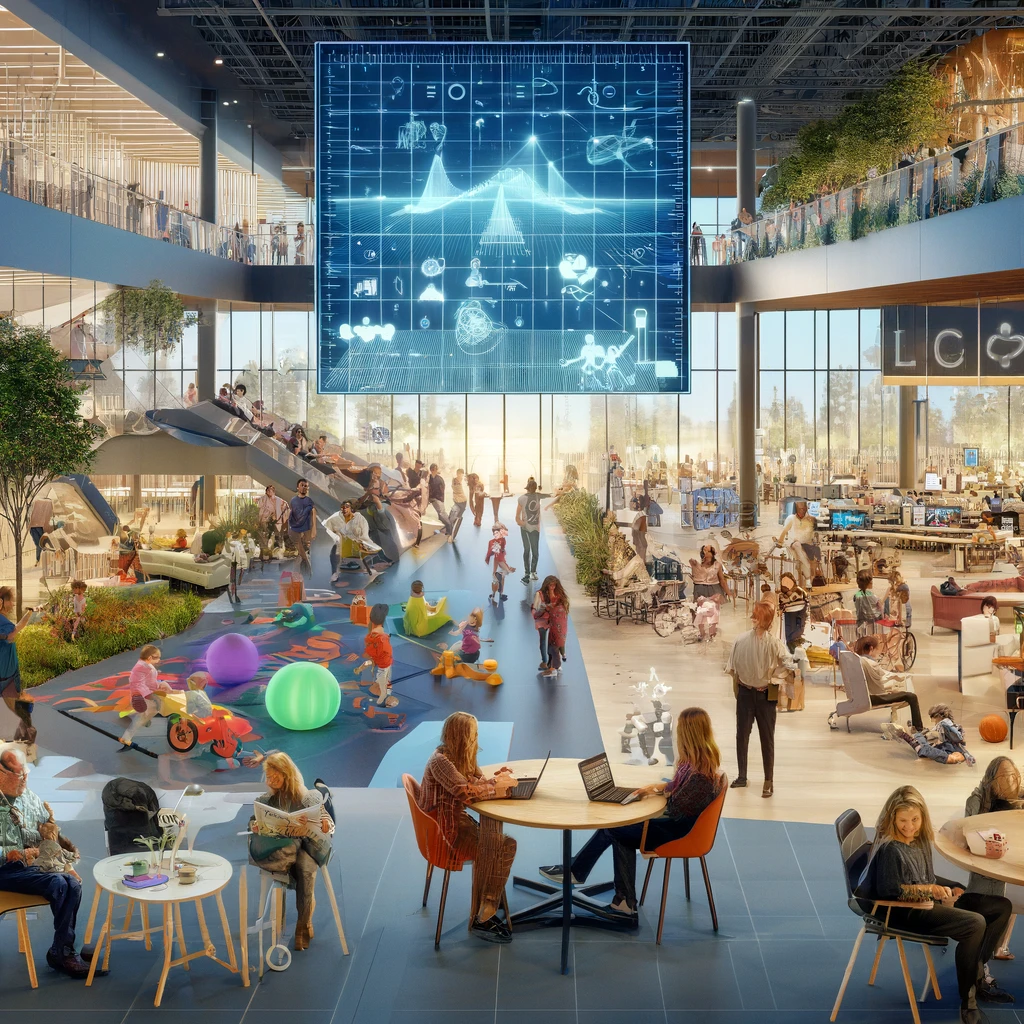
Silicon Valley, known as the global center for innovation and technology, has experienced an unprecedented real estate boom over the past few decades. This surge is primarily attributed to the rapid growth and success of tech giants like Google, Apple, Facebook, and many others that call this region their home. Nestled in the southern part of the San Francisco Bay Area, Silicon Valley has evolved from a hub of orchards and farmland to the pinnacle of high tech. But the impact of these tech titans on the real estate market has been both transformational and challenging. As tech companies expanded their footprint, the demand for housing, office spaces, and amenities skyrocketed, leading to skyrocketing property values and rental prices. This article delves into the multifaceted effects that heavyweight tech firms have on the Silicon Valley real estate sector, examining both the beneficial and adverse repercussions.
Tech Companies and Commercial Real Estate:
The influx of tech companies has had a significant effect on commercial real estate in Silicon Valley. Major corporations have acquired enormous parcels of land to build sprawling campuses, effectively shifting the landscape from low-rise developments to towering office spaces and innovative campus designs. For example, Googleplex in Mountain View and Apple Park in Cupertino exemplify the grandeur and scale these firms seek, contributing to an inflated demand for commercial properties. With such demands, developers are continually urged to create sophisticated, tech-friendly environments that cater to innovative workspaces. This boom isn’t just local; it feeds into the global image of Silicon Valley as a beacon of state-of-the-art commercial real estate.
This aggressive expansion comes with its share of challenges, however. First, the cost of commercial properties has risen dramatically, making it difficult for small and medium-sized enterprises (SMEs) to compete for prime locations. As larger tech corporations secure the best plots, smaller tech ventures and startups are often pushed to the fringes—both geographically and economically—of the real estate market. While the presence of these tech powerhouses might elevate the overall commercial real estate value, it does contribute to a widening gap between giant corporations and fledgling startups.
Residential Real Estate Impact:
Another unwelcome consequence of the tech boom is the tremendous pressure it has placed on residential real estate. The influx of high-paying jobs has dramatically increased demand for housing, but supply hasn’t kept pace, resulting in sky-high home prices. Engineers, executives, and other tech professionals, with their substantial salaries, can afford these elevated prices, which further drives up the cost of living. Thus, middle-class residents and essential service providers like teachers and healthcare workers find it increasingly difficult to afford homes near their workplaces. Cities like Palo Alto and Menlo Park, which were once characterized by modest homes and quiet streets, have transformed into competitive housing markets with multimillion-dollar properties.
Additionally, the construction of luxury apartments and condos aimed at attracting tech employees has transformed more than just the economy; it’s altered the very fabric of life in these communities. Long-time residents are at risk of being priced out, and new high-density housing developments replace older, more affordable homes. The drastic rise in housing costs has led to an increase in homelessness and housing insecurity among lower- and middle-income families, creating a sharp socio-economic divide.

The Role of Public Policy:
Local governments have had to continually adjust public policies in response to the complex dynamics driven by the tech industry’s growth. By implementing new zoning laws, offering tax incentives, and redesigning urban plans, they aim to balance economic development with the needs of the community. However, even well-intentioned policies often face criticism. For instance, policies aimed at fostering high-density residential developments may alleviate some housing issues but can exacerbate traffic congestion and environmental strain. Mayor-led initiatives to boost affordable housing are frequently mired in local opposition and legal battles, stymieing progress. Conversely, policies that heavily favor tech companies can deepen inequalities, accentuating the gap between tech employees and other community members.
Successful policy-making is also focused on sustainable development to mitigate the environmental impact of both new constructions and the increased population. For cities in Silicon Valley, the goal is to create sustainable urban spaces that accommodate both growth and environmental stewardship. The task is daunting, as advancing such multifaceted agendas requires navigating a labyrinth of interests, from tech giants advocating for fewer restrictions to residents pushing for preservation of community character and affordability.
Infrastructure and Connectivity:
The growing presence of tech giants has necessitated the development of superior infrastructure in Silicon Valley. Efficient public transportation systems, robust telecommunications networks, and sophisticated waste management systems are crucial to sustain such rapid growth. Consequently, projects like the Bay Area Rapid Transit (BART) extensions, enhanced fiber-optic networks, and renewable energy initiatives have emerged, driven by both public and private investments.
Nonetheless, the infrastructure development often lags behind the population growth driven by tech expansions. Traffic congestion is a pervasive issue, exacerbated by inadequate public transportation options connecting the suburbs with tech campuses. Companies have attempted to counter these shortcomings by providing shuttle services and encouraging remote work, yet the gap remains significant. Furthermore, the environmental impact of rapid infrastructure development poses additional challenges. Sustainable solutions, while essential, require extensive planning, investment, and time, challenging immediate practical needs.
Community and Culture:
The influx of highly skilled talent from around the globe has significantly transformed the culture of communities within Silicon Valley. With tech employees often working long hours and companies providing many on-site amenities, there is a unique campus culture that separates workers from the broader community. This has both positive and negative implications. On one hand, it fosters innovation and a sense of camaraderie among employees; on the other, it can create a bubble, isolating tech workers from other local residents.
Moreover, the substantial disposable incomes of tech employees have reshaped the local economy, with an increase in upscale restaurants, boutique shopping, and luxury services tailored to affluent tech professionals. However, this shift often marginalizes long-standing local businesses and reduces the diversity of services available to other residents. Cultural clashes and socio-economic divides become apparent as tech wealth continuously raises the area’s cost of living and alters its very character.
Conclusion:
In conclusion, the tech giants of Silicon Valley have played a pivotal role in shaping the region’s real estate landscape. Their influence has propelled commercial and residential property values to new heights, driven infrastructural developments, and transformed local communities. However, these changes come with significant challenges. The disparity between tech employees and other residents creates socio-economic divides, and the relentless drive for expansion can strain local infrastructure and environment. Public policy efforts continue to grapple with balancing growth and sustainability, aiming to mitigate negative impacts.
The story of Silicon Valley is a testament to the complex interplay between technological growth and urban development. Policymakers, tech companies, and communities must work synergistically to foster an environment where innovation thrives alongside equitable living conditions. By addressing the nuances of housing affordability, infrastructure sustainability, and cultural integration, Silicon Valley can aspire to be a model of balanced progress amidst technological advancements.