Once a mythical land of opportunity and innovation, Silicon Valley has evolved into a diverse ecosystem attracting dreamers, doers, and disruptors from all corners of the globe. Its magnetic pull is largely attributed to the tech giants and startups that have made it their home, fostering a unique culture teetering on the edge of what’s next. Yet, this sanctuary for tech enthusiasts comes at a cost—literal and figurative. The sky-high cost of living has posed a unique challenge, leading to the emergence of co-living spaces, a burgeoning trend that is meticulously reshaping urban housing.
In an environment where a tiny apartment could cost a fortune, co-living spaces offer both an affordable and community-centered alternative. These innovative housing solutions cater to the fast-paced, always-connected lifestyle that defines Silicon Valley’s residents. But co-living is about more than just shared spaces; it’s a lifestyle choice that promises to deliver a sense of community, professional networking, and enhanced well-being through shared activities and resources.
So, what makes Silicon Valley’s co-living spaces the future of urban housing? To answer this question, let’s dig deeper into this revolutionary housing model that’s gaining ground not only in the Valley but across numerous urban landscapes globally.
The Rise of Co-Living: A Response to Housing Shortage
It’s no secret that Silicon Valley has faced a housing crisis for years. The rapid influx of tech workers has outpaced the region’s housing development, leading to skyrocketing rent prices and limited availability. Enter co-living spaces, a solution crafted to counterbalance this disparity. Companies like WeLive, Embassy Network, and Common are pioneering this innovative approach, offering both short-term and long-term housing options with a twist: community-centric experiences.
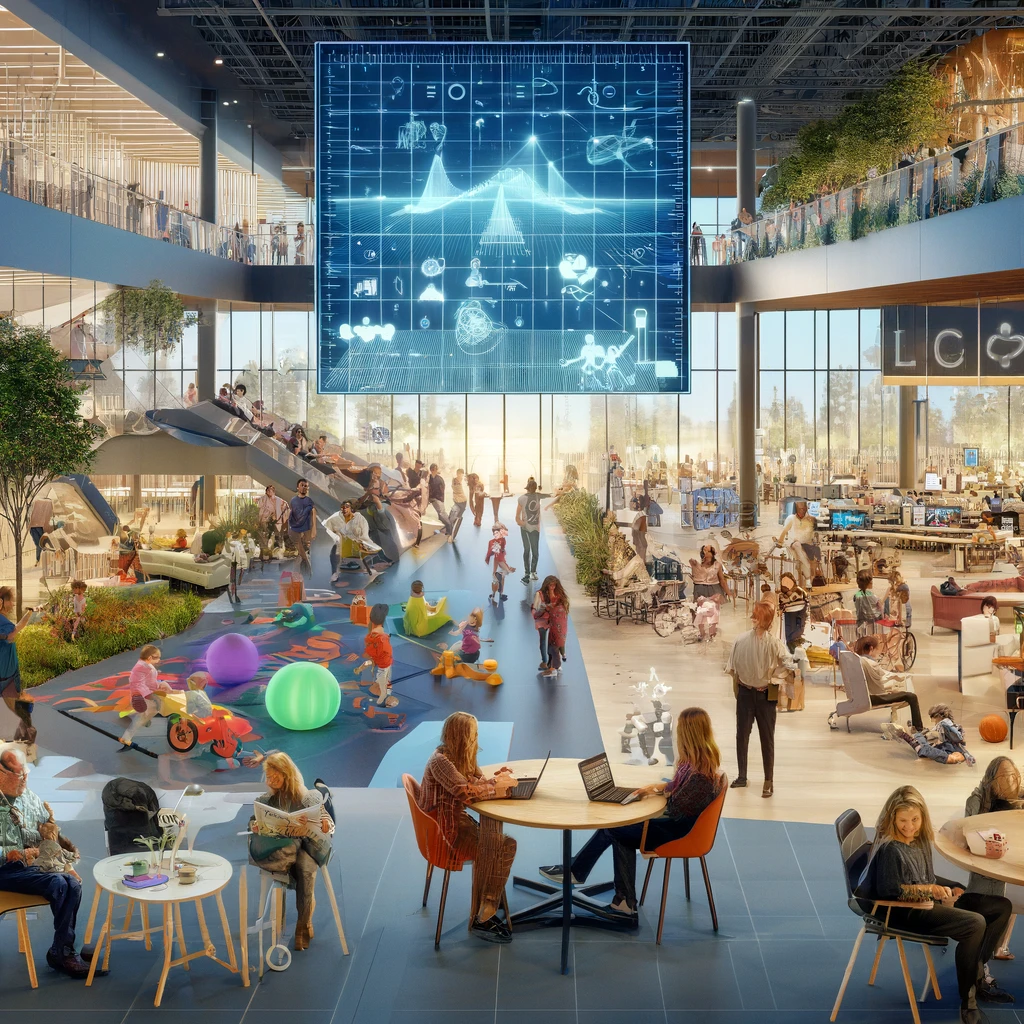
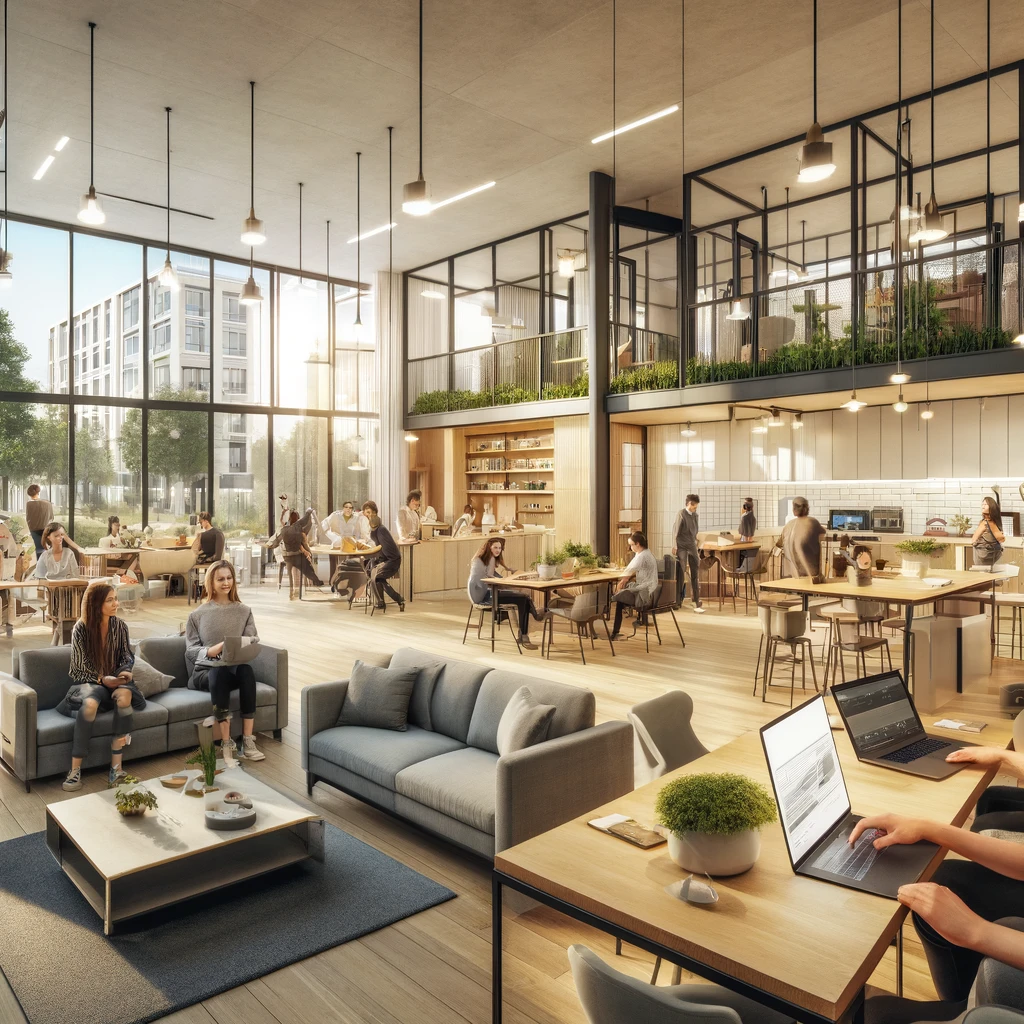
Unlike traditional housing, co-living arrangements usually include private rooms within shared apartments or houses, and feature communal spaces like kitchens, living rooms, and coworking areas. This setup ensures that residents save on rent while gaining an immediate sense of community—a win-win for young professionals and entrepreneurs flocking to the Valley. Furthermore, these co-living arrangements often include utilities, cleaning services, and social events in the rental fee, making it an attractive package.
By integrating elements of shared economies and collective living, co-living is more than just a stopgap solution. It’s a lifestyle shift that aligns closely with the collaborative spirit and fast-paced nature of the tech industry. Flexible leases and adaptive living conditions reflect the job market’s volatility, giving residents the freedom to move without the hassle of long-term commitments.
Tech Culture’s Influence on Co-Living Spaces
The tech culture deeply ingrained in Silicon Valley has significantly influenced the design and operation of co-living spaces. These dwellings aren’t just homes; they’re environments optimized for productivity, innovation, and community engagement. High-speed internet and state-of-the-art coworking spaces are non-negotiable amenities, ensuring that residents can work efficiently from home.
Smart home technology is another common feature, integrating IoT devices to enhance convenience and sustainability. Tenants can control lighting, heating, and security systems via mobile apps or voice commands, perfectly aligning with the ‘smart’ ethos of Silicon Valley. Moreover, these spaces often host tech-related events, coding workshops, and hackathons, turning homes into learning hubs that encourage constant skill enhancement.
It’s not just about working; it’s about working better and smarter. The co-living model caters to the dynamic, ever-evolving tech culture by providing environments that inspire creativity and foster collaboration. By blending living and working spaces, residents can seamlessly integrate their personal and professional lives, achieving a balance that traditional housing often fails to offer.

Co-Living and Lifestyle: A Perfect Symbiosis
One of the most compelling aspects of co-living in Silicon Valley is its potential to enhance lifestyle quality. While the initial draw might be affordability, residents often stay for the enriched quality of life. Shared living doesn’t just reduce financial stress; it cultivates a sense of belonging and reduces the isolation that often accompanies urban living.
Many co-living spaces offer an array of amenities that cater to wellbeing. Yoga studios, fitness centers, and communal gardens are standard, ensuring that residents can unwind and recharge without stepping out of their home. Weekly communal dinners, movie nights, and skill-sharing sessions strengthen community bonds, allowing residents to form meaningful relationships with neighbors.
Moreover, the organic networking opportunities provided by co-living setups can be career-enhancing. In a region where professional connections are as vital as technical skills, living with like-minded individuals opens doors to collaborations and referrals that might not happen in more isolated living situations.
Challenges and Criticisms of Co-Living Spaces
While co-living offers numerous benefits, it’s not without its challenges and criticisms. Privacy is often cited as a primary concern. Even though residents have their private rooms, the shared nature of kitchens, bathrooms, and living spaces can sometimes feel intrusive. Adequate respect and effective communication among housemates are essential to minimize conflicts.
Another challenge is the transient nature of co-living communities. With flexible leases and a population often in flux due to job changes or personal reasons, it can be difficult to establish lasting relationships, leading to a sense of instability. The very convenience that makes co-living attractive also contributes to its ephemeral nature.
Furthermore, the high demand for co-living spaces in prime locations can inflate prices, making them less affordable over time. Critics argue that this could lead to the same exclusivity that traditional housing faces, perpetuating the very problem co-living aims to solve. Balancing affordability with the high quality of amenities and services remains a challenge for co-living providers.
The Future of Co-Living and Urban Housing
Despite the challenges, the future of urban housing seems to be leaning heavily toward co-living. As cities continue to grow and housing crises become more prevalent, co-living offers a scalable solution that can be adapted to different urban environments. The concept is already gaining traction in other tech hubs like New York, Seattle, and London, indicating a broader acceptance of this lifestyle.
Sustainability is a significant focus for the future of co-living. Many co-living spaces are integrating green building practices and promoting sustainable living among residents. From energy-efficient appliances to waste reduction programs, these efforts not only lower living costs but also cater to the environmentally conscious demographic that makes up much of the tech industry.
The integration of artificial intelligence (AI) and machine learning (ML) is also on the horizon. Future co-living spaces could utilize AI to optimize resource usage, predict maintenance needs, and even curate social activities based on residents’ preferences, further enhancing the living experience.
As societal norms continue to evolve, co-living is likely to adapt and expand its offerings to different demographics. With the ongoing development of smart cities and the broader acceptance of flexible living arrangements, co-living is poised to become a cornerstone of urban housing solutions.
Conclusion
Silicon Valley’s co-living spaces offer a glimpse into the future of urban housing—a future that prioritizes affordability, community, and sustainability. By addressing the pressing housing crisis and catering to the unique demands of the tech culture, co-living spaces provide a practical and enriching solution for many professionals.
The tech-centric amenities, community-focused activities, and flexible living conditions are perfectly aligned with the fast-paced, interconnected lifestyle of today’s urban dwellers. While challenges exist, the potential benefits far outweigh the drawbacks, making co-living an increasingly attractive option for a wide range of individuals.
As this trend spreads beyond Silicon Valley, we can expect to see a proliferation of co-living spaces in urban areas facing similar housing challenges. The model’s ability to foster meaningful connections, support professional growth, and promote sustainable living makes it a viable and appealing choice for the future. Silicon Valley’s co-living spaces stand as a testament to the innovative spirit of the tech industry, paving the way for smarter, more community-oriented urban living.
The era of isolated, expensive urban apartments might soon be overshadowed by the rise of co-living communities, reshaping the fabric of city life and setting new standards for what it means to live and thrive in an urban environment.