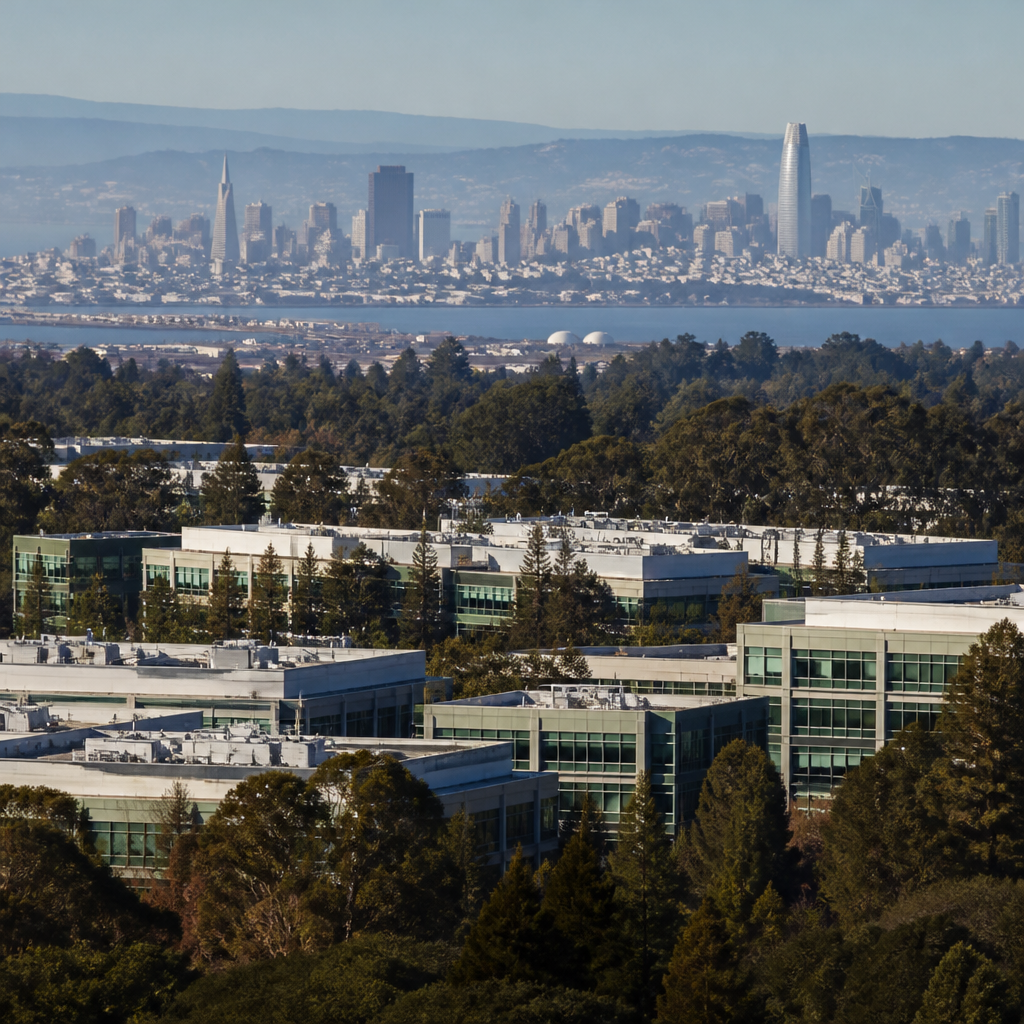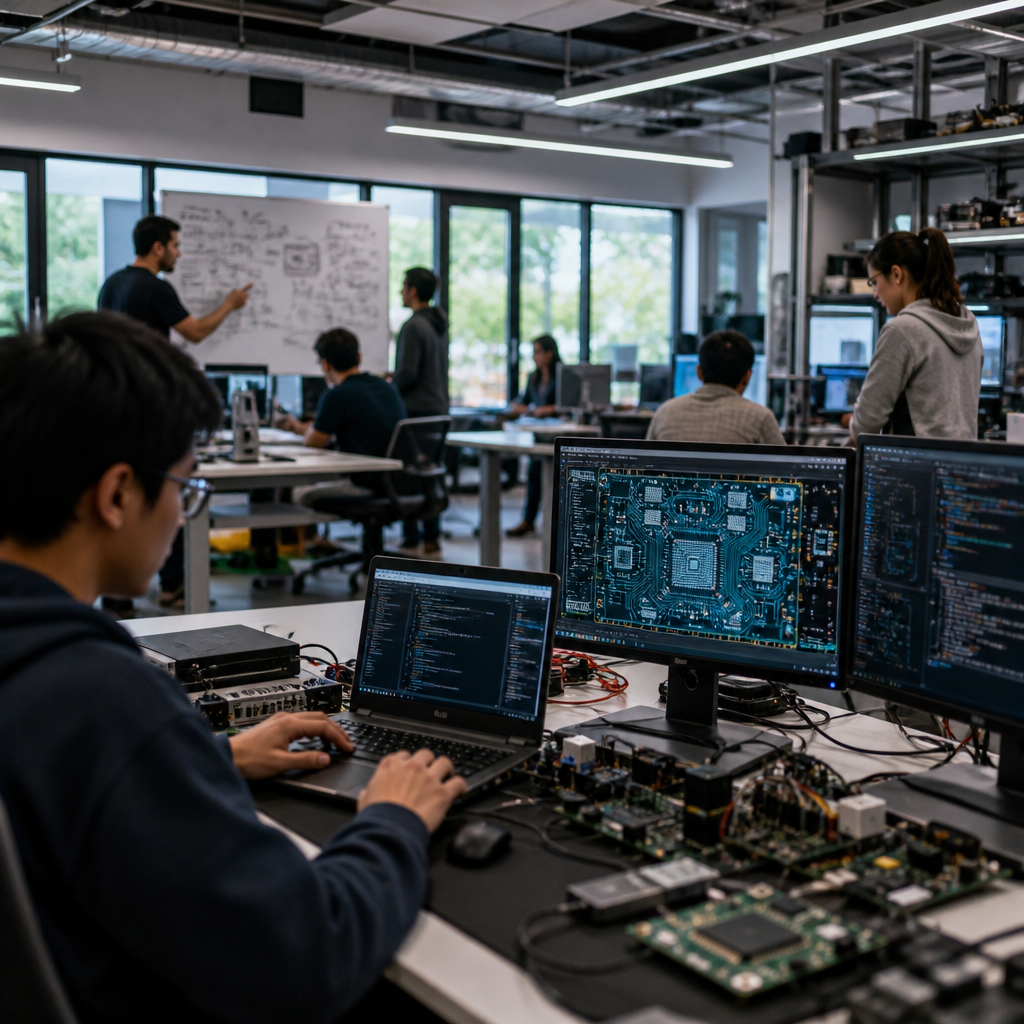
Silicon Valley, the globally recognized tech hub, continues to spearhead innovations that shape the future. Among its many areas of focus, Virtual Reality (VR) in education stands out as a revolutionary tool that promises to transform the learning landscape. The integration of VR in educational settings is not merely a futuristic vision but a rapidly growing trend that is changing the educational experiences of millions around the world. This article delves into the latest ventures in Virtual Reality spearheaded by Silicon Valley startups and how these innovations are redefining learning processes and environments.
Introduction
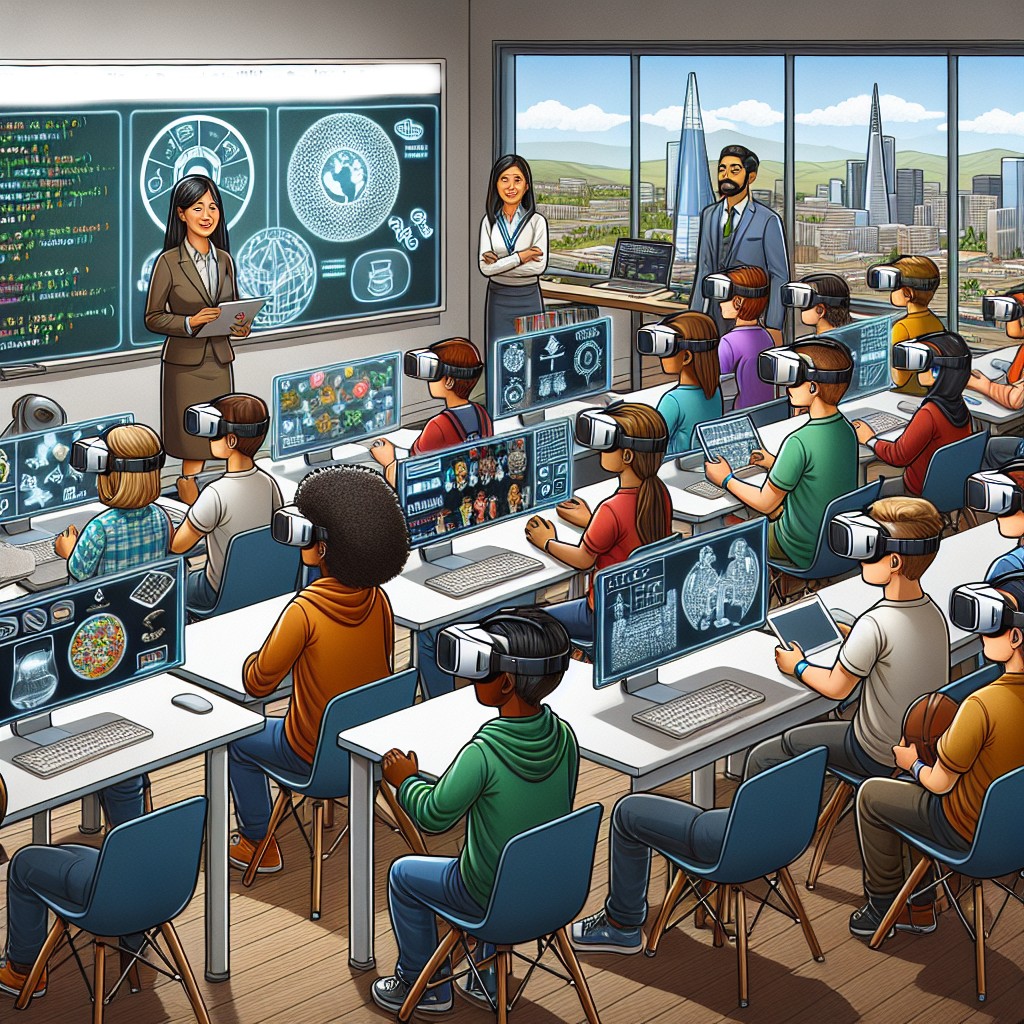
Virtual Reality (VR) is commonly associated with gaming and entertainment, but its potential extends far beyond these realms. Silicon Valley startups are now exploring and harnessing VR’s capabilities to create immersive, engaging, and interactive educational experiences. This transformation in education technology (EdTech) is much needed in an era where traditional teaching methods struggle to engage digital-native students. By creating virtual worlds where students can interact with their subject matter in a hands-on, immersive manner, VR makes learning both more effective and enjoyable.
One of the significant challenges in education has always been to maintain student engagement and interest. Traditional methods often fall short, especially when educating a generation that has grown up with digital technology. Virtual Reality offers an innovative solution, providing a distraction-free learning environment where students can focus and interact with educational content like never before. Imagine a history lesson where students can walk the streets of ancient Rome or a biology class where they can explore the human body in 3D. This is no longer just a possibility, but a reality, thanks to the groundbreaking work of many Silicon Valley startups.
Moreover, the COVID-19 pandemic has accelerated the adoption of remote learning tools, highlighting the urgent need for innovations in this space. VR offers a unique way to bridge the physical gap between students and educators, creating virtual classrooms that foster interaction and collaboration more naturally than traditional video conferencing tools. By leveraging VR technology in education, we are not just enhancing the learning experience but also paving the way for more inclusive and accessible education for all, regardless of geographic or socio-economic barriers.
The Role of Silicon Valley in VR Education
Silicon Valley has always been at the forefront of technological innovation, and its venture into VR in education is no exception. Startups like zSpace, Prisms of Reality, and Engage have developed platforms that offer immersive learning experiences capable of revolutionizing traditional education. These companies are working towards creating VR content that aligns with educational curricula, ensuring that the experiences are not only engaging but also educationally relevant.
zSpace, for instance, has been providing VR and mixed reality solutions specifically designed for education and training sectors. Their interactive VR labs allow students to perform complex experiments and understand concepts in a way that traditional textbooks can’t. These labs cater to various subjects, including science, technology, engineering, and mathematics (STEM), providing an enriched learning experience that prepares students for real-world challenges.
Another significant player, Prisms of Reality, focuses on building VR learning modules for mathematics education. Their goal is to address and improve upon the often-dreaded subject of mathematics by making it more interactive and engaging. Prisms of Reality has developed VR experiences that guide students through complex mathematical concepts using real-world applications, making abstract ideas more tangible and understandable.
Engage, on the other hand, is a platform that provides a virtual communication environment tailored for education and business training. They offer a space where teachers and students can interact in a virtual classroom, participate in group activities, and access content in a highly immersive way. Engage’s virtual classrooms are designed to replicate the physical classroom experience as closely as possible, enhancing the sense of presence and engagement among students.
Transformative Potential of VR in Education
VR’s transformative potential in education is immense. By providing a multi-sensory learning experience, VR helps in better retention of information and understanding of complex concepts. This immersive learning environment caters to various learning styles, whether visual, auditory, or kinesthetic, ensuring that no student is left behind.
For example, medical students can immensely benefit from VR by simulating surgeries and medical procedures, which can be repeatedly practiced without any real-world risk. This hands-on experience is invaluable in medical education, where practical skills are just as important as theoretical knowledge. Similarly, architectural students can explore geometry and design in a 3D space, gaining a more intuitive understanding of the structures they will eventually create.
Additionally, VR can play a crucial role in special education by offering custom-tailored learning experiences that meet the unique needs of students with disabilities. For students who might struggle with traditional learning environments, VR provides an alternative that is more manageable and less overwhelming. By creating personalized, immersive educational experiences, VR can help bridge the gap for students who require more intuitive and contextual learning tools.
Furthermore, language learning can also be greatly enhanced through VR. Imagine a scenario where students can immerse themselves in a different cultural and linguistic environment without leaving the classroom. They can practice speaking with native avatars, navigate through foreign cities to learn direction-related vocabulary, and engage in situational role-plays, all of which bolster language acquisition and fluency.

Challenges and Considerations
Despite its potential, integrating VR into mainstream education is not without challenges. One of the primary barriers is the cost of VR equipment. Even though VR headsets have become more affordable over the years, outfitting an entire classroom with VR technology can still be costly. Schools and educational institutions need substantial funding and resources to implement VR solutions effectively.
There’s also a learning curve associated with VR technology. Teachers and educators need adequate training to use VR tools efficiently and to integrate them into their teaching strategies. Professional development programs and ongoing support are crucial to ensure that educators are comfortable and proficient with this new technology.
Moreover, there are concerns regarding the prolonged use of VR, particularly in terms of health and safety. Issues such as motion sickness, eye strain, and the psychological impact of extended virtual environments are areas that need careful consideration. Ensuring that VR use is balanced with traditional teaching methods and real-world interactions is essential to mitigate any adverse effects.
Lastly, content creation for VR is another significant challenge. High-quality educational VR content must be developed to provide meaningful and curriculum-aligned learning experiences. Collaboration between educators, content creators, and VR developers is necessary to produce content that is both engaging and educationally valuable.
Case Studies and Success Stories
Several case studies highlight the successful implementation of VR in education. Middletown City School District in Ohio, for example, has incorporated VR into their STEM curriculum, allowing students to explore scientific concepts in a deeply immersive manner. This initiative has resulted in increased student engagement and improved academic performance, demonstrating the practical benefits of VR in education.
The University of Illinois at Urbana-Champaign has also embraced VR technology by establishing a VR lab where students can engage in immersive learning experiences across various disciplines. From exploring ancient ruins to simulating chemical reactions, students have reported higher satisfaction levels and a better grasp of course material.
In the UK, the London College of Communication has integrated VR into their media and design courses, providing students with the tools to create and interact with virtual environments. This hands-on experience is invaluable in preparing students for careers in media, design, and technology, where VR is becoming increasingly prevalent.
These case studies illustrate that when implemented thoughtfully, VR can substantially enhance the educational experience. Schools and universities are increasingly recognizing the value of VR and are looking to invest in this technology to create more dynamic and effective learning environments.
The Future of VR in Education
The future of VR in education looks promising. As technology continues to advance, VR is likely to become more accessible and affordable, making it a viable option for more educational institutions. The continuous development of more sophisticated VR hardware and software will further enhance the immersive learning experience, providing more engaging and effective educational tools.
Innovations such as more lightweight and comfortable VR headsets, combined with enhanced graphical capabilities, will make VR experiences even more realistic and immersive. The incorporation of artificial intelligence (AI) in VR will open up new possibilities for personalized and adaptive learning, where the VR environment can respond in real-time to the learner’s needs and progress.
Moreover, as remote learning becomes more prevalent, VR can provide a more interactive and engaging alternative to traditional online education. Virtual classrooms and collaborative learning spaces can replicate the social interaction and engagement of physical classrooms, addressing one of the main limitations of remote learning.
Additionally, the ongoing collaboration between tech companies, educators, and government bodies will be crucial in driving the adoption and integration of VR in education. Policies and funding programs that support EdTech innovations can accelerate the implementation of VR in schools and universities, democratizing access to cutting-edge educational tools.
Conclusion
Silicon Valley continues to lead the way in tech innovations, and its ventures into VR in education are setting the stage for a transformation in how we learn and teach. By providing immersive, interactive, and personalized learning experiences, VR has the potential to make education more engaging, effective, and inclusive. However, the successful integration of VR in education requires addressing challenges such as cost, training, content creation, and health considerations.
The success stories and case studies from various educational institutions illustrate the tangible benefits and potential of VR in education. As technology evolves and becomes more accessible, the future of VR in education looks bright, promising to redefine the educational landscape. With the collective efforts of tech innovators, educators, and policymakers, we can harness the power of VR to create a more dynamic and effective educational experience for students worldwide.
Silicon Valley’s foray into VR in education is more than just a technological advancement; it is a step towards a future where learning is not confined to textbooks and classrooms but is an immersive and engaging experience that caters to the diverse needs of every student.