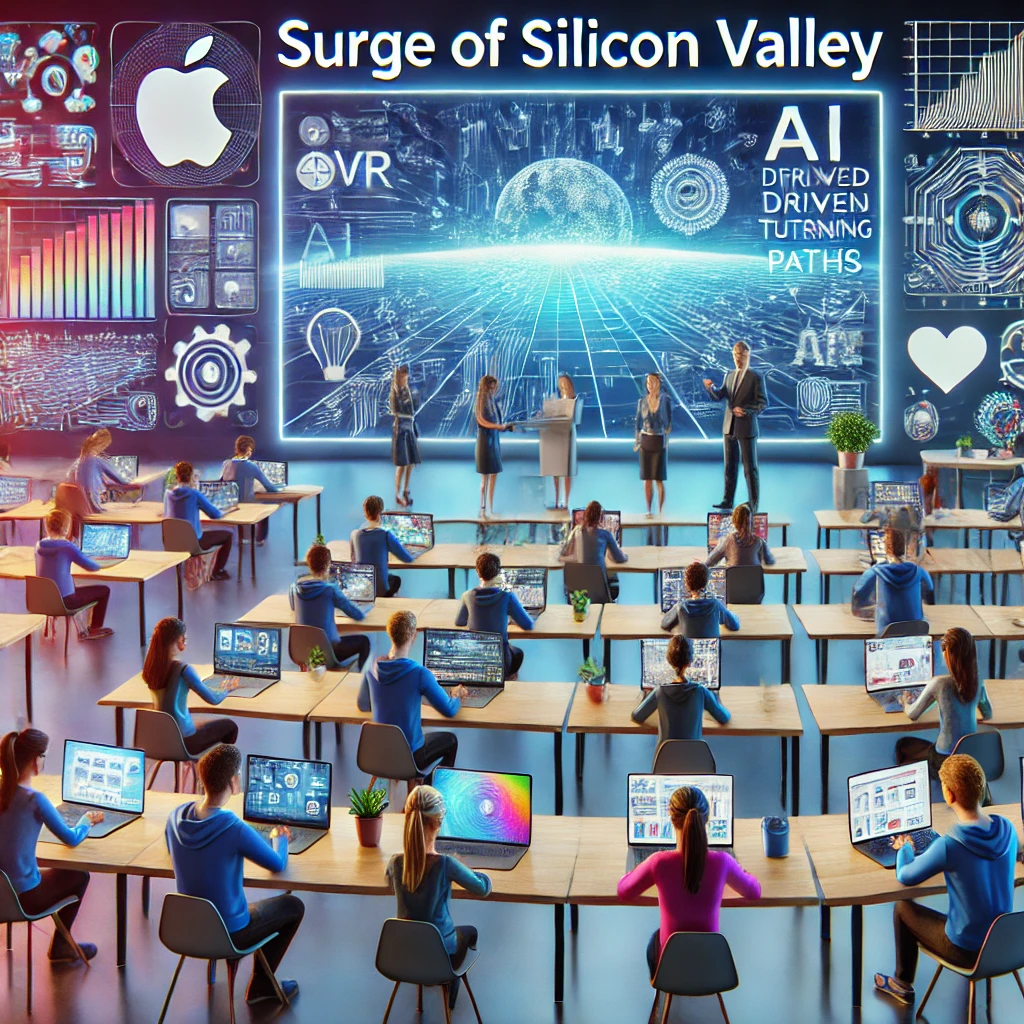
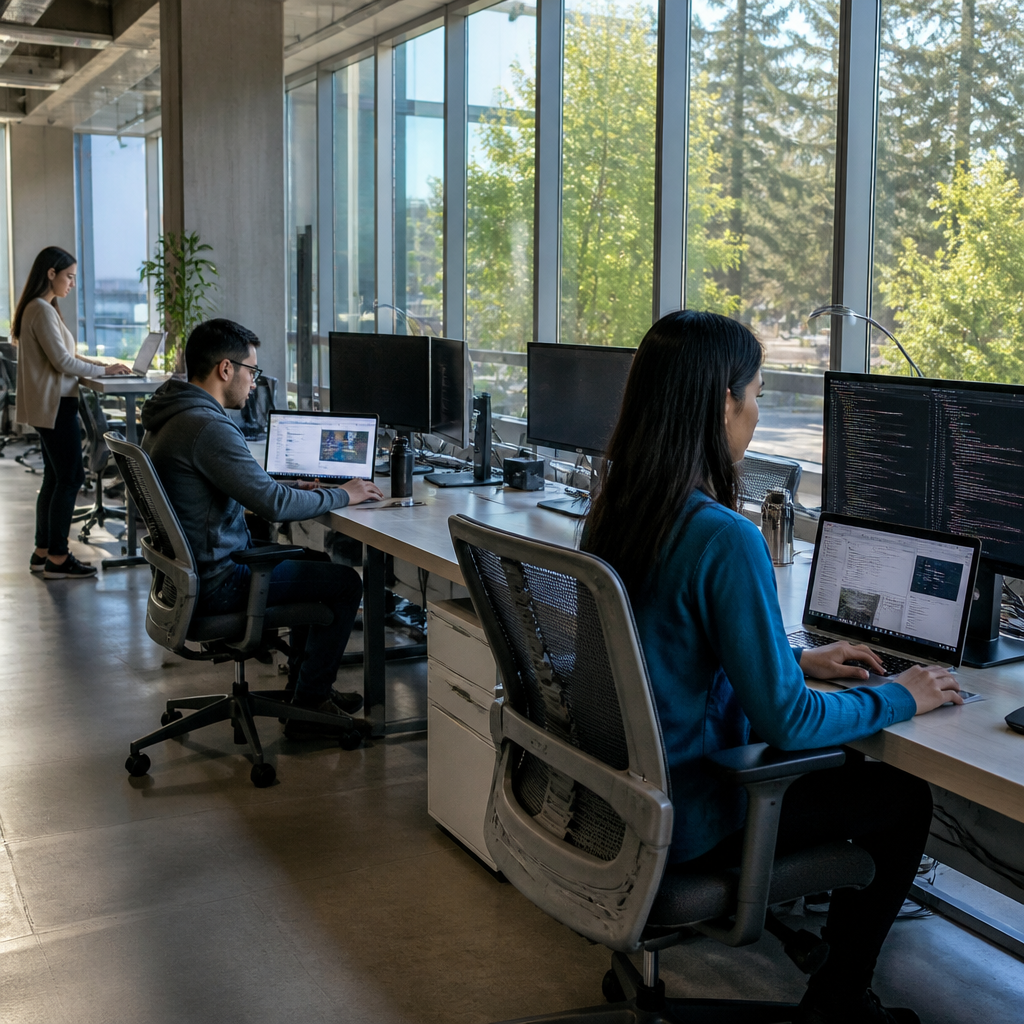
Silicon Valley, nestled in the heart of northern California, has long been hailed as the epicenter of technological innovation. Over the decades, it has birthed countless technological advancements that have profoundly influenced various sectors. Among these sectors, digital art has experienced a transformative evolution, largely fueled by the pioneering innovations emerging from this region. In particular, software and digital platforms developed in Silicon Valley have reshaped the tools and mediums available to digital artists, enabling them to explore unprecedented creative possibilities. While traditional forms of art remained largely unchanged for centuries, the digital age has introduced dynamic shifts, unlocking new realms of expression and interactivity. This fusion of technology and artistry is best symbolized by the rise of digital art forms, virtual reality experiences, and the integration of artificial intelligence, creating a symbiotic relationship between art and technology.
Notable digital art platforms such as the French Girls App showcase the ingenuity imbued by the collaborative Silicon Valley environment. Named intriguingly after a scene from the film Titanic, the app merges creativity with advanced technology to engage users in creating personalized digital art. The app not only serves as a tool for artistic expression but also highlights the tangible impact technological advancements have had on democratizing art creation and distribution. As we delve into Silicon Valley’s pivotal role in this evolution, it is imperative to examine how digital art has emerged, matured, and continued to evolve, establishing itself as a vital aspect of contemporary culture.
Technological Innovations Enabling Digital Art
Silicon Valley’s technological ecosystem has laid the groundwork for the evolution of digital art. Cutting-edge hardware and software innovations have catalyzed artists to push boundaries, creating works that would have been unimaginable in the pre-digital era. Companies such as Apple and Adobe stand at the forefront of these developments. Apple’s high-quality displays and computing power, found in products like the iPad and MacBook, provide artists with robust tools that enable precision and flexibility. Adobe’s suite of programs, including Photoshop and Illustrator, have become industry standards, offering comprehensive tools for creating and editing digital images.
The emergence of cloud computing and storage, spearheaded by Silicon Valley giants like Microsoft and Google, has further revolutionized the digital art landscape. Cloud technology offers artists the convenience of storing vast repositories of artwork and collaborating with peers worldwide effortlessly. The availability of powerful online tools and platforms fosters a globally connected community of artists, accelerating the sharing of ideas and collaborative projects. Additionally, the enhancement of computational power and the constant innovation in graphics processing technologies provide digital artists with more tools to manipulate and render complex works of art. Companies such as NVIDIA continually pushing the envelope in this space, delivering GPUs that offer blazing speeds and enrich the realism and depth of digital artwork.
Disruptive Applications and Platforms
The rapid expansion of digital art correlates with the rise of a myriad of disruptive applications and platforms. Arguably, one of the most intriguing platforms to emerge is the French Girls App. Initially popularized by its playful name and entertaining premise, the app allows users to turn selfies into custom art pieces. By leveraging both user-generated content and digital art tools, it grants accessibility to art creation for individuals lacking traditional artistic skills. Moreover, the utilization of machine learning algorithms in the app enriches the creative process, producing visually engaging pieces with a personalized touch. Its success is a testament to how tech innovation can tap into cultural phenomena to create engaging, interactive experiences.
Beyond entertainment, platforms like Pinterest and DeviantArt provide arenas where artists can showcase their digital art, receive feedback, and grow their following. Instagram, another powerhouse emerging out of the technological revolution, enables artists to achieve unprecedented visibility, reaching global audiences instantaneously. These platforms not only allow artists to distribute their art efficiently but also bridge the gap between creators and art enthusiasts, facilitating interaction and appreciation on a global scale.
The Influence of Augmented and Virtual Reality
Augmented Reality (AR) and Virtual Reality (VR), fostered heavily in Silicon Valley, have expanded the dimensions of digital art. Pioneers in the industry, such as Oculus (acquired by Facebook, now Meta) and Valve, create VR systems that transport users into fully immersive digital worlds, opening pathways previously unexplored by traditional artists. Similarly, companies like Snap and Niantic leverage AR to layer digital creations seamlessly over the physical world, as exemplified by applications like Snapchat AR filters and Pokémon GO.
This immersive technology pathway allows artists to create multisensory art experiences where digital art is not only seen but experienced. Virtual art exhibits and galleries have emerged, welcoming users into 3D environments where interaction with art becomes a tangible experience. This newfound depth and sensory engagement present digital artists with unique canvases, extending the possible dimensions and qualities of their work. Consequently, artists harness this technology to build intricate narratives and interactive experiences, historically unprecedented in conventional art media.
The Role of Artificial Intelligence in Art Creation
Another major contribution from Silicon Valley lies in the integration of Artificial Intelligence (AI) into the realm of digital art. Tech leaders in AI research, such as Google DeepMind and OpenAI, advance algorithms capable of learning and simulating human creative processes. Application of AI in art creation is perhaps most famously recognized through projects like DeepArt and RunwayML, which allow users to apply the styles of master artists to their own images. This computational creativity enables artists to expand artistic pursuits by transcending human constraints and exploring new artistic genres that blend human intuition with machine intelligence.
The implementation of AI as a creative partner in the artistic process generates discussions about authenticity, creativity, and the relationship between man and machine in the artistic domain. While AI augments creative potential, it also challenges artists to redefine their roles within collaborative frameworks. Herein lies a vibrant discourse on the ethical implications of AI-driven creativity, fueling ongoing debates within Silicon Valley and the broader tech-art community.
Impact on the Art Market and Economy
Silicon Valley’s ecosystem has fundamentally reshaped the economics of art. The digital transformation offers artists alternative monetization channels, opening access to broader markets and reducing traditional barriers to entry. Platforms like Etsy, Kickstarter, and Patreon support independent artists, facilitating direct engagement with patrons and producing sustainable revenue streams outside conventional gallery frameworks. Digital artists can fund projects, sell artwork, and interact personally with their fanbase, bypassing the need for intermediaries or physical spaces.
Moreover, the emergence of blockchain technology, championed by Valley innovators, has introduced an entirely new paradigm through NFTs (Non-Fungible Tokens). NFTs uniquely authenticate digital artworks, bestowing scarcity and ownership properties akin to physical artwork. This cryptographic validation of digital art pieces not only enriches their value but also establishes a novel art market ecosystem where provenance is immutable. Platforms like OpenSea and Rarible provide marketplaces for these tokenized arts, illustrating Silicon Valley’s continuing frontier spirit in the art economy.
Conclusion
As the intersection of technology and creativity grows richer, Silicon Valley stands prominently as a catalyst in the digital art revolution. Its foundational role in equipping artists with innovative tools and platforms has expanded artistic boundaries, dismantling previous limitations and opening new realms of expression. From mobile applications like the French Girls App to VR and AR experiences, the continuous cycle of innovation amplifies the potential and democratizes access to art creation and appreciation.
Furthermore, the influence of artificial intelligence, machine learning, and blockchain technologies have created transformative ripples throughout the art world. As digital artists are compelled to reinterpret traditional norms, Silicon Valley’s advancements enable them to weave across new dimensions of creativity, experimenting freely with form, medium, and interaction. The transformative impact on the art economy spurred by these innovations enables a more inclusive, diverse artistic landscape, where creators have unprecedented control over their economic destinies.
In conclusion, Silicon Valley’s ongoing commitment to fostering technological progress continues to redefine what is possible within the digital art sphere. As artists evolve alongside technology, the interplay between artistic vision and technological capability promises a vibrant, dynamic future. The confluence of these forces invites society to engage with art in novel, interactive ways while enriching cultural heritage with an influx of creativity and innovation.
Frequently Asked Questions
1. What exactly is Silicon Valley’s contribution to the field of digital art?
Silicon Valley’s contribution to digital art is monumental. At its core, Silicon Valley is a breeding ground for technology and innovation, and it has played a significant role in shaping the digital art landscape through its groundbreaking technological advancements. The Valley is home to tech giants and countless startups that have developed the software and digital platforms crucial to the creation, distribution, and appreciation of digital art. Software such as Adobe Photoshop and Illustrator, which revolutionized design and digital artistry, have their roots in this tech hub. Additionally, Silicon Valley’s wealth of cutting-edge hardware, like the Apple iPad Pro and sophisticated graphic tablets, have given artists new and powerful tools to execute their visions with finesse. The availability of powerful processing capabilities and cloud-based computing, pioneered in this region, enables artists to create more complex works and collaborate seamlessly across the globe.
2. How has digital art evolved due to innovations from Silicon Valley?
Digital art has undergone a major transformation, thanks to Silicon Valley’s tech prowess. Prior to these advancements, creating art was largely limited to analog methods or rudimentary digital tools. With Silicon Valley’s influence, however, art has shifted towards more dynamic, versatile, and globally accessible forms. Innovations such as virtual reality (VR) and augmented reality (AR) have opened new avenues for artists to explore immersive, interactive art experiences. Software developments have boosted artists’ ability to craft 3D models and stunning visual effects, broadening the scope of what’s possible in art creation. Additionally, platforms like social media and digital marketplaces, developed in Silicon Valley, have amplified artists’ reach, allowing them to showcase their work to a global audience and facilitate unprecedented levels of community engagement and critique. All these factors combined have redefined art’s intersection with technology, producing entirely new genres and pushing the boundaries of creativity.
3. Why is Silicon Valley so effective in catalyzing advancements in digital art?
Silicon Valley’s effectiveness in driving digital art advancements stems from its unique ecosystem of innovation. The region fosters a culture where creativity meets technology, supported by a dense network of tech companies, venture capitalists, and forward-thinking entrepreneurs. This environment encourages rapid prototyping and scaling of new ideas. Startups and tech giants alike are constantly experimenting with emerging technologies, such as artificial intelligence (AI), machine learning, and blockchain, which can have significant applications in digital art. Moreover, Silicon Valley’s academic institutions often collaborate with industry leaders, further fueling research and innovation. The Valley’s global reach and powerful networking capabilities enable ideas to be shared and expanded upon, allowing digital art to evolve in tandem with technological advancements. The spirit of technological entrepreneurship prevalent in the region continuously inspires artists and technologists to push the envelope in digital creativity.
4. Are there any notable digital art platforms that originated in Silicon Valley?
Yes, several notable digital art platforms and tools have emerged from Silicon Valley. Among the most well-known are Adobe Creative Suite applications like Photoshop and Illustrator, which are indispensable to digital artists for creating and editing artwork. Autodesk, also rooted in Silicon Valley, offers AutoCAD and other 3D modeling software that are pivotal in both creative and industrial sectors. Social media platforms like Instagram and Pinterest, although broader in scope, provide venues for artists to display their work and interact with global audiences. Moreover, platforms like DeviantArt and ArtStation, while not exclusively Silicon Valley-based, benefit greatly from the region’s tech innovation by integrating with tools and technologies developed there. These platforms have contributed to the democratization of art, making it more accessible and collaborative, and have enabled artists to reach an unprecedented scale of audience engagement and monetization techniques.
5. How does the future look for digital art with continued innovations coming out of Silicon Valley?
The future of digital art appears incredibly promising as Silicon Valley continues to be a powerhouse of innovation. As we look ahead, emerging technologies such as AI are poised to revolutionize the way art is created, allowing for the generation of complex, algorithmically-driven artwork. The potential for AI to assist in creating personalized art experiences is vast, with AI programs already starting to recognize and respond to users’ emotional states and preferences. Meanwhile, advancements in AR and VR could bring about entirely new genres of art, providing fully immersive experiences that were once in the realm of science fiction. Blockchain technology, which is gaining traction in the Valley, promises to provide new market dynamics for artists through verifiable ownership and sales of digital originals in the form of NFTs (non-fungible tokens). This technology is revolutionizing how digital art is bought, sold, and authenticated, opening new economic potential for artists and collectors. The convergence of all these technologies will make digital art more innovative, interactive, and integral to daily life, showcasing Silicon Valley’s continuing influence in shaping the world of digital artistry. As long as Silicon Valley remains a leader in technological evolution, the digital art world will likely continue to expand and embrace new opportunities for creativity and expression.