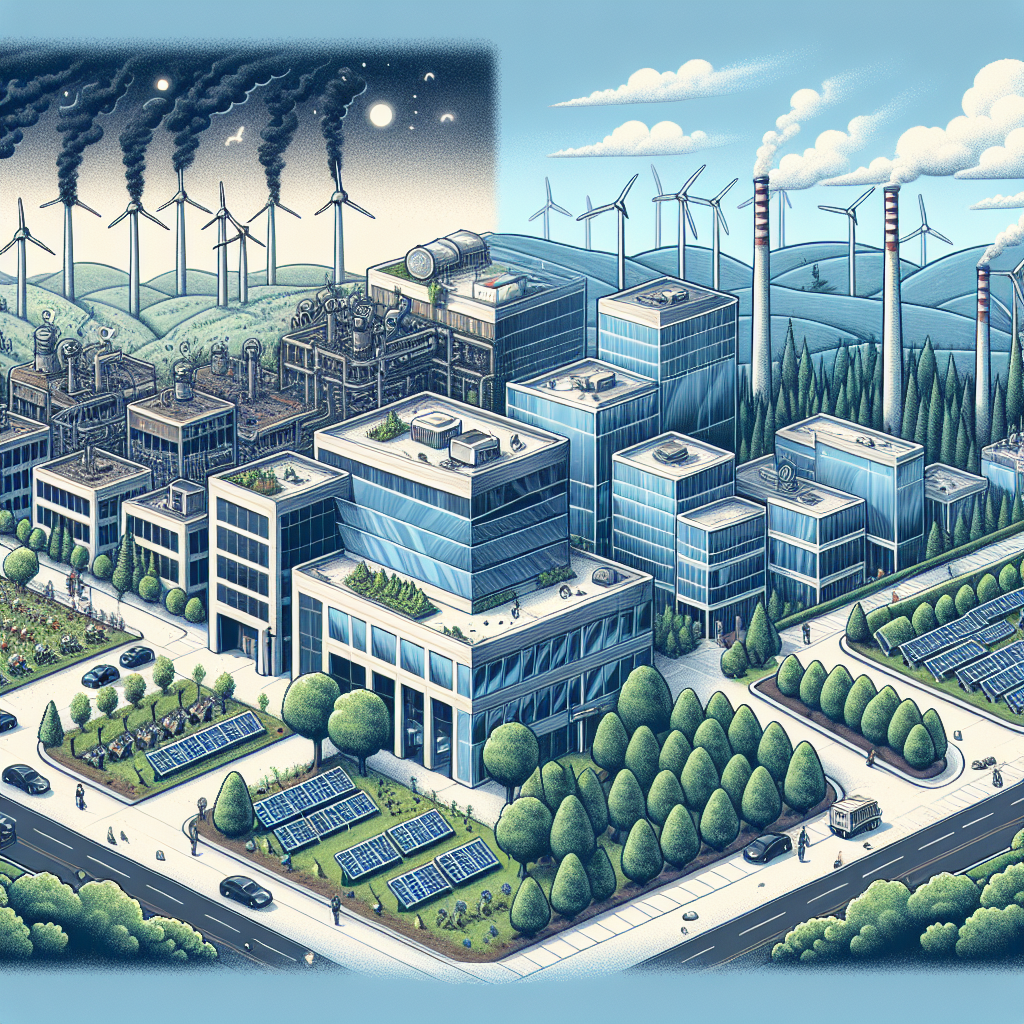
Silicon Valley has long been renowned as the global hub for technology and innovation. However, amid a growing global sentiment toward environmental conservation and sustainability, there’s a transformative shift occurring within this vibrant ecosystem. Entrepreneurs, venture capitalists, and tech companies are increasingly recognizing the importance of sustainable practices. From the adoption of renewable energy sources to the development of environmentally friendly products and services, Silicon Valley is spearheading a green revolution.
Introduction
Silicon Valley, nestled in the southern part of the San Francisco Bay Area, has been a beacon of innovation and technological advancement for decades. It is home to the world’s leading tech giants like Google, Apple, and Facebook, as well as a breeding ground for ambitious startups. This unique ecosystem thrives on creativity, entrepreneurial spirit, and capital influx, provided by venture capitalists who are always on the lookout for the next big thing.
In recent years, there’s been a significant shift in the focus of both startups and investors. The pressing issue of climate change, along with an increasing awareness of environmental sustainability, has prompted a new wave of green tech innovations. Sustainable startups are no longer seen as niche markets but as the future of industry and technology. This introductory section sets the stage for understanding how Silicon Valley is not just embracing sustainability but is becoming a leader in green entrepreneurship.
The Rise of Sustainable Startups
Silicon Valley’s ecosystem of innovation has naturally extended to include sustainable startups. These companies tackle environmental issues with cutting-edge technologies, offering solutions that range from renewable energy to waste reduction. One notable example is Tesla, which revolutionized the electric vehicle market and set an industry standard. Complementing Tesla’s work, numerous startups focus on solar energy, energy storage, and smart grid technologies, all contributing to a greener planet.
Moreover, the burgeoning field of sustainable startups includes companies working on biodegradable materials, recycling innovations, and carbon capture solutions. These startups illustrate how entrepreneurship in Silicon Valley is evolving to meet the needs of a more eco-conscious market. Innovators are harnessing the power of technology to not only generate profit but also to make a positive impact on the environment. This evolution is backed by a growing consumer demand for sustainable products and services, driving the market further toward a green future.
Investment in Green Tech
Venture capitalists in Silicon Valley have played a crucial role in supporting the rise of sustainable startups. These investors understand that while green tech may require substantial upfront capital, the long-term returns and positive environmental impact are invaluable. According to the Global Sustainable Investment Alliance, sustainable investments have seen a surge, indicating a shift in investor mindset.
Prominent venture capital firms, such as Sequoia Capital and Andreessen Horowitz, have increasingly invested in green technologies. These firms recognize the potential for scalable, profitable business models that address urgent environmental challenges. Investments span various sectors, including clean energy, sustainable agriculture, and eco-friendly consumer products. The commitment to green tech not only fosters innovation but also signals to the market that sustainability is a priority, attracting more entrepreneurs to this vital sector.
Challenges and Opportunities
While the shift toward green tech in Silicon Valley is promising, it is not without challenges. One of the primary obstacles is the high cost of developing sustainable technologies. Research and development in this field often require substantial investments of time and resources before commercial viability is achieved. However, the unpredictable nature of technology means that not all investments will yield positive returns, posing a risk to venture capitalists.
Despite these challenges, the opportunities in green tech are vast. There is a growing global market for sustainable solutions as governments and consumers alike push for greener practices. Innovations in technology continue to unlock new possibilities, from more efficient solar panels to advanced recycling processes. Entrepreneurs who can navigate these challenges have the potential to make significant environmental impacts and achieve financial success, driving the continued growth of the sustainable startup sector in Silicon Valley.
The Role of Policy and Regulation
Government policies and regulations play a significant role in shaping the landscape for sustainable startups. In Silicon Valley, the state’s proactive stance on environmental issues provides a supportive environment for green tech innovation. California’s stringent emission regulations and incentives for renewable energy adoption have created a fertile ground for sustainable projects.
Federal policies, such as tax credits for clean energy and grants for green tech research, further bolster the efforts of startups. However, navigating the complex web of regulations can be daunting for new entrepreneurs. Understanding and leveraging these policies is crucial for securing funding and ensuring compliance. Ultimately, a supportive regulatory environment can catalyze growth in the green tech sector, enabling startups to thrive and scale their sustainable solutions.
Future Trends and Innovations
Silicon Valley continues to be at the forefront of technological advancement, and the future of green tech looks promising. Emerging trends such as artificial intelligence (AI) and blockchain are being integrated into sustainability efforts. AI can optimize energy consumption, enhance recycling processes, and improve the efficiency of renewable energy sources. Blockchain technology offers transparency and accountability in supply chains, ensuring that sustainable practices are upheld.
Moreover, the rise of the circular economy model promotes the idea of minimizing waste and maximizing resource use. Startups are innovating in areas such as product design, manufacturing, and logistics to create closed-loop systems that reduce environmental impact. The future of green tech in Silicon Valley is set to be dynamic, with continuous innovation driving sustainable practices and addressing the pressing environmental challenges of our time.
Conclusion
Silicon Valley’s commitment to sustainability marks a significant shift in the world of technology and entrepreneurship. The rise of sustainable startups and the substantial investments made by venture capitalists signal that green tech is not just a trend but a fundamental change in how business is conducted. Despite the challenges, the opportunities are vast, and the impact on our planet is profound.
The proactive role of government policies and the integration of advanced technologies such as AI and blockchain further enhance the potential for sustainable growth. As Silicon Valley continues to innovate and push the boundaries of what is possible, it sets a powerful example for the rest of the world. Entrepreneurs, investors, and consumers alike must continue to support and drive the sustainable revolution, ensuring a greener, healthier future for generations to come.