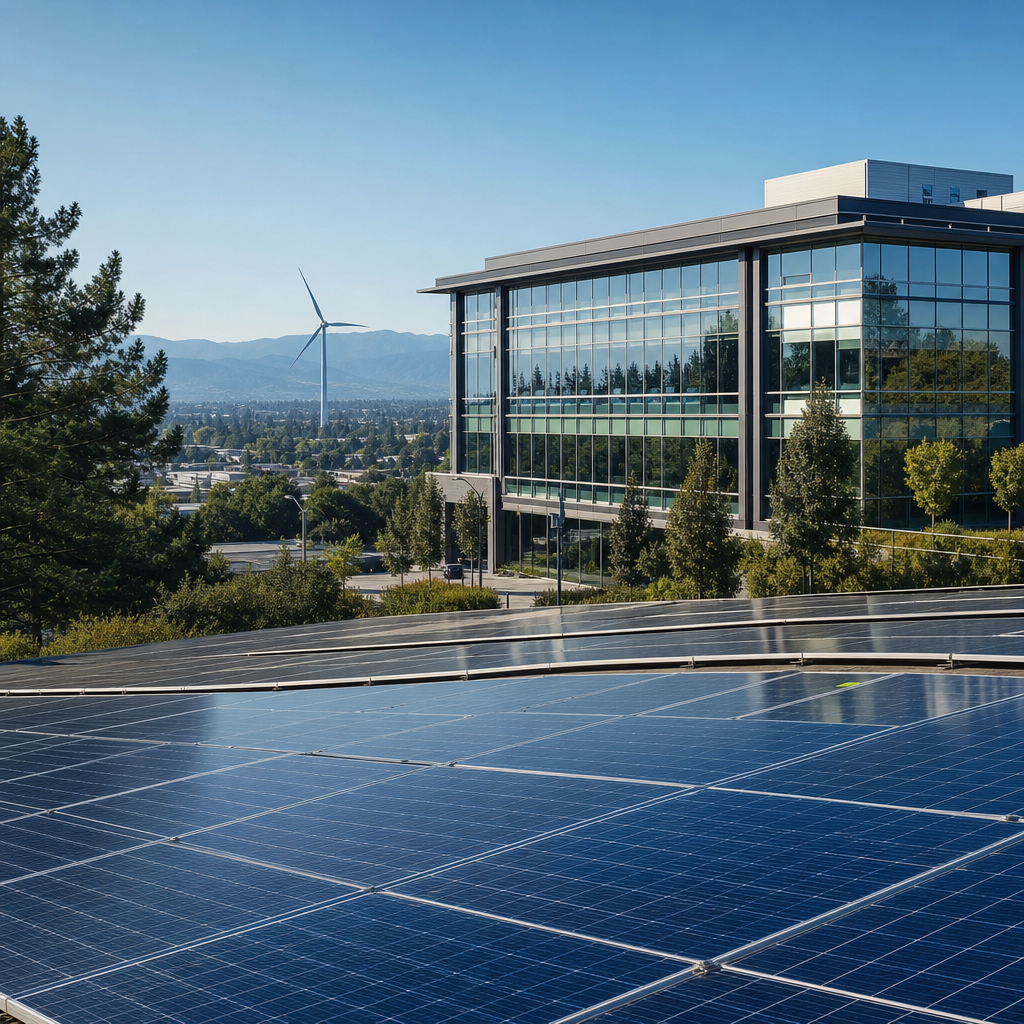
Silicon Valley has been the epicenter of innovation, technology, and entrepreneurship for decades. Situated in the southern part of the San Francisco Bay Area, it is home to some of the world’s largest tech giants like Apple, Google, and Facebook, as well as thousands of startups that aim to disrupt various industries. The combination of high-caliber talent, significant venture capital investment, and a conducive ecosystem for technological innovation makes Silicon Valley a unique breeding ground for future entrepreneurs and companies.
However, the landscape of Silicon Valley is continuously evolving. Factors such as economic shifts, advancements in technology, and changes in consumer behavior are dictating new trends and opportunities. Predicting the future of this dynamic region is no small feat, but who better to offer valuable insights than those who directly influence its growth—venture capitalists (VCs)? In this article, we delve into predictions from top venture capitalists on the future of Silicon Valley. We explore where the hotspot for innovation is heading, the next big things in technology, and what entrepreneurs should be prepared for.
The Evolution of Silicon Valley’s Investment Climate
The investment landscape in Silicon Valley is undergoing transformative changes. Traditional venture capital models are being revisited to accommodate evolving market dynamics and the upsurge in disruptive technologies. Leading VCs now favor thematic and sector-specific funds. This targeted approach allows them to focus on industries like artificial intelligence (AI), biotechnology, and climate tech, which boast exponential growth potential.
VCs are also increasingly looking beyond Silicon Valley for investment opportunities. Regions like Austin, Texas, and Miami, Florida, are emerging as alternative tech hubs. This reflects a broader trend towards geographic diversification as VCs aim to tap into untapped markets and mitigate risks associated with over-concentration. Remote work, accelerated by the COVID-19 pandemic, has further contributed to this decentralization. Companies now have the flexibility to hire talent globally, and VCs can support startups headquartered outside traditional tech corridors. This shift poses both challenges and opportunities for Silicon Valley—forcing it to innovate and maintain its competitive edge.
The Rise of Deep Technology
Among the most promising areas for investment, deep technology stands out prominently. Deep tech refers to technologies founded on substantial scientific or engineering innovations. Areas such as quantum computing, advanced materials, and machine learning are seeing a surge in venture capital interest.
Quantum computing, for instance, promises to revolutionize industries by solving complex problems at unprecedented speeds. Venture capitalists are pouring millions into startups working on quantum hardware and software, anticipating that these investments could yield exponential returns. Biotechnology is another deep tech area witnessing a lot of traction. With the advent of gene editing technologies like CRISPR and advancements in personalized medicine, VCs are optimistic about the potential to overhaul healthcare and achieve significant societal impact.
For entrepreneurs, this trend underscores the importance of building ventures on robust scientific and engineering foundations. While deep tech requires substantial investment and longer development timelines, the potential rewards can be transformative.
The Sustainability Imperative
Sustainability is no longer a buzzword; it’s a critical priority. The urgency of addressing climate change has led to an upsurge in venture capital directed toward sustainable and green technologies. Leading VCs predict that climate tech will dominate the investment landscape in the coming decade. Technologies that can decarbonize industries, enhance energy efficiency, and promote renewable energy sources are attracting large sums of capital.
From electric vehicles and energy storage to carbon capture and sustainable agriculture, the focus is on innovations that can deliver environmental and economic benefits. Entrepreneurs need to align their ventures with sustainability goals to attract investment. This alignment not only appeals to investors but also addresses a growing consumer demand for eco-friendly products and services. The future market leaders will likely be those who integrate sustainability into their core business models.
The Next Frontier of Consumer Technology
Consumer technology continues to evolve, with VCs on the lookout for the next big disruption. Augmented Reality (AR) and Virtual Reality (VR) are fast gaining traction, particularly in sectors like gaming, retail, and real estate. The immersive experiences offered by AR and VR are set to redefine how consumers interact with digital content and the physical world.
Additionally, the rise of the Internet of Things (IoT) is creating opportunities for smart home devices and wearables. Enhanced connectivity and smart automation are ushering in a new era of convenience and efficiency for consumers. Venture capitalists are particularly interested in startups that can scale these technologies and integrate them seamlessly into everyday life.
Blockchain technology and its applications beyond cryptocurrency are also a focal point. Decentralized applications (dApps), non-fungible tokens (NFTs), and blockchain-based identity verification systems are areas where VCs see substantial growth potential. Entrepreneurs who can harness blockchain to solve real-world problems stand to capture significant value.
Talent Wars and Remote Work Dynamics
The war for talent in Silicon Valley has never been more intense. With tech giants constantly on the lookout for skilled professionals, startups face stiff competition. However, the shift towards remote work has democratized access to talent. Entrepreneurs can now assemble distributed teams, accessing highly skilled professionals from around the globe.
Venture capitalists predict that hybrid work models will become the norm. Companies that can balance in-person collaboration with the flexibility of remote work are likely to thrive. This new dynamic is also reshaping workplace culture and productivity metrics, necessitating innovative management strategies. For entrepreneurs, the key will be to leverage technology to foster a cohesive team environment, regardless of physical location. Startups that can navigate the complexities of remote work while maintaining a strong company culture will have a competitive edge in the talent wars.
The Importance of Ethical Innovation
As technology continues to permeate every aspect of our lives, the ethical implications of innovation are coming under increasing scrutiny. Venture capitalists are not only looking for profitable ventures but also ones that adhere to ethical and social responsibility standards. Issues such as data privacy, algorithmic bias, and the societal impact of automation are garnering attention.
VCs are advocating for ethical considerations to be integrated into the product development lifecycle. Startups that prioritize transparency, fairness, and user trust are more likely to gain investor confidence. Entrepreneurs should be prepared to address these ethical concerns proactively. This involves conducting ethical audits, engaging with diverse stakeholders, and fostering a culture of responsibility and accountability. The future of Silicon Valley will be shaped significantly by how startups manage the ethical dimensions of their innovations.
Conclusion: Navigating the Future of Silicon Valley
The future of Silicon Valley is a tapestry of opportunities and challenges. As venture capitalists cast their predictions, one thing is clear—the ecosystem will continue to be a global leader in innovation and entrepreneurship. However, maintaining this status quo will require adaptability, foresight, and a relentless pursuit of excellence. Entrepreneurs must be attuned to evolving trends, from deep technology and sustainability to ethical innovation and the future of work. Strategic alignment with these trends will be crucial in attracting venture capital investment and scaling new heights.
Ultimately, the predictions from top venture capitalists offer a roadmap for navigating the complexities of Silicon Valley’s future. By embracing change and pushing the boundaries of what’s possible, the next generation of entrepreneurs can ensure that Silicon Valley remains at the forefront of technological advancement and economic growth.