E-commerce, a sector that started as a convenient alternative to physical shopping, has now become a cornerstone of the global economy. With rapid technological advancements and ever-changing consumer expectations, businesses must stay ahead of the curve to remain competitive. In the epicenter of global innovation, Silicon Valley continues to drive the evolution of e-commerce. By exploiting the latest technologies, startups from this region are redefining the shopping experience, setting new benchmarks for efficiency, personalization, and customer satisfaction.
In an era where digital transformation is indispensable, Silicon Valley’s innovators are spearheading revolutions that extend far beyond the borders of California. From seamless mobile experiences to groundbreaking AI applications, the next generation of e-commerce platforms is taking shape. This article delves into the fresh perspectives and future trends stemming from Silicon Valley’s tech landscape, offering a comprehensive view of what businesses and consumers can expect in the years to come.
Understanding these trends and insights can offer businesses unparalleled opportunities for growth. By embracing these advancements, companies can not only improve their operational efficiencies but also cater to increasingly sophisticated customer needs. This is particularly important as e-commerce shifts from a novel convenience to an integral part of daily life. Get ready to explore the future of e-commerce through the eyes of Silicon Valley’s most innovative minds.
The Role of Artificial Intelligence in E-commerce
Artificial Intelligence (AI) has brought unprecedented opportunities to the e-commerce sector, enabling more personalized, efficient, and effective shopping experiences for consumers. Gone are the days when AI was simply a buzzword; it is now an indispensable tool for innovators in Silicon Valley. One of the most impactful applications of AI in e-commerce is in tailoring the customer experience. From chatbots that offer real-time support and can answer queries round the clock, to recommendation engines that predict what customers might want to buy next, AI is transforming how businesses interact with their consumers.
Visual search technologies powered by AI have also gained significant traction. Shoppers can now take photos of items they are interested in, and the e-commerce platform will find exact or similar items available for purchase. This bridges the gap between online and offline shopping experiences, making it easier for consumers to find the products they desire.
On the backend, AI optimizes various operational aspects. From inventory management to demand forecasting, AI-driven analytics help businesses maintain optimal stock levels, thus reducing overhead costs while ensuring product availability. Additionally, AI algorithms scour through vast amounts of data to detect fraudulent activities, adding an extra layer of security to online transactions.
Ultimately, AI’s ability to analyze user behavior, personalize interactions, and optimize operations is redefining e-commerce. By embracing these innovations, startups in Silicon Valley are setting the stage for a more interactive, secure, and streamlined online shopping experience.
Augmented Reality (AR) and Virtual Reality (VR): Elevating Customer Experiences
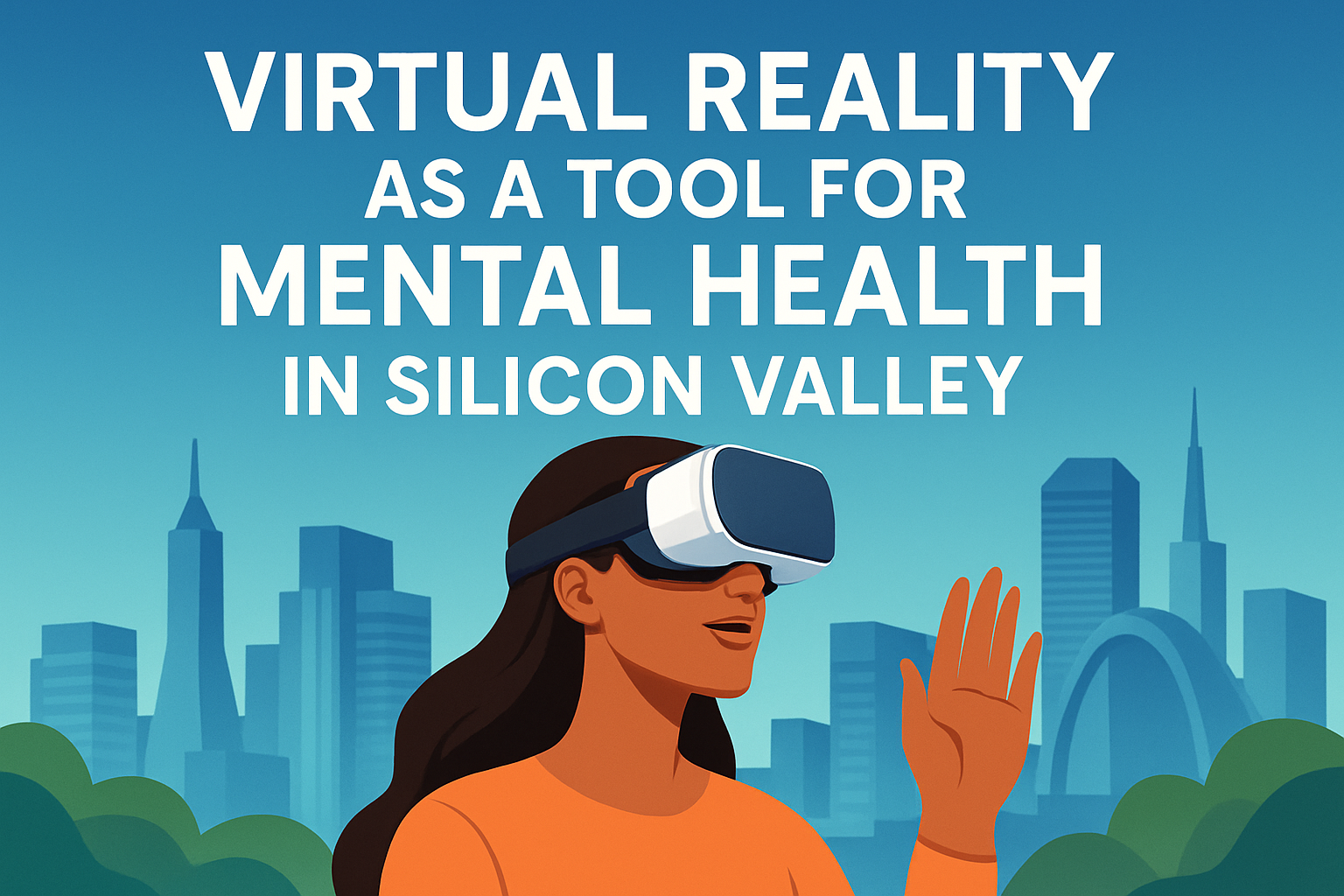
Augmented Reality (AR) and Virtual Reality (VR) have moved from the realm of speculation into tangible applications that are revolutionizing the e-commerce landscape. By integrating these immersive technologies, Silicon Valley startups are enabling unparalleled customer engagement and experience. Imagine trying on clothes virtually or seeing how furniture fits into your living space without leaving the comfort of your home—these scenarios are now possible thanks to AR and VR.
Virtual fitting rooms have gained considerable popularity. Brands like Warby Parker and Nike are using AR to allow customers to try on glasses and shoes virtually. This not only enhances the shopping experience but also reduces return rates, as customers can make more informed decisions. Similarly, IKEA’s AR app lets users visualize how different pieces of furniture would look in their homes, making the buying process much more interactive and satisfying.
VR is also taking customer experience to new heights. E-commerce platforms can now offer virtual store tours where customers can navigate through aisles, picking up products and examining them just as they would in a physical store. This immersive experience is particularly beneficial for retailers looking to create a unique brand experience and stand out in a crowded market.
The combination of AR and VR offers endless possibilities for creating more engaging and interactive shopping experiences. As Silicon Valley continues to push the boundaries of these technologies, we can expect even more innovative applications that will further revolutionize the e-commerce industry.

The Impact of Blockchain on E-commerce
Blockchain technology, with its decentralized and transparent nature, is poised to bring transformative changes to e-commerce. While often associated with cryptocurrencies, its application extends far beyond. In Silicon Valley, startups are exploring blockchain to enhance security, streamline operations, and build trust among consumers.
One of the most significant benefits of blockchain in e-commerce is its potential to ensure secure transactions. By eliminating intermediaries and creating an immutable ledger of transactions, blockchain reduces the risk of fraud. Every transaction is recorded and verified by the network, making it nearly impossible to alter or tamper with data.
Moreover, blockchain empowers supply chain transparency. Consumers can trace the journey of a product from its origin to their doorstep. This level of transparency not only boosts consumer confidence but also ensures ethical sourcing and responsible manufacturing practices. Retailers like Walmart are already experimenting with blockchain to track the provenance of their products, enhancing food safety and quality assurance.
Smart contracts—self-executing contracts with the terms directly written into code—are another game-changer. They automate various aspects of e-commerce transactions, such as payments, refunds, and order fulfillment, without the need for intermediaries. This increases efficiency and reduces costs, benefiting both businesses and customers.
By leveraging blockchain technology, Silicon Valley startups are creating a more secure, transparent, and efficient e-commerce ecosystem. This not only enhances trust and customer satisfaction but also sets a new standard for the future of online shopping.
The Rise of Voice Commerce
Voice commerce is rapidly gaining traction as consumers embrace voice-activated assistants like Amazon’s Alexa, Google Assistant, and Apple’s Siri. Leveraging natural language processing and machine learning, these voice assistants are transforming the way people shop online. Silicon Valley’s tech landscape is at the forefront of this revolution, developing voice-controlled interfaces that make shopping more convenient and intuitive.
Voice commerce simplifies the purchasing process. Shoppers can now browse products, check prices, and place orders using simple voice commands. This hands-free shopping experience is particularly appealing to busy consumers who value convenience. For example, customers can order groceries while cooking or purchase items while driving, making the shopping process seamless and efficient.
Personalization is another key advantage of voice commerce. Voice assistants can analyze users’ shopping history, preferences, and even their spoken language patterns to offer tailored recommendations. This level of personalization enhances the shopping experience and increases the likelihood of repeat purchases.
Retailers are also exploring voice commerce for customer service. Voice-enabled chatbots can handle common queries, provide product information, and even assist with troubleshooting. This reduces the burden on customer support teams and ensures that customers receive timely assistance.
As voice commerce continues to evolve, it presents a unique opportunity for businesses to engage with customers in a more interactive and personalized manner. By leveraging the latest advancements in voice technology, Silicon Valley startups are paving the way for a new era of hands-free, voice-activated shopping experiences.
The Influence of Data Analytics in Strategic Decision Making
In today’s data-driven world, insights derived from data analytics are invaluable for e-commerce businesses. Silicon Valley’s tech startups are harnessing the power of big data to inform strategic decision-making, optimize operations, and deliver personalized experiences to customers.
Data analytics allows businesses to gain a deep understanding of customer behavior and preferences. By analyzing data from various touchpoints, such as website interactions, purchase history, and social media activity, companies can identify trends, predict future behavior, and tailor their offerings accordingly. This level of personalization enhances customer satisfaction and drives loyalty.
Predictive analytics is another game-changer. By leveraging machine learning algorithms, businesses can forecast demand, optimize pricing strategies, and manage inventory more efficiently. For instance, e-commerce giant Amazon uses predictive analytics to anticipate customer needs, ensuring that products are readily available when customers want them.
Data analytics also plays a crucial role in marketing campaigns. By segmenting customers based on their behavior and preferences, businesses can create targeted marketing campaigns that resonate with specific audiences. This not only improves the effectiveness of marketing efforts but also maximizes return on investment.
Furthermore, data analytics enables businesses to identify and mitigate potential risks. By monitoring key performance indicators and analyzing trends, companies can proactively address issues and make data-driven decisions to improve operational efficiency.
As Silicon Valley continues to push the boundaries of data analytics, we can expect even more sophisticated tools and techniques that will empower e-commerce businesses to make informed decisions and stay ahead in a competitive market.
Conclusion: Embracing the Future of E-commerce
The future of e-commerce is being shaped by the relentless innovation and technological advancements emerging from Silicon Valley. From AI-powered personalization to immersive AR and VR experiences, the landscape of online shopping is evolving at a rapid pace. Blockchain technology is enhancing security and transparency, while voice commerce is making shopping more convenient and interactive. Data analytics is driving strategic decision-making, enabling businesses to stay ahead of the curve.
To thrive in this dynamic environment, businesses must embrace these innovations and leverage them to their advantage. By staying informed about the latest trends and investing in cutting-edge technologies, companies can create exceptional customer experiences, optimize operations, and drive growth.
As we look to the future, one thing is certain: the e-commerce landscape will continue to evolve, driven by the ingenuity and creativity of Silicon Valley’s tech pioneers. By keeping a pulse on these developments and adapting to changing consumer expectations, businesses can position themselves for success in the ever-changing world of e-commerce.
The journey ahead promises to be exciting and transformative. As technology continues to advance and consumer behaviors evolve, the e-commerce industry will witness new possibilities and opportunities. By embracing innovation and staying attuned to the latest trends, businesses can navigate this evolving landscape and create a future where online shopping is more personalized, efficient, and enjoyable than ever before.