Silicon Valley has become synonymous with innovation, serving as a melting pot for groundbreaking technological advancements. One area that has recently garnered enormous attention and investment is drone technology. From aerial photography to drug delivery systems, drones are being developed for an array of exciting applications. This article will delve into the innovative landscape of drones in Silicon Valley, discussing the advancements, applications, challenges, and the future prospects of this compelling frontier.
New Frontiers in Drone Technology: The Evolution
The journey of drone technology in Silicon Valley is a classic tale of rapid evolution fueled by wild ambition and relentless ingenuity. The story began with basic remote-controlled aircraft used primarily for military reconnaissance. Today, drones have transformed into sophisticated autonomous systems capable of executing a wide range of tasks. Companies like DJI, 3DR, and Skydio are leading this charge, continually pushing the envelope with new features and capabilities. This evolution is marked by advancements in battery life, flight range, and AI-based navigation systems.
The drone ecosystem in Silicon Valley benefits immensely from its proximity to pioneering tech firms, research institutions, and a dynamic venture capital environment. These elements create a fertile ground for startups to innovate, test, and scale their products rapidly. Moreover, collaborative partnerships between tech giants and nimble startups often result in groundbreaking innovations that may have taken decades to come to fruition otherwise.
Cutting-Edge Applications Transforming Industries
As drones become more advanced, their applications expand across diverse industries. In the agricultural sector, for example, drones equipped with advanced sensors and imaging technologies can provide farmers with invaluable data on crop health and soil conditions. This capability leads to more precise farming methods, thereby increasing yield and reducing waste.
In urban areas, drones are increasingly utilized for tasks like infrastructure inspection and public safety monitoring. The ability to quickly and efficiently inspect structures like bridges and skyscrapers can save both time and money while minimizing risks to human inspectors. Public safety agencies are also leveraging drones for rapid response in emergency situations, enabling real-time assessment and aiding in decision-making.
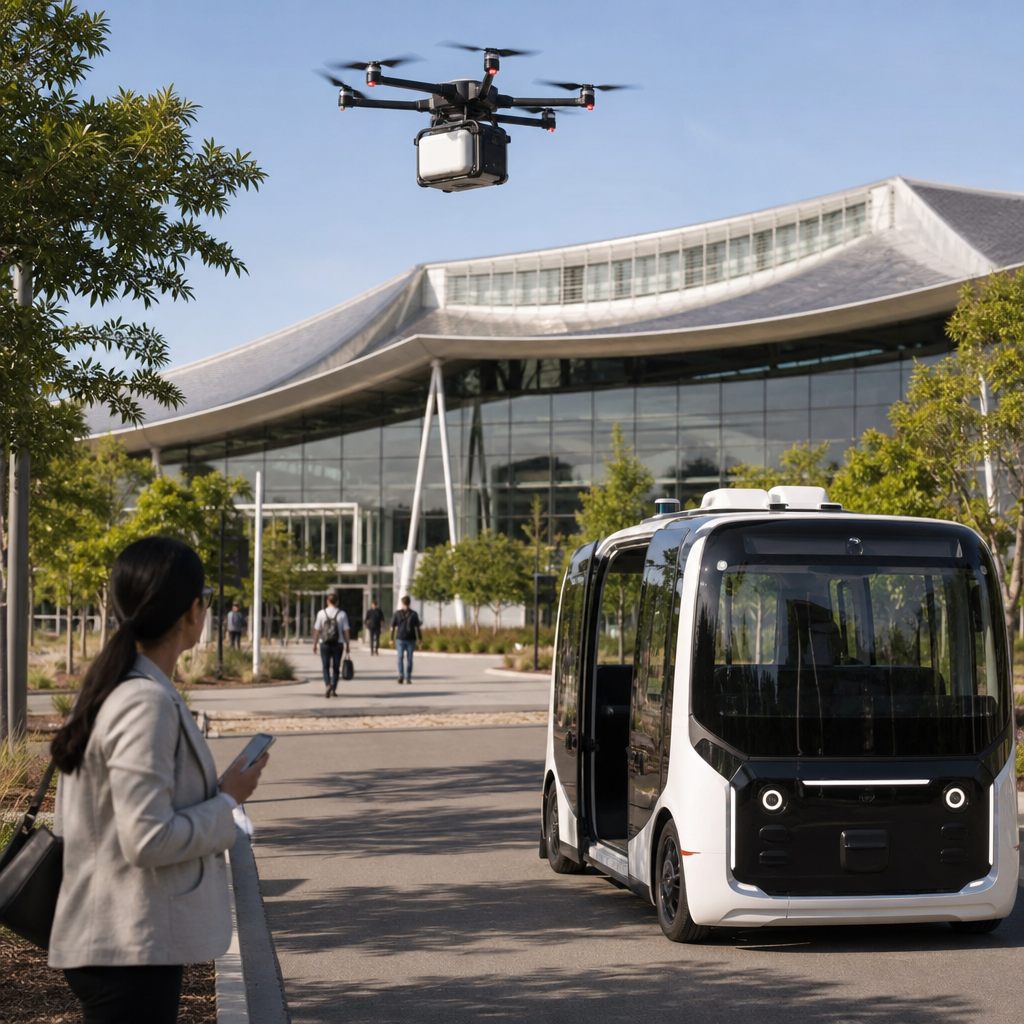
Arguably, one of the most talked-about applications is drone delivery. Companies like Amazon and Google are investing heavily in this technology, aiming to revolutionize the logistics industry. As regulatory frameworks adapt to accommodate these innovations, the prospect of having everyday items delivered by drones is becoming increasingly plausible.
Challenges Yet to Overcome
Despite their incredible potential, the widespread adoption of drones faces several challenges. One of the most significant hurdles is regulatory compliance. Drones share the airspace with manned aircraft, requiring stringent regulations to ensure safety and coordination. Navigating these regulatory landscapes can be complex and time-consuming for startups, often slowing down the pace of innovation.
Another critical challenge is public perception. While drones offer numerous benefits, there are growing concerns around privacy and security. Incidents of unauthorized surveillance and potential misuse have led to a public skepticism that innovators need to address. Educating the public and implementing robust ethical guidelines will be key to changing these perceptions.
Technical challenges also persist. Battery life remains a limiting factor, constraining the operational range and duration of drones. Innovations in energy storage and more efficient power management systems are crucial to overcoming this limitation. Moreover, sophisticated navigation systems capable of handling complex urban environments or adverse weather conditions are still under development.
Silicon Valley’s Thriving Startup Ecosystem
Silicon Valley is home to a vibrant ecosystem of drone startups, each bringing unique propositions to the table. Companies like Skydio are pioneering in autonomous drones that can navigate intricate environments without human intervention. Meanwhile, Zipline focuses on delivering essential medical supplies in remote areas, showcasing the life-saving potential of this technology.
These startups benefit from the Valley’s robust investment landscape. Venture capitalists are increasingly funding drone technology, attracted by the high-growth potential and diverse applications. Incubators and accelerators also play a crucial role, providing early-stage startups with resources and mentorship to scale quickly.
Collaboration is another hallmark of Silicon Valley’s ecosystem. Joint ventures between startups and established tech giants often result in symbiotic relationships that accelerate innovation. Access to advanced research facilities and a pool of highly skilled talent further enhances the pace of development, making Silicon Valley a unique hotspot for drone technology.
The Role of Artificial Intelligence and Machine Learning
The integration of artificial intelligence (AI) and machine learning (ML) is arguably one of the most transformative aspects of drone technology. AI algorithms enhance the autonomous capabilities of drones, enabling them to perform tasks like object detection, collision avoidance, and real-time data analysis. This intelligence allows drones to operate with minimal human intervention, making them more efficient and reliable.
Machine learning models help in optimizing flight paths and improving the accuracy of data collected by drones. For instance, in agricultural applications, ML algorithms can analyze vast amounts of data to provide insights on crop health, identify pests, and recommend interventions. In industrial settings, AI-powered drones can monitor equipment, detect anomalies, and predict maintenance requirements.
The integration of AI and ML not only enhances the capabilities of drones but also opens up new avenues for innovation. Silicon Valley’s deep expertise in AI research and development makes it an ideal breeding ground for such advancements, ensuring that the region remains at the forefront of drone technology innovation.
Future Prospects and Innovations on the Horizon
The future of drone technology in Silicon Valley looks extraordinarily promising. One area of potential growth is the development of swarm technology, where multiple drones work in coordination to achieve complex tasks. This could revolutionize sectors like search and rescue, environmental monitoring, and even entertainment, with drone shows becoming increasingly popular.
Another exciting frontier is the use of drones for space exploration and planetary research. Projects like NASA’s Mars Helicopter, which successfully achieved powered flight on another planet, open up limitless possibilities for the role of drones in space missions. This achievement highlights the potential for collaboration between Silicon Valley startups and government agencies to push the boundaries of what’s possible.
Energy efficiency will also be a key area of focus. Innovations in battery technology, solar power, and wireless charging systems could significantly enhance the operational range and endurance of drones. This would make them more viable for a broader range of applications, from long-distance deliveries to extensive environmental surveys.
Overall, the pace of innovation in Silicon Valley ensures that the future of drone technology will be exciting and transformative, with far-reaching implications across numerous industries.
Conclusion: An Exciting Horizon
Silicon Valley stands as a beacon of innovation, continually pushing the boundaries of what’s possible in technology. The advancements in drone technology are a testament to this spirit of relentless progress. From revolutionizing industries with cutting-edge applications to overcoming complex challenges, the journey of drone technology in Silicon Valley is both inspiring and promising.
As we look to the future, the integration of AI and ML, the potential of swarm technology, and the prospects of space exploration present exciting opportunities for further innovation. The Valley’s unique ecosystem of startups, venture capital, and collaborative culture ensures that it will remain at the forefront of this dynamic field.
While challenges persist, the trajectory of drones in Silicon Valley suggests a future where these incredible machines become an integral part of our daily lives, enhancing efficiency, safety, and the quality of life. As drone technology continues to evolve, there’s no doubt that Silicon Valley will play a pivotal role in shaping its future, driving new frontiers and unlocking unprecedented possibilities.