In recent years, the Silicon Valley landscape has undergone a tech renaissance, spearheaded by revolutionary developments in AI and machine learning. Among the multitude of innovations, tech-enabled personal assistants—more commonly known as smart assistants—are making a significant impact. These digital marvels have become integral cogs in our daily routines, revolutionizing the way we manage tasks, communicate, and even relax.
The inception of tech-enabled personal assistants can be traced back to the early 2000s, starting from rudimentary chatbots to now highly sophisticated AI-driven assistants like Google Assistant, Amazon’s Alexa, Apple’s Siri, and Microsoft’s Cortana. These assistants have transformed from quirky gadgets into essential home and office aids, reflecting Silicon Valley’s visionary ethos and relentless pursuit of technological advancement.
At the heart of these innovations lies the capability to parse human language and execute commands, a feat made possible through natural language processing (NLP) and machine learning algorithms. As we reside in this digital era, tech-enabled personal assistants symbolize a dynamic confluence of convenience and efficiency, providing users with more free time and streamlined workflows.
At this juncture, it’s pivotal to delve deeper into the cultural and lifestyle implications of these technological advancements within Silicon Valley. How do these personal assistants mesh with the dynamic tech culture? What lifestyle changes have they spawned? To fully appreciate their impact, let’s embark on a thorough exploration of the defining traits of these assistants and their transformative influence on the Silicon Valley ethos.
The Evolution of Smart Assistants
The journey of tech-enabled personal assistants has been one of continuous development and innovation. From their initial deployment as basic voice-activated software to their evolution into AI-powered entities capable of complex interactions, the trajectory is remarkable.
In the nascent stages, personal assistants were imbued with limited command functionality. The launch of Apple’s Siri in 2011 marked a turning point. It wasn’t just about responding to voice commands—it was about creating a more interactive, conversational experience. Google’s subsequent venture with Google Now in 2012 took it a step further by integrating contextual awareness, allowing the assistant to predict user needs based on historical data and real-time context.
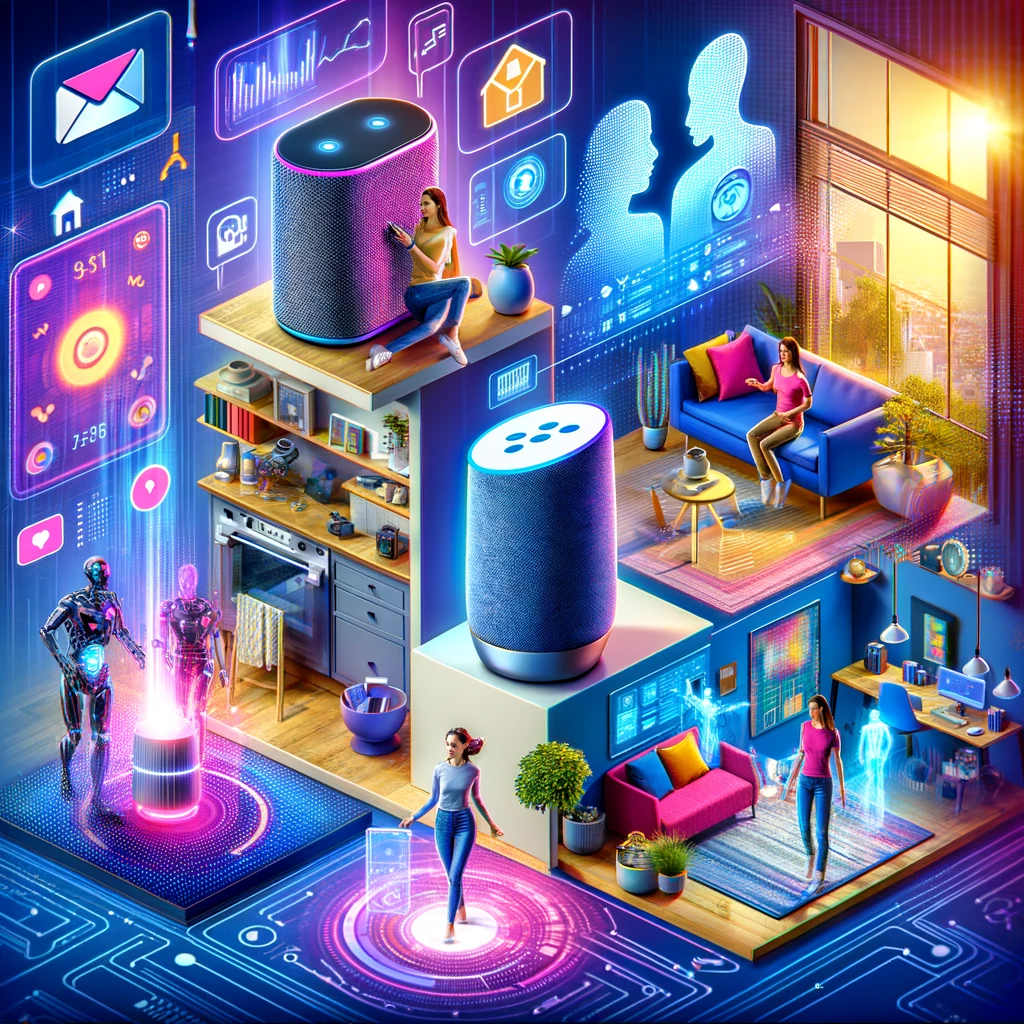
Amazon’s entry into the fray with Alexa in 2014 further revolutionized the market. By harnessing cloud computing and integrating smart home capabilities, Alexa has become the nucleus of multiple smart devices within homes, essentially acting as a control hub. With more than 100,000 Alexa skills available, it epitomizes versatility and adaptability in the ever-expanding IoT landscape.
Microsoft’s Cortana and subsequent releases of Google Assistant and Siri iterations have continued to push the envelope, enabling functionalities such as sending emails, setting reminders, playing media, home automation, and even placing e-commerce orders. Today, smart assistants are sophisticated enough to understand nuanced human emotions, sarcasm, and context, making interactions more intuitive and human-like.
Tech Culture and Integration
Silicon Valley’s tech culture is synonymous with innovation, disruption, and a forward-thinking mindset. It’s an ecosystem where ideas flourish, nurtured by venture capital, a plethora of startups, and a blend of experienced professionals and ambitious newcomers.
In this environment, tech-enabled personal assistants have found fertile ground. They are not just tools; they are pivotal elements within the broader narrative of Silicon Valley’s evolution. The integration of these assistants into daily routines symbolizes a shift towards a more automated, efficient way of living and working.
For tech professionals, smart assistants offer more than mere convenience. They are productivity enhancers, capable of automating mundane tasks, setting reminders, organizing schedules, and even managing communication. This has freed up valuable time, allowing professionals to focus on more creative and strategic initiatives. The culture of efficiency and optimization dovetails perfectly with the capabilities of these digital assistants.
Moreover, the integration of personal assistants extends to the personal realm, reflecting a seamless blend of work-life balance. From managing home devices, aiding in fitness routines, planning social gatherings, to even providing mental wellness support, these assistants have become indispensable household members in the Valley.
The Impact on Daily Life
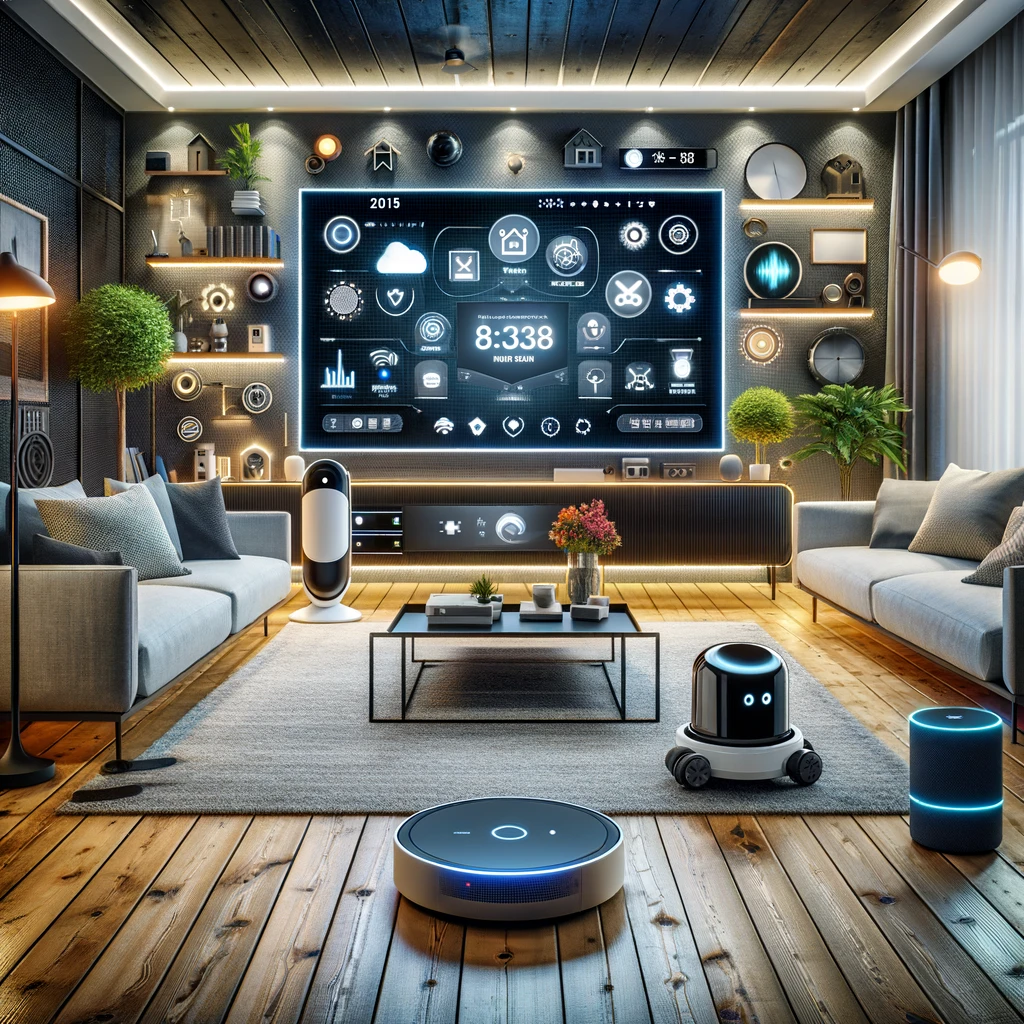
The adoption of tech-enabled personal assistants is a testament to the transformative impact they have on daily life in Silicon Valley. Home environments are increasingly becoming smart ecosystems, with personal assistants functioning as the command centers. From controlling lighting and temperature to managing security systems and household chores, these assistants bring technological elegance and efficiency into everyday living.
Consider the scenario of a typical day for a tech-savvy Silicon Valley resident. Mornings start with an AI-generated wake-up call tailored to the person’s sleep cycle, followed by customized news briefings and weather updates. The assistant can schedule a workout session, adjust home temperature settings, and even brew the perfect cup of coffee through connected smart devices.
The professional aspect is equally streamlined. Calendar management, task reminders, and instant access to information make navigating the workday smoother and more efficient. For meetings, the assistant can handle scheduling, send reminders, and even join virtual conferences to take notes.
Evenings and downtime are equally optimized. From managing entertainment systems to coordinating family schedules, these assistants cater to a variety of needs. They can suggest meal recipes, control kitchen appliances, and even facilitate online shopping, adding a layer of personalization and convenience to mundane tasks.

The Future trajectory: AI and Beyond
As technology continues to evolve, the future of tech-enabled personal assistants appears promising, heralding an era of enhanced AI capabilities. Future innovations will likely expand on existing functionalities, further blending machine learning with contextual awareness and predictive analysis.
With advancements in AI, personal assistants will become even more intuitive, capable of understanding and anticipating user needs with high accuracy. Emotional AI, which involves recognizing and responding to user emotions, will introduce a new dimension of interaction, making assistants more empathetic and responsive.
Integration with advanced IoT ecosystems will lead to a more holistic and seamless user experience. Imagine a personalized network where your assistant sets up the perfect ambiance by learning your preferences over time—temperature, lighting, security, and entertainment—creating an environment tailored to your unique lifestyle.
Moreover, enhancements in security and privacy measures will be critical. As personal assistants gather more data to offer tailored services, ensuring data protection and user privacy will be paramount. The integration of blockchain technology could offer robust security frameworks, ensuring user data integrity and confidentiality.
The potential for industry-specific assistants is another exciting area. Personalized assistants designed for healthcare, finance, education, and other domains could revolutionize industry practices, offering specialized support and insights tailored to unique professional requirements.
Challenges to Overcome
Despite the myriad benefits and potential, the rise of tech-enabled personal assistants is not without its challenges. One significant concern is privacy. As these assistants gather vast amounts of personal data to provide customized services, potential risks related to data breaches and misuse linger. Addressing these concerns requires stringent data protection measures and transparency from tech companies.
Another challenge is the accessibility gap. While smart assistants cater well to tech-savvy users, there’s a significant portion of the population that remains digitally disengaged. Bridging this gap necessitates more intuitive interfaces and user-friendly designs that cater to diverse user groups, including seniors and those less familiar with technology.
Furthermore, the issue of dependency cannot be ignored. As people increasingly rely on smart assistants for daily tasks and decision-making, there’s a risk of diminishing critical thinking and problem-solving skills. Balancing automation with active engagement is crucial to ensure overall cognitive well-being.
Interoperability among devices and platforms also poses a challenge. The current landscape is fragmented, with different systems often failing to communicate seamlessly. Adopting universal standards and fostering collaboration among tech companies could pave the way for a more integrated ecosystem.
Lastly, the ethical considerations surrounding AI and machine learning warrant attention. Ensuring that AI-driven personal assistants operate within ethical boundaries, devoid of biases, and aligned with societal values is vital for their sustainable and inclusive growth.
Conclusion
The rise of tech-enabled personal assistants in Silicon Valley marks a transformative chapter in the tech culture narrative. From humble beginnings to the sophisticated AI systems we see today, smart assistants symbolize innovation, convenience, and an evolving lifestyle.
By seamlessly integrating into both professional and personal realms, these assistants enhance efficiency, foster better work-life balance, and offer unprecedented convenience. However, their widespread adoption also underscores the need to address privacy concerns, ensure accessibility, and maintain a balanced approach toward automation.
The journey of tech-enabled personal assistants is far from over. As AI technology continues to mature and integrate deeper into our lives, assistants will become even more attuned to our needs, offering a blend of empathy and efficiency. With mindful innovation and ethical considerations, smart assistants are set to redefine the future, making the vision of a fully connected and intelligent lifestyle a tangible reality.