23andMe has become one of the most recognizable names in consumer genetics by turning a saliva sample into ancestry reports, carrier screening, wellness traits, and selected health insights that ordinary people can understand. In the Company Spotlights universe, this hub for Movers and Shakers examines why 23andMe matters, how its business model changed the genomics market, and what lessons its rise offers for healthcare, biotechnology, and digital privacy. Personal genomics means analyzing parts of an individual’s DNA to estimate inherited traits, ancestral patterns, or disease-related variants. Health insights are the interpretations layered on top of that raw genetic information, usually presented as risk estimates, trait likelihoods, or carrier status for specific inherited conditions. I have worked with genomics content and digital health companies long enough to see how rare it is for one brand to move both public awareness and industry structure. 23andMe did both. It made direct-to-consumer DNA testing mainstream, helped normalize genetic counseling conversations, and pushed regulators, clinicians, and customers to ask harder questions about data ownership, clinical validity, and informed consent.
The company also matters because it sits at the intersection of biotechnology, software, e-commerce, and population-scale research. Founded in 2006 by Anne Wojcicki, Linda Avey, and Paul Cusenza, 23andMe entered the market when genome scanning was expensive, unfamiliar, and largely confined to research settings. Its early promise was simple: genetics should not be locked inside hospitals and academic labs. Over time, the company expanded from ancestry and trait reports into FDA-authorized health reports, research partnerships, and therapeutics ambitions. That journey made 23andMe one of the clearest examples of a mover and shaker: a company that did not just sell a product, but changed consumer expectations, regulatory practice, and the competitive playbook for an entire category. To understand 23andMe today, you have to look beyond the mail-in kit and examine its platform, science, revenue drivers, and controversies together.
How 23andMe changed consumer genomics
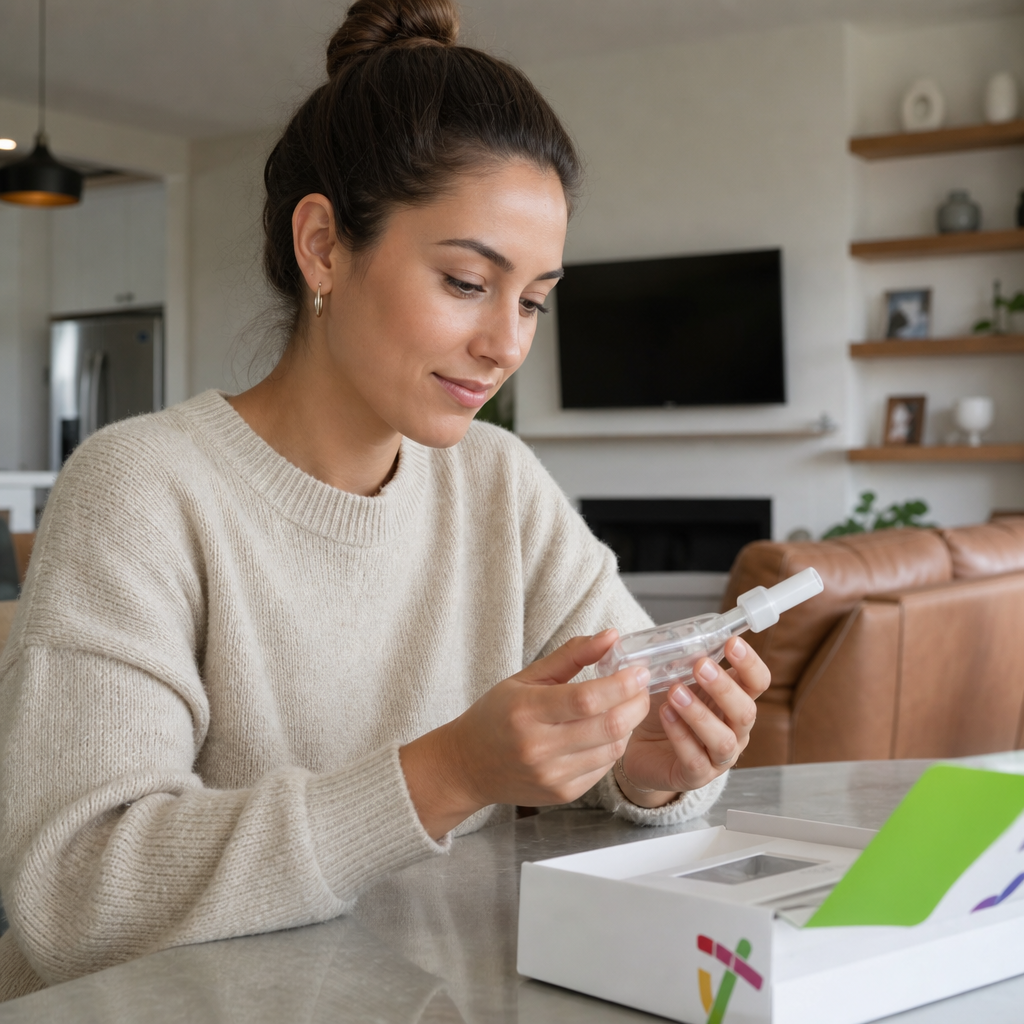
23andMe changed consumer genomics by packaging complex genotyping into a familiar retail experience. Customers ordered a kit online, mailed in saliva, and received app-based reports instead of a dense laboratory document. That sounds ordinary now, but it was a meaningful operational shift. Before direct-to-consumer testing became common, most people encountered genetics only through a physician, a specialist clinic, or a research study. 23andMe lowered that barrier by combining CLIA-certified laboratory processes with a web interface that translated single nucleotide polymorphisms, or SNPs, into plain-language summaries. The company’s reports were not full genome sequencing. They relied primarily on SNP genotyping arrays, which sample known genetic markers across the genome. That distinction matters because arrays are faster and cheaper than sequencing, but they miss many rare variants and structural changes.
The company’s influence spread for three reasons. First, price compression made genomics feel accessible. What once cost hundreds of thousands of dollars at the dawn of the Human Genome Project era became a holiday purchase. Second, design and messaging focused on curiosity rather than disease, reducing intimidation. A customer could begin with ancestry composition, taste traits, or caffeine metabolism before exploring health predisposition reports. Third, scale created network effects. Larger databases improve ancestry inference, relative matching, and research utility. In practical terms, when millions participate, a company can refine population reference panels, discover new associations, and attract pharmaceutical partners interested in genotype-linked cohorts. Competitors such as AncestryDNA, Helix, and MyHeritage pursued related models, but 23andMe distinguished itself by pairing consumer DNA with health-focused interpretations and a stronger research narrative.
Products, reports, and the science behind the service
At its core, 23andMe sells interpretation, not just testing. The sample collection kit, laboratory workflow, and genotyping chip are essential, but the customer experience is defined by reports. Those reports generally fall into ancestry, traits, carrier status, and health predisposition categories. Ancestry reports estimate geographic origins by comparing segments of a customer’s DNA with reference datasets. Trait reports connect genetic markers with observable tendencies such as cilantro taste aversion or hair photobleaching. Carrier status reports identify whether a person carries certain variants associated with recessive inherited conditions, which can be relevant for family planning. Health predisposition reports estimate whether specific variants are associated with increased likelihood of conditions such as late-onset Alzheimer’s disease or Parkinson’s disease.
These insights are useful when framed correctly. A predisposition report is not a diagnosis. A negative carrier result does not eliminate all reproductive risk. An ancestry estimate is probabilistic and dependent on database quality and reference populations. In my experience, the customers who benefit most are those who understand that genetic information is one layer of risk, not a complete medical answer. Family history, environment, age, social determinants, and lifestyle still matter heavily. The company’s strongest reports are those tied to well-studied variants with clear evidence and careful limitations. That is why regulatory authorization matters so much in this category.
| Report Type | What It Tells Users | Main Value | Key Limitation |
|---|---|---|---|
| Ancestry | Estimated population origins and DNA relatives | Identity, genealogy, family discovery | Depends on reference panel breadth |
| Traits | Likelihood of nonmedical characteristics | Engagement and education | Often small-effect associations |
| Carrier Status | Whether a person carries selected recessive variants | Family planning discussions | Does not test every possible pathogenic variant |
| Health Predisposition | Selected inherited risk markers for certain conditions | Motivation for informed follow-up | Not diagnostic or comprehensive |
Regulation, clinical credibility, and where caution is necessary
One reason 23andMe stands out among Movers and Shakers is that it helped define the regulatory boundaries of direct-to-consumer health genetics. In 2013, the U.S. Food and Drug Administration ordered the company to stop marketing health-related genetic tests until it obtained proper authorization. That moment was pivotal. It showed that polished consumer interfaces could not outrun requirements for analytical validity, clinical validity, and understandable communication. After additional submissions and review, 23andMe later received FDA authorization for certain carrier and genetic health risk reports. This was more than a company milestone; it was a market signal that consumer genomics could move forward if evidence, labeling, and user comprehension met a higher bar.
Still, caution remains necessary. Genetic associations vary by ancestry, and a report validated primarily in one population may perform differently in another. Some consumers mistake relative risk for certainty, or assume an unflagged result means no concern exists. Clinicians also face workflow challenges when patients bring direct-to-consumer reports into appointments. Confirmatory testing through clinical laboratories is often appropriate before making medical decisions. Standards from groups such as the American College of Medical Genetics and Genomics and processes in CLIA-regulated labs help anchor best practice. The balanced view is straightforward: consumer genetic reports can be educational and actionable in limited contexts, but they are not a substitute for comprehensive clinical assessment.
Data, research partnerships, and the business beyond test kits
23andMe’s larger strategic asset has never been the saliva kit alone. It is the combination of genotype data, survey responses, longitudinal engagement, and research consent. Over the years, the company built a substantial research platform by asking customers whether they wanted to participate in studies. This opt-in model created one of the best-known consumer-linked genetics datasets in the market. That database supported internal discovery efforts and external partnerships, including high-profile collaborations with GlaxoSmithKline. For pharmaceutical research, such datasets can help identify disease pathways, stratify patient populations, and improve target selection. Drug development fails often because the underlying biology is uncertain; human genetic evidence can improve the odds that a target is relevant.
That research model also explains why 23andMe attracted attention well beyond retail health. In biotech terms, it represented a bridge between consumer acquisition and therapeutic discovery. In digital business terms, it turned a one-time purchase into a recurring data relationship. However, the economics are not simple. Consumer testing demand can be cyclical, marketing costs can rise, and public-market pressure can expose the difficulty of converting genomic data into durable profits. The company’s path has included major visibility, a SPAC-era public listing, and heavy scrutiny about long-term sustainability. As a company spotlight, 23andMe is important precisely because it illustrates both the promise and the hard limits of data-driven health platforms.
Privacy, trust, and the questions every customer should ask
No assessment of 23andMe is complete without privacy. Genetic data is uniquely sensitive because it can reveal information about health, family relationships, and biological relatives who never directly consented to testing. Customers should ask basic questions before using any DNA service: What data is collected? How long is it retained? Can it be deleted? Is research participation optional? Under what circumstances can law enforcement request access? How are third-party transfers governed? These are not edge-case concerns. They are central to whether a genomics company deserves trust.
In practice, the best approach is informed caution. Read the consent documents, review account settings, use strong authentication, and understand the difference between product use and research participation. 23andMe helped popularize genetic self-service, but the category works only when customers recognize the tradeoff. Convenience and insight come with responsibility. For readers following Company Spotlights and the broader Movers and Shakers subtopic, 23andMe remains essential because it shows how a single company can reshape public literacy, regulation, research strategy, and privacy expectations at once. Its legacy is not merely that millions spat in a tube. Its legacy is that personal genomics became a permanent part of modern health culture. If you are exploring the companies changing biotechnology, start here, then continue through the rest of this hub to compare how other innovators are transforming diagnostics, therapeutics, and patient empowerment.
Frequently Asked Questions
What is 23andMe, and why has it become such an important name in personal genomics?
23andMe is a consumer genetics company that helped bring DNA testing into the mainstream by making it simple for everyday people to learn about their ancestry, selected health predispositions, carrier status, and certain wellness-related traits using an at-home saliva collection kit. Its importance comes from how effectively it translated complex genomic science into reports that non-specialists could understand and act on. Before companies like 23andMe gained traction, genetic testing was largely associated with medical settings, specialist referrals, and far less direct consumer engagement. By creating a user-friendly experience, recognizable brand, and accessible online dashboard, 23andMe changed public expectations about who could access genetic information and how.
The company also matters because it helped define the business category known as direct-to-consumer genetics. It showed that genetics could be packaged as a digital product as much as a laboratory service, blending biotechnology, software, data interpretation, and consumer education. In doing so, it influenced not only ancestry research and health awareness, but also broader conversations about data ownership, privacy, informed consent, and the commercialization of genetic information. In the context of healthcare and biotechnology, 23andMe stands out as a company that turned genomics from a niche scientific service into a mass-market experience with cultural, medical, and business implications.
How does 23andMe turn a saliva sample into ancestry and health insights?
The process begins when a customer provides a saliva sample using a home collection kit and mails it to the company’s laboratory for analysis. From that sample, DNA is extracted and examined at many specific points across the genome, typically focusing on genetic markers that are known to vary among individuals. These markers can then be compared against reference datasets and scientific studies to identify patterns associated with ancestry, inherited carrier status for certain conditions, and selected genetic traits or health predispositions. The key point is that the company is not usually sequencing every letter of a person’s DNA in its standard consumer product; instead, it analyzes targeted regions that are especially useful for interpretation.
For ancestry reports, 23andMe compares an individual’s genetic markers to populations represented in its reference database to estimate likely geographic and ethnic origins. For health-related reports, it looks for variants that research has linked to particular traits, disease risks, or inherited conditions. The final reports are then translated into visual, consumer-friendly formats that explain what a result may suggest, what it does not mean, and where caution is warranted. While these reports can be informative, they are best understood as one layer of personal health and identity information rather than a complete medical diagnosis. Genetics can provide valuable clues, but environmental factors, family history, lifestyle, and clinical evaluation still play a major role in determining overall health outcomes.
What products and insights does 23andMe typically offer consumers?
23andMe is best known for combining several categories of genetic information into a single consumer experience. One major category is ancestry, which can include estimates of genetic origins across world regions, possible connections to historical population movements, and DNA relative matching features that may identify genetic cousins or other family connections. These ancestry services appeal to consumers who want to understand family roots, migration patterns, and personal identity in more detail than traditional genealogy records alone can provide.
Another major category is health-related reporting. Depending on the product and regulatory environment, 23andMe may offer carrier screening for certain inherited conditions, health predisposition reports for selected diseases or risks, pharmacogenetic information about how the body may process some medications, and trait or wellness reports covering topics such as sleep tendencies, muscle composition, lactose digestion, or other inherited characteristics. The practical value of these reports varies. Carrier screening can be especially useful for family planning discussions, while predisposition reports may encourage consumers to seek medical advice or adopt healthier habits. At the same time, the company generally emphasizes that its reports are not a substitute for professional care and do not capture every possible genetic factor. The broader appeal lies in the convenience of receiving a layered snapshot of ancestry, biology, and health-related information through a single digital platform.
How did 23andMe change the business model for genomics and consumer healthcare?
23andMe helped reshape genomics by showing that DNA analysis could be sold directly to consumers at scale, without requiring the traditional pathway of physician ordering and specialist interpretation for every use case. That was a major business innovation. The company created a model where the initial genetic test served not just as a one-time product sale, but as the entry point into an ongoing digital relationship with the customer. Reports could be updated, new features introduced, and additional services layered on over time. This turned genetics into a platform business, combining laboratory science, subscription-style engagement, branded consumer trust, and long-term data value.
Its model also demonstrated the strategic value of large genetic datasets. With customer consent, aggregated genetic and survey data could support research partnerships, drug discovery efforts, and population-level studies. That possibility made 23andMe more than a testing company; it became a data-driven biotechnology player operating at the intersection of consumer tech and life sciences. This has had lasting influence across healthcare and biotech, where many companies now try to build direct relationships with patients or consumers, gather longitudinal data, and use digital platforms to personalize services. At the same time, this model raised important ethical and regulatory questions. When a consumer pays for a DNA kit, the transaction may look simple, but the long-term value often lies in the data ecosystem surrounding that kit. That reality has made 23andMe a case study in both innovation and the responsibilities that come with handling highly sensitive biological information.
What privacy, medical, and ethical lessons does 23andMe’s rise offer to consumers and the healthcare industry?
One of the biggest lessons is that genetic information is unusually sensitive because it is personal, predictive, and shared to some extent with biological relatives. When consumers use a service like 23andMe, they are not only learning about themselves; they may also uncover information that affects siblings, parents, children, or extended family members. That makes privacy and informed consent especially important. Consumers should understand what they are agreeing to, whether their data may be used for research, how it is stored and protected, whether it may be shared in de-identified or aggregated form, and what choices they have to opt out or delete data later. The rise of consumer genomics has made these questions impossible for the healthcare and biotech sectors to ignore.
There is also an important medical lesson: accessible genetic information can empower people, but it can also be misunderstood if presented without context. A result showing elevated genetic risk does not guarantee disease, and a reassuring result does not eliminate risk from lifestyle, environment, or genetic factors not included in the test. That is why consumer genetics works best when paired with education, clinical follow-up when needed, and realistic expectations. Ethically, 23andMe’s story highlights the balance between democratizing science and commercializing intimate biological data. The company’s rise shows how powerful it can be to give people direct access to genomic information, but it also underscores the need for strong privacy safeguards, transparent communication, responsible research practices, and clear boundaries around how genetic data is monetized. For consumers and industry alike, the central lesson is that innovation in genomics creates real value only when trust is treated as seriously as technology.