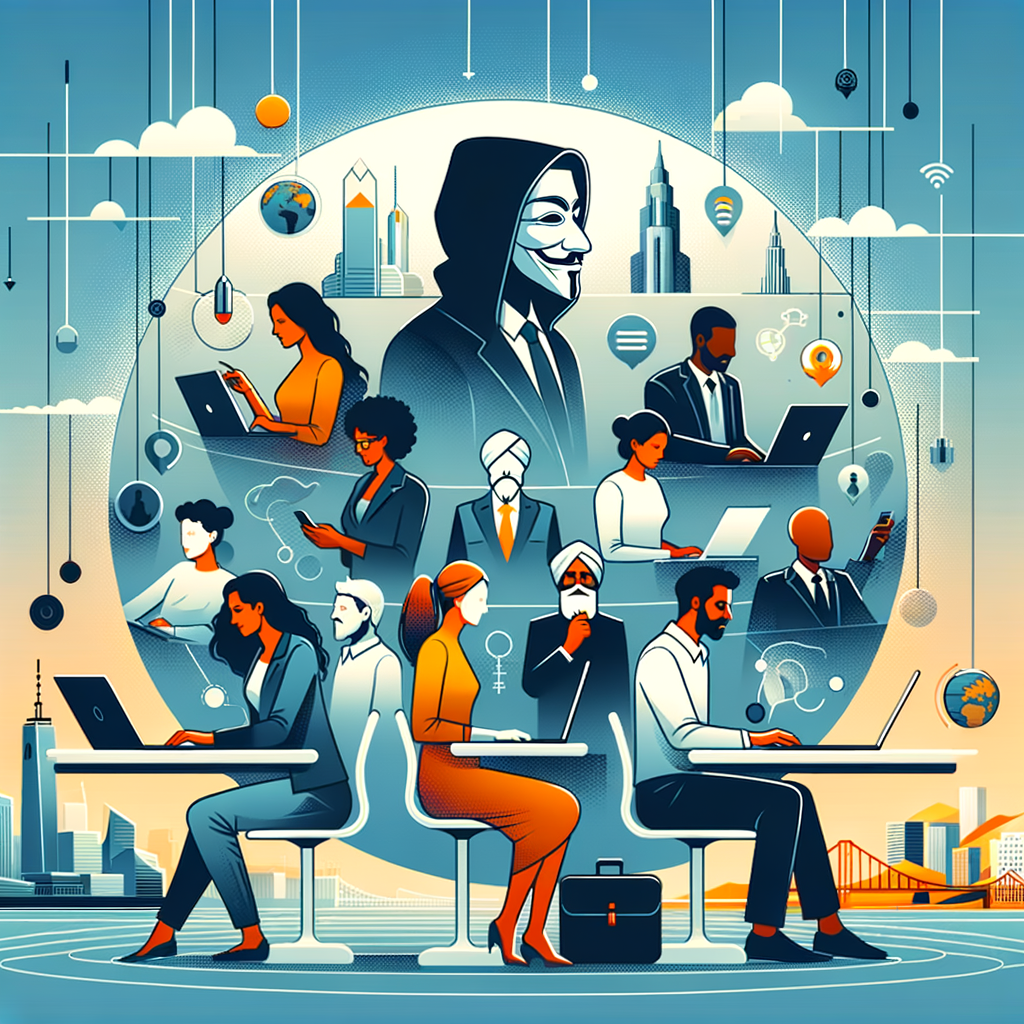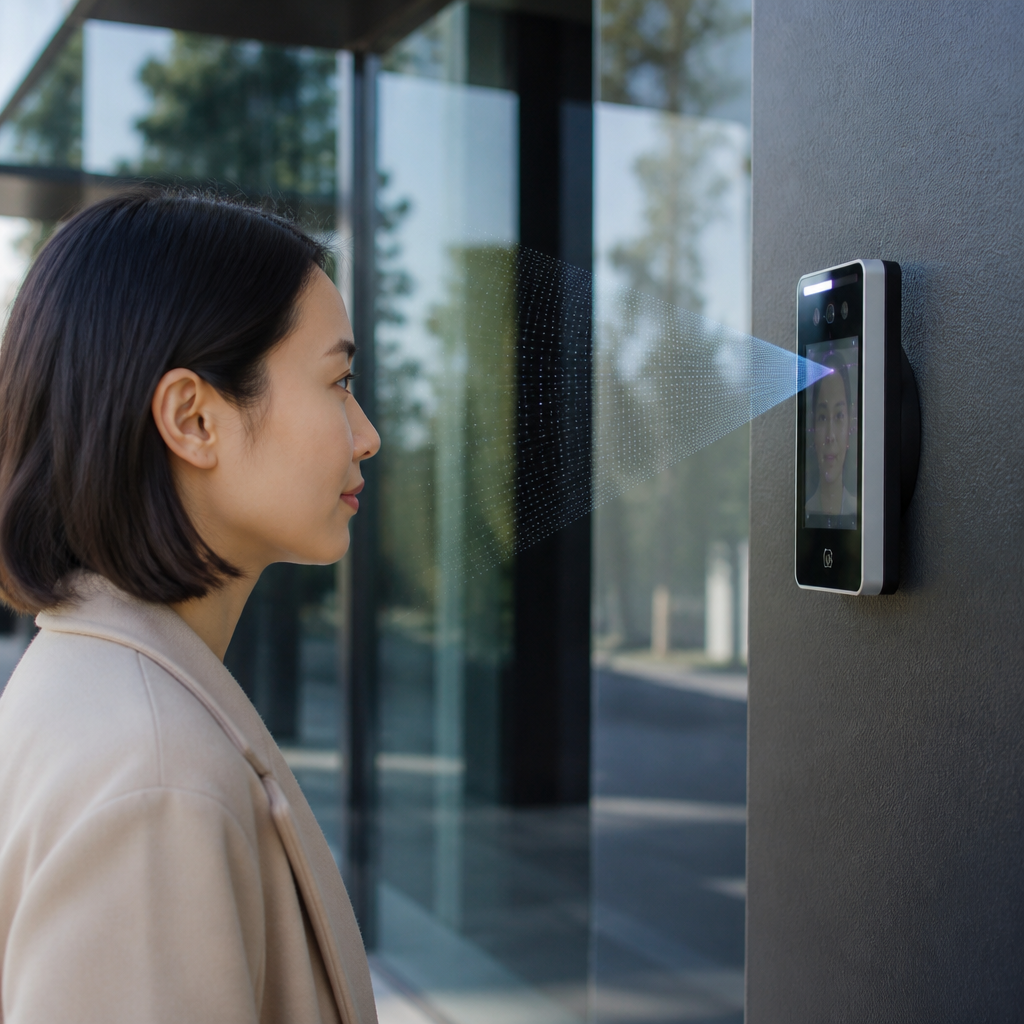
Biometric technology has moved from science fiction to everyday infrastructure in Silicon Valley, where startups and platform giants now use faces, fingerprints, voices, irises, and behavioral signals to verify identity, secure devices, authorize payments, and personalize digital services. In practical terms, biometrics means measuring unique human characteristics and matching them against stored templates. That includes physiological traits such as fingerprint minutiae and facial geometry, plus behavioral patterns like typing cadence, gait, and voice dynamics. I have watched this shift firsthand across product launches, venture pitches, and enterprise deployments: the conversation has changed from “Is biometric tech viable?” to “How do we deploy it responsibly, accurately, and at scale?”
The topic matters because Silicon Valley often turns technical capability into global consumer habits. When Apple normalized fingerprint unlocking with Touch ID and later expanded facial authentication with Face ID, it did more than ship a convenience feature. It validated sensor miniaturization, secure enclave design, liveness detection, and privacy-preserving on-device processing for the wider market. Venture-backed companies then built around adjacent needs: remote identity verification for fintech onboarding, workforce authentication for distributed teams, fraud prevention for marketplaces, and health applications that infer stress, fatigue, or disease markers from faces and voices. What begins in one campus demo can quickly become a compliance requirement in banking, healthcare, travel, and e-commerce.
For a sub-pillar on advancements and startup success, biometric tech is ideal because it sits at the intersection of hardware innovation, machine learning, cybersecurity, and regulation. It rewards founders who understand both user experience and threat modeling. A facial recognition model that works in a lab but fails under poor lighting or demographic variation will not survive enterprise procurement. Likewise, a voice authentication tool with strong accuracy but weak spoof resistance will struggle once fraud teams test replay attacks and synthetic speech. The most successful companies in Silicon Valley know that biometric systems are not just algorithms; they are complete trust products built from sensors, enrollment flows, matching engines, audit logs, and clear governance.
Why Silicon Valley Became the Center of Biometric Innovation
Silicon Valley became the center of biometric innovation because it combines semiconductor expertise, AI talent, venture capital, and large consumer distribution channels in one region. Few ecosystems can move from sensor design to mobile integration to cloud deployment as quickly. Apple, Google, and Meta have the device platforms. NVIDIA supplies the compute layer that trains deep learning models for face matching and computer vision. Cloud providers such as Google Cloud and Amazon Web Services give startups scalable inference, storage, and MLOps tooling. Universities including Stanford and Berkeley feed the pipeline with computer vision, security, and human-computer interaction research.
The region also benefits from problem density. Fintech companies need strong know-your-customer workflows. Gig platforms need identity checks for workers and customers. Enterprise software vendors need passwordless access. Health startups need passive signals for monitoring. Each of those creates a different biometric use case, which means founders can specialize instead of chasing a single giant market. In my experience, the strongest startup teams frame their product around a measurable pain point, such as account takeover reduction, onboarding completion rate, or false acceptance rate under specific lighting conditions, rather than around biometrics as a novelty.
Silicon Valley’s culture of rapid iteration has accelerated progress in liveness detection, edge processing, and multimodal fusion. Liveness detection tests whether a real person is present rather than a photo, mask, or replayed recording. Edge processing keeps sensitive matching work on the device, reducing latency and privacy exposure. Multimodal fusion combines signals, such as face and voice, to improve confidence. These capabilities matter because production environments are messy. Users hold phones at odd angles, microphones capture background noise, and fraudsters adapt quickly. Valley startups that survive are usually the ones that build for those edge cases from day one.
Core Biometric Modalities and What Has Improved
Fingerprint recognition remains the most familiar modality, but it has matured significantly through ultrasonic sensing, improved spoof detection, and tighter hardware-software integration. Qualcomm’s ultrasonic fingerprint sensors, for example, can read beneath the surface of the skin better than older capacitive approaches in some conditions, which helps with wet fingers and stronger resistance to basic replicas. Fingerprints still work best for local device authentication because users understand the interaction and acceptance thresholds can be tuned conservatively without creating much friction.
Facial recognition has seen the biggest leap in visibility and controversy. Modern systems use deep convolutional neural networks to convert an image into an embedding, then compare that vector to enrolled templates. Apple’s TrueDepth system popularized structured light and infrared mapping for secure phone unlock, while many remote verification startups rely on standard smartphone cameras plus liveness tests. The key improvement is not simply better matching accuracy; it is robustness under varied poses, lighting, and presentation attacks. That said, performance still depends heavily on data quality and threshold management, which is why procurement teams ask for demographic testing and independent evaluations.
Voice biometrics has advanced through speaker embeddings, anti-spoofing models, and faster cloud inference. It is useful in call centers, banking, and hands-free workflows, but the rise of synthetic speech has changed the threat landscape. A voiceprint alone is no longer enough for high-risk actions. Strong implementations pair passive voice analysis with device intelligence, behavioral signals, or step-up verification. Behavioral biometrics, meanwhile, has grown quietly but quickly. Startups analyze keystroke timing, mouse movement, touchscreen pressure, and navigation rhythm to spot bots or account takeovers without forcing users through extra steps. These systems are especially attractive to fraud teams because they run continuously in the background.
| Modality | Common Silicon Valley Use Cases | Main Strength | Main Limitation |
|---|---|---|---|
| Fingerprint | Device unlock, workforce access, payment approval | Fast and familiar | Requires sensor contact and good finger condition |
| Face | Phone authentication, remote identity verification, smart retail | Works with standard cameras at scale | Sensitive to lighting, bias concerns, spoof attempts |
| Voice | Call center authentication, voice assistants, banking | Natural in remote and hands-free settings | Vulnerable to replay and synthetic audio if weakly protected |
| Behavioral | Fraud detection, account security, risk scoring | Low friction and continuous monitoring | Probabilistic, so it works best with other signals |
Startup Success Stories and the Business Models Behind Them
Several startup patterns have emerged in Silicon Valley. One is identity verification infrastructure. Companies such as Jumio and Onfido, though global in footprint, helped define the category used by fintechs and marketplaces: capture an ID document, compare the portrait to a selfie, run liveness checks, and return a risk decision through an API. This model succeeds because founders sell directly into regulated pain. A neobank does not buy face matching for its own sake; it buys lower fraud losses, faster onboarding, and cleaner audit trails. Revenue scales through usage-based pricing tied to verification volume.
A second pattern is passwordless enterprise security. Okta, Duo, and newer specialists have pushed organizations toward phishing-resistant authentication, often combining biometrics with device trust and standards such as FIDO2 and WebAuthn. The strongest business case here is not convenience alone. Password resets are expensive, credentials are frequently stolen, and employees resist clunky security steps. Biometric sign-in anchored to a hardware-backed authenticator can cut support costs while improving security posture. In enterprise sales cycles, that measurable operational value matters more than futuristic branding.
A third pattern centers on fraud and trust layers for digital platforms. Behavioral biometric vendors sell to e-commerce firms, banks, and gaming companies that need to detect bots, scripted attacks, mule accounts, or session hijacking. Their buyers are usually fraud leaders, not innovation teams, so successful startups learn to speak in metrics like chargeback reduction, attack detection rate, and false positive burden on manual review teams. The most durable companies integrate easily with risk engines, case management tools, and customer data platforms rather than trying to replace them outright.
The Hard Problems: Privacy, Bias, Regulation, and Security
Biometric technology is powerful precisely because biometric traits are persistent. That creates serious responsibilities. A leaked password can be changed; a compromised face template raises different risks. In well-designed systems, raw biometric images are not stored as plain files for routine matching. Instead, systems generate templates, encrypt data at rest and in transit, segment access, and use hardware security modules or secure enclaves where appropriate. Even so, template protection, retention limits, and breach response policies must be part of the product from the beginning, not added after sales momentum builds.
Bias and performance variation remain central concerns. The National Institute of Standards and Technology has repeatedly shown that face recognition accuracy can vary by algorithm, use case, and demographic group. That does not mean all systems fail equally; it means claims must be tested under realistic conditions. In procurement reviews I have seen, sophisticated buyers ask for false match rate, false non-match rate, presentation attack detection performance, and cohort-level breakdowns. Startups that cannot explain these metrics clearly lose trust fast. The winning approach is transparent testing, threshold tuning by risk level, and human review for ambiguous cases.
Regulation is no longer hypothetical. Illinois’ Biometric Information Privacy Act created a litigation template that every founder in this space should understand, especially around informed consent, retention schedules, and disclosure. In Europe, the General Data Protection Regulation places strict obligations on processing sensitive personal data. Sector rules also matter: financial services, healthcare, and employment contexts each carry different constraints. Security threats are evolving too. Deepfakes, adversarial attacks, and injection attacks against remote onboarding systems are real. That is why modern deployments combine liveness detection, device fingerprinting, rate limiting, anomaly monitoring, and red-team testing.
What Comes Next for Biometric Tech and Startup Opportunity
The next phase of biometric tech in Silicon Valley will be defined by multimodal identity, on-device AI, and narrower but more defensible startup categories. Multimodal systems will combine face, voice, behavior, and device context to produce adaptive trust decisions instead of simple yes-or-no matches. On-device models will continue to reduce latency and privacy risk as mobile chips improve. Startups will find strong opportunities in clinical voice analysis, biometric payments, age assurance, warehouse and industrial safety, and developer tooling that helps companies implement consent management, auditability, and standards-based authentication without building everything internally.
For founders, the lesson is clear: advancement alone does not create startup success. The companies that win in biometric tech solve a costly business problem, prove accuracy under realistic conditions, and design for privacy and regulation from the first product sprint. For operators and investors in the broader Tech Innovations & Startups landscape, this hub topic matters because biometrics increasingly underpins trusted digital experiences across finance, healthcare, retail, and enterprise software. Watch the teams that pair technical depth with governance discipline, then explore the related articles in this sub-pillar to evaluate markets, methods, and emerging leaders more closely.
Frequently Asked Questions
1. What is biometric technology, and why has it become so important in Silicon Valley?
Biometric technology refers to systems that identify or verify a person by measuring unique human characteristics. These characteristics can be physical, such as fingerprints, facial structure, iris patterns, and voiceprints, or behavioral, such as typing rhythm, gait, mouse movements, and touchscreen interactions. Instead of relying only on passwords, PINs, or security questions, biometric systems compare live data from a user to a previously stored digital template to determine whether the person is who they claim to be.
In Silicon Valley, biometrics has become important because it solves several problems at once: convenience, security, scalability, and user experience. Consumers want faster logins, frictionless payments, and secure access to phones, apps, and accounts without memorizing dozens of passwords. Companies want to reduce fraud, lower account takeover risks, and streamline identity verification for millions of users. Biometrics fits that need because it ties access to something a person is or does, rather than just something they know.
The rise of smartphones, AI-driven pattern recognition, cloud computing, and advanced sensors has made biometric tools far more accurate and affordable than they were a decade ago. That is why Silicon Valley startups and major technology platforms now use biometric systems not only for unlocking devices, but also for workplace access, fintech onboarding, payment authorization, customer authentication, and personalized digital services. What once felt futuristic is now part of the region’s everyday digital infrastructure.
2. What types of biometric data are most commonly used by Silicon Valley companies?
Silicon Valley companies commonly use both physiological and behavioral biometrics, depending on the application. Physiological biometrics are based on bodily traits that tend to remain relatively stable over time. The most familiar examples are fingerprints, facial recognition, iris scans, and voice authentication. Fingerprints are widely used because they are fast, low-cost, and easy to capture with mobile sensors. Facial recognition is popular because cameras are already built into phones, laptops, offices, and retail environments, making it highly scalable. Iris recognition is often seen in higher-security settings because iris patterns are extremely distinctive. Voice biometrics is useful in customer service, call centers, and smart assistant ecosystems.
Behavioral biometrics has also gained significant traction, especially among cybersecurity, fintech, and fraud-prevention companies. Rather than focusing on what someone looks like, behavioral systems analyze how someone interacts with devices and platforms. This can include typing cadence, scrolling speed, tap pressure, mouse movement patterns, login timing, navigation habits, and even the way a person walks while carrying a phone. These signals are valuable because they can operate in the background, helping detect suspicious behavior continuously rather than just at the moment of login.
Many companies now combine several biometric signals into a layered authentication model. For example, a user might unlock a phone with facial recognition, confirm a payment with a fingerprint, and be monitored in the background by behavioral analytics that flag unusual activity. This multi-modal approach improves both security and reliability because no single biometric method is perfect in every condition. In practice, the trend in Silicon Valley is not toward one dominant biometric, but toward integrated systems that use multiple traits to reduce friction while strengthening trust.
3. How are biometrics being used in everyday products and services across Silicon Valley?
Biometrics is now embedded in many of the products and services people use every day in and around Silicon Valley. The most visible example is device security. Smartphones, laptops, tablets, and wearables commonly use fingerprint scanners or facial recognition to unlock devices, approve app access, and confirm transactions. This has normalized biometric verification for millions of users, turning it into a routine part of digital life rather than a niche security feature.
Biometrics is also widely used in financial technology. Banks, payment platforms, and digital wallet providers use fingerprint, face, and voice verification to authenticate account holders, reduce fraud, and approve high-risk actions such as wire transfers or large purchases. During account creation, companies may use facial matching and liveness detection to compare a selfie with a government-issued ID, helping confirm that a real person is present and that the identity documents are authentic. This has become especially important in remote onboarding, where businesses need strong identity checks without requiring an in-person visit.
Beyond security and payments, Silicon Valley firms are using biometrics in workplace access, healthcare tools, customer support, smart home systems, and personalized digital experiences. Offices may use facial or fingerprint access control instead of badges. Voice biometrics can help verify callers in support centers. Health and wellness apps may track behavioral and physiological patterns for user-specific insights. Some platforms also use biometric-adjacent analytics, such as gaze tracking or expression analysis, to improve interfaces or tailor experiences, though these uses raise deeper ethical questions. Taken together, these examples show that biometrics in Silicon Valley is no longer limited to locking and unlocking—it is increasingly part of how services identify users, manage risk, and shape interactions.
4. What are the biggest privacy and ethical concerns surrounding biometric technology?
The biggest concern with biometric technology is that biometric data is deeply personal and difficult, if not impossible, to replace. If a password is leaked, it can be changed. If a fingerprint template, facial map, or iris-based identifier is compromised, the consequences can be much harder to contain. That makes biometric information especially sensitive from a privacy and cybersecurity standpoint. Users and regulators are increasingly asking how this data is collected, where it is stored, how long it is retained, whether it is encrypted, and who has access to it.
Another major issue is consent and transparency. People may not always realize when biometric systems are operating, particularly in public, workplace, retail, or platform environments. A face scan at a device login is obvious, but background behavioral monitoring or passive facial analysis may be much less visible. Ethical deployment requires clear notice, meaningful user choice where possible, limited collection, and a specific, legitimate purpose. Without those safeguards, biometric systems can drift into surveillance or data overreach, especially when data collected for security is later reused for marketing, profiling, or unrelated analytics.
Bias and accuracy are also serious concerns. Some facial recognition systems have historically performed unevenly across age groups, genders, and skin tones, leading to a higher risk of false matches or failed authentication for certain populations. Even when performance improves, companies still need rigorous testing, auditing, and accountability frameworks. In addition, there are concerns about mission creep, law enforcement access, and cross-platform tracking. For these reasons, the conversation in Silicon Valley is no longer just about what biometrics can do, but about what they should do, under what rules, and with what protections. Strong governance, privacy-by-design principles, and compliance with evolving laws are essential if biometrics is to scale responsibly.
5. What does the future of biometric technology in Silicon Valley look like?
The future of biometric technology in Silicon Valley will likely be defined by deeper integration, smarter authentication, and tighter regulation. On the product side, biometrics is expected to move beyond one-time verification toward continuous, context-aware identity assurance. That means systems may increasingly combine face, voice, fingerprint, device intelligence, location context, and behavioral patterns to assess trust dynamically. Instead of asking users to repeatedly prove who they are, platforms will aim to evaluate risk in real time and step up security only when something appears unusual.
Artificial intelligence will play a central role in that evolution. AI models can improve biometric matching, detect spoofing attempts, and distinguish real users from synthetic media such as deepfakes or voice clones. This is especially important as biometric threats become more sophisticated. Liveness detection, anti-spoofing tools, and privacy-preserving machine learning techniques are likely to become standard features rather than premium add-ons. At the same time, there will be growing interest in on-device processing, decentralized identity frameworks, and methods that reduce the need to store raw biometric data centrally.
Just as important, the future of biometrics in Silicon Valley will be shaped by trust. Regulators, investors, enterprise buyers, and consumers are placing more pressure on companies to demonstrate that their systems are accurate, fair, secure, and respectful of civil liberties. The winners in this space will not simply be the companies with the most advanced recognition engines, but those that can balance innovation with transparency, security, and responsible data practices. In other words, the next chapter of biometrics is not only about better technology—it is about building systems people are willing to accept as part of everyday life.