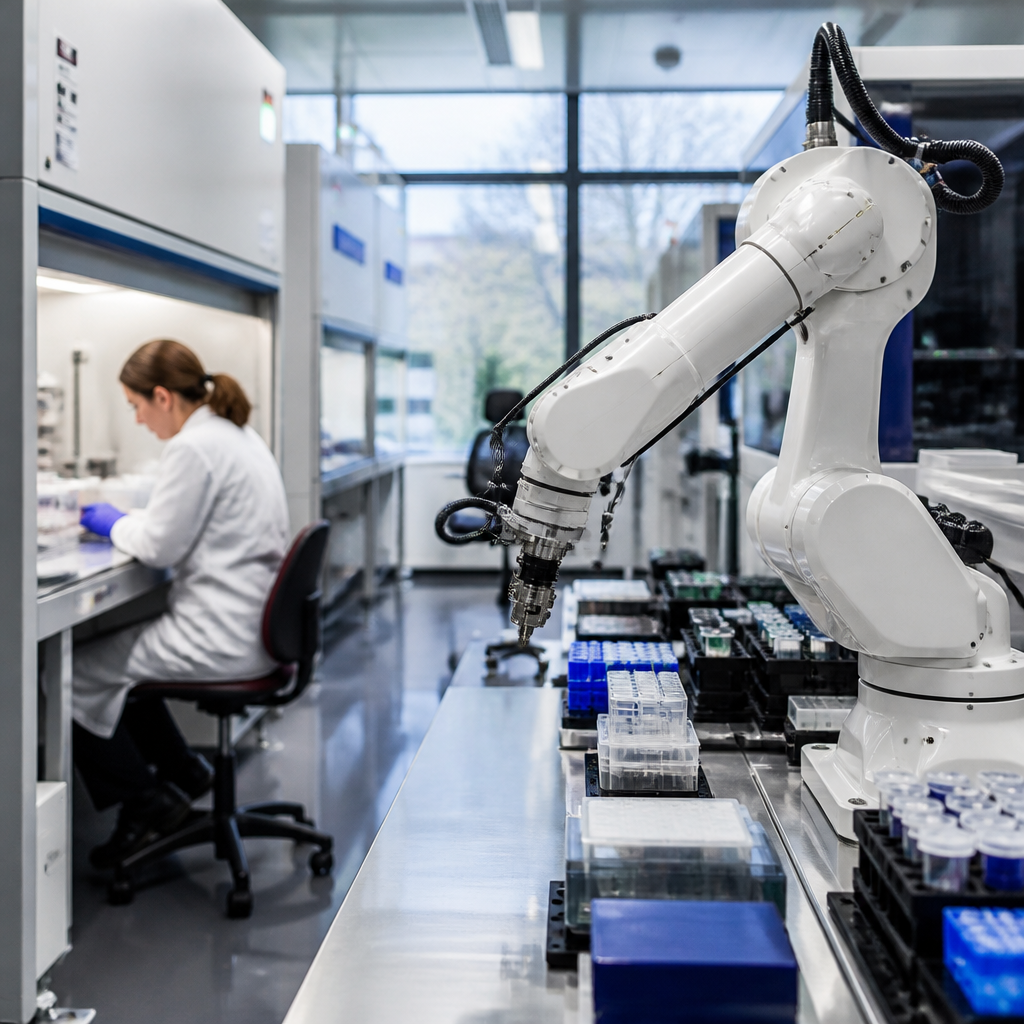
Tech innovations in personal safety and security from Silicon Valley are reshaping how people protect themselves at home, at work, online, and in public spaces. Personal safety technology includes devices, software, and connected services designed to reduce risk, detect threats early, and speed up response when something goes wrong. In practice, that means everything from smart doorbells and fall-detection wearables to encrypted messaging, identity monitoring, emergency alert apps, AI-assisted cameras, and vehicle crash notification systems. Having worked with startup teams and enterprise buyers evaluating these products, I have seen one clear pattern: the best solutions do not promise perfect protection. They narrow response time, improve visibility, and give users practical control over specific threats.
Silicon Valley matters in this market because it combines venture funding, engineering talent, semiconductor design, cloud infrastructure, and a culture of rapid iteration. That concentration has produced companies that moved personal safety beyond simple alarms into connected ecosystems. A modern safety stack can link sensors, mobile devices, cloud analytics, and trained monitoring agents in seconds. Consumers now expect features once limited to corporate security operations centers, including real-time alerts, geofencing, video verification, and automated incident logs. At the same time, rising cybercrime, package theft, stalking concerns, elder care needs, and hybrid work have made personal security a mainstream buying decision rather than a niche purchase. Understanding the most important innovations helps readers choose tools that fit real risks, budgets, and privacy expectations.
As a hub for exploring cutting-edge tech, this article maps the major categories driving personal safety and security forward. It also provides context for deeper articles on smart home protection, wearable safety devices, digital identity defense, AI surveillance ethics, and startup trends in emergency response technology. The central question is simple: which innovations genuinely improve safety, and which merely add complexity? The answer depends on speed, reliability, privacy design, interoperability, and the user’s actual environment. A college student walking at night, a parent managing home deliveries, and an older adult living independently need different tools. The strongest Silicon Valley products succeed because they pair thoughtful hardware with software services that solve concrete problems clearly and consistently.
Smart home security has become proactive, not just reactive
Early home security systems mostly waited for a door to open or a motion sensor to trip. Silicon Valley companies changed that model by turning cameras, locks, lighting, and environmental sensors into a coordinated network. Ring helped normalize video doorbells and rapid mobile alerts. Nest, now under Google, pushed connected cameras, smoke alarms, and learning-driven automation into the mainstream. Arlo focused on wire-free cameras and cloud-based video access. These systems matter because they reduce uncertainty. Instead of hearing an alarm after a break-in, users can verify whether a person is a delivery driver, neighbor, or intruder before deciding what to do.
The innovation is not only video quality. Computer vision can distinguish people, packages, animals, and vehicles, cutting down on false notifications. Smart locks from firms such as August let users issue temporary access codes for cleaners, dog walkers, or guests without copying physical keys. Environmental safety has advanced too. Connected leak detectors, carbon monoxide monitors, and smoke sensors can notify homeowners before damage escalates. In my experience, the practical win is integration. A porch camera that triggers outdoor lights and sends a clip to a phone is more useful than a standalone device that records silently. The tradeoff is data exposure. Buyers should examine where footage is stored, whether end-to-end encryption is available, and how long vendors retain recordings.
Wearables are turning personal safety into always-on assistance
Wearable safety technology has matured from basic panic buttons into sensor-rich companions that interpret context. The Apple Watch popularized fall detection, irregular heart rhythm alerts, crash detection, and emergency SOS calling from the wrist. Google’s Fitbit line expanded health tracking that can support broader personal safety goals, especially for older adults and users managing chronic conditions. Startups have pushed further with discreet devices aimed at students, runners, and workers in isolated environments. Some wearables record audio during distress events, share live location with trusted contacts, or trigger alerts when motion patterns suggest a fall or assault.
These tools work best when they minimize friction. A device buried in a bag is less useful than one worn daily. Battery life, cellular connectivity, and false alarm rates matter as much as headline features. For lone workers, industrial wearables can detect immobility, hazardous exposure, or missed check-ins. For families, GPS-enabled watches help track children or older relatives with dementia. The most effective products combine manual activation with passive detection. That dual approach covers situations where a user cannot reach a phone. Still, wearables raise sensitive questions about consent and surveillance inside families or workplaces. Clear policies about who can see location data and when it is retained are essential to making these tools protective rather than invasive.
Digital security is now inseparable from personal safety
Personal security no longer ends at the front door. Account takeover, SIM swapping, stalking through spyware, and identity theft can expose someone to financial loss and physical danger. Silicon Valley has responded with consumer-friendly security layers that used to be reserved for IT teams. Password managers such as 1Password simplify unique credential use across services. Multi-factor authentication apps from companies like Duo and Google Authenticator reduce dependence on text-message codes, which remain vulnerable to carrier fraud. Identity monitoring and breach notification services alert users when credentials appear in criminal marketplaces, giving them a chance to act before fraud spreads.
Device-level protections have improved as well. Apple’s Lockdown Mode was created for users facing sophisticated digital threats. Encrypted messaging platforms like Signal set the benchmark for private communication by limiting metadata exposure and protecting message contents in transit. Location sharing settings on iOS and Android now provide more granular controls, which is crucial in stalking and intimate partner abuse cases. From hands-on security reviews I have done, the biggest mistake users make is buying visible safety gadgets while ignoring basic cyber hygiene. A compromised email account can neutralize physical protections by exposing addresses, schedules, and smart device access. Strong personal safety starts with securing identity, communications, and account recovery pathways.
Artificial intelligence is improving detection, triage, and response
AI has become one of the most significant forces in personal safety technology because it helps systems interpret events instead of merely recording them. Modern video analytics can identify loitering, line crossing, unexpected motion, or a person entering a restricted area. Audio analysis can flag breaking glass, smoke alarms, or shouted distress. Startups in Silicon Valley use machine learning to reduce false positives, prioritize urgent events, and provide richer context to monitoring teams. In emergency response platforms, AI can summarize an incident, attach location data, and route alerts to the right people faster than manual workflows.
The benefits are real, but accuracy depends on training data, camera placement, lighting conditions, and environmental noise. Facial recognition remains especially controversial because of documented bias and misuse risks. For most personal safety use cases, object detection and behavior recognition are more defensible than identity matching. Consumers should ask a direct question: does the AI improve response quality, or does it simply create more notifications? A useful system tells a parent that a package was delivered, an unknown person entered the yard after midnight, or an older adult may have fallen. A poor system floods the phone with motion alerts from shadows and passing cars. Practical AI should lower cognitive load, not add it.
| Innovation area | Core benefit | Representative companies | Main buyer caution |
|---|---|---|---|
| Smart home security | Video verification and remote control | Ring, Nest, Arlo, August | Cloud storage and privacy policies |
| Wearable safety | Emergency alerts and passive detection | Apple, Fitbit, specialized startups | Battery life and false alarms |
| Digital identity protection | Account defense and breach response | 1Password, Duo, Signal | Weak recovery settings and user habits |
| AI-assisted monitoring | Threat triage and faster incident review | Google-backed platforms, vision startups | Bias, overcollection, alert fatigue |
Mobility, emergency networks, and new startup models are expanding the market
Personal safety innovation increasingly follows people beyond homes and phones into cars, campuses, offices, and public transit. Vehicle technology is a strong example. Apple and Google smartphone ecosystems support crash detection, emergency calling, and location sharing, while automakers and suppliers add driver monitoring, collision avoidance, and telematics-based emergency response. For urban mobility, safety apps can share trip status with trusted contacts, verify route anomalies, and provide one-touch access to emergency services. Campus safety platforms now integrate mobile alerts, digital escort requests, and mass notification systems used by universities and employers.
Startup models are evolving too. Some firms sell hardware once and earn recurring revenue through monitoring or cloud video history. Others offer safety as a subscription service, bundling identity protection, cybersecurity support, VPN access, and emergency dispatch. B2B2C models are also growing, where employers, apartment operators, insurers, or schools sponsor services for end users. This matters because distribution often determines whether a safety product becomes routine behavior. A standalone app people forget to open has limited impact. A service embedded in a workplace benefit, a residential access system, or a family device plan is more likely to be used when needed.
Looking ahead, the strongest opportunities sit at the intersection of privacy-preserving design and interoperable ecosystems. Matter standards are improving smart home compatibility. On-device processing can keep more sensitive data local instead of constantly streaming it to the cloud. Better battery efficiency and low-power chips will make safety wearables smaller and more dependable. The market will also face tighter scrutiny from regulators and consumers, especially around biometric data, child tracking, and law enforcement access. Founders that treat safety as a trust business, not just a gadget business, will build the most durable brands.
Tech innovations in personal safety and security from Silicon Valley are most valuable when they solve a defined risk with speed, reliability, and respect for privacy. Smart homes now verify events instead of merely sounding alarms. Wearables can summon help or detect danger when a user cannot act. Digital security tools protect the identities and accounts that increasingly control physical access. AI helps separate meaningful threats from background noise, while mobility and emergency platforms extend protection beyond the house. Across every category, the same principle applies: effective safety technology reduces confusion and shortens the path from detection to response.
For readers exploring cutting-edge tech within the broader startup landscape, this topic deserves hub-level attention because it sits at the meeting point of hardware, software, AI, and human behavior. The right product is rarely the one with the longest feature list. It is the one that fits the user’s daily routine, works under stress, and handles personal data responsibly. Use this guide to evaluate the next articles in this subtopic, compare solutions against your real-world risks, and build a personal safety stack that is practical, layered, and resilient.
Frequently Asked Questions
What kinds of personal safety and security technologies are coming out of Silicon Valley?
Silicon Valley is driving innovation across nearly every category of personal safety and security technology. On the physical safety side, that includes smart doorbells, connected cameras, video analytics, smart locks, personal alarm devices, GPS-enabled wearables, vehicle safety systems, and fall-detection tools for older adults. Many of these products are designed to do more than simply record an event. They can detect motion, identify unusual activity, send real-time alerts, and connect users with emergency contacts or first responders much faster than traditional systems.
On the digital side, the region has also helped accelerate tools such as encrypted messaging platforms, password managers, identity theft monitoring, fraud detection systems, privacy-focused browsers, and AI-powered threat detection. These technologies help users protect not just their homes and bodies, but also their personal information, finances, and online accounts. Increasingly, the most important innovations are the ones that connect physical and digital security into one ecosystem, allowing people to manage alerts, access controls, communication, and incident response from a single app or dashboard.
Another major trend is predictive and adaptive safety technology. Instead of reacting only after a problem occurs, newer systems use machine learning, sensors, and cloud-based analytics to identify patterns and flag unusual behavior early. For example, a home security platform might distinguish between a delivery driver and a stranger lingering near a doorway, while a wearable device might recognize the signs of a fall or medical emergency and automatically notify caregivers. This shift toward smarter, faster, and more personalized protection is a defining feature of Silicon Valley’s approach to personal safety innovation.
How is artificial intelligence improving personal safety and security?
Artificial intelligence is improving personal safety and security by helping systems recognize threats more accurately, respond more quickly, and reduce the number of false alarms that frustrate users. In the past, many security tools relied on simple triggers, such as motion detection or password mismatches. AI allows those same systems to analyze context. A smart camera, for example, can distinguish between a family member, a pet, a package delivery, and potentially suspicious activity. That kind of filtering makes alerts more useful and helps users focus on events that actually matter.
AI is also playing a major role in emergency detection and response. Wearables can monitor movement, heart rate, or sudden changes in activity to identify falls, collisions, or possible health crises. In vehicles, AI-assisted systems can detect unsafe driving behavior, driver fatigue, or nearby hazards. In cybersecurity, AI tools can monitor logins, account behavior, payment patterns, and device activity to spot fraud or account compromise before significant damage occurs. These systems are especially valuable because many threats develop quickly, and human users may not notice warning signs in time.
That said, AI is most effective when it is paired with strong privacy controls, human oversight, and transparent design. A smart system should not just be accurate; it should also explain alerts clearly, protect sensitive data, and avoid over-collecting information. Silicon Valley companies are increasingly being judged not only on how advanced their AI is, but on whether it improves safety without creating new privacy or bias concerns. When built responsibly, AI can make personal security tools more proactive, more personalized, and much more practical in everyday life.
Are smart home security devices really worth it for everyday personal protection?
For many households, smart home security devices are worth it because they extend awareness and control beyond what traditional locks, lights, and alarms can offer. Devices such as video doorbells, connected cameras, smart locks, glass-break sensors, and app-based alarm systems let homeowners and renters monitor their property in real time, receive instant notifications, and verify what is happening before deciding how to respond. That added visibility can deter opportunistic crime, reduce response time during suspicious activity, and provide evidence if an incident does occur.
The value becomes even greater when these devices work together as part of a coordinated system. For example, a smart lock can trigger a camera recording when someone approaches the front door, while outdoor lighting activates automatically and the homeowner receives an alert on their phone. Some platforms also allow temporary access codes for guests or service providers, which adds convenience without giving up full control. For families, remote monitoring can help track when children arrive home, while for older adults it can provide reassurance that doors are secured and routines remain normal.
However, the real answer depends on choosing the right tools and using them thoughtfully. Not every home needs a complex setup, and more devices do not always mean better protection. Buyers should evaluate reliability, cybersecurity features, encryption standards, data storage policies, and whether the system continues working during internet outages or power loss. Smart home devices are most worthwhile when they solve specific safety concerns, fit the user’s lifestyle, and come from providers with a strong track record on both security and privacy.
What should people look for when choosing personal safety apps, wearables, or monitoring services?
When evaluating personal safety apps, wearables, or monitoring services, the first thing to look for is how well the technology performs in real-world situations. A safety product should be easy to activate under stress, deliver alerts quickly, and provide dependable location sharing or communication when it matters most. For wearables, battery life, comfort, water resistance, and automatic detection features can be just as important as the headline technology. For apps, users should pay close attention to whether the interface is simple enough to use during an emergency and whether alerts can reach multiple trusted contacts at once.
The second major factor is privacy and data security. Because these tools often collect highly sensitive information such as live location, health data, routines, and emergency contacts, users should review how data is stored, who can access it, whether it is encrypted, and whether the company shares information with third parties. A reputable provider should be transparent about its policies and give users control over permissions, retention settings, and account protection. Features like multi-factor authentication, secure cloud storage, and clear breach response policies are strong signs of a more trustworthy platform.
People should also consider ecosystem compatibility and support. A personal safety product is more useful when it integrates well with smartphones, smartwatches, home security systems, vehicles, or caregiver networks already in use. Subscription costs, customer support quality, emergency dispatch partnerships, and accessibility features also matter. For seniors, students, solo travelers, parents, and professionals working late hours, the best solution may differ significantly. The right choice is not simply the most advanced product on the market, but the one that matches the user’s specific risks, habits, and comfort level.
Do these innovations create privacy concerns, and how can users protect themselves?
Yes, many personal safety innovations do raise legitimate privacy concerns, because the same technologies that improve protection often rely on collecting detailed personal data. Smart cameras record video, wearables track movement and health signals, safety apps monitor location, and identity protection services scan financial or account-related activity. That information can be extremely sensitive. If it is stored poorly, shared too broadly, or accessed without consent, the technology meant to keep people safe can introduce new risks instead.
Users can protect themselves by being selective and informed. Before adopting a product, it is important to review the company’s privacy policy, data retention practices, and security safeguards. Look for end-to-end encryption where appropriate, strong account protections such as multi-factor authentication, and clear controls for disabling microphones, cameras, or location sharing when they are not needed. It is also wise to change default passwords, update device firmware regularly, and limit access permissions to only the people and services that truly require them. In shared households, transparency matters too, especially when devices capture audio or video in common spaces.
Just as importantly, users should think in terms of balance rather than assuming every safety feature is automatically worth the tradeoff. The best products are those that enhance security while minimizing unnecessary surveillance and giving users meaningful control. Silicon Valley has produced remarkable tools for personal protection, but responsible use depends on asking smart questions: What data is being collected, why is it needed, how long is it kept, and who benefits from it? When consumers make privacy-conscious choices, they are more likely to gain the benefits of innovation without giving up too much personal control.