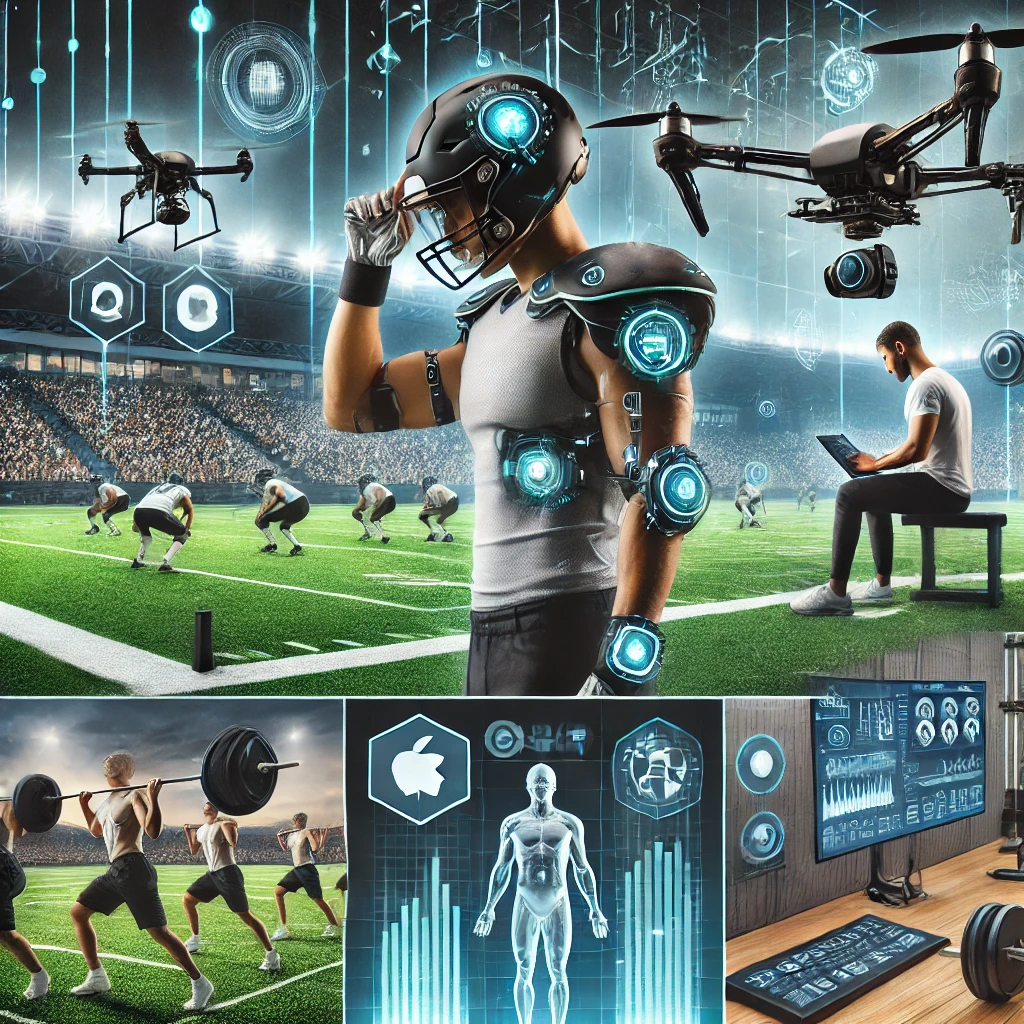
In recent years, Silicon Valley has emerged as a powerhouse for technological innovation in sports. From wearable technology to advanced data analytics, startups and established companies are transforming the way athletes train, perform, and recover. This article explores the key advancements and how they are enhancing athletic performance.
Wearable Technology: Monitoring and Enhancing Performance
One of the most significant trends in sports technology is the use of wearables. Devices like fitness trackers, smartwatches, and specialized sports sensors have become essential tools for athletes and coaches. These wearables track a variety of metrics, including heart rate, speed, distance, and even biomechanics, providing real-time feedback that can be used to adjust training regimes on the fly.
For instance, heart rate monitors help athletes maintain optimal training intensity, while GPS trackers offer insights into movement patterns and workload distribution. By analyzing this data, coaches can design personalized training programs that enhance performance and reduce the risk of injury.
Artificial Intelligence: Data-Driven Decision Making
Artificial Intelligence (AI) is revolutionizing sports by providing deep insights into athletic performance and team dynamics. AI-powered systems analyze vast amounts of data from various sources, including wearables, video footage, and historical performance data. This analysis helps in making informed decisions about training, strategy, and player health.
AI is particularly effective in injury prevention. By examining data on biomechanics and player movements, AI can predict injury risks and suggest preventative measures. For example, AI algorithms can detect irregularities in an athlete’s gait or landing technique, which could lead to injuries if not corrected.
In addition, AI is being used to enhance team management and strategy. Coaches use predictive analytics to identify the best players for specific situations and to devise game strategies based on historical and real-time data.
Advanced Analytics: Enhancing Training and Performance
Advanced analytics tools are transforming how teams and athletes approach training and performance. Performance analytics measure a wide range of data points, from player positioning and ball movement to the outcome of specific actions during a game. This information is critical for developing strategies that maximize team efficiency and effectiveness.
For example, video and motion analysis systems provide detailed statistics on player movements and actions, helping coaches identify strengths and weaknesses. By integrating this data with wearable technology, teams can gain a comprehensive understanding of an athlete’s performance and tailor training programs accordingly.
Virtual and Augmented Reality: Immersive Training Environments
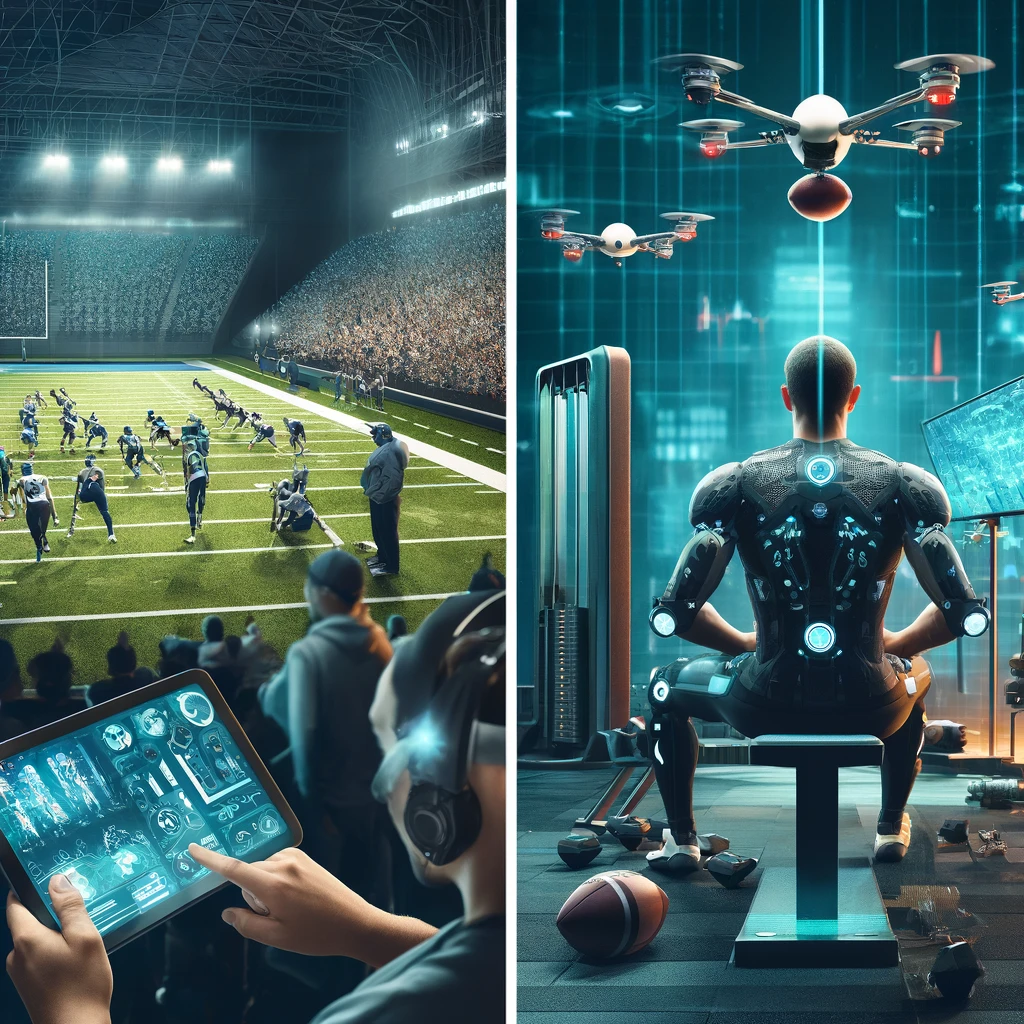
Virtual Reality (VR) and Augmented Reality (AR) are increasingly being used to create immersive training environments that mimic real-life scenarios. These technologies allow athletes to practice in a controlled, safe environment while receiving real-time feedback on their performance.
VR can simulate game situations, helping athletes improve their decision-making and reaction times. AR, on the other hand, can overlay real-time data onto the athlete’s field of vision, providing valuable insights during practice sessions. This combination of immersive training and real-time data is helping athletes prepare more effectively for competitions.
Enhancing the Fan Experience
Technology is not only enhancing athletic performance but also transforming the fan experience. Advanced cameras, interactive screens, and mobile apps are providing fans with unprecedented access to real-time data and interactive content. VR and AR are being used to create immersive viewing experiences, bringing fans closer to the action than ever before.
Social media platforms and AI-powered chatbots are enhancing fan engagement by providing personalized content and real-time interactions with teams and athletes. This increased connectivity is helping to build stronger relationships between fans and sports organizations, ultimately driving greater loyalty and support.
Conclusion
Silicon Valley’s technological advancements are revolutionizing the world of sports, providing athletes and teams with the tools they need to optimize performance and reduce injury risks. From wearable technology and AI to advanced analytics and immersive training environments, these innovations are setting new standards for excellence in athletic performance. As technology continues to evolve, the potential for further enhancements in sports is limitless.