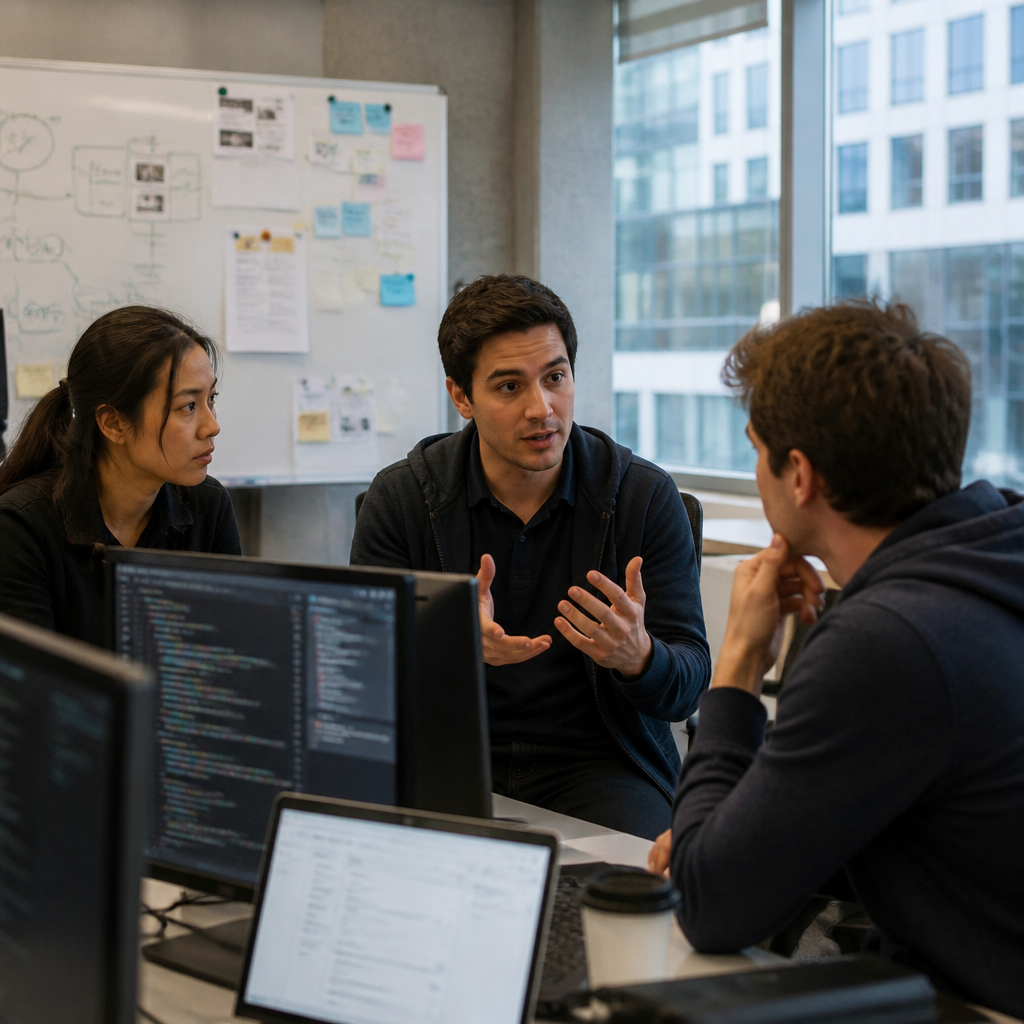
Silicon Valley is often synonymous with groundbreaking innovations and leading-edge technology startups. However, a fascinating trend is emerging that is adding another dimension to this tech hub: the harmonious merger of technology and art. From data-driven artworks to cutting-edge virtual reality experiences, Silicon Valley is proving to be as much a creative lab as it is a tech powerhouse.
Introduction: The Synergy of Tech and Art
Silicon Valley has long been recognized as the epicenter of technological advancements and innovation. The region is home to some of the most influential companies in the world, including Google, Apple, and Facebook. However, what many may not realize is that Silicon Valley is also at the forefront of merging technology with art, creating a synergistic relationship that enhances both fields.
This integration is not merely an incidental occurrence; it is the result of a conscious effort by tech companies and artists alike to explore the boundaries of possibility. Tech companies are increasingly investing in art to foster creativity and innovation within their ranks. At the same time, artists are leveraging state-of-the-art technology to create works that push the limits of imagination and possibility. The result is a landscape where art and technology coexist and feed off each other in ways that were previously unimaginable. Whether it’s through augmented reality installations, algorithm-driven sculptures, or digital galleries, the fusion of tech and art in Silicon Valley is paving the way for a new kind of innovation—one that is as aesthetically rich as it is technologically advanced.
The Role of Technology in Modern Art
The influence of technology on modern art cannot be overstated. Technological tools and platforms have expanded the horizons of what is possible in the art world, allowing for new forms of expression and reaching wider audiences than ever before. One prime example of this is the rise of digital art, which leverages computer software to create visually stunning pieces that can range from incredibly detailed digital paintings to interactive installations.
Artists now have access to tools such as 3D printers, which enable them to create intricate sculptures that would be impossible to produce by hand. Augmented reality (AR) and virtual reality (VR) are also making significant inroads into the art world, providing immersive experiences that can transport viewers to entirely new worlds or perspectives. Moreover, the rise of blockchain technology has introduced the concept of non-fungible tokens (NFTs), which has revolutionized how digital art is bought, sold, and owned. NFTs provide a level of authentication and provenance that was previously difficult to establish in the digital realm, giving digital artists new opportunities for monetization and recognition.
Through these technological advancements, the art world is experiencing a renaissance of sorts, one that is not confined by traditional mediums or limitations. This modern approach to art allows for a greater level of experimentation and innovation, resulting in works that are not only visually appealing but also intellectually stimulating.
Startups at the Forefront of the Tech-Art Movement
Several startups in Silicon Valley are leading the charge in merging technology and art. These companies understand that the intersection of these two fields can result in groundbreaking innovations that captivate both the tech-savvy and art enthusiasts alike.
One such startup is Meural, which offers a digital canvas that allows users to display art in their homes with the ability to change the displayed work at will. This innovation combines the tactile pleasure of viewing physical art with the flexibility and versatility of digital displays, providing an ever-changing gallery experience that can be tailored to individual tastes.
Another noteworthy startup is Artomatix, which uses AI to assist artists in creating hyper-realistic textures and models for video games and films. By leveraging computational creativity, Artomatix enables artists to produce lifelike visual content at a fraction of the time and cost traditionally associated with such endeavors.
Then there is the company Prisma Labs, which developed an app that uses neural networks to turn photos into artworks resembling famous paintings. This app democratizes the art creation process, allowing anyone with a smartphone to partake in the artistic experience by transforming mundane photos into pieces of digital art.
These startups exemplify the innovative spirit of Silicon Valley, showing how technology can not only enhance but also democratize the art world. By harnessing the power of AI, machine learning, and digital platforms, these companies are pushing the boundaries of what is possible in the intersection of tech and art.
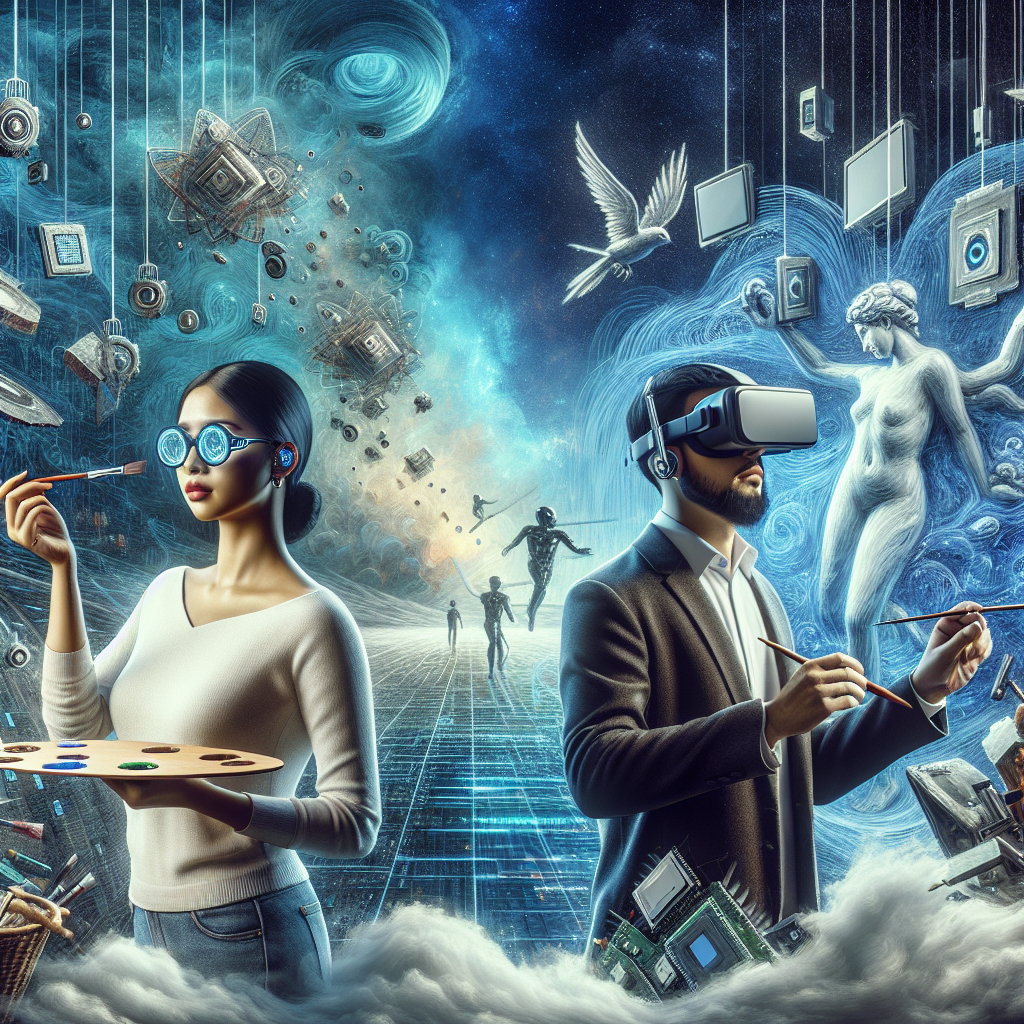
The Impact on Traditional Art Institutions
Traditional art institutions, such as museums and galleries, are also feeling the impact of this tech-art integration. While some may view the advent of digital art and technology-driven creativity as a threat to traditional mediums, many institutions are embracing these changes and incorporating them into their offerings.
For instance, the San Francisco Museum of Modern Art (SFMOMA) has been at the forefront of integrating technology into their exhibits. They offer virtual tours and augmented reality experiences that allow visitors to interact with art in new and engaging ways. The museum also utilizes data analytics to better understand visitor preferences and curate exhibits accordingly.
Similarly, the De Young Museum has incorporated digital installations and interactive sculptures into their exhibits, providing a more immersive experience for visitors. These institutions recognize that blending technology with traditional art forms can enhance the appreciation and understanding of art, making it accessible to a broader audience. By embracing technology, traditional art institutions are not only staying relevant in an increasingly digital world but also expanding their reach and impact. This approach ensures that art continues to evolve and resonate, even as the mediums and methods of its creation change.
The Role of Education in Bridging Tech and Art
Education plays a crucial role in bridging the gap between technology and art. Schools and universities are increasingly offering interdisciplinary programs that combine computer science with arts education, preparing the next generation of innovators to think creatively about the intersection of these fields.
For example, Stanford University offers the Creative Code Studio, where students can explore the relationship between coding and creativity. This program encourages students to use computational tools to create art, fostering a mindset that sees technology as a partner in the artistic process, rather than a separate entity.
Additionally, institutions like the California College of the Arts (CCA) offer courses that focus on digital arts, interactive design, and virtual reality. These programs provide students with the skills and knowledge needed to navigate and innovate in the tech-art landscape, ensuring that they are well-equipped to contribute to this evolving field.
Through these educational initiatives, a new generation of artists and technologists are being empowered to explore the possibilities at the intersection of their fields. This interdisciplinary approach promotes a culture of innovation and creativity that is essential for the continued growth and development of the tech-art movement.
Looking Forward: What the Future Holds
As we look towards the future, the integration of technology and art in Silicon Valley is set to advance even further. Emerging technologies such as artificial intelligence (AI), machine learning, and blockchain hold immense potential for transforming how art is created, experienced, and monetized.
AI, for instance, could enable artists to experiment with new forms of creative expression by analyzing and generating artistic styles. Machine learning algorithms can uncover patterns and insights from vast datasets, informing new artistic directions and approaches. Blockchain technology offers the promise of secure and transparent art transactions, revolutionizing the art market and ensuring that artists receive fair compensation for their work.
Moreover, the rise of the Internet of Things (IoT) could lead to more interactive and responsive art installations, creating dynamic experiences that adapt to the viewer’s movements and preferences. As technology continues to evolve, so too will the possibilities for merging it with art, resulting in ever more innovative and compelling creations.
In conclusion, Silicon Valley’s fusion of technology and art is a testament to the power of innovation and creativity. By embracing this convergence, the region is fostering a culture of experimentation and pushing the boundaries of what is possible in both fields. As technology continues to evolve, we can expect even more exciting developments at the intersection of tech and art, enriching our lives and expanding our understanding of what it means to create and experience art.