Introduction to Tech-Driven Wellness
Wellness is no longer just about running on a treadmill or cutting down on carbs. In today’s fast-paced world, the focus has shifted towards tech-driven wellness, a fusion of technology and health methodologies aimed at enhancing fitness and overall well-being. With Silicon Valley at the forefront of technological innovation, it’s unsurprising that this region is pioneering state-of-the-art solutions to age-old health challenges. Understanding tech-driven wellness is essential because it revolutionizes how individuals approach their health, offering personalized, data-driven insights and solutions.
Tech-driven wellness involves utilizing gadgets, apps, and platforms explicitly designed to track, monitor, and enhance health outcomes. Devices range from wearable fitness trackers that monitor heart rate and steps, to advanced health platforms that offer virtual personal training or mindfulness coaching. These innovations provide a more precise analysis of one’s health metrics, leading to informed decision-making. With an emphasis on convenience and user-centric design, tech-driven wellness is swiftly becoming integral to maintaining health in an advanced society.
Why does this matter? With an increase in chronic health issues and an explosion of lifestyle diseases, individuals are seeking more effective and efficient ways to manage their health. The Silicon Valley approach not only simplifies this process, but it also democratizes health data, making it accessible to more than just medical professionals. By aligning technology with wellness, people of all ages can experience enhanced health outcomes, and live healthier, longer lives.
Wearable Fitness Technology
Among the most significant innovations in tech-driven wellness is wearable fitness technology. These devices, which include fitness trackers, smartwatches, and even smart clothing, have become ubiquitous among health-conscious individuals seeking to optimize their lifestyle choices. Wearable technology provides real-time data on physical activity, heart rate, and even sleep patterns.
For example, Fitbit, one of the most recognized names in wearable technology, delivers insights into activity levels, sleep quality, and heart health. These wearables use sensors to gather data, which is then processed and displayed on users’ smartphones. By delivering regular feedback, they encourage users to move more, sleep better, and maintain optimal heart health.
The advantage here is clear: users have immediate access to a wealth of data about their personal habits. This immediacy allows individuals to make informed lifestyle choices and provides a sense of accountability that can drive people towards achieving their fitness goals. By integrating wearable tech into daily routines, users find themselves more motivated to improve and maintain their health.
Artificial Intelligence in Fitness Plans
Artificial Intelligence (AI) is another critical element within the sphere of tech-driven wellness, especially when it comes to customized fitness plans. AI-driven apps and platforms analyze user data to create personalized workouts and diet plans tailored to individual needs and goals. This personalized approach ensures that fitness and workout routines are not only effective but sustainable in the long run.
Consider the example of a platform like Freeletics, which uses AI to develop workout plans based on a user’s specific goals, fitness level, and even time constraints. Users are required to input their stats and objectives, and the AI engine generates a dynamic plan that evolves based on progress.
The benefit of AI in fitness planning is its adaptability and personalization, allowing for routines to be tailored to suit any lifestyle or fitness level. This adaptability ensures continuity and long-term success, providing individuals not only with the tools to start their fitness journey but also to sustain it effectively.
Virtual and Augmented Reality in Fitness Training
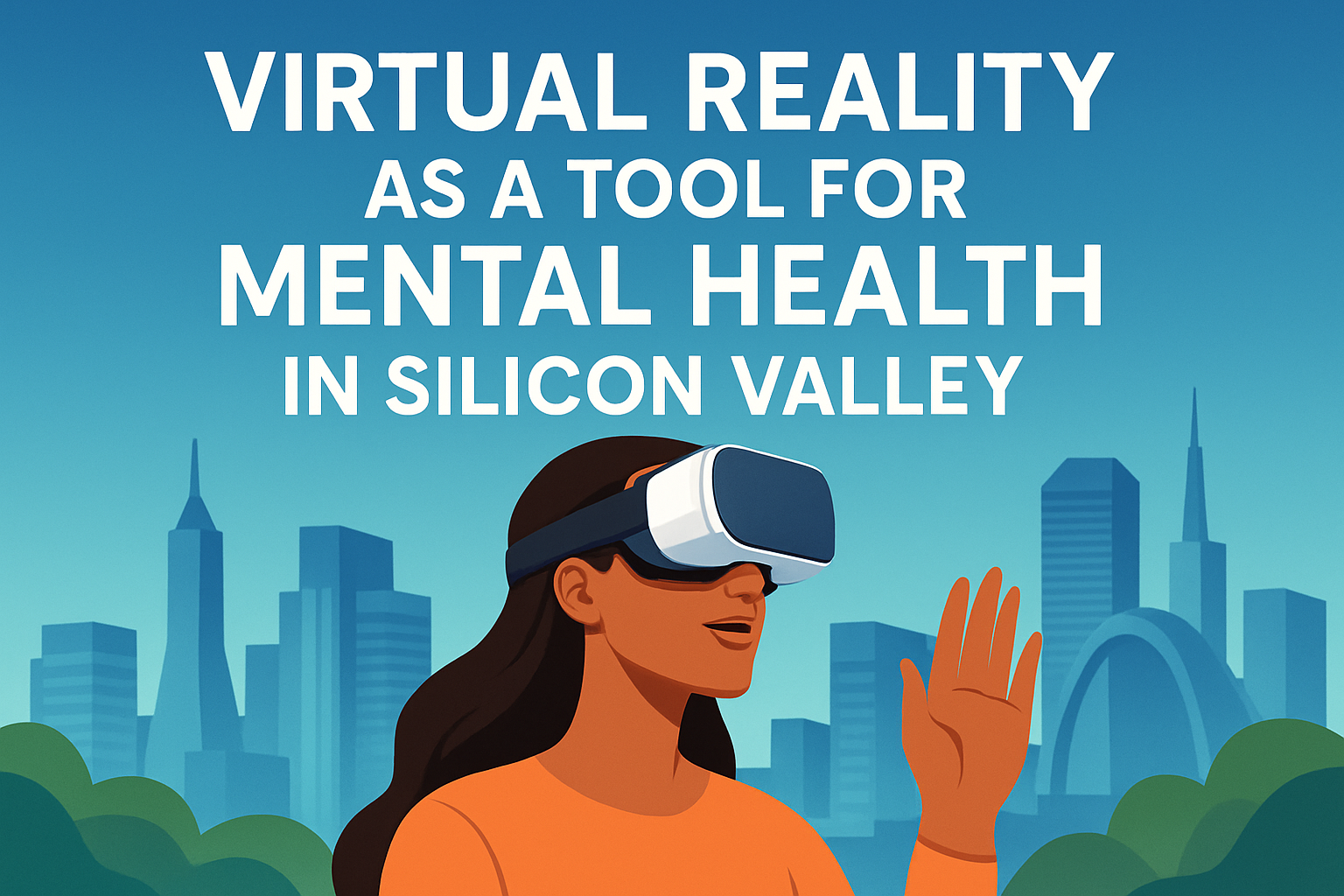
Virtual and Augmented Reality (VR and AR) are also making waves in tech-driven wellness by offering immersive fitness experiences. These technologies break the traditional boundaries of fitness by providing engaging and interactive workout experiences right from the comfort of one’s home.
- Virtual Reality: Platforms like VZfit use VR to transform mundane cycling sessions into thrilling adventures. Users might find themselves biking across a virtual Arizona desert or racing through a cityscape, making exercise much more engaging.
- Augmented Reality: Apps like Zombie, Run! use AR to gamify running, by creating scenarios where users must outrun virtual zombies, adding a fun element to jogging.
The use of VR and AR in fitness is a game-changer. It facilitates a more engaging way of exercising, thus motivating people to adopt and stick to their fitness regimens. Moreover, these technologies make working out fun, helping to shift exercise from a dreaded chore to an enjoyable part of the day.
Data-Driven Nutrition Apps
Nutrition is a cornerstone of wellness, and with Silicon Valley’s penchant for innovation, data-driven nutrition apps have surfaced to revolutionize how people approach their diets. These apps analyze dietary habits, track nutrient intake, and provide personalized meal plans to optimize overall health.
Take MyFitnessPal, for instance, a comprehensive app that allows users to log their meals and understand their nutritional intake. By keeping track of calories, macronutrients, and other nutritional values, users can identify patterns and make informed dietary choices.
The fundamental advantage of using data-driven nutrition apps is their ability to demystify nutrition. They provide insights that help balance meals according to individual health goals, thus promoting a holistic approach to wellness. Moreover, the continuous logging and feedback loops foster healthier long-term habits, leading to sustainable results.
Remote Health Monitoring
Among the groundbreaking advancements is the advent of remote health monitoring, which significantly changes how health care is delivered. These technologies provide a convenient way for individuals and healthcare providers to monitor vital health metrics right from home.
An excellent example is the use of telemedicine devices that send data directly from home to a healthcare provider. Companies like AliveCor offer portable ECG monitors that allow users to record their heart rhythms and detect anomalies. That data can seamlessly be shared with medical professionals for analysis.
The primary benefit of remote health monitoring is the increased accessibility and convenience it offers. It bridges the gap between patients and doctors, allowing individuals to manage their health proactively. This proactive approach means issues can be addressed early on, often before they become critical, enhancing the quality of care.
Conclusion and Takeaways
In summary, tech-driven wellness is revolutionizing the way individuals approach health and fitness. From wearable fitness technology that provides real-time data, to AI algorithms that tailor fitness plans, and VR experiences that make workouts more immersive, technology is the key to a more personalized and engaging wellness strategy.
The integration of technology into wellness efforts underscores the importance of accessibility, personalization, and engagement, by enabling individuals to make informed decisions about their health. Whether the goal is to enhance physical activity, optimize nutrition, or ensure comprehensive health monitoring, tech-driven wellness provides the tools necessary to achieve significant lifestyle improvements.
Individuals who adopt tech-driven wellness approaches can look forward to a future where maintaining health becomes a more enjoyable and less daunting endeavor. To take advantage of these developments, start by exploring one piece of technology that aligns with your wellness goals and incorporate it into your daily routine.
By embracing the intersection of technology and wellness, you are not just keeping pace with innovation but you are also investing in a healthier, more fulfilling life.
In conclusion, tech-driven wellness is not just a trend; it’s a transformative movement reshaping the health and wellness landscape.
Frequently Asked Questions
1. What is tech-driven wellness and how is Silicon Valley leading this movement?
Tech-driven wellness is an innovative approach that merges advanced technology and traditional health practices to promote better fitness and overall well-being. It’s a concept that’s gaining traction globally, especially in Silicon Valley, a hub of technological prowess. Here, leading tech companies and startups are creating groundbreaking solutions to age-old health challenges. These solutions include wearable devices, smart home gym equipment, health tracking apps, and virtual wellness platforms. These innovations are designed to provide users with real-time insights into their health metrics, such as heart rate, sleep patterns, calorie intake, and physical activity levels.
Silicon Valley’s contribution to tech-driven wellness is driven by its unique culture of innovation, backed by substantial investment in research and development. Companies in this area are continuously exploring how artificial intelligence, machine learning, and data analytics can be applied to improve personal health management and preventive healthcare. The region’s collaborative ecosystem, coupled with an unyielding quest for efficiency and improvement, ensures that tech-driven wellness solutions remain at the cutting edge, offering users practical tools to enhance their quality of life.
2. What are the most popular tech-driven fitness gadgets coming out of Silicon Valley?
Silicon Valley has birthed a plethora of cutting-edge fitness gadgets that have revolutionized how people approach health and exercise. Some of the most popular devices include wearable fitness trackers like Fitbit and Apple Watch, which provide users with detailed analytics about their daily activities, heart rate, sleep quality, and more. These devices can sync with smartphones to offer insights and personalized health tips.
Another emerging trend is smart home gym equipment, such as Peloton bikes or Mirror, which provide virtual fitness classes and interactive workout experiences. These devices often come with built-in screens that connect to the internet, allowing users to join live fitness classes or access on-demand workout sessions from the comfort of their homes.
Additionally, innovations like smart shoes that measure running form and capture data on distance traveled, and muscle recovery devices that use electrical pulses to help with post-workout soreness, are also gaining traction. These gadgets exemplify how technology can be harnessed to enhance personal fitness in practical, user-friendly ways.
3. How does artificial intelligence enhance tech-driven wellness solutions?
Artificial intelligence (AI) plays a pivotal role in tech-driven wellness by offering personalized, data-driven insights and recommendations. AI algorithms are capable of analyzing vast amounts of health data quickly to identify patterns and provide accurate predictions about individual health trends. For example, AI can monitor subtle changes in a user’s biometric data and suggest timely interventions, such as increased hydration or a specific type of exercise to optimize health outcomes.
Moreover, AI powers virtual coaching and personal training programs that adapt to a user’s performance and improvement over time. Through machine learning, these systems can continually refine workout and nutrition plans, ensuring users remain engaged and challenged at their personal fitness level. Virtual wellness assistants, integrated into apps and devices, also use AI to interact naturally with users, providing immediate feedback and motivation.
AI’s capacity to learn and make decisions based on complex datasets makes it a valuable component in the development of smart health management systems and preventive healthcare applications, offering a custom-tailored approach to achieving wellness goals.
4. What role do health and fitness apps play in tech-driven wellness?
Health and fitness apps are central to the tech-driven wellness landscape, offering users a convenient and comprehensive way to manage their fitness and health goals. These apps, readily available on smartphones and tablets, cover a range of categories including calorie counting, workout tracking, meditation, and mental health support.
Many fitness apps provide personalized workout routines, track progress, and even offer live online classes. Nutrition apps track daily dietary intake, helping users make informed eating choices and manage their nutritional goals. Mental wellness apps guide users through mindfulness practices and stress-relief exercises, which can significantly enhance mental health and emotional resilience.
Beyond individual use, these apps often create a community environment, allowing for social sharing, competition, and support. This social aspect can boost motivation and provide users with a supportive network, enhancing the overall wellness journey. The convenience and accessibility of health and fitness apps make them an indispensable tool in tech-driven wellness, bridging the gap between traditional health practices and modern technology.
5. Are there any drawbacks or concerns associated with tech-driven wellness?
While tech-driven wellness offers numerous benefits, there are also potential drawbacks and concerns that users should be aware of. Privacy is a major concern, as wearable devices and health apps often collect sensitive personal data, such as biometric information, location, and health history. Ensuring this data is protected and not misused is critical. Users must remain vigilant about data-sharing policies and opt for platforms that prioritize user privacy.
Another concern is the potential for becoming overly reliant on technology for health management. While gadgets and apps provide useful insights, they should complement, not replace, professional medical advice or traditional health practices. Overemphasis on quantitative data—like steps taken or caloric intake—without considering overall well-being can sometimes contribute to anxiety or obsessive behavior.
Additionally, not all tech-driven wellness solutions are universally accessible; high costs and digital literacy can be barriers. It’s essential for the industry to strive toward inclusivity, ensuring solutions are affordable and user-friendly for people of all backgrounds. Despite these challenges, tech-driven wellness continues to evolve, aiming to address these concerns while providing innovative tools to enhance health and fitness.