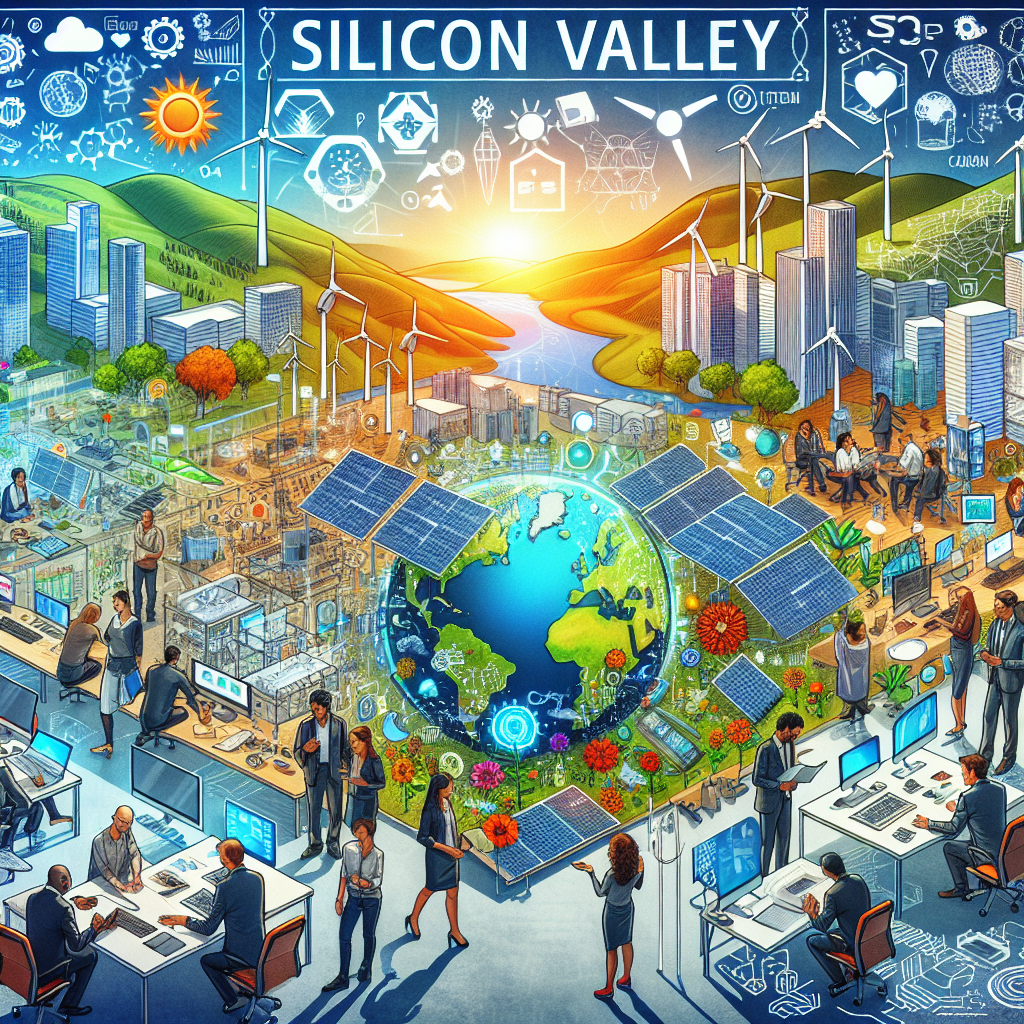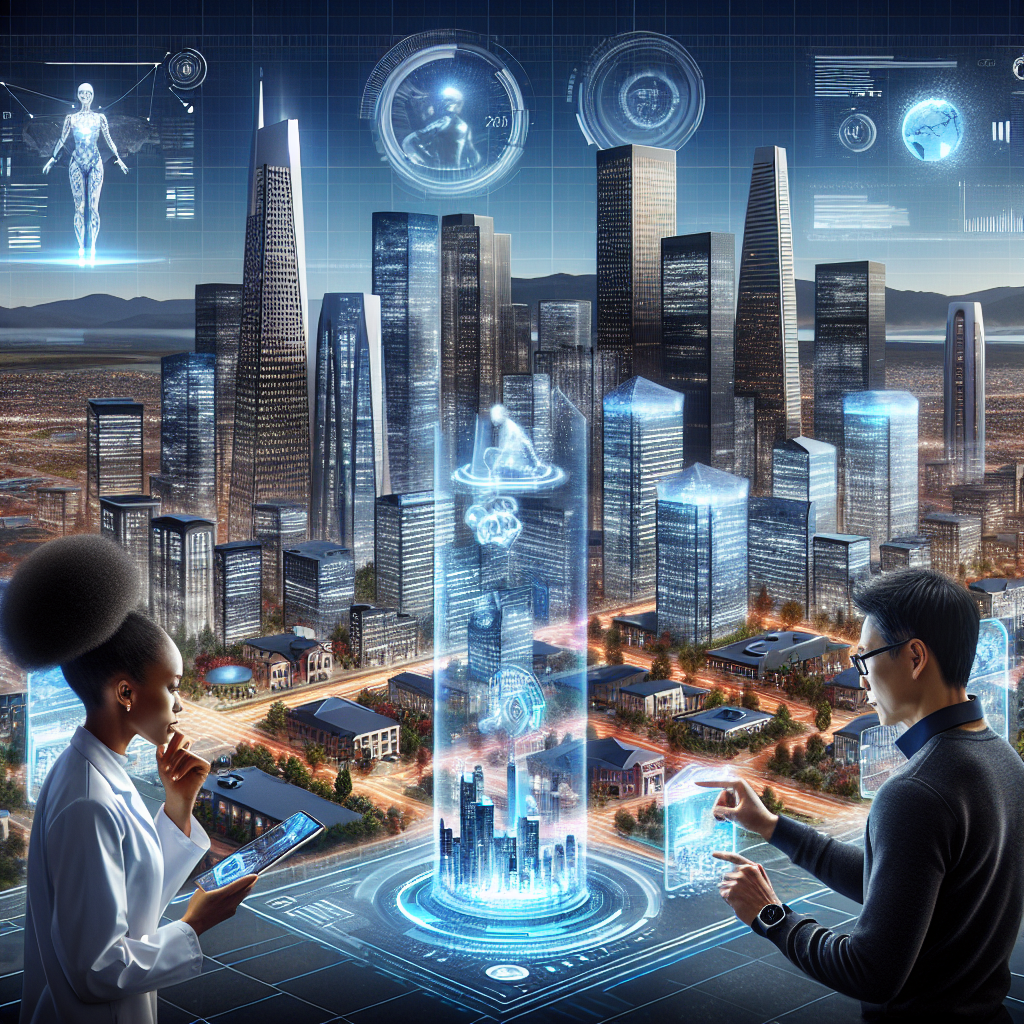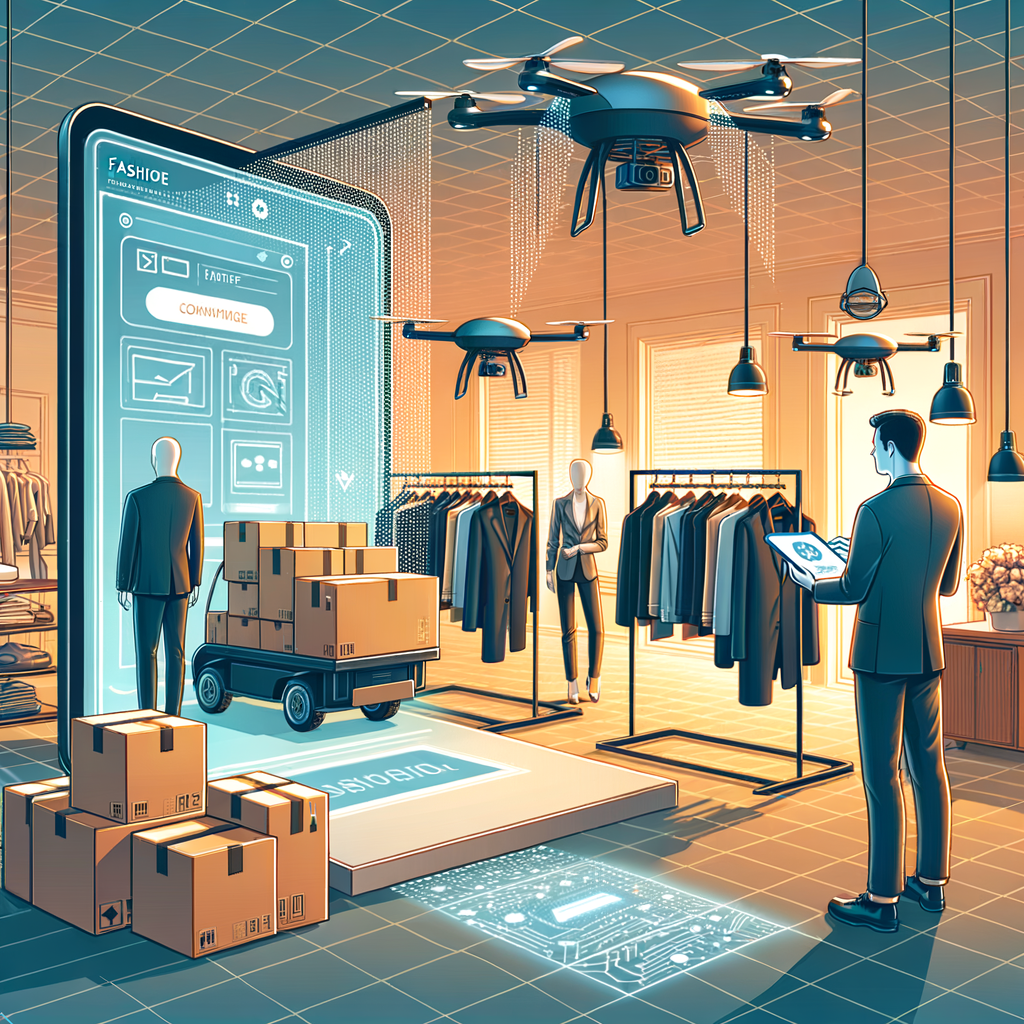
In recent years, the intersection of technology and fashion retail has become a fascinating domain that continues to evolve rapidly, driven by the advanced innovations emerging out of Silicon Valley. This unique convergence is not merely a trend; it signifies a transformative shift in how consumers interact with fashion brands. Silicon Valley, renowned as the epicenter of technological breakthroughs, is increasingly influencing the fashion retail landscape with groundbreaking solutions, ranging from artificial intelligence applications to augmented reality experiences. The incorporation of these technologies is reshaping every dimension of fashion retail, enhancing personalized shopping experiences, and optimizing supply chain efficiencies. As fashion retailers adopt these cutting-edge technologies, they are not only poised to meet the ever-changing expectations of digital consumers but are also setting new industry standards. Understanding these technological advancements offers valuable insights for stakeholders seeking to channel these innovations into tangible business benefits. In this article, we delve into how Silicon Valley’s latest innovations are revolutionizing the fashion retail sector, highlighting key technology impacts that define the future of this vibrant industry.
Artificial Intelligence and Machine Learning in Fashion Retail
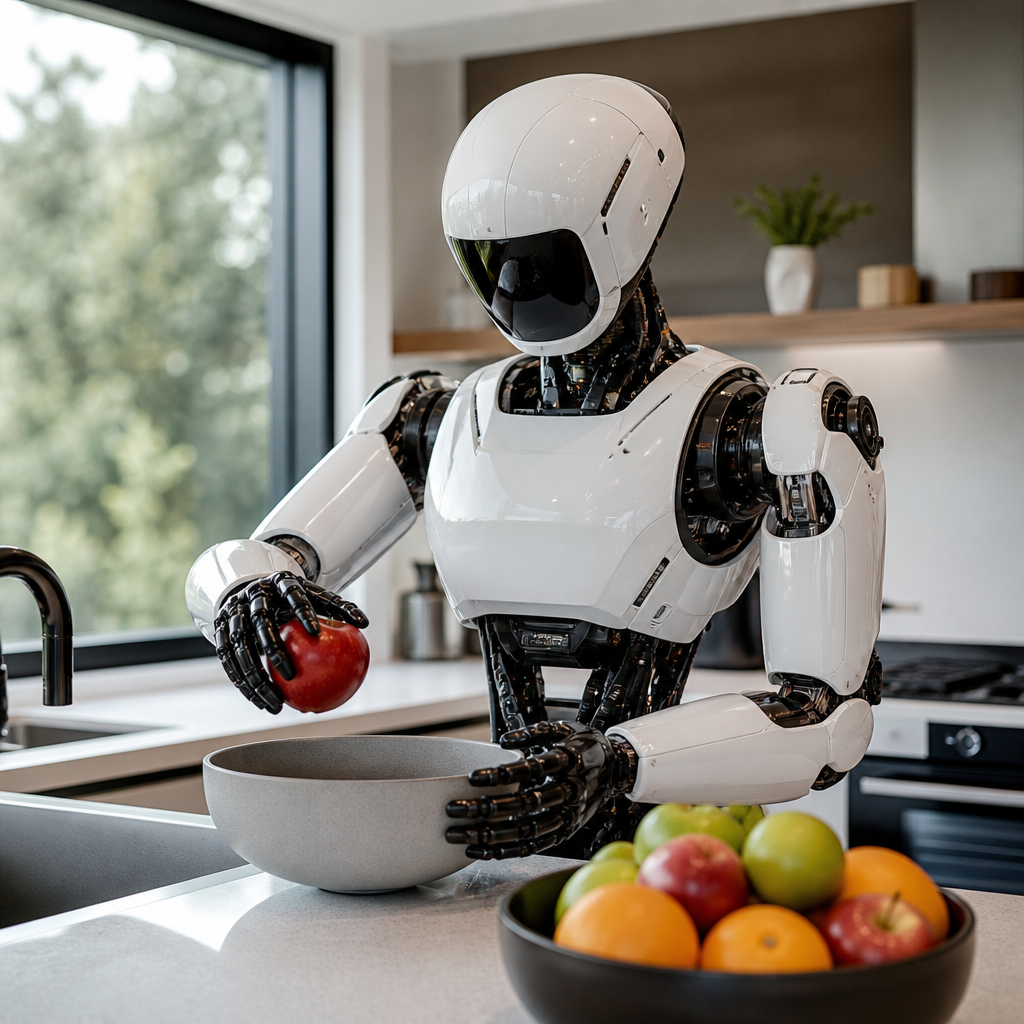
Artificial intelligence (AI) and machine learning are becoming indispensable tools in the fashion retail sector, primarily due to their capacity to analyze colossal datasets and provide actionable insights. AI algorithms are employed to understand consumer preferences and predict trends, thus enabling retailers to tailor personalized shopping experiences. By assessing consumer behavior data, AI can create precise customer profiles, offering product recommendations that align with individual preferences. This not only enhances the customer experience but also significantly boosts conversion rates.
Furthermore, AI-driven chatbots are transforming customer service in fashion retail. These chatbots are designed to simulate human conversation and can handle a multitude of customer queries simultaneously. This functionality not only streamlines customer service but also allows staff to focus on more complex tasks that require human intervention. AI technology is also instrumental in inventory management. Through predictive analytics, it aids retailers in forecasting demand and optimizing stock levels, minimizing waste, and increasing profitability. The advent of visual search technology, powered by AI, allows customers to search for fashion items using images rather than keywords. This innovation empowers consumers to find products that closely match their visual inspiration, bridging the gap between inspiration and purchase.
Augmented Reality and Virtual Reality Enhancements
Augmented reality (AR) and virtual reality (VR) are technology game-changers, providing immersive and interactive shopping experiences that capture consumer interest. Through AR applications, customers can virtually try on clothing or accessories in real-time, using their smartphone cameras. This not only overcomes the inability to physically try on items during online shopping but also enhances customer confidence in their purchasing decisions. Major retailers have incorporated AR technology into their online platforms, witnessing increased sales and reduced return rates.
On the other hand, virtual reality offers transformative in-store experiences. VR technology enables brand storytelling on a whole new level by creating virtual showrooms where customers can explore collections in a digitally immersive environment. Consumers can walk through these virtual spaces, interact with products, and make informed purchase decisions without the limitations imposed by physical store locations. These VR-enhanced experiences are vital for retaining consumer interest and promoting brand loyalty in an increasingly digital and competitive marketplace.
Blockchain for Transparency and Sustainability
In an era where consumers are increasingly concerned about ethical sourcing and sustainability, blockchain technology is paving the way for greater transparency in fashion retail. Blockchain’s decentralized ledger system ensures that every transaction and movement of goods is recorded and verified, providing consumers with transparent information about the origin and journey of products. This level of transparency not only builds consumer trust but also holds brands accountable for ethical practices.
Furthermore, blockchain technology facilitates the creation of a digital identity for each product, providing detailed data about raw materials, manufacturing processes, and supply chains. This transparency allows customers to make informed decisions, aligning their purchases with their environmental and ethical values. For retailers, blockchain becomes a tool for proving their commitment to sustainability, an essential factor in brand differentiation in the modern market.
Internet of Things and Smart Retail Solutions
The Internet of Things (IoT) is making waves in fashion retail by connecting physical and digital experiences seamlessly. IoT devices, such as smart mirrors and RFID-enabled tags, are revolutionizing how consumers interact with products. Smart mirrors, equipped with sensors and digital displays, allow customers to view different outfit options, adjust the lighting, and access product information without leaving the fitting room. RFID technology, embedded in tags, assists in real-time inventory tracking, ensures accurate stock availability, and helps prevent shoplifting.
IoT also contributes significantly to supply chain optimization. With smart sensors and IoT-enabled devices, retailers can monitor conditions throughout the supply chain, ensuring efficiency and quality control. This not only reduces operational costs but also enhances the overall customer experience. IoT-driven data analytics provide valuable insights into consumer behavior, facilitating improved store layouts and product placements, ultimately driving sales.
3D Printing and Customized Fashion
3D printing is another technological advancement gaining traction in fashion retail, offering unprecedented customization options. It allows for the creation of bespoke garments and accessories, catering to the growing demand for unique and personalized products. With 3D printing, designers can experiment with complex structures and materials that were previously impractical or impossible, pushing the boundaries of traditional fashion design.
This technology also significantly reduces waste, as items are printed on demand, eliminating excess inventory. Retailers adopting 3D printing can respond quickly to changing trends and consumer preferences, thus staying ahead in the fast-paced fashion industry. Additionally, this technology removes barriers to entry for new designers and retailers, allowing them to produce and market their creations without the need for extensive manufacturing capabilities.
Conclusion
As we have explored, the integration of Silicon Valley’s latest technological innovations is profoundly shaping the fashion retail industry, setting it on a path toward a more dynamic and consumer-centric future. Advanced technologies such as artificial intelligence, augmented and virtual reality, blockchain, the Internet of Things, and 3D printing are not only enhancing the shopping experience but are also fostering sustainable practices and operational efficiency. These innovations allow fashion retailers to offer personalized experiences, optimize their supply chains, and engage consumers in new and exciting ways.
The future of fashion retail lies in the strategic adoption of these technologies, as they represent both an opportunity and a challenge for industry players aiming to stay competitive in a rapidly evolving market. Retailers willing to embrace these technological shifts will position themselves favorably in an industry that demands agility, creativity, and consumer-centric strategies. As Silicon Valley continues to produce groundbreaking innovations, the fashion retail industry must remain vigilant and adaptive, ensuring that technological advancements are leveraged to their fullest potential. The symbiotic relationship between fashion and technology promises a future where consumers are at the heart of an immersive, sustainable, and highly personalized shopping experience, helmed by cutting-edge innovations.
Frequently Asked Questions
1. How is technology changing the fashion retail landscape?
Technology is revolutionizing fashion retail by integrating advanced solutions that reshape how brands and consumers interact. From AI-powered personal shoppers that recommend products based on your style to virtual try-ons that alleviate the need for physical dressing rooms, technology is drastically enhancing customer experiences. These innovations improve efficiency in operations and help brands personalize their marketing strategies, making consumer shopping journeys smoother and more enjoyable. Better inventory management systems and real-time data analytics allow retailers to respond swiftly to market demands and consumer preferences. This fusion of tech and fashion retail is no longer optional; it’s a definitive aspect of modern retail strategy that seeks to meet the ever-evolving expectations of today’s customers and stay competitive in an increasingly digital marketplace.
2. What role does artificial intelligence play in fashion retail?
Artificial intelligence (AI) plays a pivotal role in fashion retail by bringing automation, personalization, and precision to various processes. It powers chatbots that provide instant customer service, helping shoppers find what they need without delay. AI algorithms analyze massive datasets to predict trends, enabling retailers to stock the right products ahead of time. More impressively, AI-powered virtual assistants can suggest outfits based on style preferences and past purchases, creating a highly personalized shopping experience. By analyzing customer behavior and preferences, AI helps fashion retailers tailor their marketing strategies, optimize pricing models, and enhance customer satisfaction, thus driving sales and increasing brand loyalty.
3. How are Augmented Reality (AR) and Virtual Reality (VR) being used in fashion retail?
Augmented Reality (AR) and Virtual Reality (VR) are transformative technologies in fashion retail, enhancing the shopping experience by bridging the gap between physical and digital worlds. AR applications allow customers to virtually try on clothing and accessories, creating an interactive dressing room experience that minimizes returns and increases purchase confidence. VR is being used to create immersive showrooms and virtual fashion shows, enabling customers to explore collections as if they were physically present. Together, these technologies offer innovative ways to view and interact with products online, making digital shopping more engaging and reducing the friction that can often accompany e-commerce transactions.
4. What innovations are emerging from Silicon Valley that impacts fashion retail?
Silicon Valley is a hotbed of innovation, and its impact on fashion retail is profound. Start-ups and tech giants alike are developing smart textiles with embedded sensors, allowing clothing to perform additional functions like monitoring health metrics. Blockchain technology is being utilized to enhance supply chain transparency, ensuring that consumers have access to product provenance information and thereby fostering sustainability. Furthermore, machine learning tools are being created to automate inventory and procurement processes, reducing costs, and increasing speed to market. These innovations are not isolated improvements; they represent a collective evolutionary leap for the fashion industry steered by technology incubated in Silicon Valley.
5. What is the future of fashion retail with continued technological integration?
The future of fashion retail with ongoing technological advancements is brimming with possibilities that promise to redefine the sector. With the continuous integration of IoT (Internet of Things), stores are expected to become more connected and intelligent, offering unique, data-driven shopper experiences. We will likely see an even greater shift toward sustainable and ethical practices, powered by blockchain for supply chain transparency and AI for efficiency. There’s potential for more personalized, interactive shopping journeys both online and in physical stores, making use of technologies like AI-driven analytics and VR. The future is increasingly customer-centric, with technology enabling retailers to adapt dynamically to consumer needs, preferences, and sustainability concerns, marking the dawn of a new era in retail where digital convenience meets personalized, human-centric experiences.