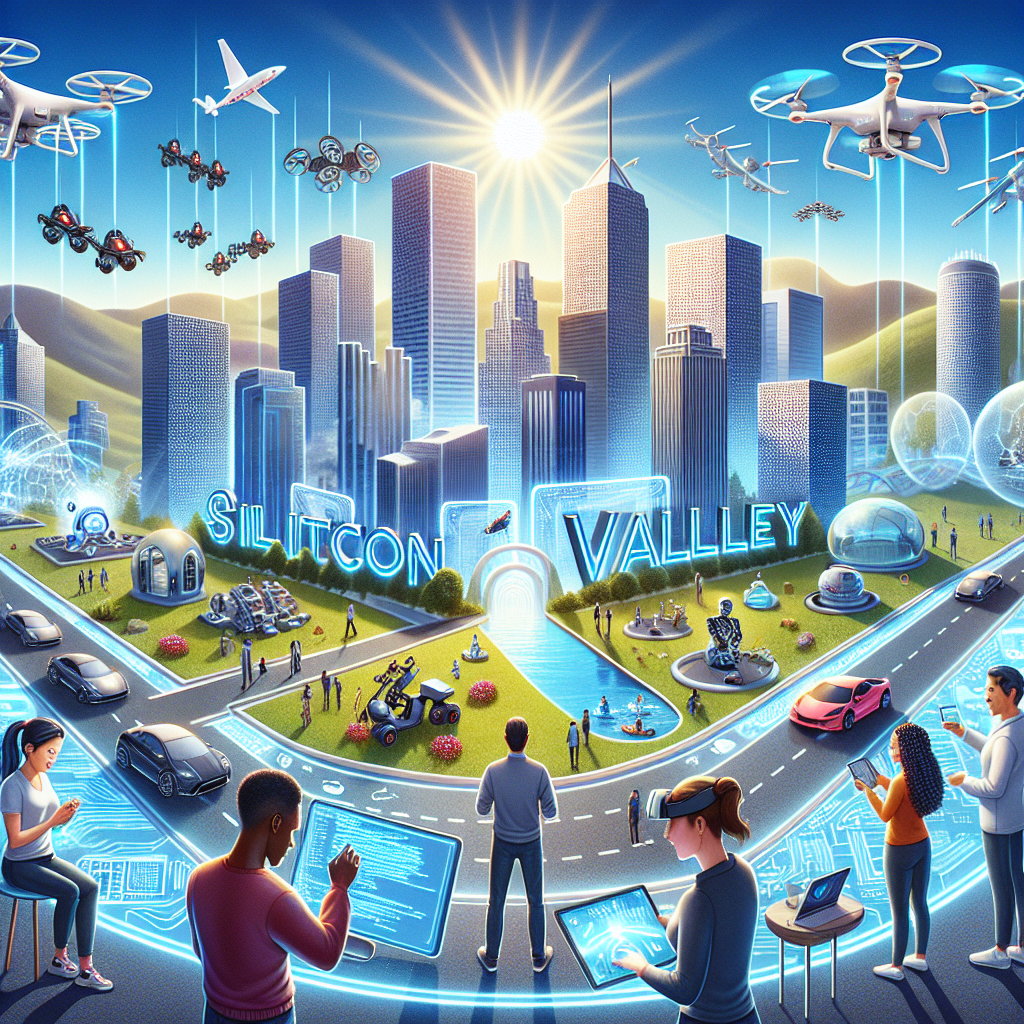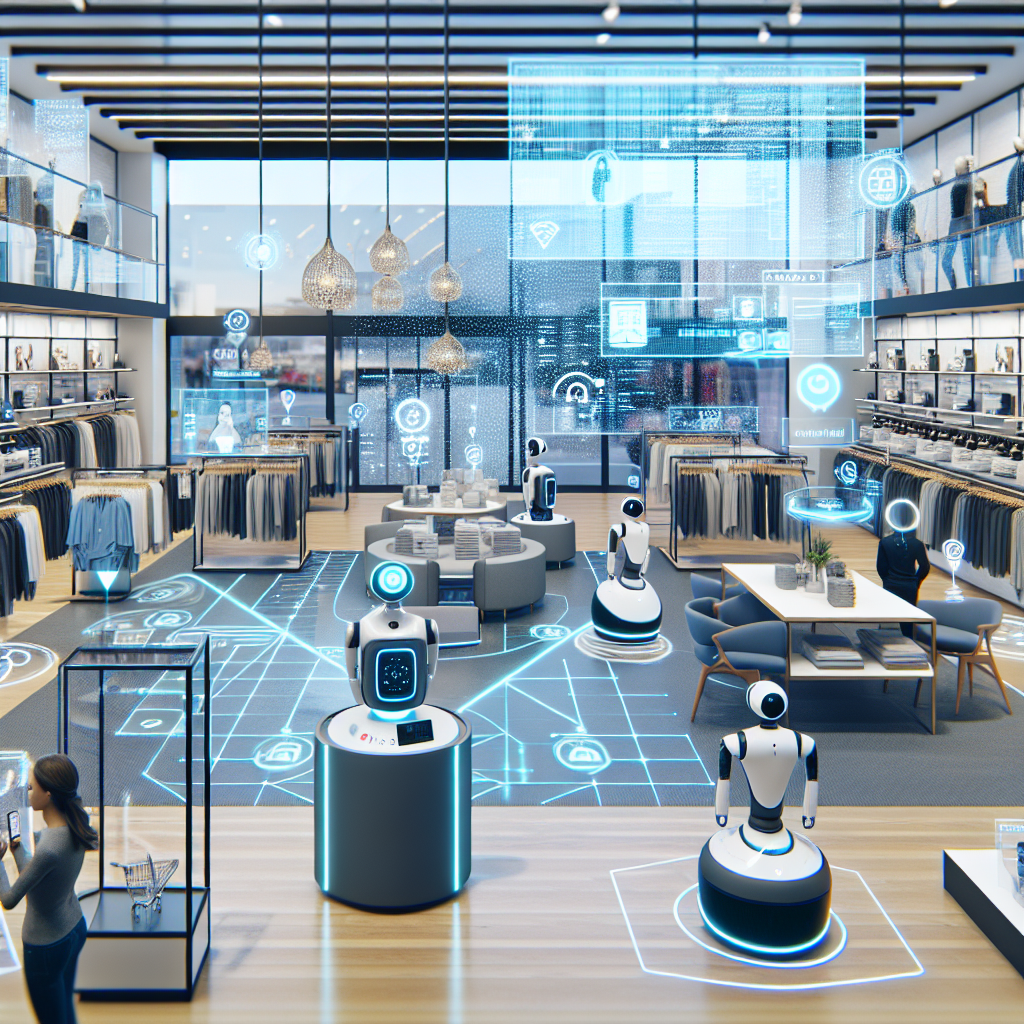
Artificial Intelligence (AI) has made remarkable strides in recent years, reshaping various industries, including retail. Silicon Valley, the global hub of technological innovation, is at the forefront of this transformation. Companies and startups in this region are developing AI-driven solutions that enhance customer experiences, streamline operations, and drive business growth. This article explores how AI is revolutionizing the retail industry through innovative technologies and solutions emerging from Silicon Valley.
The AI Revolution in Retail
Enhancing Customer Experiences
One of the most significant impacts of AI in retail is its ability to enhance customer experiences. AI-driven technologies like chatbots, personalized recommendations, and visual search are transforming how consumers interact with brands.
1. Chatbots and Virtual Assistants: Silicon Valley companies like Google and Facebook have developed advanced chatbots and virtual assistants capable of understanding and responding to customer inquiries in real-time. These AI-driven tools provide 24/7 support, handle multiple queries simultaneously, and offer personalized assistance, improving customer satisfaction and engagement.
2. Personalized Recommendations: Amazon and Netflix have set the standard for personalized recommendations, but many Silicon Valley startups are also making significant contributions. Companies like Stitch Fix use AI algorithms to analyze customer preferences and provide tailored product suggestions, enhancing the shopping experience and increasing sales.
3. Visual Search: AI-powered visual search technology, pioneered by companies like Pinterest and Google, allows customers to search for products using images rather than text. This innovation makes it easier for consumers to find exactly what they are looking for, improving the shopping experience and increasing conversion rates.
Streamlining Operations
AI is not only enhancing customer experiences but also streamlining retail operations. From inventory management to supply chain optimization, AI-driven solutions are making retail processes more efficient and cost-effective.
1. Inventory Management: Silicon Valley startups like Bossa Nova Robotics and Simbe Robotics are revolutionizing inventory management with AI-powered robots. These robots can scan shelves, track inventory levels, and identify out-of-stock items, ensuring that retailers always have the right products available for customers.
2. Supply Chain Optimization: AI is also transforming supply chain management. Companies like ClearMetal use AI algorithms to analyze vast amounts of data and predict demand, optimize routes, and reduce delivery times. This not only improves efficiency but also reduces costs and enhances customer satisfaction.
3. Fraud Detection: AI is playing a crucial role in detecting and preventing fraud in retail. Companies like Forter and Signifyd leverage AI to analyze transaction data, identify suspicious patterns, and prevent fraudulent activities. This ensures a secure shopping environment for customers and protects retailers from financial losses.
Driving Business Growth
The integration of AI in retail is not just about improving processes and experiences; it’s also driving significant business growth. Silicon Valley’s AI-driven solutions are enabling retailers to make data-driven decisions, optimize marketing strategies, and gain a competitive edge.
1. Data-Driven Decision Making: Retailers are harnessing the power of AI to analyze customer data and gain valuable insights into buying behaviors and preferences. Companies like Salesforce and IBM offer AI-powered analytics platforms that help retailers make informed decisions, optimize product assortments, and enhance marketing strategies.
2. Marketing Optimization: AI is transforming marketing in retail by enabling hyper-targeted campaigns. Startups like Persado use AI to generate compelling marketing messages, while companies like Adgorithms provide AI-driven solutions for optimizing ad placements and maximizing ROI. These innovations allow retailers to reach the right audience with the right message at the right time.
3. Competitive Advantage: Retailers that embrace AI are gaining a significant competitive advantage. By leveraging AI-driven solutions, they can offer superior customer experiences, streamline operations, and drive growth. This is particularly crucial in today’s fast-paced retail environment, where staying ahead of the competition is essential for success.
Case Studies: Silicon Valley’s AI Innovators
Amazon Go: The Future of Checkout-Free Shopping
Amazon, a leader in AI innovation, has revolutionized the retail industry with its checkout-free stores, Amazon Go. These stores use a combination of AI, computer vision, and sensor fusion technology to create a seamless shopping experience. Customers can walk into the store, pick up the items they need, and walk out without waiting in line or going through a traditional checkout process. The AI system automatically detects the items taken and charges the customer’s Amazon account, providing a frictionless shopping experience.
Zappos: AI-Driven Customer Service
Zappos, an online shoe and clothing retailer, uses AI to enhance its customer service operations. The company employs AI-powered chatbots to handle customer inquiries, process returns, and provide personalized recommendations. This not only improves efficiency but also ensures that customers receive prompt and accurate assistance, enhancing their overall shopping experience.
Sephora: Personalizing Beauty with AI
Sephora, a leading beauty retailer, leverages AI to offer personalized beauty experiences to its customers. The Sephora Virtual Artist, an AI-powered app, allows customers to try on different makeup products virtually using augmented reality. Additionally, Sephora uses AI algorithms to analyze customer preferences and provide tailored product recommendations, ensuring that customers find the perfect beauty products for their needs.
Stitch Fix: Revolutionizing Fashion with AI
Stitch Fix, a Silicon Valley-based online personal styling service, uses AI to revolutionize the fashion industry. The company combines data science and human expertise to curate personalized clothing selections for its customers. AI algorithms analyze customer preferences, body measurements, and style trends to deliver a personalized shopping experience. This innovative approach not only enhances customer satisfaction but also reduces return rates and increases sales.
The Future of AI in Retail
The future of AI in retail looks promising, with continuous advancements and innovations on the horizon. Silicon Valley will undoubtedly continue to play a pivotal role in driving these developments. Here are some trends to watch for in the coming years:
1. Augmented Reality (AR) and Virtual Reality (VR): AR and VR technologies are expected to become more integrated with AI, providing immersive shopping experiences. Customers will be able to virtually try on clothes, visualize furniture in their homes, and experience products before making a purchase.
2. Voice Commerce: Voice-activated AI assistants like Amazon’s Alexa and Google Assistant are already transforming how customers shop. As these technologies become more sophisticated, voice commerce is expected to grow, allowing customers to make purchases, track orders, and receive personalized recommendations using voice commands.
3. AI-Driven Sustainability: AI will play a crucial role in promoting sustainability in retail. From optimizing supply chains to reducing waste, AI-driven solutions will help retailers adopt more environmentally friendly practices and meet the growing demand for sustainable products.
4. Hyper-Personalization: As AI algorithms become more advanced, retailers will be able to offer even more personalized experiences. Hyper-personalization will involve analyzing vast amounts of data to understand individual customer preferences and deliver tailored recommendations, promotions, and shopping experiences.
Artificial Intelligence is revolutionizing the retail industry, and Silicon Valley is at the forefront of this transformation. From enhancing customer experiences and streamlining operations to driving business growth, AI-driven solutions are reshaping how retailers operate and engage with customers. As AI technology continues to evolve, we can expect even more innovative and groundbreaking solutions to emerge from Silicon Valley, further transforming the retail landscape and setting new standards for the industry.

Challenges and Considerations in Implementing AI in Retail
While AI offers numerous benefits, implementing AI-driven solutions in retail also comes with its own set of challenges and considerations. Retailers must address these issues to fully harness the potential of AI and ensure successful integration.
Data Privacy and Security
1. Data Privacy Concerns: With the increasing use of AI, retailers are collecting vast amounts of customer data. Ensuring the privacy and security of this data is paramount. Retailers must comply with data protection regulations like GDPR and CCPA and implement robust data security measures to protect sensitive customer information.
2. Ethical AI Use: The ethical use of AI is another important consideration. Retailers must ensure that AI algorithms are transparent, unbiased, and do not discriminate against any group of customers. This involves regularly auditing AI systems and implementing measures to mitigate any biases that may arise.
Integration with Existing Systems
1. Compatibility Issues: Integrating AI-driven solutions with existing retail systems can be challenging. Retailers need to ensure that new AI technologies are compatible with their current infrastructure and can seamlessly integrate with their existing software and hardware.
2. Training and Support: Implementing AI requires significant investment in training and support. Retailers must provide adequate training to their employees to ensure they can effectively use and manage AI-driven solutions. Additionally, ongoing support and maintenance are essential to keep AI systems running smoothly.
Cost and ROI
1. High Implementation Costs: The initial cost of implementing AI technologies can be high. Retailers need to invest in hardware, software, and training, which can be a significant financial burden, especially for smaller businesses. It’s crucial to carefully assess the potential return on investment (ROI) before committing to AI implementation.
2. Measuring ROI: Measuring the ROI of AI investments can be challenging. Retailers need to establish clear metrics and KPIs to track the performance of AI-driven solutions and determine their impact on business outcomes. This includes evaluating improvements in customer satisfaction, operational efficiency, and sales growth.
The Role of Startups in AI Innovation
Silicon Valley is home to numerous startups that are driving AI innovation in retail. These startups are developing cutting-edge technologies and solutions that address specific challenges faced by retailers.
Innovators to Watch
1. ViSenze: ViSenze, a visual commerce startup, uses AI to power visual search and image recognition for retailers. Their technology allows customers to search for products using images, making the shopping experience more intuitive and seamless.
2. Standard Cognition: Standard Cognition offers AI-powered autonomous checkout solutions, similar to Amazon Go. Their technology enables retailers to create checkout-free shopping experiences, reducing wait times and improving customer convenience.
3. Noodle.ai: Noodle.ai focuses on applying AI to supply chain optimization. Their platform uses AI algorithms to predict demand, optimize inventory levels, and reduce supply chain disruptions, helping retailers improve efficiency and reduce costs.
4. True Fit: True Fit leverages AI to provide personalized size and fit recommendations for online shoppers. By analyzing customer data and purchase history, True Fit helps reduce return rates and increase customer satisfaction.
Conclusion
Artificial Intelligence is undeniably transforming the retail industry, with Silicon Valley leading the charge in developing innovative and groundbreaking solutions. From enhancing customer experiences and streamlining operations to driving business growth, AI is reshaping the retail landscape. However, retailers must also navigate the challenges of data privacy, system integration, and cost considerations to fully leverage the benefits of AI.
As AI technology continues to evolve, we can expect even more exciting advancements in the retail sector. Startups and established companies alike will continue to push the boundaries of what is possible, creating new opportunities for retailers to thrive in an increasingly competitive market. By embracing AI, retailers can not only stay ahead of the competition but also deliver exceptional experiences that meet the ever-changing needs of their customers.