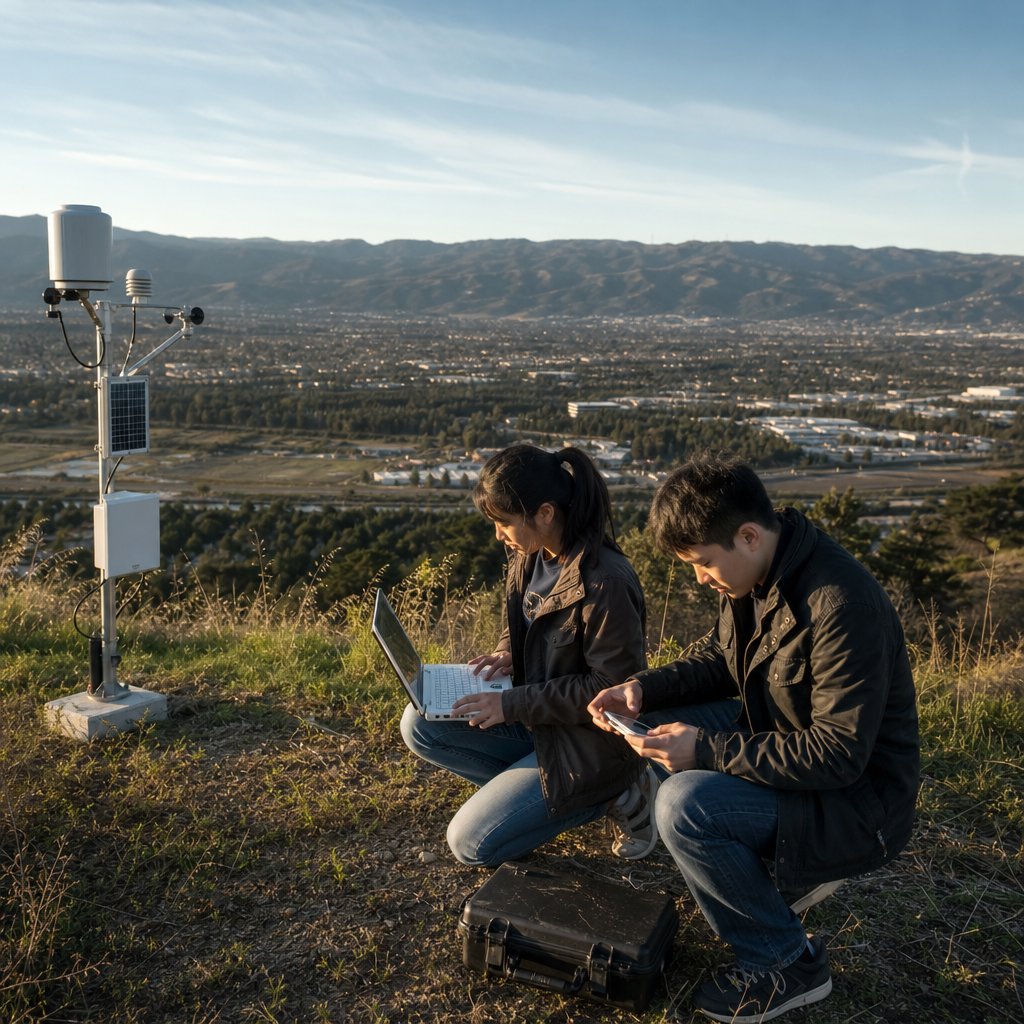
Digital literacy has become a foundational skill, and Silicon Valley’s approach to tech education offers a practical model for building it across schools, workplaces, and communities. In this context, digital literacy means more than knowing how to use a device. It includes understanding how software works, evaluating online information, protecting privacy, collaborating through digital tools, and adapting as platforms change. I have worked with school programs, startup training teams, and adult learners transitioning into technical roles, and the same pattern appears repeatedly: people progress fastest when education treats technology as something to question, build with, and apply, not just consume. That is why the learning curve matters. It describes the path from basic familiarity to confident, independent use, and it shapes whether students become passive users or capable problem-solvers. Silicon Valley has influenced this path by combining project-based learning, rapid feedback, interdisciplinary teaching, and close ties to industry. The result is not a perfect system, but it has set expectations for how modern tech education should work.
As a hub for the Learning Curve within Educational Resources, this article explains the core methods, tools, tradeoffs, and outcomes associated with that model. It also answers the practical questions readers usually ask: what digital literacy includes, how Silicon Valley teaches it, which skills matter first, and how educators or self-directed learners can apply the approach without access to elite institutions.
What Digital Literacy Includes Today
Digital literacy now spans five connected competencies. First is operational fluency: using operating systems, cloud storage, productivity software, video conferencing, and mobile devices without constant assistance. Second is information literacy: searching effectively, verifying sources, spotting manipulated media, and recognizing algorithmic bias. Third is communication literacy: writing clearly in email, chat, project boards, and collaborative documents while understanding digital etiquette. Fourth is creation: using no-code tools, spreadsheets, design platforms, data dashboards, and beginner programming environments to produce useful work. Fifth is security and ethics: using password managers, multifactor authentication, access controls, and privacy settings while understanding data collection and responsible AI use.
In Silicon Valley settings, these competencies are rarely taught in isolation. A middle school robotics project might require file management, sensor troubleshooting, teamwork in shared documents, source checking for component choices, and a discussion about data collection. In a startup onboarding program, new employees often learn digital literacy through live tasks: configuring Slack and Google Workspace, documenting work in Notion, querying data in a dashboard, and following security policies based on NIST-style controls. This integrated method reduces abstraction. Learners see why skills matter because each one is attached to a visible outcome, such as shipping a prototype, presenting research, or protecting customer data.
How Silicon Valley Shapes the Learning Curve
Silicon Valley’s tech education culture is defined less by geography than by a set of teaching assumptions. The first is that learning should be hands-on from the start. Instead of waiting for mastery before application, learners build simple products early and improve through iteration. The second is that feedback should be fast. Code reviews, design critiques, analytics dashboards, and short sprint cycles make progress measurable. The third is that tools are part of literacy. Knowing version control, shared documentation, and task tracking is considered as important as understanding concepts. The fourth is that failure is data. A broken script, flawed prototype, or weak presentation is treated as material for revision rather than proof of inability.
I have seen this approach shorten the learning curve dramatically for beginners. A student who struggles through abstract lessons on web development often improves faster after publishing a basic page, connecting a form, and testing it with classmates. The same principle applies in adult training. When career changers create a small automation in Airtable or Zapier that saves ten minutes a day, confidence rises because the value is concrete. Silicon Valley programs also emphasize peer learning. Hackathons, pair programming, demo days, and community forums create environments where learners explain decisions aloud, which deepens understanding and exposes gaps quickly.
Core Teaching Methods and Tools
Several methods appear consistently in strong tech education programs. Project-based learning is central because it connects theory to a finished artifact. Scaffolded instruction breaks large skills into manageable tasks, such as moving from spreadsheet formulas to data cleaning and then to dashboard interpretation. Inquiry-based learning encourages students to ask how a recommendation algorithm works or why a model produces biased output. Competency-based assessment focuses on demonstrated skill, not seat time. This matters in digital literacy because learners often advance unevenly; someone may be excellent at research verification but weak in file organization or privacy settings.
Common tools reflect workplace reality. Google Workspace and Microsoft 365 teach collaboration, commenting, version history, and presentation design. Scratch, Python, JavaScript, and App Inventor support computational thinking at different levels. Canva and Figma teach visual communication and interface logic. GitHub introduces version control and documentation habits. Learning management systems such as Canvas or Google Classroom organize assignments, while platforms like Khan Academy, freeCodeCamp, and Common Sense Education provide structured practice. In data literacy, spreadsheets remain essential because they teach formulas, sorting, filtering, and error checking before learners move into SQL or Tableau.
| Stage of the learning curve | Main goal | Typical tools | Example outcome |
|---|---|---|---|
| Beginner | Operate devices and navigate platforms confidently | Chromebook, Google Docs, password manager | Create, share, and secure a class document |
| Developing | Evaluate information and collaborate effectively | Search operators, shared drives, project boards | Research a topic and present verified sources |
| Applied | Build digital products and workflows | Scratch, Python, Canva, Zapier | Launch a simple app, dashboard, or automation |
| Advanced | Analyze systems, risks, and ethical tradeoffs | GitHub, SQL, analytics tools, privacy controls | Audit a workflow for accuracy, security, and bias |
Why Industry Alignment Matters
One reason Silicon Valley’s approach has influence is its alignment with real hiring and workplace practices. Employers increasingly expect digital literacy well beyond typing or presentation software. The World Economic Forum has repeatedly identified analytical thinking, technology use, and continuous learning among the most important workforce capabilities. In practice, this means graduates need to interpret dashboards, collaborate asynchronously, document processes, and adapt to new systems quickly. Programs linked to industry mentors or internships prepare learners for these expectations by exposing them to authentic tools and deadlines.
That alignment also keeps curricula current. For example, five years ago many school programs treated cloud collaboration as optional; now it is basic operational literacy. More recently, generative AI has introduced a new layer: prompt design, output verification, citation checking, and data governance. In startup teams I have advised, the most effective training does not ask whether people use AI. It teaches when to use it, how to verify its claims, and what information must never be pasted into public models. This is digital literacy in action: not enthusiasm for tools, but judgment about tools.
Equity, Access, and the Limits of the Model
Silicon Valley’s approach is useful, but it is not automatically equitable. Access gaps remain significant. Device quality, broadband reliability, educator training, and family support all affect outcomes. The National Center for Education Statistics has documented persistent differences in home internet and device access, especially for lower-income students. Even when hardware is available, unequal exposure to advanced coursework, maker spaces, and mentoring can widen the learning curve between groups. A project-based model can also fail if students are asked to build before foundational support is in place.
There are cultural limits as well. The startup mindset values speed, but education also requires reflection, accessibility, and inclusion. Not every learner benefits from constant iteration under public scrutiny. Some need slower pacing, explicit instruction, and more structured repetition. Strong programs balance ambition with support by using universal design for learning, clear rubrics, offline alternatives, and assistive technologies such as screen readers, speech-to-text, and captioning. They also teach the social consequences of technology, including surveillance, misinformation, labor displacement, and environmental cost. Digital literacy that ignores these issues is incomplete.
How Educators and Learners Can Apply It
The most effective way to apply Silicon Valley’s approach is to start with authentic tasks and sequence skills deliberately. For schools, that can mean embedding digital literacy across subjects rather than isolating it in one computer class. A history assignment can include source verification and collaborative annotation. A science unit can include spreadsheet analysis and data visualization. An English project can use multimedia storytelling with proper licensing and attribution. For libraries, workforce centers, and community groups, short workshops on phishing detection, cloud collaboration, and AI verification produce immediate value because they solve everyday problems.
For self-directed learners, the path is straightforward. First, master core operations: file systems, browser settings, cloud storage, productivity software, and account security. Second, practice information judgment by comparing sources, checking authorship, and using fact-checking methods such as reverse image search. Third, build something small: a personal website, budget tracker, portfolio, newsletter, or automation. Fourth, document the process. Writing down steps, challenges, and fixes turns activity into transferable knowledge. Finally, seek feedback from peers, online communities, or mentors. Learning accelerates when work is visible, reviewed, and revised.
Digital literacy is best understood as a durable learning curve, not a checklist, and Silicon Valley’s approach to tech education shows why that distinction matters. The strongest programs combine hands-on projects, fast feedback, workplace-relevant tools, and explicit instruction in ethics, security, and source evaluation. They treat learners as builders and decision-makers. They also recognize real constraints: access gaps, uneven preparation, and the need for inclusive teaching. For Educational Resources, this Learning Curve hub points to the central lesson that applies across every subtopic in tech education: skills stick when they are practiced in context, reflected on, and updated continuously.
If you are designing curriculum, training staff, or building your own skills, focus on applied tasks that produce visible outcomes and measurable habits. Start small, use trusted tools, verify information, protect data, and keep iterating. That is the practical path to digital literacy, and it is the approach most likely to prepare learners for a technology-driven world.
Frequently Asked Questions
What does digital literacy really mean in Silicon Valley’s approach to tech education?
In Silicon Valley, digital literacy is treated as a practical, evolving set of skills rather than a narrow ability to operate devices or use popular apps. It starts with basic fluency, such as navigating software, managing files, communicating online, and using cloud-based tools, but it quickly expands into deeper understanding. Learners are encouraged to understand how digital systems work, how data moves, how platforms influence behavior, and how to evaluate whether technology is useful, secure, and trustworthy. This broader definition reflects the reality of modern work and daily life, where people need to make informed decisions about tools, information, and online interactions.
A key part of this approach is combining technical confidence with critical thinking. That means teaching people how to assess online sources, recognize misinformation, protect personal information, use collaboration tools effectively, and adapt when software interfaces or workplace platforms change. In schools, startups, and adult learning programs, the goal is not just to help someone complete a task today, but to prepare them to learn new systems tomorrow. Silicon Valley’s model emphasizes curiosity, experimentation, and problem-solving, which makes digital literacy a durable skill set rather than a short-term training outcome.
How is Silicon Valley’s model different from traditional tech education?
Traditional tech education often focuses on fixed curricula, isolated computer classes, or one-time training sessions that teach specific tools without much context. Silicon Valley’s model tends to be more integrated, hands-on, and closely tied to real-world application. Instead of treating technology as a separate subject, it is woven into broader learning goals such as research, teamwork, communication, design, and decision-making. Students, employees, and adult learners are often asked to solve practical problems using digital tools, which helps them build confidence and transferable skills at the same time.
Another important difference is the emphasis on iteration. In Silicon Valley environments, people are expected to test, adjust, and improve continuously. That mindset shapes tech education by encouraging learners to ask questions, troubleshoot independently, and stay comfortable with change. Rather than memorizing a static set of instructions, they learn how to explore platforms, compare tools, and recover from mistakes. This creates stronger long-term adaptability, which is especially important because software, security expectations, and workplace systems change so quickly. The result is an educational model that is more responsive to the pace of technology and more aligned with how people actually use digital tools in daily life and work.
Why are critical thinking and online information evaluation such important parts of digital literacy?
Critical thinking is essential because the internet presents an overwhelming mix of accurate information, misleading claims, advertising, manipulated content, and algorithm-driven recommendations. Silicon Valley’s approach recognizes that digital literacy is incomplete if people know how to access information but do not know how to judge it. Learners need to understand how to compare sources, identify expertise, detect bias, verify credibility, and question content that is emotionally manipulative or too neatly packaged. These skills matter in classrooms, workplaces, and communities because poor information judgment can affect everything from health decisions to business strategy.
This is also why digital literacy goes beyond technical operation and into digital judgment. A person may know how to use a search engine or social media platform, but still struggle to distinguish reliable reporting from low-quality content. Effective tech education teaches people to look at who created a piece of information, what evidence supports it, when it was published, how it is being shared, and whether other trustworthy sources confirm it. In Silicon Valley-influenced programs, this kind of evaluation is often embedded into project work and collaboration, making it a habit rather than a separate lesson. That habit is increasingly valuable in a world shaped by rapid content creation, AI-generated material, and constant information overload.
How does Silicon Valley’s approach address privacy, security, and responsible technology use?
Privacy and security are treated as core parts of digital literacy because effective technology use is not just about productivity; it is also about safety, awareness, and responsible participation. In Silicon Valley’s approach, learners are taught practical habits such as creating strong passwords, using multifactor authentication, recognizing phishing attempts, managing app permissions, and understanding what kinds of personal data are collected online. These are not considered advanced topics reserved for IT professionals. They are presented as essential everyday skills for anyone using digital tools at school, at work, or in their personal life.
Responsible technology use also includes understanding the broader consequences of digital behavior. Learners are encouraged to think about data sharing, digital footprints, ethical communication, platform dependence, and the tradeoffs involved in convenience-driven tools. In workplace training and community education settings, this often extends to secure collaboration, responsible file sharing, safe remote work habits, and awareness of how organizational data should be handled. The Silicon Valley model is effective here because it connects security practices to real situations people face every day, making the lessons more memorable and actionable. Instead of teaching privacy as a list of warnings, it teaches it as part of being capable, informed, and trustworthy in digital environments.
How can schools, workplaces, and communities apply Silicon Valley’s approach to build stronger digital literacy?
The most effective way to apply this model is to make digital literacy continuous, practical, and relevant to the learner’s environment. In schools, that means embedding digital skills across subjects rather than limiting them to one computer class. Students can learn research verification in history, collaborative tools in group projects, data interpretation in science, and digital presentation skills in language arts. In workplaces, digital literacy should be part of onboarding, team workflows, and professional development, with training focused on the actual platforms, communication norms, and security responsibilities employees encounter every day. For adult learners and community programs, success often comes from teaching through real-life tasks such as applying for jobs online, using telehealth platforms, managing digital documents, or identifying scam messages.
Another important principle is designing programs that build confidence through guided practice. Silicon Valley’s approach works well because it values experimentation, peer learning, and repeated exposure over perfection. Learners should be given room to ask questions, test tools, make mistakes, and improve. Organizations can support this by offering accessible training materials, mentorship, up-to-date examples, and flexible learning opportunities that reflect changing technology. When digital literacy is treated as an ongoing capability rather than a one-time lesson, people become more adaptable, more secure, and more effective in every setting where technology plays a role. That long-term mindset is one of the most useful lessons Silicon Valley offers to educators, employers, and community leaders alike.