The elderly population is growing rapidly, and with it comes an increased demand for effective elderly care solutions. Traditionally, care for the elderly has been provided through family, caregivers, or specialized nursing homes, but these options can be both costly and emotionally taxing for families. As the world is increasingly driven by technology, Silicon Valley tech companies are stepping in to revolutionize the industry. By leveraging cutting-edge technology, they are providing solutions that improve the quality of life for the elderly, offer peace of mind to families, and optimize the work of caregivers. In this article, we will explore how technology from Silicon Valley is making a significant difference in elderly care, enhancing the way we care for an aging population. We’ll delve into various innovations, including wearable technology, virtual healthcare, robotic assistance, AI-powered monitoring systems, and more. Discover how these advancements are transforming elderly care into a more responsive, efficient, and personalized experience.
The Emergence of Wearable Technology
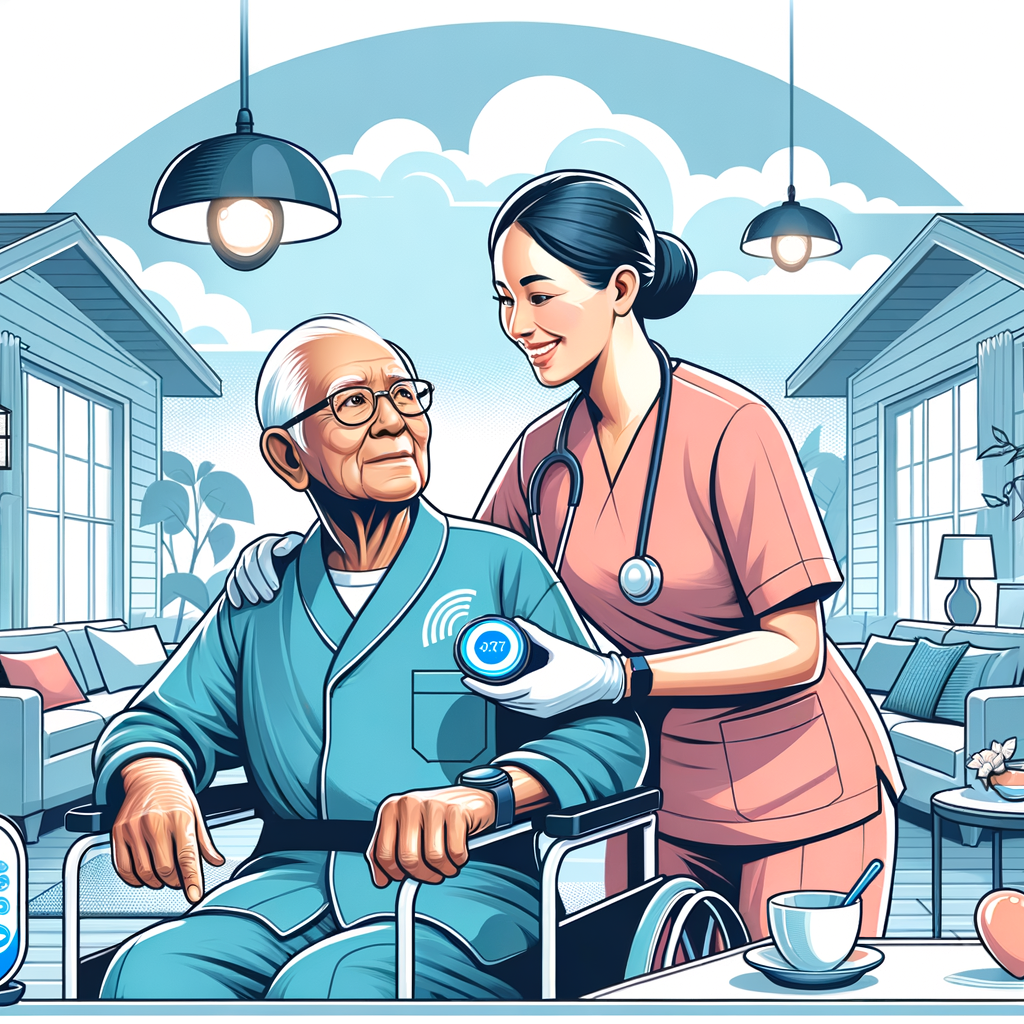
Wearable technology has become an integral part of how we monitor health and fitness, and it is playing an increasingly important role in elderly care. Devices like smart watches and fitness trackers are now equipped with advanced health monitoring capabilities. They can track vital signs such as heart rate, blood pressure, and sleep patterns, providing essential data to caregivers and medical professionals that can be used to make informed decisions. This real-time monitoring enables early detection of potential health issues, often before they develop into more serious conditions.
Beyond basic health monitoring, wearable devices can also offer fall detection, a critical feature for the elderly, who are at a significant risk of falls. In the event of a fall, the device can automatically alert emergency services or assigned caregivers, ensuring timely assistance. This kind of technology gives elderly individuals more confidence in maintaining their independence while simultaneously providing peace of mind to family members who worry about their loved ones’ safety.
Virtual Healthcare and Telemedicine
Telemedicine has emerged as a powerful tool to bridge the gap between patients and healthcare providers. For the elderly, frequent trips to hospitals or clinics can be challenging due to mobility issues or distance. With telemedicine, medical consultations can be conducted from the comfort of their home, reducing the need for physical travel. This not only makes healthcare more accessible but also reduces the stress and potential risk of exposure to illnesses commonly found in waiting rooms.
Silicon Valley companies have been at the forefront of developing platforms that facilitate virtual healthcare, offering features such as video consultations, digital prescription services, and remote monitoring of chronic conditions. These platforms provide flexibility, allowing elderly patients to schedule appointments at convenient times while maintaining a continuity of care. Additionally, by digitizing health records, these services make it easier for healthcare providers to access and analyze a patient’s health history swiftly, leading to more accurate and timely care interventions.
Robotic Assistance in Daily Life
The use of robotics in elderly care is becoming increasingly popular. While the idea of robots interacting with humans might have seemed futuristic just a few years ago, today, robotic companions are a reality. These robots can perform a variety of tasks, from simple reminders to complex assistance with daily activities. They are particularly valuable for those who live alone, offering help with tasks such as medication management, meal preparation, and even companionship.
Silicon Valley innovations have led to the creation of robots equipped with artificial intelligence capable of learning and adapting to the habits and preferences of their users. They can recognize speech commands, respond to questions, and even participate in simple conversations, providing a sense of interaction and companionship for those who might otherwise feel isolated. As these technologies continue to advance, the potential benefits for the elderly population are immense, promising to enhance the quality of life and promote independence for longer periods.
AI-Powered Monitoring Systems
Artificial intelligence (AI) is transforming many industries, and elderly care is no exception. AI-powered systems can analyze data from various sources, including health records, wearable devices, and even environmental sensors within the home, to proactively monitor and manage the health and safety of elderly individuals. These systems are designed to detect anomalies and provide alerts in real-time, offering a crucial layer of protection.
One of the most notable applications of AI in elderly care is in predictive analytics, which can identify patterns and predict potential health issues before they manifest. For example, if an AI system detects a gradual decline in mobility as indicated by slower walking speeds recorded over time, it may trigger a notification for a medical review, reducing the risk of falls. Furthermore, by integrating AI with internet of things (IoT) devices, homes are becoming smarter and safer environments for the elderly, with systems that can automatically adjust lighting, control climate, and monitor entry points to prevent accidents or intrusions.
Digital Platforms for Social Connectivity
Social isolation is a significant concern for the elderly, especially those living alone. Technology is making it easier than ever to stay connected with family and loved ones, thus combating loneliness. Silicon Valley companies have developed user-friendly platforms that allow elderly individuals to engage with family and friends through video chats, social media, and group activities.
These platforms are often equipped with intuitive interfaces designed specifically for the elderly, with easy-to-navigate controls and large-font options. Moreover, many of these platforms include community features, connecting individuals with similar interests or conditions, fostering a sense of community and engagement. Games, live classes, and virtual group activities are just some forms of interaction that these platforms enable, contributing to both mental and emotional well-being.
Improved Medication Management
Proper medication management is crucial for aging individuals who often need to take multiple prescriptions daily. Silicon Valley startups have addressed this need by developing apps and devices that remind individuals when to take their medications, provide information about each medication, and even order refills as needed. Some advanced systems integrate with wearable devices and health records to monitor the effects of medications and adjust dosages accordingly.
Such innovations not only prevent missed doses, which could be detrimental to health, but also reduce the risk of medication errors, a significant cause of hospitalizations among the elderly. By simplifying the process of managing medications, these technologies empower elderly individuals to maintain better control over their health while relieving family members and caregivers of some of the burdens associated with medication oversight.
Conclusion
The technological advancements coming out of Silicon Valley are reshaping the future of elderly care, providing solutions that enhance autonomy and improve quality of life. These technologies are also redefining the roles of caregivers, families, and medical professionals by providing tools that make care more efficient and responsive. Wearable technology ensures continuous health monitoring, while AI-powered systems anticipate potential health risks. Robotics and telemedicine bring medical care and assistance directly to homes, minimizing the need for travel and reducing isolation. Furthermore, platforms that promote social connectivity are helping to combat the loneliness that many elderly individuals face.
While challenges remain, particularly in ensuring equitable access to these technologies, the potential benefits are clear. As these innovations continue to evolve, the elderly care landscape is poised for a transformation that will make aging in place a more viable and desirable option for many. Families can feel more secure knowing their loved ones are being cared for in a connected, intelligent, and compassionate environment. Silicon Valley’s contribution to elder care technologies has thus become a beacon of innovation, aiming to make aging a chapter of life that can be celebrated with dignity and independence.
Frequently Asked Questions
1. How is Silicon Valley technology helping in monitoring the health of the elderly?
Silicon Valley technology companies are revolutionizing elderly care by developing advanced health monitoring systems. These systems often include wearable devices that can track vital signs such as heart rate, blood pressure, respiratory rate, and even sleep patterns. The data collected by these wearables are immediately accessible through mobile applications or cloud-based platforms, providing invaluable real-time information for both family members and healthcare providers. Furthermore, sophisticated algorithms can analyze this data to detect any abnormal patterns or health risks, often sending alerts to caregivers if anomalies are detected. This continuous health monitoring not only enhances the well-being of the elderly by catching issues early but also helps families feel more secure about their loved ones’ health status.
2. What technology is being used to improve communication for the elderly?
Communication is crucial for the elderly to stay connected with their loved ones and the wider community. To address this need, Silicon Valley tech companies have developed user-friendly communication devices tailored for seniors. Smart speakers, tablets, and smartphones with simplified interfaces allow easy use, while voice-activated assistants like Amazon Alexa or Google Assistant help seniors send messages or make calls without needing to navigate complex screens. Additionally, video calling platforms, often integrated into these devices, facilitate virtual face-to-face interactions, providing the elderly with a more engaging and personal communication experience. These advancements not only bridge the gap between generations but also combat the isolation and loneliness that many seniors face.
3. How are tech companies addressing mobility issues for the elderly?
Mobility challenges are a significant concern for the elderly, impacting their independence and quality of life. In response, Silicon Valley is driving innovation through assistive technologies like smart walkers, wheelchairs, and even self-navigating robots. These devices often come equipped with sensors and GPS systems to help the elderly navigate both indoor and outdoor environments safely. For example, smart walkers can automatically adjust their speed, detect obstacles, and offer navigation assistance. Additionally, ride-sharing platforms like Uber and Lyft have launched senior-friendly services with options specifically designed to cater to the mobility needs of older adults. These technological enhancements empower seniors to move with greater freedom and confidence, enabling them to participate more fully in their communities.
4. In what ways is technology aiding in improving the mental well-being of seniors?
The mental well-being of the elderly is a critical area that technology from Silicon Valley is actively improving. Many companies offer cognitive training applications designed to stimulate mental faculties through games and exercises that are both challenging and enjoyable. These applications are often available on tablets and smartphones, making them accessible and easy to use. Additionally, virtual reality (VR) is emerging as a tool to provide seniors with immersive experiences, from virtual travel adventures to interactive therapy sessions. VR can provide relaxation, cognitive stimulation, and social interaction opportunities, significantly benefiting mental health. Furthermore, social platforms designed specifically for seniors focus on fostering social connections and creating support networks. All these tech-driven solutions support mental wellness, combating common issues such as depression and anxiety that may arise due to isolation or cognitive decline.
5. How are smart home technologies being integrated into elderly care to promote safety and independence?
Smart home technology is increasingly becoming a cornerstone of elderly care, offering solutions that enhance safety and promote independence. These systems include a variety of connected devices, such as smart lights, thermostats, and security systems that can be controlled remotely or automatically. For instance, motion sensors can automatically turn lights on and off as someone moves through a room, reducing the risk of falls. Smart thermostats ensure the home maintains a comfortable temperature with minimal interaction required from the user. Additionally, smart locks and video doorbells provide security, allowing elders to see and communicate with visitors without opening the door. Moreover, these devices often integrate with health monitoring systems, creating a comprehensive assistive living environment that supports the day-to-day needs of seniors while alleviating safety concerns for both them and their caregivers. By integrating these technologies, seniors can maintain their independence and quality of life while staying safe in their homes.