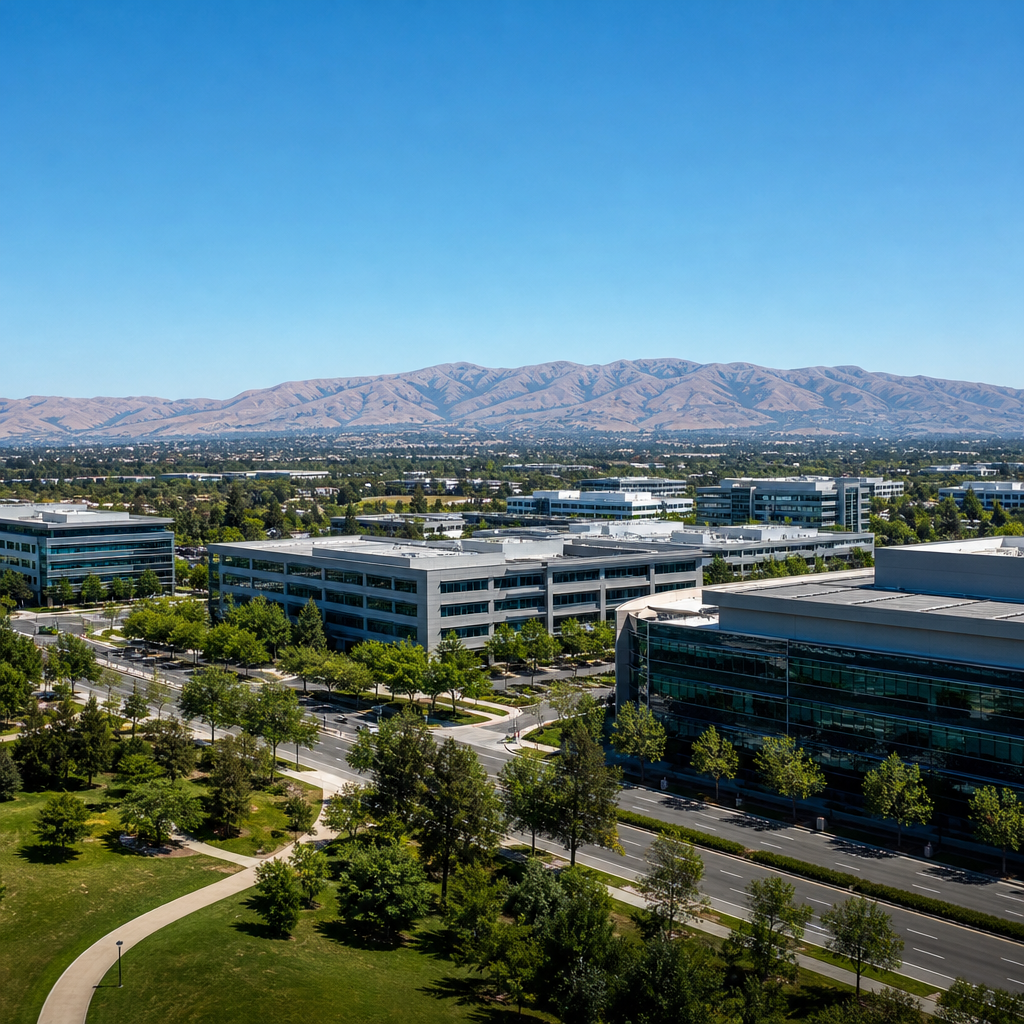
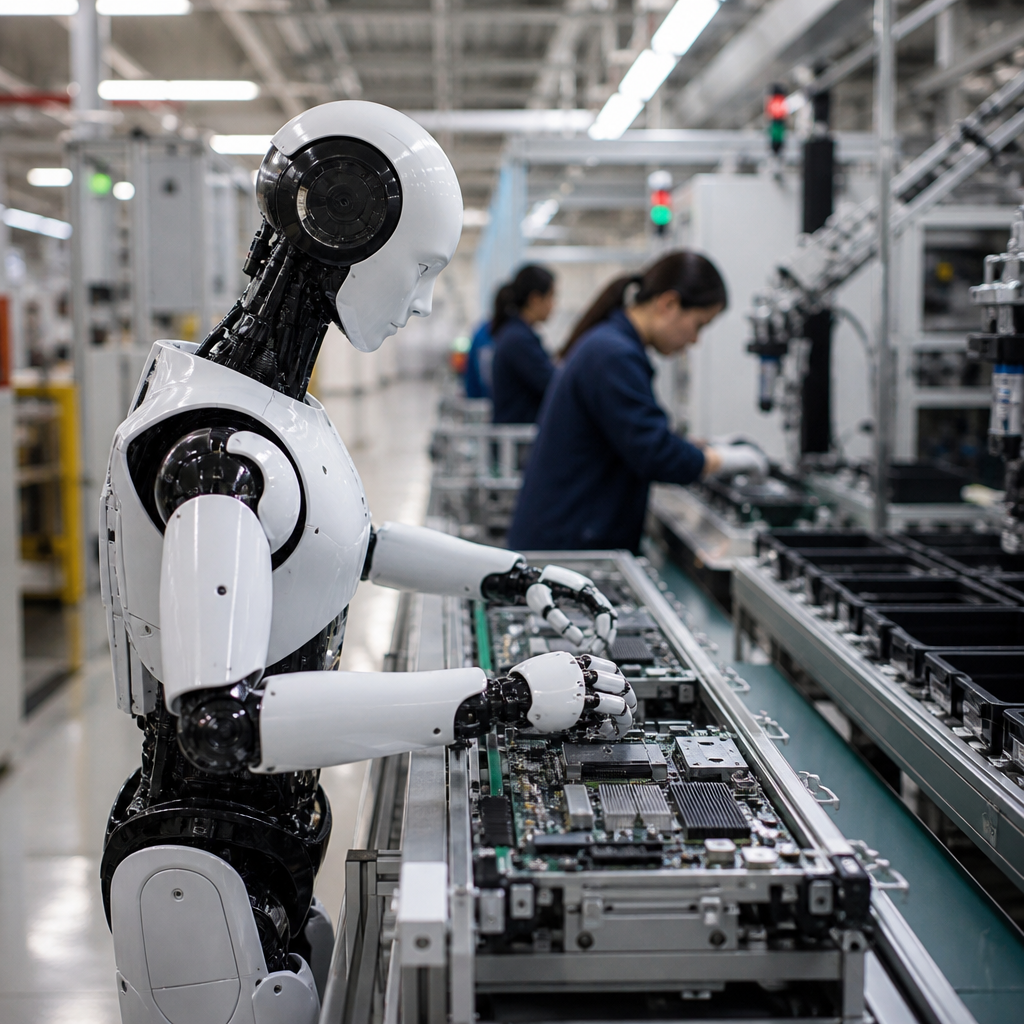
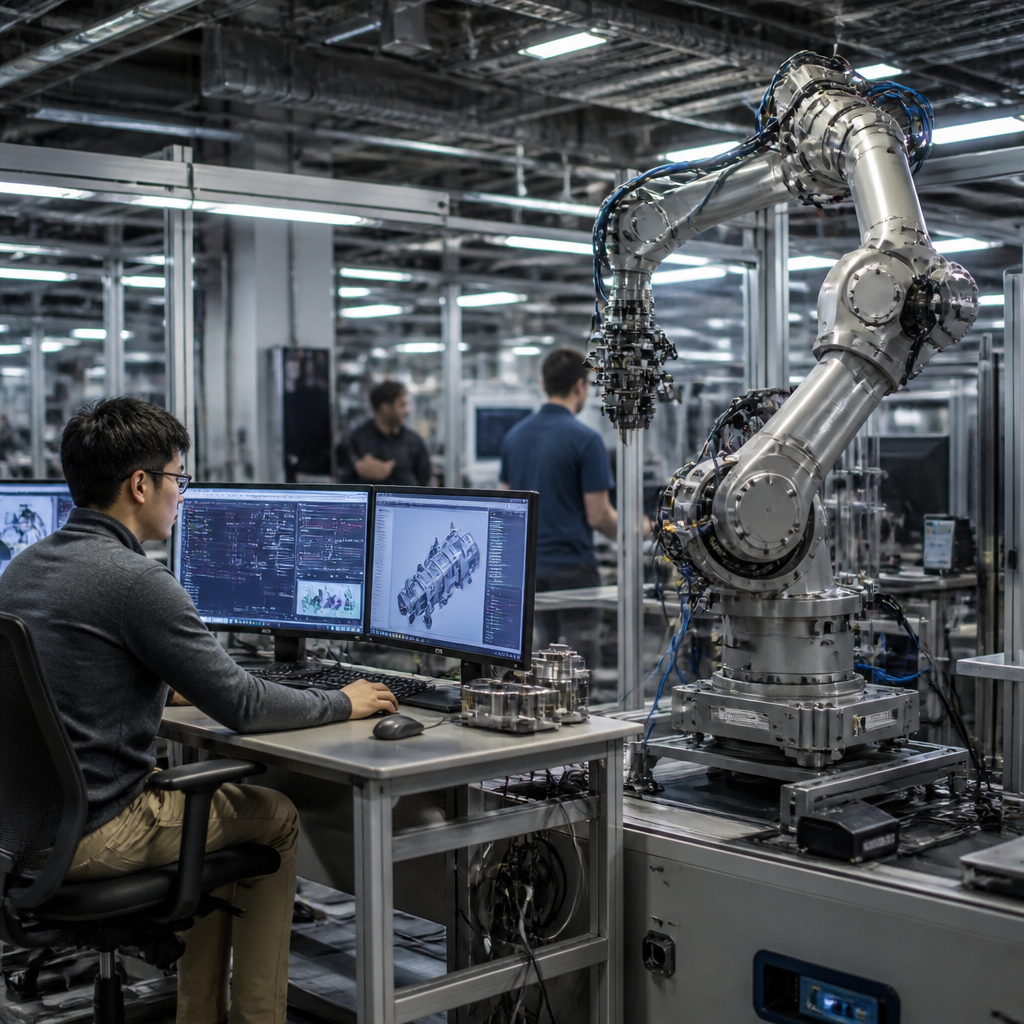
Silicon Valley, renowned as the epicenter of technological innovation, plays a pivotal role in advancing and shaping the future of many cutting-edge technologies. Among these is 3D printing, a transformative technology that is rapidly changing the landscape of manufacturing, healthcare, and even consumer products. The evolution of 3D printing technologies can be directly linked to the vast network of innovators, entrepreneurs, and technological resources found in Silicon Valley. This ecosystem not only fosters the development of these technologies but also acts as a catalyst for their commercialization and integration into various industries. As a hub of innovation, Silicon Valley provides a unique environment where idea generation, venture capital, and technological prowess converge to push 3D printing technologies to new heights. The influence of Silicon Valley in this realm cannot be overstated, as it continues to drive advancements that are essential for achieving breakthroughs that can redefine industries and improve lives worldwide. In this article, we will delve into Silicon Valley’s pivotal role in this domain, exploring its impact on the growth and future prospects of 3D printing technologies.
The Birth of a New Era: The Intersection of Innovation and 3D Printing
Silicon Valley, known for its dense concentration of tech innovators and startups, has always been at the forefront of technological revolutions. In the realm of 3D printing, this innovation ecosystem has created a perfect storm, nurturing the rise of groundbreaking technologies that have redefined manufacturing processes. The unique combination of creativity, entrepreneurship, and capital in Silicon Valley has enabled rapid prototyping, accelerating the development and commercialization of 3D printing technologies. Silicon Valley has seen pioneers and companies leverage these technologies to their full potential, creating new opportunities and applications in industries ranging from aerospace to consumer electronics. This convergence of innovation and 3D printing has set the stage for what many call the next industrial revolution, where creativity is free from traditional manufacturing constraints.
One of the crucial elements that facilitated the evolution of 3D printing in Silicon Valley is the presence of leading institutions and research centers. These institutes have driven research that has pushed the boundaries of what 3D printing can achieve. Collaborations between tech firms and academic institutions have birthed innovations in materials science and processes that are critical for advancing 3D printing technologies. Moreover, Silicon Valley’s robust investment ecosystem, backed by venture capital, has provided the necessary financial resources to scale promising 3D printing startups, allowing them to innovate further and bring their technologies to the market at unprecedented rates.
Driving Technological Breakthroughs: Contributions from Silicon Valley
Silicon Valley has made substantial contributions to the advancement of 3D printing technologies, particularly in terms of software and material development. Advanced 3D printing software solutions originating from this region have significantly expanded the capabilities and efficiency of additive manufacturing processes. These software advancements are pivotal in enabling intricate designs and optimized production processes, which have become increasingly crucial in competitive industries. Additionally, Silicon Valley’s tech giants have invested heavily in artificial intelligence and machine learning, integrating these technologies with 3D printing to enhance precision and automation.
The synergy between 3D printing and AI has resulted in innovations such as real-time printing analysis and predictive maintenance, which reduce errors and downtime in production. Such advancements do not merely enhance 3D printing’s functional capabilities; they also increase its viability and attractiveness to various industries, leading to greater adoption rates and furthering the spread of this technology worldwide. Moreover, the development of new materials specifically designed for 3D printing, including composites and biocompatible materials, has expanded the possible applications of 3D printing. These materials are enabling more durable, versatile, and cost-effective solutions, driving industries from healthcare to aerospace to explore and adopt 3D printing in their operations.
Silicon Valley’s Ecosystem: A Catalyst for Growth
The Silicon Valley ecosystem, characterized by innovation, collaboration, and competition, plays a crucial role in the growth and proliferation of 3D printing technologies. The region’s culture encourages experimentation and risk-taking, fostering an environment where fresh ideas can flourish. Entrepreneurs in Silicon Valley, hailing from diverse backgrounds, bring unique perspectives that contribute to robust, interdisciplinary solutions in 3D printing. Furthermore, the dense network of tech firms and professionals facilitates collaboration, catalyzing innovation across different sectors.
Startups in Silicon Valley benefit from access to mentorship, funding, and resources, which are vital for sustaining growth and development of 3D printing technologies. The constant pursuit of innovation has led to the creation of platforms that connect hardware and software innovators with manufacturers and end-users, driving greater integration of 3D printing into industrial processes. Additionally, the competitive atmosphere of Silicon Valley pushes companies to continuously improve and innovate, leading to rapid advancements and iterative improvements in 3D printing technologies.
Economic and Industrial Impact: 3D Printing’s Role in Transformation
The economic impact of 3D printing in Silicon Valley extends beyond the technology itself. This innovation fosters significant transformation across industries, reshaping traditional manufacturing processes and enabling entirely new capabilities. As companies adopt 3D printing technologies, they experience cost reductions in prototyping and small-scale production runs, allowing for more flexible and efficient operations. These savings can be reinvested into further research and development, sparking additional innovation and contributing to regional economic growth.
Industries such as healthcare, automotive, and consumer goods have already begun integrating 3D printing into their production processes, spurred on by the advancements driven by Silicon Valley. The customization and rapid production capabilities afforded by 3D printing enable these industries to offer personalized products and services to consumers, thereby enhancing market competitiveness and consumer engagement. In healthcare, for example, the ability to produce customized implants and prosthetics tailored to individual patients is revolutionizing treatment approaches, leading to more successful outcomes.
Moreover, the shift to additive manufacturing encourages sustainability and reduces waste, aligning with broader global trends towards environmentally friendly practices. Silicon Valley companies engaged in 3D printing development are prioritizing sustainable materials and production techniques, which not only mitigate environmental impacts but also appeal to increasingly eco-conscious consumers and businesses.
Future Prospects: Continuing Role of Silicon Valley in Shaping the Field
Looking forward, Silicon Valley’s role in advancing 3D printing technologies is likely to expand even further. As the capabilities of 3D printing continue to grow, new industries and applications will emerge, driven by the ongoing innovation culture of the region. Silicon Valley’s investment landscape, characterized by a willingness to support high-risk, high-reward ventures, positions it as a key player in the field’s development. This financial backing will enable breakthroughs in areas such as 3D-printed electronics, food, and even fully automated construction processes.
Furthermore, as regulatory environments evolve and adapt to emerging technologies, Silicon Valley tech companies will play a crucial role in shaping standards and policies surrounding 3D printing. These efforts will ensure that 3D printing technologies are safely integrated into industries while maximizing their potential benefits. As leaders in technology policy innovation, Silicon Valley firms will likely guide the global adoption and implementation of these advanced manufacturing methods.
The future of 3D printing holds immense potential, offering solutions to some of the most pressing challenges facing industries today. With continued investment and advancement stemming from Silicon Valley, this technology is poised to transform the way products are designed, manufactured, and delivered across the world. The collaborative spirit that defines Silicon Valley will undoubtedly drive the industry’s next generation of innovations, securing its position at the forefront of this technological revolution.
Conclusion
In conclusion, Silicon Valley’s role in advancing 3D printing technologies cannot be overstated. As a hub of innovation, this region has been instrumental in the development, commercialization, and dissemination of 3D printing solutions across a wide array of industries. Through a combination of pioneering research, strategic investment, and a collaborative ecosystem, Silicon Valley has accelerated the evolution of 3D printing, transforming it into a critical component of modern manufacturing and industry innovation. The impact of this technology, driven by Silicon Valley’s unique environment, is being felt across the globe as industries adapt and integrate 3D printing into their operations. With a rich culture of entrepreneurship and a relentless pursuit of groundbreaking technologies, Silicon Valley will undoubtedly continue to shape the future of 3D printing, pushing the boundaries of what is possible and inspiring new generations of innovators. As the technology advances, the opportunities for transformation and economic growth will continue to expand, positioning 3D printing as an integral part of the industrial landscape and a testament to Silicon Valley’s enduring influence.
Frequently Asked Questions
1. How has Silicon Valley contributed to the development of 3D printing technologies?
Silicon Valley has been a crucible for numerous technological advancements, and its role in 3D printing is no different. The region’s vibrant ecosystem of tech-savvy entrepreneurs, visionary engineers, and venture capitalists has fueled the refinement and dissemination of 3D printing technology. It’s a place known for fostering collaboration between tech start-ups, established companies, and research institutions, enabling the rapid prototyping and scaling of 3D printing technologies.
Companies in Silicon Valley have been instrumental in driving the cost of 3D printers down, making them more accessible to hobbyists, small businesses, and large corporations alike. They have also been at the forefront of developing innovative software solutions that enhance 3D printing capabilities, from cloud-based services to artificial intelligence integration, allowing for more complex and precise print jobs.
Moreover, the culture of open-source innovation thriving in Silicon Valley has led to an enthusiastic sharing of ideas and techniques. This spirit of cooperation has significantly quickened the pace of 3D printing technology’s evolution by facilitating a shared community where developers and manufacturers can continually learn from each other and improve.
2. What industries have been transformed by the 3D printing innovations coming from Silicon Valley?
3D printing technologies that have emerged from Silicon Valley have catalyzed a revolutionary shift across numerous industries. The manufacturing sector has seen probably the most significant transformation, where 3D printing allows for rapid prototyping, thus drastically cutting down time-to-market for new products and innovations. Manufacturers can more efficiently create complex, custom parts without the need for extensive tooling and molding, reducing costs and material waste.
In the realm of healthcare, 3D printing innovations from Silicon Valley have been groundbreaking. From the creation of custom prosthetics to the development of bioprinting techniques that allow for the printing of tissues and even organs, the impact has been profound. The potential for personalized medicine and cost-effective healthcare solutions grows as these technologies advance.
The consumer electronics industry in Silicon Valley, known for its revolutionary gadgets, has also leveraged 3D printing for custom product designs, housings, and unique components that would be challenging to produce with traditional manufacturing methods. As 3D printing becomes more cost-efficient and widespread, expect more personalized and on-demand consumer products entering the market.
3. What is the future outlook for 3D printing technology in Silicon Valley?
Looking ahead, the future of 3D printing in Silicon Valley appears incredibly promising. The pace of technological advancement in this area is expected to accelerate, driven by increasing investments and collaborative ventures. Innovations such as multi-material and multi-color 3D printing are on the horizon, promising to expand the potential applications and versatility of 3D printed products.
Furthermore, as silicon Valley continues to innovate with AI and machine learning, these technologies are expected to further enhance 3D printing processes. These advancements aim to automate complex design processes, optimize supply chains, and enable predictive maintenance of equipment, leading to increased efficiency and capability.
Environmental considerations are also likely to play a significant role. The reduction of waste and the shift towards sustainable materials are becoming priorities in 3D printing R&D efforts. Electric vehicles, sustainable architecture, and green tech companies can significantly benefit from the environmental efficiencies offered by advanced 3D printing techniques pioneered in this region.
4. What are some of the challenges facing 3D printing innovation in Silicon Valley?
Despite its potential, the journey of 3D printing in Silicon Valley is not without challenges. One of the main obstacles is the scalability of 3D printing technologies. While prototyping is swift and relatively affordable, mass production using 3D printing still needs to catch up in terms of speed and cost-efficiency compared to traditional manufacturing processes.
Additionally, ensuring the quality and reliability of 3D printed products remains a concern, especially in industries where precision and trust in material durability are paramount, such as aerospace and healthcare. Companies are tirelessly working on overcoming these hurdles by investing in advanced materials, more precise printing technologies, and comprehensive testing and verification methods.
Another significant challenge is the regulatory landscape. With the rapid advancement of technology, regulations often lag behind, posing challenges for ensuring the legal and safety standards of 3D printed products. Silicon Valley companies frequently need to navigate these regulation challenges as they push boundaries and set precedents for new technologies.
5. How is the investment climate in Silicon Valley impacting 3D printing startups?
Silicon Valley’s investment climate is not just conducive but fundamental to the prolific nature of 3D printing startups. With venture capitalists and angel investors keen on funding innovative technologies that promise substantial returns, 3D printing startups often find significant financial backing here. This access to funding is crucial for R&D-heavy startups focusing on 3D printing, as it allows them the freedom to experiment and push the boundaries of what is possible.
Moreover, venture capital in Silicon Valley is not limited to financial assistance. Investors often provide invaluable mentorship and strategic guidance, leveraging their vast networking within the technology sector to pair startups with essential partners, customers, and other investors, creating a cycle of growth and opportunity.
These investments have helped foster a competitive but supportive environment where innovation flourishes. With more funds flowing into 3D printing companies, these startups are more likely to achieve their full potential, bringing about groundbreaking transformations across multiple industries. The uplifting investment landscape ensures that 3D printing remains at the forefront of technological advancement in Silicon Valley.