In the past decade, Silicon Valley has become synonymous with groundbreaking innovation and technological advancement. Known for its transformative impact on various industries, the Valley’s latest frontier is health and fitness. With consumers increasingly aware of the importance of health and wellness, tech companies are jumping at the opportunity to revolutionize fitness through cutting-edge advancements. Leveraging AI, IoT, and machine learning, Silicon Valley’s latest health tech innovations are set to redefine how we approach fitness, from personalized workout plans to comprehensive nutrition tracking. This transformation is not just a vision of the future; it’s happening now as more companies harness technology to help individuals achieve their health goals. Join us as we delve into the latest innovations that are transforming the fitness landscape and how they are poised to revolutionize the way we perceive health and wellness.
Advancements in health tech are not merely geared towards improving physical appearances or enhancing athletic performance; they are about making fitness accessible and efficient for everyone. The democratization of technology allows people from all walks of life to participate actively in maintaining their health, shifting the paradigm from reactive to proactive health management. At the heart of this revolution is a commitment to understanding individual needs, enabling consumers to take control of their health in a way that was previously unimaginable. This approach empowers individuals to pursue a healthier lifestyle through the support of intelligent systems that track progress, suggest alternatives, and sometimes, ensure adherence to routines. The following sections will explore these innovations in greater detail, unveiling how Silicon Valley companies are using technology to create a healthier world.
The Rise of Wearable Tech
Wearable technology has become one of the most significant trends in the fitness industry, acting as the cornerstone of health tech innovations. With giants like Apple, Fitbit, and Garmin leading the charge, wearables such as smartwatches and fitness bands have brought widespread access to valuable health metrics. More than simple step counters, these devices now measure heart rate variability, VO2 max, and even sleep patterns, offering users comprehensive insights into their overall well-being. In this context, consumer backgrounds, fitness levels, or lifestyle choices don’t matter, as these devices are designed to cater to diverse needs.
The evolution of wearables is also marked by the integration of sophisticated algorithms capable of providing tailored health and fitness advice. By analyzing the data collected, these devices offer personalized workout recommendations and goal-setting capabilities, enabling users to achieve specific objectives. Such tailored guidance ensures that workouts are challenging yet achievable and that they cater to personal fitness levels and preferences. As wearables continue to evolve, their impact on the fitness industry is likely to increase, helping consumers make informed decisions and maintain an active lifestyle.
Virtual and Augmented Reality Fitness
Virtual Reality (VR) and Augmented Reality (AR) have transitioned from being nascent technologies of the entertainment industry to transformative tools in fitness. Companies like Supernatural and Peloton are harnessing these technologies to offer immersive workout experiences that engage users in dynamic and interactive environments. Through VR fitness applications, users can undertake guided workouts in exotic locations, turn exercise into gamified adventures, and participate in social fitness experiences from the comfort of their homes.
Moreover, AR provides an overlay of digital components to augment real-world experiences, adding a layer of visual engagement and interaction. For example, holographic fitness trainers can provide instructions and corrections, enhancing workout precision and effectiveness. These advancements create motivational and engaging workout environments, crucial for maintaining consistency in fitness regimes.
AI-Driven Personalized Fitness Plans
With the surge in popularity of Artificial Intelligence, AI has become a game-changer in crafting personalized fitness plans for individuals. Companies like Freeletics and Aaptiv utilize machine learning models to analyze user data, create tailored exercise programs, and adjust workout routines based on progress and user feedback. This personalized approach ensures that the fitness plans are aligned with individual goals, whether they aim to build muscle, lose weight, or improve endurance.
AI-driven fitness apps consider various parameters, such as prior training experience, injury history, and personal goals, to create plans that evolve alongside users. This dynamic adaptability ensures workout routines continue to remain challenging and effective. Users no longer need to rely on human trainers or a one-size-fits-all approach; AI applications provide round-the-clock fitness guidance, offering the flexibility and support busy lifestyles demand.
Data-Driven Nutrition and Diet Apps
Nutrition is a fundamental component of fitness, and technology is making diet management more efficient and tailored than ever. Mobile apps like MyFitnessPal and Noom employ data analytics to provide personalized diet recommendations and meal planning based on user preferences, dietary restrictions, and nutritional goals. These apps simplify the process of tracking calorie intake, macros, and micronutrient levels, thus helping users make informed dietary choices.
Moreover, dietary apps harness AI to predict food choices and offer alternatives based on past behavior and preferences. They offer insights into eating habits, suggesting behavioral modifications that align better with individuals’ fitness goals. This level of personalization and predictive capability reflects a broader trend of integrating health tech into daily routines, emphasizing that maintaining a balanced diet doesn’t have to be cumbersome or intimidating.
The Internet of Things (IoT) and Smart Fitness Equipment
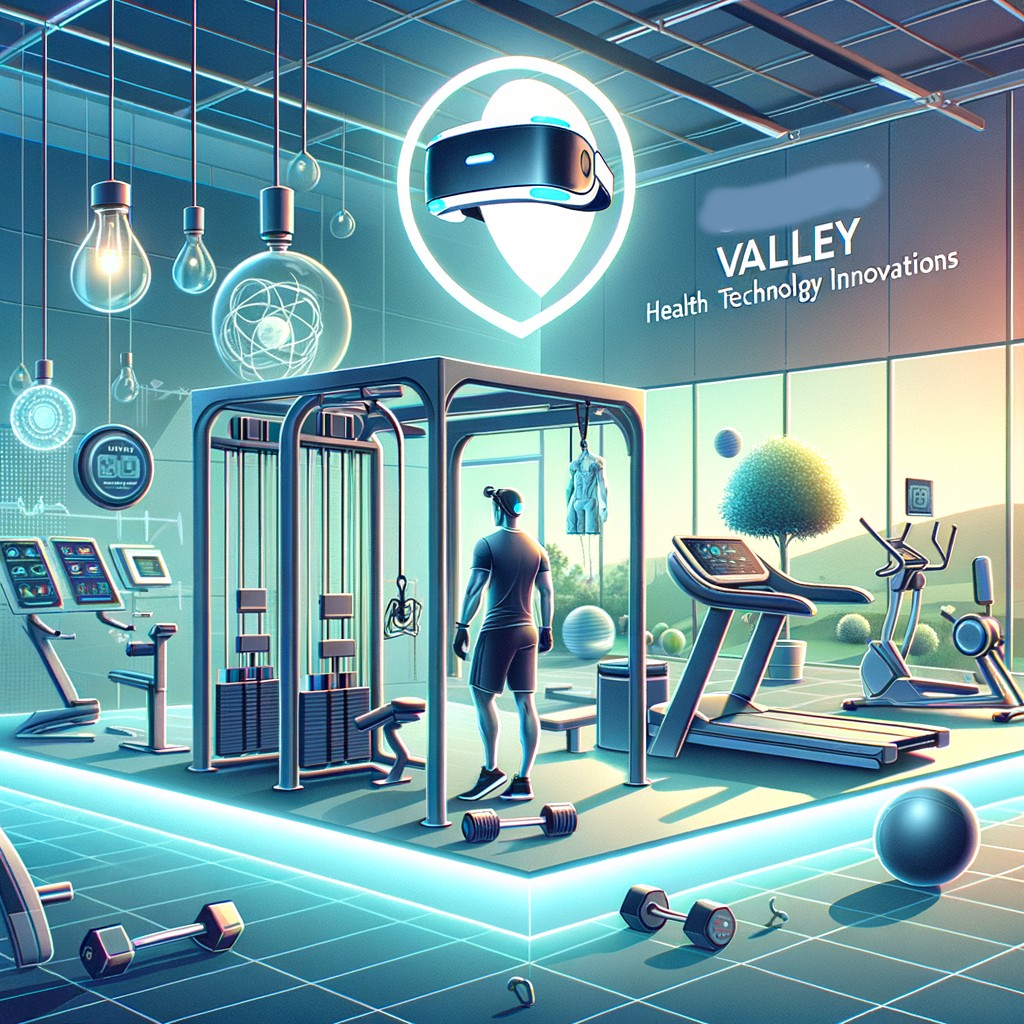
IoT is playing a pivotal role in integrating technology into traditional fitness equipment, transforming them into smart machines with real-time data collection and analysis capabilities. Equipment like Peloton bikes and Tonal’s smart gyms incorporate sensors and internet connectivity, offering personalized workouts and streaming live classes directly into users’ homes. The ability to track performance metrics during exercise sessions further enhances the efficacy of workouts.
Such smart fitness equipment not only measures performance but also creates an interactive and engaging exercise environment. The connectivity allows users to join virtual classes, offering a sense of community, motivation, and accountability. These technologies ensure that users receive immediate feedback, helping them maintain proper form and technique, crucial for injury prevention and workout optimization. As IoT continues to advance, the proliferation of smart fitness equipment is expected to increase, providing more users with comprehensive fitness experiences that were once only available in high-end gyms.
Conclusion
Silicon Valley’s relentless focus on innovation continues to transform the fitness landscape, making cutting-edge technology accessible to a broader audience. As we have explored, the intersection of health and technology in the Valley is creating equipment and applications that provide personalized, data-driven guidance in fitness and nutrition, helping users manage their well-being more effectively.
By leveraging AI, IoT, and immersive technologies like VR and AR, these innovations ensure that fitness is no longer a monotonous or solitary endeavor. Instead, it becomes an engaging, personalized journey tailored to individual needs and preferences. The advancements not only motivate users to maintain consistent exercise routines but also empower them with the knowledge to make informed lifestyle choices, leading to better health outcomes.
The rapid evolution of health tech is not merely transforming how we exercise; it is setting a precedent for a future where maintaining a balanced lifestyle is intuitive, accessible, and sustainable. As these technologies continue to mature, their integration into everyday life is expected to deepen, offering unprecedented opportunities for individuals seeking to improve their fitness and overall health. Silicon Valley remains at the epicenter of this transformation, driving change and setting new standards in health and wellness worldwide, establishing an environment ripe for innovation and revolutionizing how we perceive fitness.
Frequently Asked Questions
1. What are some of the latest health tech innovations emerging from Silicon Valley that are set to revolutionize the fitness industry?
Silicon Valley’s latest health tech innovations are truly game-changers for the fitness industry. One of the most exciting trends is the integration of Artificial Intelligence (AI) into fitness apps and devices. These AI-driven solutions are capable of providing personalized workout plans and real-time feedback. Users can expect customized experiences that adapt and grow with them as they progress on their fitness journeys.
Another innovation is the Internet of Things (IoT), which is being leveraged to create interconnected fitness ecosystems. This means that everything from your smartwatch to your smart treadmill can synchronize to provide a comprehensive view of your health metrics, enabling a more holistic approach to fitness.
Additionally, machine learning is providing new ways to predict and improve performance by analyzing vast amounts of user data. This tech can identify patterns and suggest changes in users’ routines that could enhance their effectiveness or prevent injuries. Silicon Valley is also pioneering wearable tech – beyond traditional fitness bands – with devices that monitor not just physical exertion, but stress levels, recovery times, and sleep quality. All these innovations are converging to create a more connected, informed, and effective fitness experience.
2. How are consumers benefiting from these health tech innovations?
Consumers are reaping numerous benefits from Silicon Valley’s health tech innovations. For starters, there’s an unprecedented level of personalization available in fitness regimes, thanks to AI. No longer do individuals have to rely on generic plans; they can access workouts and advice tailored specifically to their bodies and goals.
The connectivity ushered in by IoT devices provides users with a holistic view of their health. This interconnectedness means that data from various devices can inform one another, leading to better insights. Consumers are empowered with real-time analytics to make smarter decisions about their health, whether it’s adjusting a workout intensity based on HRV (heart rate variability) data or changing diet based on calorie burn metrics tracked across devices.
Moreover, these technologies help break down barriers to entry for beginners who may find traditional fitness intimidating. Automated guidance and support make getting started easier than ever before, which could encourage more people to prioritize their physical health. Overall, the benefits are robust, leading to enhanced performance, improved health outcomes, and greater accessibility and motivation for maintaining a healthy lifestyle.
3. What role does data play in the advancements of fitness tech?
Data is the lifeblood of fitness tech innovations. In Silicon Valley, the collection, analysis, and application of data are central to creating smarter and more responsive fitness solutions. Fitness devices and applications collect a vast array of data points, such as heart rate, calorie burn, steps, sleep patterns, and more. This wealth of data enables machine learning algorithms to better understand and predict individual user behaviors and needs.
The actionable insights gleaned from this data can drive enhancements in user experience and effectiveness of the fitness programs. For instance, a device might notice that a particular workout consistently results in higher levels of fatigue and can adapt future recommendations accordingly. Similarly, through comparison of a user’s progression with anonymized data from others, these systems can identify successful patterns and suggest new approaches that might yield even better results.
Moreover, protection and privacy of this data are getting prioritized, ensuring users can track their health without concerns over data breaches. As tech continues to evolve, the effective and ethical handling of data will be crucial for the future of fitness technology.
4. How is AI being integrated into fitness apps and devices, and what does it mean for users?
AI integration into fitness apps and devices is transforming the user experience by making it more engaging, personalized, and responsive. AI algorithms provide users with detailed analyses and advice tailored to their unique needs, preferences, and habits. With AI, fitness apps can virtually act as personal trainers that are always ready to offer guidance whenever required.
For users, this means workouts that adapt in real-time based on their performance levels, current health data, and historical progress. For example, AI can dynamically adjust the intensity of a workout if it detects injury risk or suggests alternative exercises for better results. It can also predict when a user would benefit from rest or recovery periods, optimizing their regimen for improved outcomes.
Furthermore, AI assists in goal setting and progression tracking, offering motivational insights that are based on data-derived trends. AI-driven chatbots and virtual assistants are on the rise, enabling users to ask questions and receive instant, contextual responses, enhancing the educational aspect of personal fitness journeys. This intelligent personalization helps maintain user motivation and engagement, leading to sustained fitness habits and improved overall health.
5. What future trends can we expect to see in fitness tech coming out of Silicon Valley?
Silicon Valley’s continued innovation in fitness tech shows no sign of slowing down, with numerous trends on the horizon. One likely trend is the continued evolution and sophistication of immersive fitness experiences, made possible by advancements in augmented and virtual reality (AR/VR). Imagine not just running on a treadmill but feeling as though you’re racing through exotic locations, fully immersed in a vivid landscape.
Another area of future innovation is in biomechanical assessments through smart garments that provide in-depth physiological data. Clothing equipped with sensors can deliver data in ways conventional wearables can’t, offering insights into muscle fatigue, movement efficiency, and posture. This could elevate personalized fitness solutions to unprecedented levels.
We can also expect even more advanced predictive analytics, powered by the integration of AI and big data. These analytics will anticipate users’ needs and performance plateaus before they occur, offering preemptive strategies to prevent setbacks and improve outcomes. Additionally, as data security becomes a bigger focus, we’ll see enhanced measures for privacy protection to ensure users can manage their health data without any concerns.
Moreover, expect the democratization of fitness technology with increased access to cutting-edge solutions at lower costs, thereby expanding usability across different socioeconomic groups. This shift will make high-quality, personalized fitness tools accessible to a larger audience, contributing to a healthier, more active global population. Silicon Valley is poised to shape the future of fitness, leading it into a new era that balances innovation, access, and efficiency.