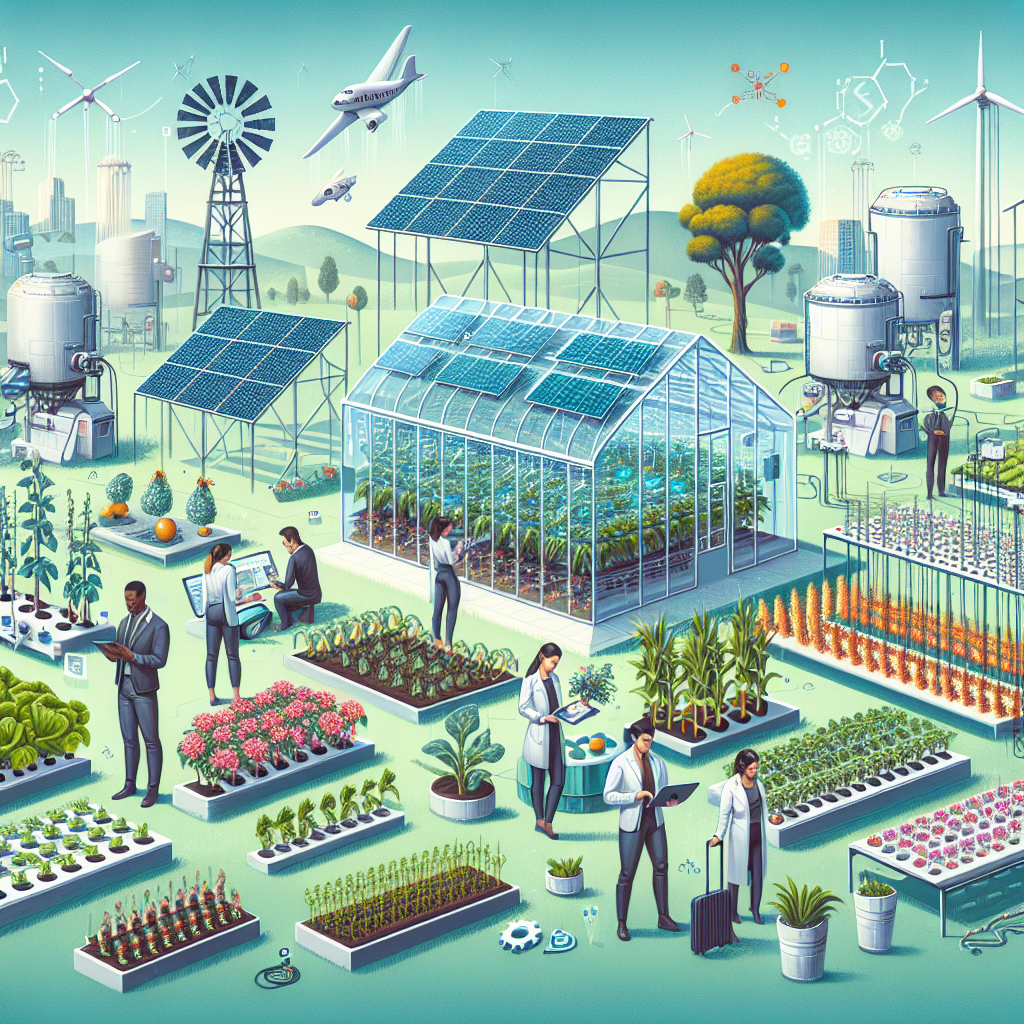
The Silicon Valley, synonymous with technological innovation and entrepreneurship, has turned its sharp eye toward solving one of humanity’s most enduring challenges: sustainable agriculture. In an era marked by climate change, population growth, and resource constraints, the tech industry’s frontier spirit is powering a new breed of startups focused on agricultural technology, or AgriTech. These AgriTech startups are leveraging cutting-edge technologies such as artificial intelligence (AI), Internet of Things (IoT), and biotechnology to revolutionize the way we grow, process, and distribute food. But what exactly makes Silicon Valley the perfect breeding ground for AgriTech innovation? Let’s delve deeper into why this iconic hub is leading the charge in sustainable agriculture.
Silicon Valley’s unique ecosystem of venture capital, top-notch talent, and a culture of innovation provides an ideal environment for startups to flourish. The region is home to some of the world’s leading research institutions like Stanford University, which produces a continuous pipeline of groundbreaking research and highly skilled graduates. Moreover, the abundance of venture capital firms in the area ensures that promising AgriTech ideas receive the funding they need to advance from concept to market.
With an influx of data scientists, software engineers, and biotechnologists looking to make a real-world impact, the convergence of different fields fosters interdisciplinary collaborations. These collaborations result in sophisticated solutions such as precision agriculture, blockchain for supply chain transparency, and lab-grown meats that are safer for both human health and the environment. As the tech industry turns its formidable problem-solving abilities to agriculture, we find ourselves at the brink of a new era—one in which technology not only supports but actively sustains our planet’s agricultural heritage.
In this article, we’ll explore various aspects of AgriTech startups in Silicon Valley, highlighting notable companies, technological innovations, and the potential impact on global sustainability.
AgriTech Innovations – Precision Agriculture and IoT
Precision agriculture represents one of the most significant advancements to emerge, transforming traditional farming methods into data-driven, high-efficiency operations. Leveraging IoT, sensors, and big data, this innovative approach enables farmers to monitor every aspect of their operations in real-time. Imagine fields with embedded sensors that measure soil moisture, temperature, and nutrient levels, allowing farmers to maximize crop yields while minimizing resource usage.
Startups like FarmX are at the forefront of bringing these technologies to market. FarmX provides an integrated platform that collects data from sensors distributed across farmlands, feeding it into an AI that makes real-time recommendations for irrigation and fertilization. By doing so, the technology helps save water and reduce the environmental impact of excessive fertilizer use.
Prominent among these IoT-driven innovations is the use of unmanned aerial vehicles (UAVs) or drones. Companies like DroneDeploy offer sophisticated drones equipped with cameras and sensors designed to perform aerial surveys. These drones provide high-resolution imagery and detailed analytics that reveal crop health patterns, identify disease outbreaks, and even guide automated machinery for planting and harvesting.
The generative impact of precision agriculture and IoT cannot be overstated. By making farming smarter and more efficient, these technologies are making significant strides toward more sustainable agriculture, a crucial factor considering the challenges posed by climate change and the need for food security.
Biotechnology Innovations – The Role of Lab-Grown and Genetically Modified Foods
Biotechnology offers transformative solutions in the quest for sustainable agriculture, with AgriTech startups working on alternatives that could redefine our relationship with food. Cultured meat and genetically modified organisms (GMOs) represent just a fraction of these innovations, but their potential impact is enormous.
For example, companies like Memphis Meats are pioneering lab-grown meat technologies. By cultivating meat cells in bioreactors, they can produce pork, chicken, and beef without the need for traditional livestock farming, which is resource-intensive and environmentally damaging. This technology promises to reduce greenhouse gas emissions, save water, and eliminate the ethical concerns associated with animal farming.
On the plant-based side of things, companies like Impossible Foods and Beyond Meat are leveraging biotechnology to create plant-based products that closely mimic the taste and texture of meat. These products aim not only to appeal to vegetarians but also to meat-eaters looking for sustainable and ethical alternatives.
Moreover, advancements in genetic engineering are leading to the development of crops that are more resistant to pests, diseases, and extreme weather conditions. Pivot Bio, for instance, uses synthetic biology to engineer microbes that can naturally fix nitrogen in the soil, reducing the need for chemical fertilizers. Crops that benefit from these innovations are better situated to thrive in volatile climates, thereby enhancing food security globally.
Ultimately, biotechnology is enabling the creation of more resilient food systems. By providing sustainable and scalable solutions, these innovations hold promise for addressing some of the most urgent issues facing global agriculture.
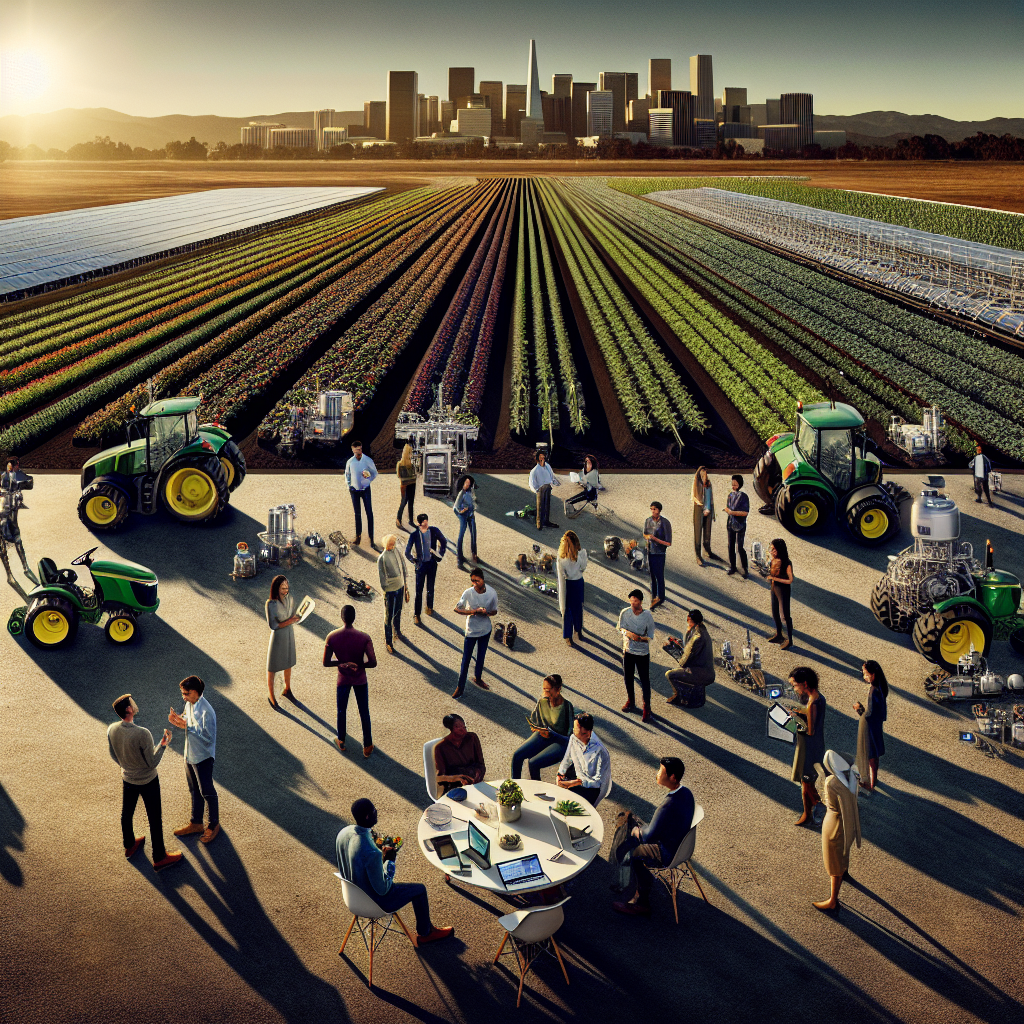
Artificial Intelligence and Machine Learning in AgriTech
Artificial intelligence (AI) and machine learning (ML) play pivotal roles in modernizing agriculture to meet current and future challenges. From optimizing supply chains to predicting crop yields, these technologies are game-changers in the AgriTech space.
One of the prime beneficiaries of AI and ML is crop prediction and field management. Startups like Trace Genomics use machine learning algorithms to analyze soil samples for microbial content and nutrient levels. This data is then used to make informed decisions about which crops to plant, how much water to use, and when to apply fertilizers and pesticides. Such targeted approaches ensure maximum efficiency and minimum waste.
Additionally, companies like Blue River Technology—now part of John Deere—utilize computer vision and machine learning to develop “see-and-spray” technology. This innovation allows agricultural robots to identify and treat individual plants rather than entire fields, thereby reducing the amount of chemical inputs required and lowering environmental impact.
In livestock farming, AI-powered systems like Cainthus utilize facial recognition technology to monitor the health and behavior of animals. By identifying signs of illness or stress early, these systems help farmers take proactive measures, ensuring animal welfare and improving productivity.
AI and ML also extend to the broader supply chain. Companies such as Fruition Sciences employ these technologies to predict harvest dates and optimize logistic operations, cutting down food waste from field to consumer. These comprehensive solutions underscore the potential of AI and ML to foster a more sustainable and efficient agricultural ecosystem, capable of feeding a growing global population.
Blockchain Technology – Ensuring Transparency and Traceability
Blockchain technology is making waves in many industries, and agriculture is no exception. Offering a decentralized and immutable ledger, blockchain can bring unparalleled transparency and traceability to the food supply chain.
Startups like AgriLedger are deploying blockchain solutions to trace products from farm to table. By recording each transaction in a tamper-proof ledger, these systems provide consumers with detailed information about the origin, handling, and quality of their food. This level of transparency not only builds consumer trust but also helps in identifying and addressing issues such as contamination and fraud.
Beyond traceability, blockchain can also facilitate fair trade practices. It gives small-scale farmers better access to markets by reducing the layers of intermediaries in the supply chain, thus ensuring they receive fair compensation for their produce. Provenance, another notable startup, enables businesses to make verifiable claims about their products, fostering ethical and sustainable practices across the industry.
Moreover, blockchain technology can streamline operations by automating contracts and payments through smart contracts, reducing administrative overheads, and speeding up the transaction process. Partnering with financial technologies, it ensures that farmers, especially in developing countries, receive payments promptly, thus fostering financial inclusion.
By ensuring accountability and enhancing efficiency, blockchain technology not only fosters a more transparent food supply chain but also promotes sustainability and ethical practices, meeting the growing demands of conscious consumers worldwide.
Future Prospects and Challenges
As AgriTech continues to evolve, the future prospects appear promising yet come with their set of challenges. Emerging technologies, including quantum computing and gene editing through CRISPR, offer the potential to revolutionize agriculture further, making it more resilient and efficient. However, the path forward requires careful navigation of regulatory landscapes, ethical considerations, and societal acceptance.
The scalability of these innovative solutions remains a critical issue. While the integration of technology in agriculture offers numerous benefits, translating these advances to small and medium-sized farms globally is a significant challenge. Many of these farms lack access to the requisite capital and infrastructure to adopt high-tech solutions.
Another challenge lies in data privacy and cybersecurity. With the increasing digitalization of agriculture, safeguarding sensitive data becomes paramount. The risk of cyber-attacks on critical agricultural infrastructure necessitates robust security measures to protect data integrity.
Moreover, an interdisciplinary approach is crucial for the successful implementation of AgriTech solutions. Collaboration between technologists, farmers, policymakers, and researchers is essential to develop technologies that are not only innovative but also practical and accessible.
In parallel, addressing the regulatory environment is vital for the widespread adoption of AgriTech innovations. Policymakers need to create frameworks that encourage innovation while ensuring the safety and reliability of new technologies. Initiatives that provide training and support to farmers in adopting these technologies can bridge the gap, making advanced agricultural practices more inclusive.
Despite these challenges, the potential benefits of AgriTech in promoting sustainable agriculture are immense. As we face an uncertain future marked by environmental changes and resource constraints, embracing technological innovations in agriculture offers a viable pathway to more resilient and sustainable food systems.
Conclusion:
Silicon Valley’s pioneering spirit and technological expertise position it at the forefront of the AgriTech revolution, driving innovative solutions to achieve sustainable agriculture. From precision farming powered by IoT and AI to groundbreaking biotechnologies and blockchain-enabled traceability, startups in this vibrant region are reshaping the agricultural landscape.
The intersection of technology and agriculture offers tremendous potential to address some of the most pressing global challenges. These innovations promise not only to enhance efficiency and productivity but also reduce the environmental impact of farming practices, ensuring a sustainable future for food production.
The journey ahead, however, calls for a collaborative and inclusive approach. Bridging the gap between technological advancements and practical implementation, especially for small and medium-sized farmers, remains essential. As we navigate challenges and embrace opportunities, the role of policymakers, researchers, and industry stakeholders becomes critical in paving the way for a sustainable agricultural future.
In conclusion, AgriTech startups in Silicon Valley are not just revolutionizing farming practices but are also laying the foundation for a sustainable, food-secure world. As these innovations continue to evolve, their impact will resonate globally, shaping a future where technology and sustainability go hand in hand, addressing the critical need for sustainable and resilient food systems in the face of global challenges.