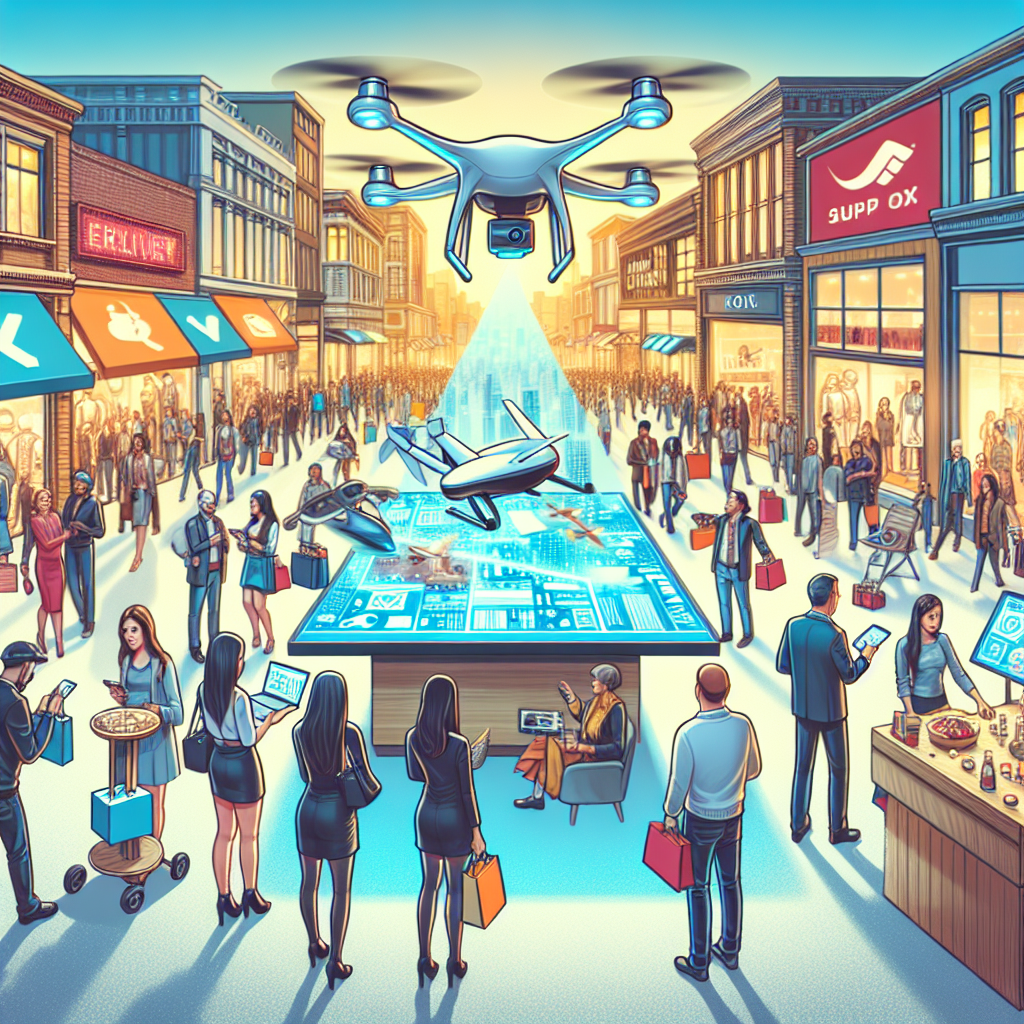
The retail industry, a cornerstone of global commerce, has undergone significant transformations in recent years, largely driven by technology. At the heart of these seismic shifts in retail technology is Silicon Valley, the world’s premier hub for innovation and startups. Silicon Valley’s unique ecosystem fosters groundbreaking solutions that continually reshape the landscape of the retail industry. From artificial intelligence (AI) to Internet of Things (IoT), the confluence of these advancements has reshaped consumer interactions, backend processes, and overall retail experiences. As we delve into the impressive array of technologies emerging from this tech powerhouse, it becomes evident that the future of retail is not merely evolving; it is being radically reinvented.
AI-Powered Customer Insights
One of the most profound impacts of Silicon Valley’s innovation in retail technology is the use of artificial intelligence to glean deep customer insights. Advanced algorithms analyze vast amounts of data to predict consumer behavior, personalize shopping experiences, and optimize inventory management. Companies like Salesforce and Google’s Cloud AI offer robust platforms that help retailers understand and react to customer needs in real-time. These AI-driven tools enable retailers to provide personalized recommendations, design targeted marketing campaigns, and improve customer service, drastically enhancing the overall consumer experience. As a result, retailers are better equipped to satisfy their customers, leading to increased loyalty and higher sales.
Internet of Things (IoT) in Retail
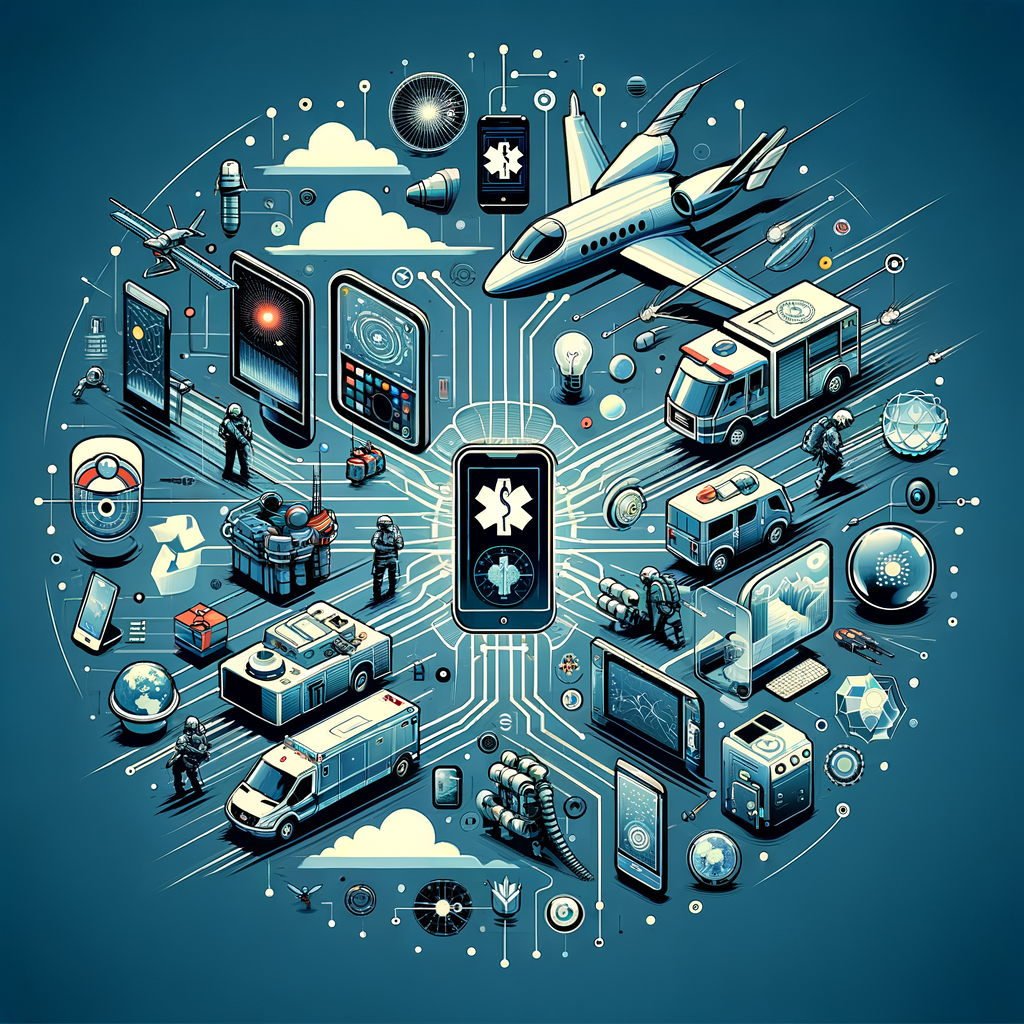
Another groundbreaking innovation from Silicon Valley impacting the retail sector is the integration of the Internet of Things (IoT). IoT technology enables seamless connectivity and interaction between various devices, creating smart retail environments. Retailers are leveraging IoT in various ways, from smart shelves that automatically notify staff when they need restocking to beacons that provide personalized offers to shoppers as they browse the aisles. Companies like Cisco and Intel are at the forefront, developing IoT solutions that enhance operational efficiency and improve customer experiences. With IoT, retailers can streamline their supply chains, enhance inventory management, and provide a more interactive and personalized shopping experience for consumers.

Augmented Reality (AR) Experiences
Augmented Reality (AR) is another technology from Silicon Valley that’s transforming the retail landscape. AR blends digital information with the physical world, allowing retailers to offer immersive shopping experiences. Companies like Google’s ARCore and Apple’s ARKit are leading the charge, providing platforms that enable retailers to develop innovative AR applications. For example, AR can enable customers to visualize how furniture would look in their home before making a purchase or try on clothes virtually. This technology not only enhances the shopping experience but also reduces the rate of returns, as customers are more confident in their purchases.
Blockchain Technology for Retail
Silicon Valley’s advancements in blockchain technology are also making significant waves in the retail sector. Blockchain offers a secure and transparent way to track transactions and manage supply chains. Retailers can use blockchain to verify the authenticity of products, ensuring that goods are genuine and ethical. This technology can also streamline payment processes and safeguard consumer data. Companies like IBM and Oracle are developing blockchain solutions that enhance transparency and security, helping retailers build trust with their customers. As consumers become more conscious of the origins and authenticity of their purchases, blockchain provides a reliable solution to meet these demands.
Robotics and Automation in Retail
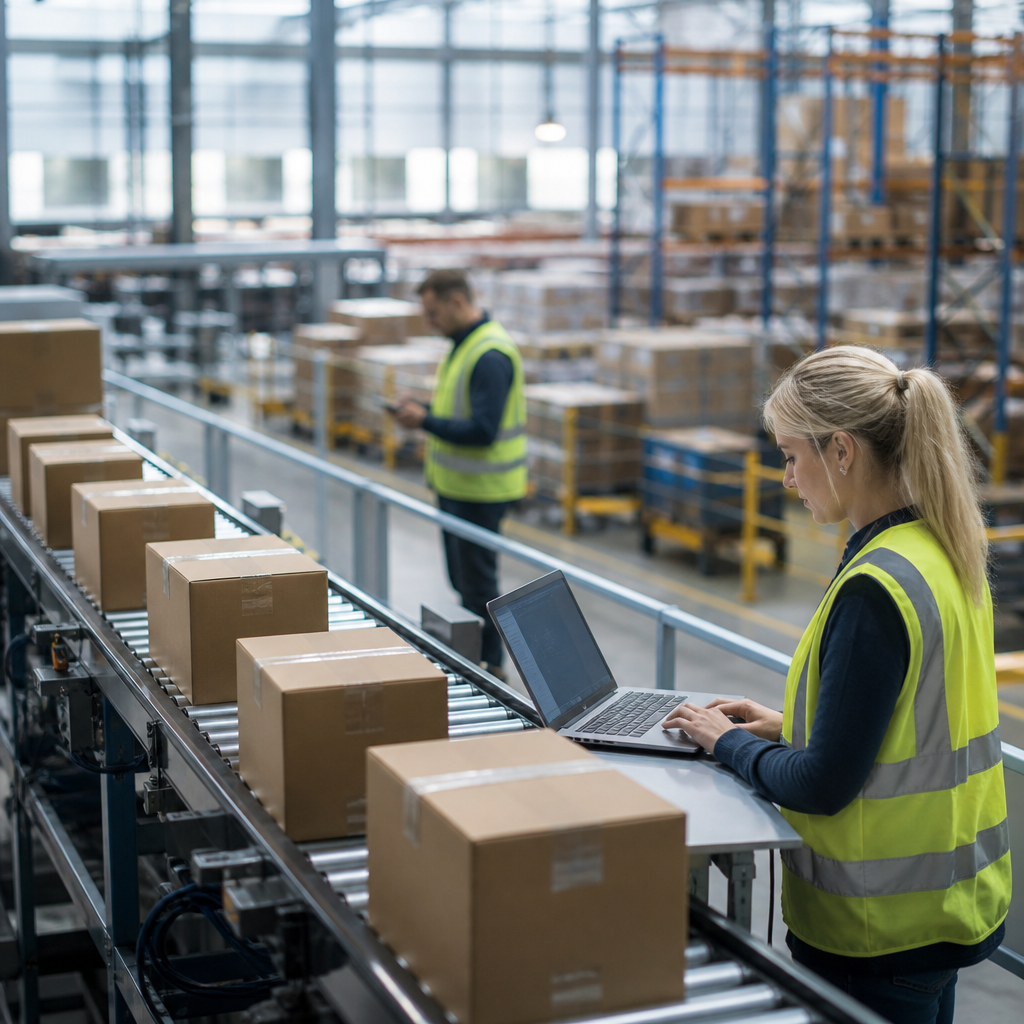
Robotics and automation, spearheaded by Silicon Valley innovators, are becoming increasingly prominent in the retail industry. Robots are being used for a variety of tasks, such as stocking shelves, assisting customers, and handling inventory. Automation technologies are optimizing backend processes, increasing efficiency, and reducing operational costs. Companies like Nuro and Brain Corp have developed cutting-edge robotic solutions that are revolutionizing retail operations. These advancements allow retailers to focus more on customer service and strategic growth, rather than mundane, repetitive tasks. As robotics and automation continue to evolve, we can expect even greater efficiencies and enhanced customer experiences in retail.
Conclusion
The retail industry is undergoing a technological renaissance, driven by the relentless innovation emerging from Silicon Valley. AI-powered customer insights, IoT, AR experiences, blockchain technology, and robotics are just a few of the transformative advancements that are redefining retail. These technologies are not only enhancing operational efficiencies but also enriching the shopping experience for consumers. As Silicon Valley continues to pioneer new technologies, the retail sector will undoubtedly continue to evolve, offering more personalized, secure, and efficient shopping experiences. For retailers, embracing these innovations is not just a competitive advantage but a necessity in an increasingly digital world. The future of retail is bright, promising, and rooted in the technological advancements emanating from Silicon Valley.