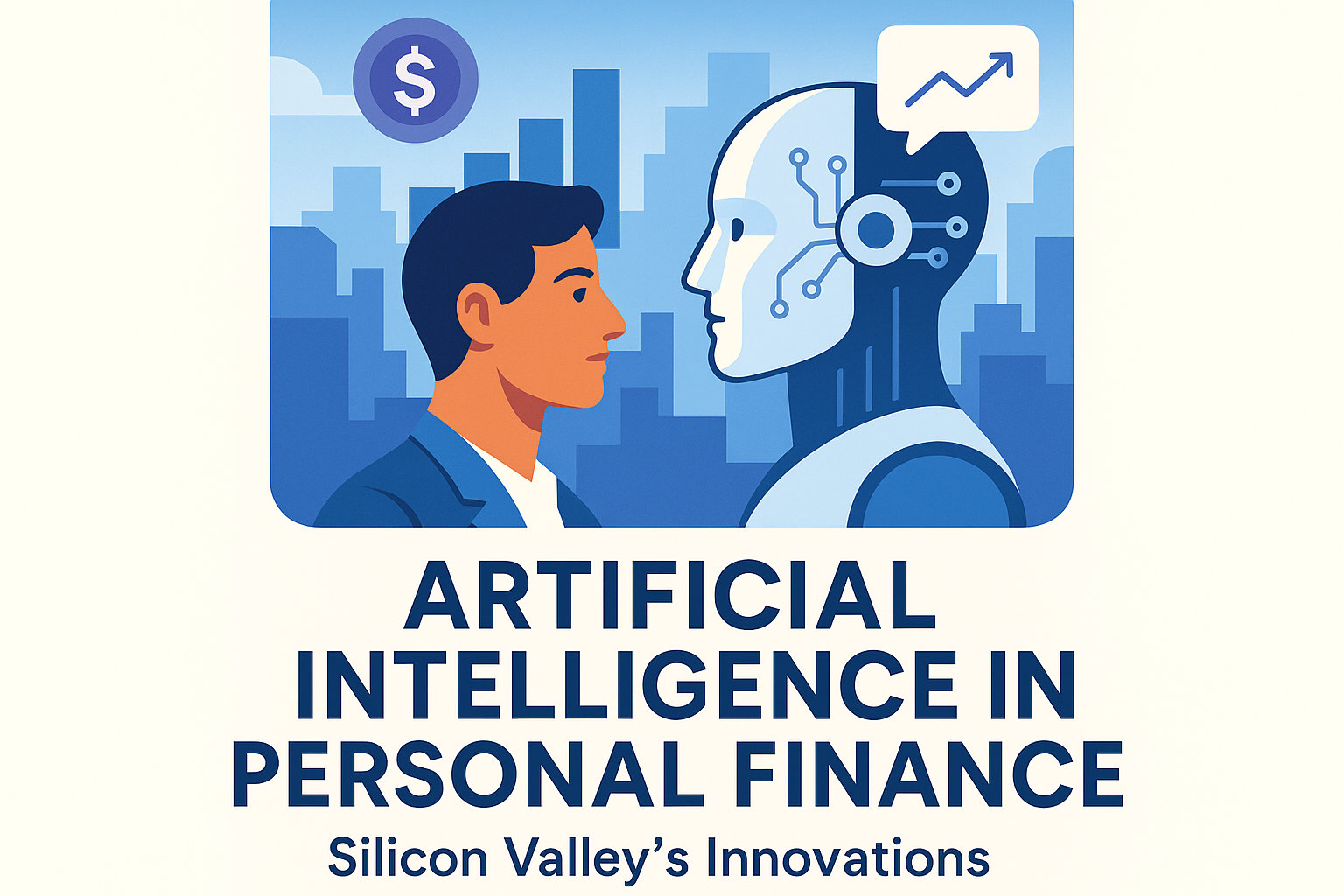
Introduction to Artificial Intelligence in Personal Finance
In recent years, artificial intelligence (AI) has revolutionized countless industries. A primary area witnessing transformative change is personal finance, where intelligent systems are not only enhancing efficiency but also democratizing access to financial services. Artificial intelligence refers to the simulation of human intelligence processes by machines, especially computer systems. These processes include learning, reasoning, problem-solving, language understanding, and perception.
In personal finance, AI systems are harnessed to optimize financial planning, investment management, budgeting, and credit scoring, among other applications. The benefit of AI in this sector is its ability to provide tailored financial insights with speed and accuracy, automating tasks that were traditionally labor-intensive. Such advancement greatly influences how individuals manage their financial lives, making them more adept at planning for their futures. But why does it matter? Essentially, by leveraging AI, people are better equipped to make informed decisions, save time, and potentially save or earn more money. It shifts the power balance in favor of the consumer, giving them tools that were previously available only to financial experts or institutional investors.
AI-Powered Investment Platforms
One of the breakthrough applications of AI in personal finance is in the realm of investment platforms. Companies like Betterment and Wealthfront have emerged as leaders in this space, offering robo-advisory services that combine sophisticated algorithms with financial data to offer personalized investment advice. These platforms analyze diverse sets of data, including market trends and economic indicators, to recommend the best investment strategies for users of all knowledge levels.
An example of this in practice is Betterment, which manages an individual’s portfolio automatically and optimizes for tax efficiency. By using AI, Betterment continuously rebalances portfolios to align with investor preferences and risk levels. Such automation reduces the emotional bias that often impedes human investment decision-making. Investors can enter their financial goals, such as buying a home or retirement, and Betterment’s AI will suggest a corresponding investment plan.
The impact of AI-powered investment platforms is profound, offering an accessible entry point to sophisticated investment strategies once reserved for high-net-worth individuals. It represents a significant leap forward in terms of democratizing investment management, enabling anyone with an internet connection to potentially grow their wealth intelligently.
Smart Personal Finance Management with AI
Personal finance management is another critical aspect where AI has made significant strides. Tools like Mint and Personal Capital utilize AI to enhance their ability to track spending, create budgets, and plan for future financial goals. These apps integrate with users’ bank accounts and credit cards to autonomously monitor transactions and provide personalized financial insights.
For instance, Mint uses AI algorithms to analyze a user’s spending habits and provides suggestions on how to improve savings. It categorizes expenses automatically and identifies potential areas to cut costs. Additionally, these platforms alert users to unusual spending patterns that might indicate fraud, thereby adding an extra layer of security.
Importantly, AI doesn’t just manage users’ current finances but also projects future financial conditions. By simulating different scenarios, AI helps users prepare for unforeseen expenses or life changes, enhancing their financial resilience. The automation of routine financial tasks provides users with more time to focus on other priorities, illustrating how AI can streamline processes to make personal finance both accessible and less time-consuming.
AI and Credit Scoring Enhancements
AI innovations have also fundamentally changed how credit is scored, assessed, and approved. Traditional credit scoring systems often rely on limited datasets, which might not accurately represent an individual’s creditworthiness. However, new AI-driven models can evaluate a broader spectrum of data points beyond just credit history, such as utility payments, rent, and even social media activity.
Take the example of Upstart, an AI lending platform, which goes beyond FICO scores to assess suitable credit products. It utilizes AI to analyze non-traditional data points such as education, area of study, and employment history to predict a borrower’s potential to repay a loan. This model democratizes access to credit, particularly benefiting individuals who may lack a comprehensive credit history.
The result of AI’s application in credit scoring is increased access to fair credit opportunities for more people, reducing bias and providing more comprehensive evaluations of borrowers. This innovation not only aids consumers but also allows lenders to reduce risk by gaining deeper insight into a borrower’s financial behavior.
Visualizing AI Impacts in Personal Finance
| AI Application Area | Key Benefits |
|---|---|
| Investment Platforms | Sophisticated, accessible investment strategies. |
| Personal Finance Management | Automated tracking, budgeting, and forecasting. |
| Credit Scoring | Enhanced, fair credit opportunities and assessments. |
AI and Personalized Financial Education
AI’s influence is also notable in personalized financial education. Platforms like NerdWallet and Cleo use AI to provide customized learning experiences and daily financial tips tailored to the user’s unique situations. These platforms draw on vast datasets to deliver recommendations and educational content that help users understand financial concepts and products.
Cleo, for instance, functions as a chatbot that interacts with users in a conversational manner, offering insights on savings, spending, and budgeting. The AI behind Cleo engages users daily, offering challenges that encourage better financial habits. Unlike traditional educational blog posts or guides, AI offers a dynamic and interactive learning experience that adapts to user progress and feedback.
By transforming financial education from static to interactive, AI helps individuals become more financially literate at their own pace, using methods that engage and educate effectively. This represents an elevation of financial literacy efforts to a more personalized level, facilitating more informed decision-making.
Conclusion: Embracing AI in Personal Finance
Artificial intelligence is playing a pivotal role in reshaping personal finance, offering innovative solutions that make it easier, faster, and more efficient for individuals to manage their financial lives. By democratizing investment strategies, streamlining personal finance management, enhancing credit scoring methods, and providing personalized financial education, AI is breaking down barriers of access and understanding.
The takeaway for readers is clear: embracing AI-driven tools in personal finance could significantly improve how you manage your money, offering the same advantages once limited to professionals or those with financial expertise. As AI continues to evolve, it promises even more sophisticated capabilities that will further enhance your ability to make informed and beneficial financial decisions.
As a call-to-action, individuals and households should start exploring AI-powered personal finance tools today. Dive into platforms like Betterment, Mint, Upstart, or Cleo. Experiment with their capabilities and tailor them to your financial goals. Taking even small steps to integrate AI into your financial routine could unlock new avenues for growth, savings, and security. The future of personal finance is not just automated—it’s intelligent, accessible, and awaits your exploration.
Frequently Asked Questions
What is Artificial Intelligence and how is it being used in personal finance?
Artificial Intelligence (AI) refers to the simulation of human intelligence processes by machines, notably computer systems. These processes encompass learning, reasoning, problem-solving, perception, and language understanding. In the realm of personal finance, AI is being used in a variety of innovative ways, transforming how we manage, invest, and grow our money. AI systems analyze vast datasets far more quickly and accurately than humans ever could, providing insights that help in personalized financial planning, risk assessment, fraud detection, and automated investment strategies. Silicon Valley, with its technological prowess, is at the forefront of such innovations, where companies leverage AI to democratize financial services for more people by offering tools for budgeting, saving, and investing that were once only readily accessible to professional finance advisors or wealth managers.
How does AI enhance efficiency in financial management?
AI enhances efficiency in financial management by automating routine tasks and providing predictive analytics. For instance, AI-driven chatbots offer customer service and financial advice around the clock, reducing the need for human staff and lowering operational costs. These chatbots can handle inquiries about bank balances, upcoming payments, or even offer suggestions on savings plans. Furthermore, AI algorithms can analyze spending patterns, identify potential fraudulent activities, and detect unusual transactions in real time, thus providing a quicker response than manual reviews by human analysts. Predictive analytics is another vital AI tool that helps in anticipating market trends, enabling individuals to make informed investment decisions. By automating these processes, AI not only streamlines operations but also empowers users with tools to manage their finances more efficiently.
How are people benefiting from AI-driven personal finance tools?
People benefit from AI-driven personal finance tools in several ways. Primarily, these tools provide comprehensive insights into an individual’s spending habits and financial status, which leads to better budgeting and saving strategies. Personal finance apps powered by AI algorithms can categorize expenses, send alerts when spending exceeds limits, and even provide tailored recommendations for savings. These tools can automatically calculate credit scores, forecast cash flow, and assess future spending needs, thus empowering users with clear and actionable financial insights. Moreover, AI tools offer personalized investment advice based on risk tolerance and financial goals, broadening access to sophisticated wealth management services previously available only to high-net-worth individuals. This democratization of finance fosters greater financial literacy, helping more people achieve financial wellness.
What specific innovations from Silicon Valley are influencing personal finance through AI?
Silicon Valley has played a pivotal role in pioneering AI technologies that are reshaping personal finance. Companies like PayPal, Robinhood, and Mint are leading the charge with innovative AI applications. PayPal utilizes AI to enhance transaction security and offer personalized financial services. Robinhood, an AI-driven investment platform, has made commission-free trading accessible to average consumers, using AI for real-time market analysis and portfolio recommendations. Mint leverages AI to aggregate user data, creating detailed financial reports that assist personal money management. Additionally, fintech startups in Silicon Valley are developing robo-advisors that use AI algorithms to provide investment management services at a fraction of the cost of traditional advisors, which has opened new investment opportunities for individuals who were previously underserved by the financial industry. These innovations are fundamentally altering how personal finance is managed and accessed.
What challenges does AI face in the personal finance sector?
Despite its potential, AI in personal finance faces several challenges. One primary concern is data privacy and security. As AI systems require access to large volumes of personal and financial data for analysis, they could be vulnerable to cyberattacks and breaches. Ensuring robust data protection measures must be a priority to maintain user trust. Moreover, there’s the challenge of algorithmic bias, where AI systems could inadvertently reflect or amplify existing biases found in training data, potentially leading to unfair credit evaluations or investment recommendations. Regulatory and compliance challenges are also notable, as financial institutions must navigate complex legal frameworks while integrating AI solutions. Lastly, there is the issue of user understanding and trust; many consumers may be wary of automated systems handling their financial decisions, necessitating clear communication and reassurance from AI service providers. Overcoming these challenges requires collaboration between technologists, policymakers, and industry experts.