Fitbit helped define the modern wearable category by turning daily movement, sleep, heart rate, and exercise into understandable data for ordinary users. In the broader story of wearable health and fitness technologies, Fitbit stands out as one of the true movers and shakers because it did more than launch popular trackers; it changed consumer expectations, influenced clinical research, and pushed competitors to make health metrics mainstream. When people discuss wearable technology today, they usually mean devices that combine sensors, software, and cloud-based analysis to measure behavior or physiology continuously. Fitbit popularized that model at scale. Its importance also reaches beyond gadgets. Employers used Fitbit in wellness programs, insurers tested incentive models around activity goals, researchers used Fitbit datasets to study sleep and physical activity, and consumers learned to think in trends rather than isolated weigh-ins or annual checkups. As a hub within Company Spotlights, this article explains how Fitbit grew, what technologies it pioneered, where it materially changed the market, and why its influence still matters after its acquisition by Google. Understanding Fitbit gives readers a practical lens for evaluating the entire wearable health economy.
How Fitbit Built the Consumer Wearables Market
Fitbit was founded in 2007 by James Park and Eric Friedman, entering the market when smartphones were expanding and low-power sensors were becoming affordable enough for mass consumer devices. Its early clip-on trackers focused on step counting, calories burned, distance, and sleep estimates. Those features sound basic now, but at the time they solved a specific problem I have seen repeatedly in health technology adoption: people need feedback that is immediate, simple, and easy to compare over time. Fitbit made activity visible through dashboards, badges, streaks, and social competition. That product design choice mattered as much as the hardware.
The company’s real breakthrough was not inventing step tracking itself. Pedometers had existed for decades. Fitbit’s contribution was integrating accelerometers, wireless syncing, mobile apps, and behavior-change prompts into a polished consumer system. By reducing friction, it moved tracking from a niche habit to a daily ritual. Devices such as the Fitbit Classic, One, Flex, Charge, and Alta created a ladder of products that served casual walkers, office workers, runners, and users who wanted discreet all-day wear. This broad product segmentation is one reason Fitbit dominated early market share.
Its platform strategy also deserves attention. Fitbit created accounts, trend graphs, food logging, challenges, and friend networks that encouraged retention. In practice, people rarely keep using a wearable because of hardware alone; they continue because the software turns raw signals into meaningful progress. Fitbit understood that before many rivals did, and that insight shaped the entire category.
Core Technologies That Made Fitbit Influential
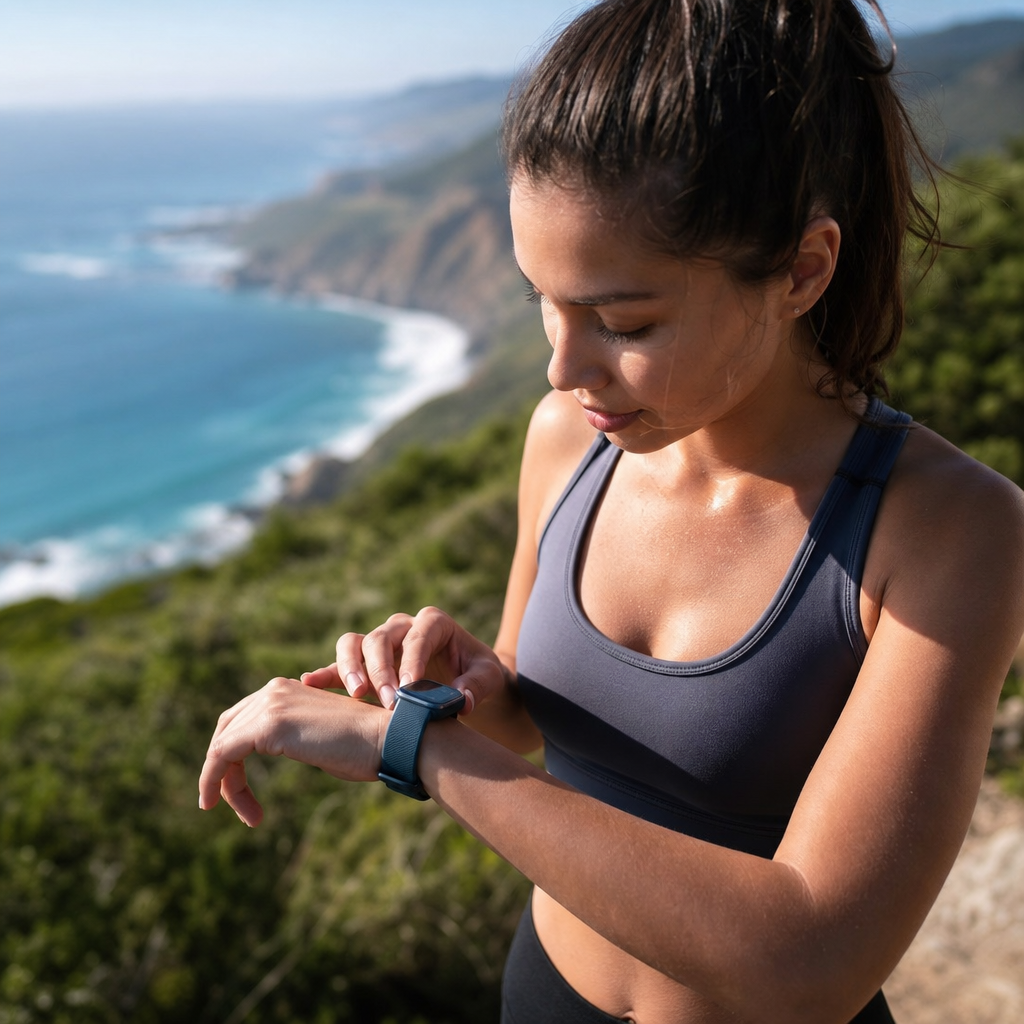
Fitbit’s devices combined multiple sensor systems and analytical models that gradually expanded the definition of consumer health tracking. The most familiar was the three-axis accelerometer, which enabled step counting, distance estimates, and general movement classification. As the line evolved, Fitbit added optical heart rate monitoring using photoplethysmography, altimeters for floors climbed, GPS for pace and route data, skin temperature sensing in some models, and blood oxygen trend features. These additions transformed the device from an activity tracker into a multipurpose physiological monitor.
Heart rate was especially important. Once Fitbit introduced continuous heart rate tracking on devices like the Charge HR, it could estimate exercise intensity zones, resting heart rate trends, and recovery patterns. Resting heart rate became one of the most useful metrics for ordinary users because it offered a practical signal of training load, illness, stress, and cardiovascular adaptation. Sleep tracking also improved over time, moving from motion-only estimates to stages inferred through heart rate variability and movement patterns. No wrist-based consumer wearable measures sleep stages with the accuracy of polysomnography, but Fitbit made sleep data accessible enough for millions of people to recognize patterns such as inconsistent schedules, insufficient duration, or disrupted recovery.
Another underappreciated innovation was battery efficiency. Consumer health wearables succeed only when users can wear them consistently. Fitbit devices generally balanced sensor performance, comfort, and battery life better than many early smartwatches, which often required daily charging and therefore created data gaps during sleep or exercise.
Fitbit Products, Features, and Market Impact
Fitbit’s product evolution shows how the company repeatedly widened the use case from basic fitness to everyday health awareness. The Charge series became a flagship because it offered a middle ground between minimalist bands and more expensive smartwatches. The Versa line broadened Fitbit’s appeal with a smartwatch form factor, app support, notifications, and a lighter, more fitness-focused alternative to the Apple Watch. The Sense family pushed further into health monitoring with electrodermal activity for stress tracking, ECG capability in supported markets, and skin temperature trends.
Several feature launches had outsized market impact. The 10,000-step goal, while not invented by Fitbit, became culturally sticky through Fitbit’s interface and social sharing. Active Zone Minutes translated heart-rate intensity into an easier target for users who were not training athletes. Menstrual health tracking brought cycle logging into a mainstream wearable environment. Readiness-oriented features helped users think about recovery, not just output. Fitbit Premium added guided programs, deeper analytics, and structured behavioral content, signaling a shift toward subscription health services rather than one-time hardware sales.
| Product line | Primary use case | Notable contribution |
|---|---|---|
| Flex and Alta | Entry-level activity tracking | Made all-day wearable tracking simple and fashionable |
| Charge series | Mainstream fitness and health monitoring | Brought heart rate and richer metrics to a mass audience |
| Versa series | Fitness-first smartwatch users | Expanded Fitbit beyond bands into broader smartwatch adoption |
| Sense series | Health-focused smartwatch buyers | Added stress, ECG, and advanced wellness features |
From my perspective, Fitbit’s biggest market contribution was normalizing continuous self-monitoring without making the product feel clinical. That balance allowed wearables to spread into households that would never have bought a medical device.
Fitbit in Research, Healthcare, and Corporate Wellness
Fitbit’s influence extends beyond retail sales because its devices became common tools in research studies and workplace health programs. Academic researchers used Fitbit data to study adherence, physical activity interventions, and sleep behavior at population scale. The appeal was obvious: compared with laboratory equipment, Fitbit offered low-cost, real-world longitudinal data. In clinical and public health contexts, that tradeoff matters. A perfect measurement tool that people will not wear is often less useful than a good-enough tool that can capture months of behavior.
Healthcare systems and digital therapeutics companies also explored Fitbit integrations for remote monitoring and patient engagement. For example, step counts and resting heart rate trends can help care teams observe recovery after surgery, monitor changes in chronic disease management, or encourage cardiac rehabilitation adherence. Fitbit has participated in studies around atrial fibrillation detection and sleep assessment, though consumer wearables should never be treated as replacements for formal diagnosis. That distinction is essential. Wearables are excellent for screening, habit formation, and trend detection; they are weaker when precision diagnostic standards are required.
Corporate wellness programs were another major channel. Employers and insurers experimented with step challenges and incentive structures tied to Fitbit activity data. Results varied. Participation often rose initially because the device created visible goals and social accountability. Long-term outcomes were more mixed, especially when programs relied too heavily on extrinsic rewards. In my experience, the best results came when Fitbit data was paired with coaching, realistic goal setting, and privacy safeguards.
Competition, Google Acquisition, and the Future of Fitbit
Fitbit’s market leadership eventually faced pressure from Apple, Garmin, Samsung, Xiaomi, and others. Apple dominated the premium smartwatch segment through tighter ecosystem integration and richer app experiences. Garmin held a stronger position with serious endurance athletes who wanted training load, navigation, and performance detail. Lower-cost brands competed aggressively on price. Fitbit responded by broadening its smartwatch lineup and emphasizing approachable health features, but the competitive landscape had changed from simple trackers to full wearable computing platforms.
Google’s acquisition of Fitbit, completed in 2021, marked a turning point. The deal gave Google an established wearable brand, health data expertise, and hardware experience that could support its broader ecosystem strategy. For Fitbit users, the acquisition created both opportunity and uncertainty. On the positive side, Google resources can improve software integration, artificial intelligence features, and interoperability across Android services and Pixel devices. On the cautious side, users rightly care about privacy, product continuity, and whether Fitbit’s identity remains distinct inside a much larger company.
Looking ahead, Fitbit’s lasting value lies in combining passive sensing with actionable coaching. The next phase of wearable health technology will likely focus on earlier detection of meaningful changes, more personalized baselines, and stronger links between wearables, electronic health records, and clinical workflows. Fitbit helped establish the consumer behaviors required for that future. Even where rivals now lead on specific features, Fitbit remains a foundational company in the history of digital health wearables.
Fitbit’s story matters because it shows how a company can reshape health behavior by making data useful, wearable, and familiar. It built the bridge between old pedometers and today’s intelligent health watches, proving that millions of people would track steps, sleep, heart rate, and recovery if the experience felt clear and rewarding. Its devices were not perfect medical instruments, yet they were good enough to change routines, support research, and influence healthcare delivery. That combination is rare. For readers exploring movers and shakers in Company Spotlights, Fitbit belongs near the top because it changed both technology design and public expectations. It taught the market that health metrics must be continuous, understandable, and tied to action. It also showed the limits of wearables, including adherence challenges, privacy concerns, and the gap between consumer insight and clinical diagnosis. Those lessons are just as important as the product wins. If you are evaluating the wearable health sector, use Fitbit as a benchmark: study its platform strategy, sensor evolution, behavior-change design, and post-acquisition trajectory, then explore the related company profiles in this hub to compare how other leaders built on the path Fitbit helped create.
Frequently Asked Questions
Why is Fitbit considered a pioneer in wearable health and fitness technology?
Fitbit is widely considered a pioneer because it helped transform wearable technology from a niche gadget category into an everyday consumer habit. Before fitness trackers became common, many people had limited visibility into their daily activity, sleep patterns, or heart rate trends. Fitbit made those measurements accessible, easy to understand, and relevant to ordinary users rather than just athletes or medical professionals. Its products turned abstract health concepts into clear, trackable numbers such as steps taken, calories burned, resting heart rate, active minutes, and sleep duration, which encouraged people to engage with their health in a more consistent way.
What made Fitbit especially influential was not just the hardware itself, but the complete experience around it. The company paired wearable devices with intuitive mobile apps, progress dashboards, goal setting, reminders, badges, and social features that made behavior change feel practical and motivating. This combination helped define what consumers came to expect from wearables: real-time data, actionable feedback, easy syncing, and long-term trend tracking. In that sense, Fitbit did not simply release successful products; it established the template that much of the wearable market still follows today.
How did Fitbit change the way consumers think about personal health data?
Fitbit played a major role in making personal health data feel approachable rather than intimidating. For many users, it was the first time they could see patterns in their everyday behavior presented in a simple and meaningful format. Instead of health being something discussed only during occasional doctor visits, Fitbit helped make it part of daily life. People could check whether they were active enough, review how long they slept, monitor exercise intensity, or notice shifts in resting heart rate over time. This regular feedback changed health tracking from a passive concept into an active routine.
Just as important, Fitbit taught consumers that trends often matter more than isolated numbers. A single night of poor sleep or one low-step day may not mean much, but recurring patterns can reveal useful insights about habits, recovery, and overall wellness. By visualizing data across days, weeks, and months, Fitbit encouraged users to look for consistency, improvement, and context. That shift in thinking had a lasting impact on the entire wearables industry, because consumers began expecting technology to help interpret their health behaviors instead of simply recording them. In many ways, Fitbit helped normalize the idea that personal health metrics could be both understandable and empowering.
What health and fitness metrics helped make Fitbit devices so popular?
Several core metrics helped drive Fitbit’s popularity, largely because they were simple enough for beginners while still useful for more engaged users. Step counting was one of the most recognizable features, and it gave people an immediate, easy-to-measure activity goal. Seeing a daily step total made movement tangible, and milestone targets such as 10,000 steps gave users something concrete to aim for. Beyond steps, Fitbit also tracked distance, calories burned, floors climbed on certain models, active minutes, workouts, and sleep duration, creating a broader picture of daily habits.
Over time, heart rate tracking became especially important because it allowed Fitbit devices to offer deeper insight into exercise effort, recovery, and wellness trends. Resting heart rate, cardio zones, and all-day heart rate patterns gave users more nuanced information than step counts alone. Sleep tracking also became a major differentiator, as it helped users understand not just how long they slept, but often how consistently and how restfully. These features mattered because they connected metrics to everyday decisions: whether to move more, train harder, recover better, or build healthier routines. Fitbit’s success came from making these measurements useful, not just impressive.
How has Fitbit influenced the broader wearable industry and clinical research?
Fitbit’s influence on the wearable industry has been substantial because it helped prove that large numbers of consumers were willing to use body-worn devices to monitor health and fitness on a daily basis. Once Fitbit demonstrated the mainstream appeal of activity tracking and app-connected health insights, competitors across the technology and consumer electronics sectors accelerated their own wearable strategies. Features that once felt innovative, such as continuous activity monitoring, heart rate tracking, sleep analysis, reminders to move, and goal-based dashboards, eventually became standard expectations across the market. Fitbit effectively raised the baseline for what a wearable should do.
Its impact also extended beyond consumer habits into research and healthcare-related use cases. Because Fitbit devices were widely adopted and generated large volumes of longitudinal activity and sleep data, they became useful tools in many observational studies and wellness programs. Researchers and institutions began exploring how wearable data could support population health analysis, remote monitoring, physical activity interventions, and behavior change strategies. While consumer wearables are not a replacement for formal medical diagnosis, Fitbit helped move the conversation forward by showing that everyday devices could contribute meaningfully to health awareness, engagement, and research at scale. That role helped position wearables as more than convenience gadgets; they became part of the evolving digital health ecosystem.
What is Fitbit’s lasting legacy in the evolution of wearable technology?
Fitbit’s lasting legacy is that it helped define the modern relationship between people and wearable technology. The company showed that a successful wearable was not just a device worn on the body, but a system for translating daily behaviors into understandable, motivating, and actionable information. It made health tracking habitual, social, and visible in a way that changed user expectations permanently. Today, when people assume a smartwatch or fitness tracker should measure activity, monitor heart rate, analyze sleep, deliver insights, and sync seamlessly with a smartphone, they are benefiting from standards Fitbit helped establish.
Perhaps even more importantly, Fitbit helped create a culture in which preventive wellness and self-monitoring became part of everyday consumer technology. Its products encouraged millions of people to pay closer attention to movement, exercise consistency, sleep quality, and long-term trends in physical well-being. That influence extends far beyond the brand itself. Fitbit pushed the market, shaped product design across the industry, and helped bridge the gap between fitness tracking, digital health, and mainstream technology adoption. In the broader story of wearable health and fitness technologies, Fitbit remains one of the defining companies because it did not just participate in the category’s rise; it helped build the category in the first place.