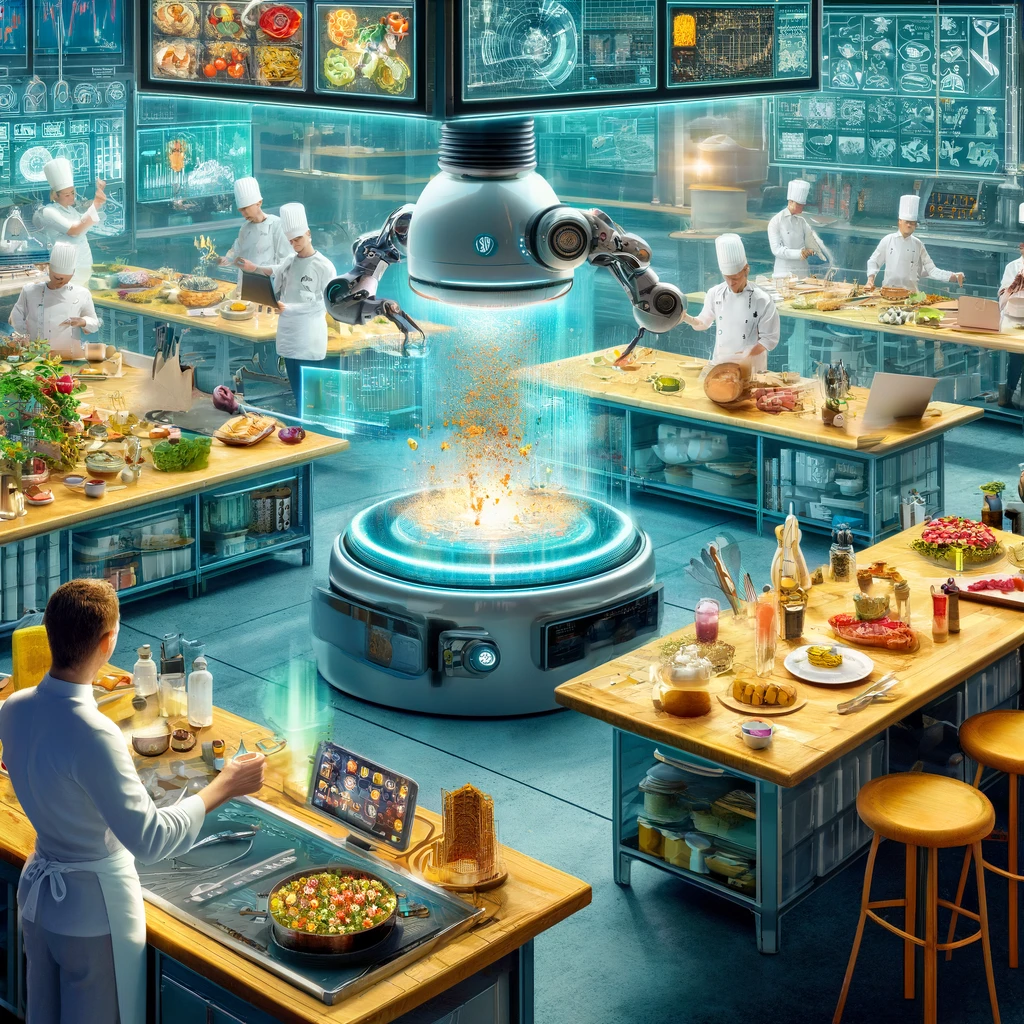
In Silicon Valley, an area globally recognized for its technological prowess, a unique blend of tech culture and gastronomy is emerging. This fusion is reshaping the culinary landscape, infusing it with innovative ideas and sustainable practices. This article explores how the heart of the tech world is revolutionizing the way we approach food, turning Silicon Valley into a new hub for foodie culture and innovation.
Innovative Food Technologies
At the forefront of this culinary revolution are groundbreaking food technologies. UC Davis has launched the Integrative Center for Alternative Meat and Protein (iCAMP), a hub for developing futuristic foods from cell cultures, plant-based mixtures, and hybrids. This initiative reflects a broader trend in Silicon Valley, where cutting-edge tech and culinary expertise merge to create sustainable food alternatives.
The Rise of Alternative Proteins
Silicon Valley is leading the way in popularizing alternative protein sources. The region’s tech-influenced culture has been instrumental in fostering companies like Beyond Meat, which are redefining the way we think about meat consumption. With a growing global population and increased awareness of environmental and animal welfare issues, such alternative proteins are gaining traction.
Impact of Silicon Valley Bank on Food-Tech Startups
Silicon Valley Bank (SVB) has played a pivotal role in the emergence and growth of ag-tech and food industry startups. The bank has been a crucial backer for companies exploring innovative food solutions, including alternative proteins and vertical farming. SVB’s influence highlights the financial interconnectedness of the tech and food-tech sectors.
A New Gastronomic Identity
Silicon Valley’s tech culture is not just about creating alternative food products; it’s also about redefining the gastronomic experience. Restaurants like Andy Nguyen’s Vegetarian Restaurant and the Buddha Belly Burger bar in Sacramento epitomize this shift. These establishments offer modern, plant-based culinary experiences, showcasing the fusion of traditional cooking with contemporary, tech-inspired ingredients and techniques.
Community and Sustainability
This culinary transformation is deeply rooted in community and sustainability. The emphasis is on local produce, ethical sourcing, and environmentally conscious practices, mirroring the tech industry’s focus on innovation for a better future. This approach is changing not just what we eat but also how we think about food in relation to our environment and society.
Educational and Developmental Initiatives
Education plays a crucial role in this revolution. Centers like iCAMP are not only research hubs but also educational platforms, offering programs for food industry professionals. These initiatives are essential for developing new talents and fostering a culture of innovation in the culinary field, paralleling the tech sector’s emphasis on constant learning and improvement.
Challenges and Opportunities
As with any revolution, challenges exist. The failure of institutions like SVB can have a domino effect on startups in the food-tech sector. However, these challenges also present opportunities for learning and growth, pushing companies to innovate and adapt in an ever-evolving market.
A Hub for Culinary Innovation
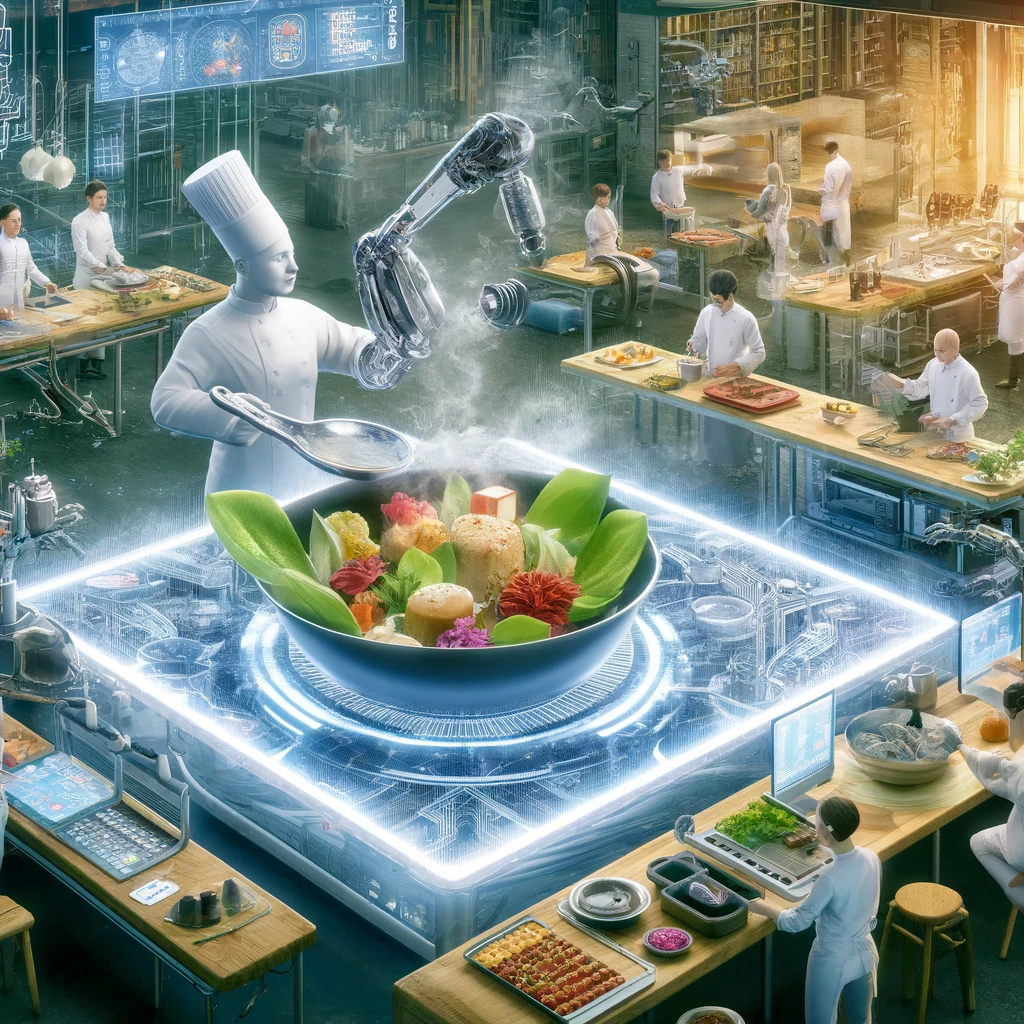
Silicon Valley, synonymous with technological innovation, is now establishing itself as a hub for culinary innovation. The region’s focus on sustainability and health-conscious living is driving a surge in farm-to-table restaurants and organic food startups. This trend aligns with the tech industry’s emphasis on efficiency and data-driven approaches, now applied to agriculture and food production.
Tech Influences on Eating Habits
The lifestyle of Silicon Valley’s workforce has significantly influenced local eating habits. With a bustling, time-constrained environment, there’s a growing demand for meal delivery services, automated food kiosks, and quick healthy eating options. Companies are leveraging AI and machine learning to personalize nutrition and offer tailored diet plans, marking a shift towards tech-optimized eating.
Funding and Startups in Food Tech
Investment in food technology startups in Silicon Valley is booming. Venture capitalists, traditionally focused on software and hardware, are now eyeing the food industry. They’re funding innovative projects that range from lab-grown meat to AI-driven food processing. This influx of capital is transforming the food industry, encouraging more entrepreneurs to enter the food tech space.
Environmental Consciousness in Food Choices
The tech community’s awareness of environmental issues is mirrored in their food choices. There’s a significant shift towards plant-based diets, reduced meat consumption, and support for sustainable fishing and farming practices. This change is partly driven by the region’s culture of innovation and responsibility towards the planet.
Tech-Driven Dining Experiences
Dining experiences in Silicon Valley are being transformed by technology. From digital menus and automated ordering systems to AI-driven wine recommendations and virtual reality culinary journeys, tech is enhancing the dining experience. These innovations offer customers more than just a meal; they provide a glimpse into the future of dining.
Challenges and Future Directions
While the fusion of technology and gastronomy in Silicon Valley presents exciting opportunities, it also faces challenges. These include maintaining the balance between technology and traditional cooking methods, ensuring equitable access to these innovative foods, and addressing the potential socioeconomic impacts of automating food services.
As Silicon Valley continues to innovate, the gastronomic sector must adapt, ensuring that these technological advancements enhance rather than overshadow the culinary arts. The future of food in Silicon Valley is an exciting blend of technology, sustainability, and culinary excellence.
Conclusion
Silicon Valley’s foodie revolution, where tech meets gastronomy, is a testament to the region’s spirit of innovation. This blend of technology and culinary art is creating a unique food culture, driving sustainability, and reshaping dining experiences. As this revolution continues to evolve, it will undoubtedly influence global culinary trends, making Silicon Valley not just a tech hub but also a leader in the gastronomic world.