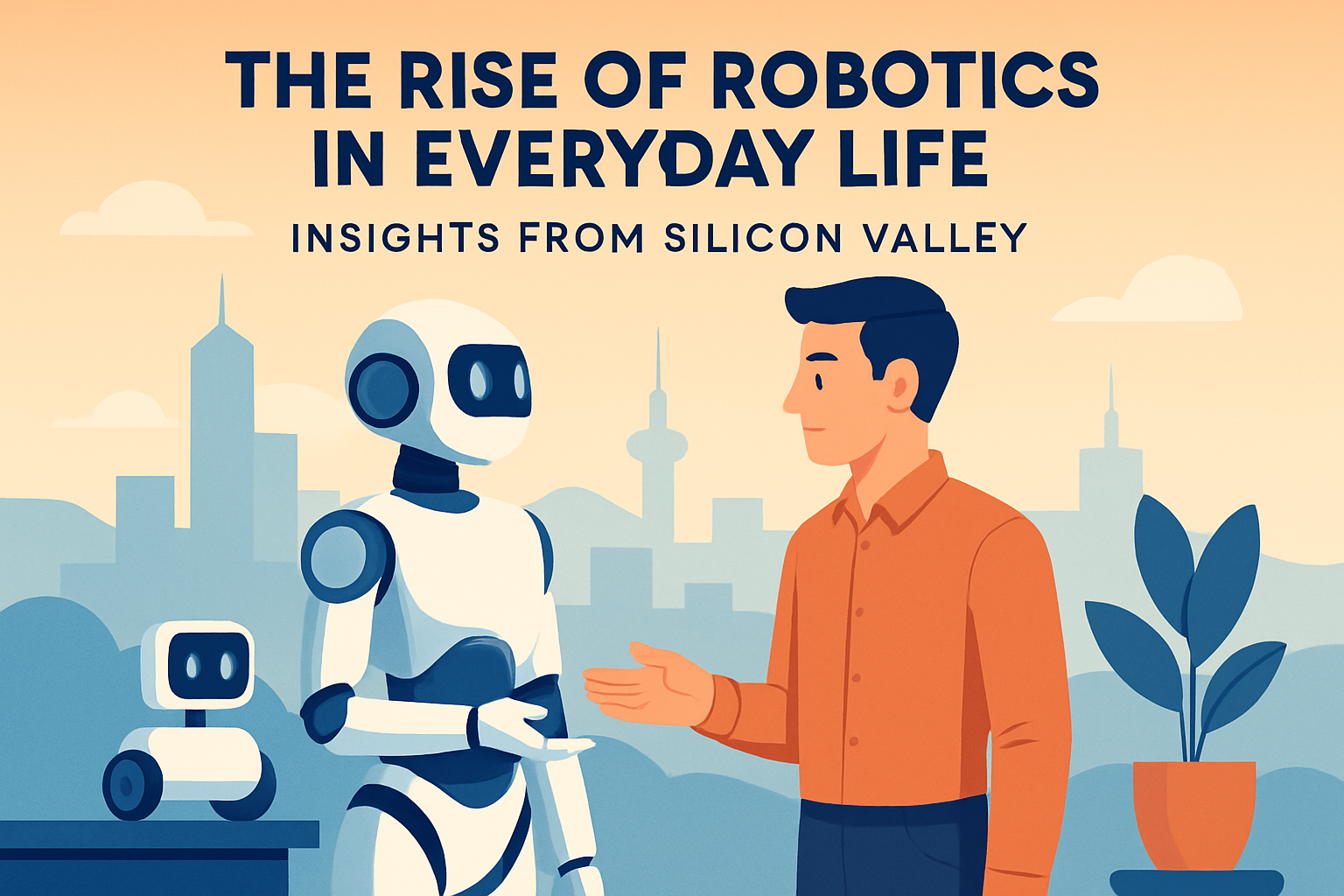
In the heart of Northern California, Silicon Valley stands as a global beacon of technological innovation and economic prowess. Renowned for its bustling ecosystem of startups, tech giants, and venture capitalists, Silicon Valley is not just a location, but a culture—a mindset tuned to relentless innovation, fierce competition, and breathtaking achievement. However, this push for technological advancement is not without its challenges, particularly in balancing the rigorous demands of innovation with the well-being of those who fuel it. In this article, we delve into the unique work ethic of Silicon Valley and explore how it strives to harmonize these two crucial aspects.
The Pursuit of Innovation: A Silicon Valley Hallmark
Silicon Valley’s ethos is deeply rooted in the pursuit of innovation. It’s a place where daring ideas turn into world-changing technologies. From the garages that birthed the personal computing revolution to today’s sprawling campuses of tech behemoths, the valley thrives on a spirit of continuous invention and disruption. Startups and tech giants alike are known for their ‘move fast and break things’ approach, always pushing the boundaries of what is possible.
This relentless drive comes with high expectations. Engineers, entrepreneurs, and creatives in the valley often face long hours, stringent deadlines, and a culture that prizes innovation above all else. It’s a high-stakes environment where success and failure walk a fine line, and the pressure to deliver cutting-edge solutions is omnipresent.
The Wellness Equation: Countering Burnout
However, the singular focus on innovation has its downsides. Reports of burnout, stress, and work-life imbalance are common in Silicon Valley narratives. The high-pressure environment can lead to mental health issues and a decline in overall well-being. Recognizing this, many Silicon Valley entities are now prioritizing employee wellness as a critical component of their operational strategy.
Tech companies are increasingly offering benefits that promote work-life balance, mental health, and physical well-being. From flexible working hours and telecommuting options to wellness programs and mental health days, these initiatives reflect a growing awareness that employee well-being is integral to sustainable innovation.
The Culture of Perks: More Than Just Fringe Benefits
Silicon Valley is famous for its lavish workplace perks. Tech campuses with gourmet cafeterias, fitness centers, laundry services, and even onsite healthcare are not uncommon. These amenities are part of a broader strategy to create an environment that fosters creativity, collaboration, and productivity. While skeptics argue that such perks are simply a means to keep employees at work longer, proponents contend they eliminate daily stresses, allowing employees to focus more fully on their work.
These perks also serve as a recruitment tool, helping companies attract top talent in a competitive market. However, there’s a growing conversation around whether these benefits truly contribute to long-term well-being or merely serve as temporary, albeit pleasant, distractions from work pressures.
Embracing Diversity and Inclusion: A Work in Progress
Silicon Valley’s work culture is also undergoing a transformation in its approach to diversity and inclusion. Historically criticized for its lack of diversity, the tech hub is making concerted efforts to be more inclusive. Companies are implementing programs to increase the representation of women, minorities, and other underrepresented groups in their workforce.
This shift is not just about social responsibility; it’s about recognizing that diverse teams are more innovative and effective. Bringing together varied perspectives and experiences fosters a richer breeding ground for ideas and solutions, ultimately driving better business outcomes.
The Remote Work Revolution: A New Dimension
The COVID-19 pandemic brought an unprecedented shift to the work culture of Silicon Valley. The forced experiment in remote work demonstrated that productivity could be maintained, or even enhanced, outside the traditional office setting. As a result, many companies are rethinking their approach to work, with some opting for a hybrid model that combines remote and in-office work.
This shift has significant implications for work-life balance and employee well-being. Employees have more flexibility in managing their time and balancing personal and professional commitments. However, it also blurs the boundaries between work and home, presenting new challenges in maintaining a healthy separation.
Nurturing Innovation While Ensuring Sustainability
As Silicon Valley continues to evolve, one of its greatest challenges remains how to sustain its pace of innovation while ensuring the long-term well-being of its workforce. It’s about finding a balance where creativity and productivity flourish without compromising mental and physical health.
Forward-thinking companies are adopting holistic approaches that view employee well-being as essential to business success. They recognize that a healthy, happy workforce is not just an ethical imperative but a strategic advantage. By fostering an environment where innovation and well-being coexist, Silicon Valley can continue to be a powerhouse of technological progress and a nurturing ground for the world’s brightest minds.

Fostering a Culture of Learning and Growth
An integral aspect of the Silicon Valley work ethic is its emphasis on continuous learning and personal growth. In an industry characterized by rapid technological advancements, staying relevant necessitates an ongoing commitment to learning. This culture of growth isn’t just about keeping up with industry trends; it’s about fostering a mindset where challenges are viewed as opportunities for development and innovation. Companies often provide resources for continuous education, encouraging their employees to attend conferences, participate in workshops, and engage in cross-disciplinary learning.
The Start-up Mentality: Agility and Flexibility
Silicon Valley’s startup scene is a hotbed of innovation, driven by a combination of agility, risk-taking, and a can-do attitude. This startup mentality permeates even the larger tech companies, where flexibility and a willingness to pivot are prized. This environment encourages a lean, agile approach to project management, embracing rapid iteration and feedback loops. In such a dynamic setting, failure is often seen not as a setback but as a stepping stone to success, a necessary part of finding groundbreaking solutions.
The Impact of Venture Capital
Venture capital plays a vital role in shaping the work ethic of Silicon Valley. The influx of funding from venture capitalists enables startups to pursue ambitious projects. However, this also creates a high-pressure environment where rapid growth and scalability are paramount. For many companies, the pressure to meet investor expectations can lead to a work culture that prioritizes speed and results over employee well-being. Navigating this landscape requires a delicate balance, ensuring that the drive for success doesn’t overshadow the human element.
Work and Life in the Tech Bubble
Living and working in Silicon Valley is a unique experience, often described as being in a ‘tech bubble.’ This bubble isn’t just a metaphor for the industry’s insularity; it also reflects a lifestyle where work and life are deeply intertwined. The tech community in the valley is a close-knit one, with networking events, tech talks, and social gatherings serving as essential venues for professional and personal interaction. For many, the boundaries between work and personal life are blurred, making the need for a balanced approach to well-being even more critical.
The Role of Leadership in Shaping Culture
Leadership plays a crucial role in setting the tone for the work culture in Silicon Valley. Leaders who prioritize not only business objectives but also the health and happiness of their employees set a precedent for the entire organization. By modeling healthy work habits, encouraging open communication, and showing a commitment to employee well-being, leaders can foster a more balanced and productive work environment.
Looking Ahead: The Future of Work in Silicon Valley
As we look to the future, the work culture in Silicon Valley is poised for continued evolution. The integration of artificial intelligence, automation, and other emerging technologies is likely to bring new challenges and opportunities. The way these changes are managed will be crucial in maintaining Silicon Valley’s status as a global innovation hub. Embracing flexibility, prioritizing well-being, and fostering a culture of continuous learning will be key to navigating this future successfully.
Building a Sustainable Future
The challenge for Silicon Valley moving forward is to build a sustainable future where innovation thrives without compromising the well-being of its greatest asset—its people. This involves creating a work culture that values not just the quantity of output but the quality of life. As technology continues to advance, maintaining this balance will be essential for fostering a resilient, innovative, and humane tech industry.
Conclusion
In conclusion, the Silicon Valley work ethic is a multifaceted one, characterized by a relentless drive for innovation, a commitment to learning and growth, and an increasing focus on employee well-being. As the tech industry continues to evolve, the ability to balance these elements will be crucial. By nurturing a culture that values both innovation and well-being, Silicon Valley can continue to lead the way in technological advancement while ensuring a sustainable and fulfilling work environment for its workforce.