Tech-driven solutions for urban living from Silicon Valley are reshaping how cities move, build, conserve resources, and deliver daily services. In practical terms, urban living means the systems residents rely on every day: housing, transportation, energy, water, public safety, healthcare access, retail convenience, and digital connectivity. Silicon Valley refers not just to a geography in Northern California, but to an ecosystem of startups, venture capital, research universities, and large technology companies that turn experimental ideas into scalable products. When these companies focus on city problems, the result is a growing category of urban technology designed to make dense environments more efficient, sustainable, and livable.
I have worked with startup teams evaluating mobility platforms, smart building systems, and municipal data tools, and one pattern is consistent: the best urban technology solves an unglamorous operational problem first. Residents care less about whether a system uses artificial intelligence or edge computing than whether the bus arrives on time, the apartment stays cool without a huge utility bill, and city services respond quickly. That is why this hub on exploring cutting-edge tech matters. It connects the major themes shaping modern cities and gives readers a practical framework for understanding where innovation is real, where it is overhyped, and what to watch next. Silicon Valley has influenced urban life through cloud software, sensors, autonomous systems, clean energy platforms, and digital marketplaces, and those tools now affect millions of people far beyond California.
The most important point is that urban innovation is no longer a niche topic for planners or founders. It now sits at the center of economic resilience, climate adaptation, and quality of life. According to the United Nations, roughly 56 percent of the world’s population lives in urban areas, and that share is projected to rise. More residents mean more pressure on housing stock, transit capacity, electrical grids, and public infrastructure. Technology cannot replace good policy or sound urban design, but it can improve forecasting, automate routine tasks, reveal hidden inefficiencies, and help cities allocate limited resources more effectively. As a hub article, this guide maps the core categories of tech-driven solutions for urban living from Silicon Valley and highlights the questions every resident, investor, founder, and policymaker should ask.
Smart mobility and connected transportation
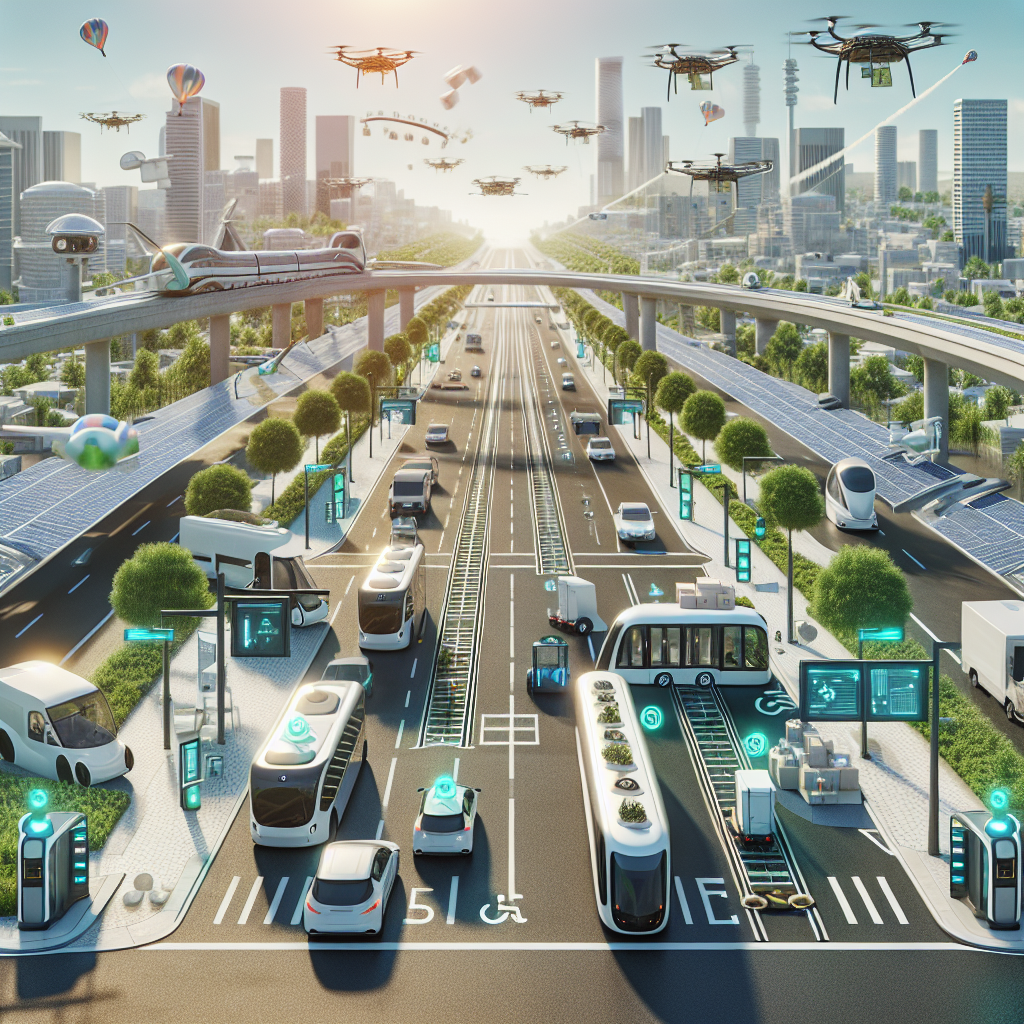
Transportation is often the most visible example of urban technology because residents experience it daily. Silicon Valley has produced ride-hailing platforms, micro-mobility services, electric vehicle ecosystems, traffic analytics tools, and autonomous driving systems that all target the same urban challenge: moving more people with less friction. Uber and Lyft changed expectations around point-to-point transport by turning the smartphone into a dispatch tool. Their convenience is obvious, but city leaders also learned the tradeoffs. Increased vehicle miles traveled, curb congestion, and uneven service in lower-income areas showed that convenience alone does not equal a better transportation system.
The next wave has focused on integration and efficiency. Google Maps, Apple Maps, and transit apps now combine route planning across walking, cycling, rail, buses, and shared vehicles. Startups such as Swiftly help transit agencies analyze on-time performance and schedule reliability. Companies like Waymo have pushed autonomous driving from lab demos to limited commercial service, especially in geofenced areas. The real lesson is not that robotaxis will instantly replace private cars, but that sensor fusion, machine vision, high-definition mapping, and fleet software are steadily changing how urban mobility is managed. Cities also use curb management platforms and connected signal systems to reduce delivery bottlenecks and prioritize buses at intersections, which can improve throughput without building new roads.
Proptech, housing, and smarter buildings
Housing affordability and building performance are central urban issues, and Silicon Valley’s influence is strongest where software meets operations. Proptech includes leasing platforms, maintenance automation, smart access control, construction technology, digital twins, and energy management systems. Companies such as Zillow changed how people search for housing by making market information easier to access, while firms like Procore modernized construction workflows with cloud-based project management. In multifamily properties, smart locks, leak detectors, occupancy sensors, and predictive maintenance systems help owners reduce downtime and operating costs.
Smart buildings matter because buildings are large energy consumers. The U.S. Energy Information Administration and the Department of Energy have long documented the significant share of total energy use tied to residential and commercial structures. In practice, I have seen building operators cut waste fastest by focusing on three systems: HVAC, lighting, and water. A modern building management platform can track temperature zones, adjust ventilation based on occupancy, detect unusual after-hours usage, and flag equipment degradation before a breakdown. Startups including BuildingIQ and other optimization vendors have shown that software-driven controls can trim energy use while preserving comfort. The strongest solutions succeed not because they are flashy, but because they fit legacy infrastructure and deliver measurable savings to owners and tenants.
Urban sustainability and resource management
Silicon Valley has also changed how cities monitor and conserve resources. Urban sustainability technology covers energy storage, solar software, water intelligence, waste optimization, air quality monitoring, and grid coordination. Tesla’s role in battery storage and electric vehicles is the most visible example, but many less famous companies are equally important. Grid software firms help utilities balance demand and integrate distributed energy resources. Water technology startups use smart meters and pressure analytics to identify leaks that might otherwise waste millions of gallons. Environmental sensor companies provide neighborhood-level data on pollution, heat, and noise, giving planners better evidence for interventions.
These systems matter most during stress events. Heat waves, droughts, and wildfire smoke can overwhelm city infrastructure quickly. When cities deploy connected sensors and forecasting tools, they can target cooling centers, issue more precise public alerts, and manage peak electricity demand. Resource management is also where claims need scrutiny. A dashboard alone does not reduce emissions or water loss. It must connect to operational decisions, maintenance budgets, and user behavior. The best urban sustainability platforms pair data collection with action, such as automated irrigation controls, dynamic load management, or route optimization for waste collection. That is the standard readers should use when evaluating any climate-tech solution for cities.
Digital public services, health, and safety
Urban technology is not limited to private apps. One of the most meaningful shifts has been the digitization of public services. Residents now expect city interactions to feel as simple as online banking or food delivery, yet many municipal systems still rely on fragmented databases and paper-heavy workflows. Silicon Valley-style civic tech has helped cities modernize permitting, payments, service requests, emergency alerts, and case management. Platforms inspired by customer relationship management software allow municipalities to track resident issues from request to resolution, improving accountability.
Public health and safety also benefit from better data infrastructure. During COVID-19, digital scheduling systems, telehealth tools, and public dashboards became essential. In nonemergency contexts, analytics can support code enforcement, identify traffic injury hotspots, and improve inspection scheduling. However, city technology raises legitimate concerns around privacy, surveillance, and algorithmic bias. Facial recognition, predictive policing, and poorly governed data sharing can damage public trust quickly. Any credible smart city strategy needs procurement standards, auditability, clear data retention rules, and community oversight. Technology should increase service quality and transparency, not expand opaque monitoring. That distinction is fundamental for anyone exploring cutting-edge tech in urban governance.
The startup ecosystem behind urban innovation
Silicon Valley’s urban impact comes from its commercialization model as much as from any single invention. Universities such as Stanford feed research into startups. Venture capital finances rapid experimentation. Cloud platforms from Amazon Web Services, Google Cloud, and Microsoft Azure lower infrastructure costs. Open-source tools accelerate development. This ecosystem allows founders to prototype software for logistics, energy analytics, mapping, computer vision, or payments and then test it quickly with real users. Yet urban markets are harder than consumer apps because city sales cycles are long, procurement rules are strict, and infrastructure customers demand reliability.
| Urban tech category | Typical Silicon Valley solution | Main city benefit | Common limitation |
|---|---|---|---|
| Mobility | Route optimization, ride-hailing, autonomous fleets | Faster trips and better network visibility | Congestion and regulatory friction |
| Buildings | Smart sensors, energy management, digital twins | Lower operating costs and improved comfort | Integration with old systems |
| Utilities | Smart meters, grid software, storage platforms | Resource efficiency and resilience | High capital requirements |
| Public services | Service request portals, analytics dashboards, digital permitting | Faster response and better transparency | Privacy and change management |
In my experience, urban startups that last tend to share four traits: they integrate with existing systems, quantify return on investment, respect regulatory realities, and design for nontechnical users. A city operations manager does not want ten disconnected dashboards. A property owner wants payback, not abstract innovation. A transit agency wants uptime and support, not just a beta product. Readers using this hub as a starting point should follow those signals when diving into related articles on mobility, smart homes, clean energy, AI infrastructure, and civic tech. They reveal which technologies are likely to scale and which are still searching for a durable use case.
What comes next for tech-driven urban living
The next phase of tech-driven solutions for urban living from Silicon Valley will be defined by convergence. Artificial intelligence will increasingly sit on top of sensor networks, mapping layers, and operational software to forecast failures, optimize routes, and personalize services. Edge computing will process more data inside vehicles, buildings, and street infrastructure so systems can respond faster and with less bandwidth. Advances in battery chemistry, heat pumps, robotics, and low-cost sensing will further blur the lines between climate tech, real estate tech, transportation tech, and public-sector software.
The enduring opportunity is clear: better urban technology can make cities more responsive, affordable, and resilient when it is built around real operational needs. This hub has outlined the major domains, from mobility and proptech to sustainability and digital public services, while stressing the tradeoffs that serious readers should evaluate. If you are exploring cutting-edge tech under the broader tech innovations and startups landscape, use this page as your map, then go deeper into each subtopic with a practical question in mind: what problem does this technology solve better than current systems? Start there, and the signal stands out from the noise.
Frequently Asked Questions
What does “tech-driven solutions for urban living from Silicon Valley” actually mean?
It refers to the use of advanced technology, data, software platforms, connected devices, and scalable business models to improve the way cities function and how residents experience daily life. In this context, “urban living” includes the systems people depend on every day, such as housing availability, transportation networks, energy use, water management, healthcare access, public safety, retail convenience, and internet connectivity. “Silicon Valley” represents more than a location in Northern California; it also describes a broader innovation ecosystem made up of startups, investors, engineers, universities, and large technology companies that specialize in turning new ideas into widely deployed products and services.
These solutions can take many forms. They include apps that help commuters plan multimodal trips, sensors that detect water leaks before they become costly failures, building systems that reduce energy waste, telehealth platforms that expand access to care, and digital tools that help city agencies respond faster to service requests. What makes them “tech-driven” is not just the presence of hardware or software, but the use of data and automation to make urban systems more responsive, efficient, and user-friendly.
The reason Silicon Valley plays such a visible role is its ability to rapidly prototype, fund, and scale products. Many of the tools now influencing cities were first developed in startup environments where speed, experimentation, and iteration are central. As a result, the urban solutions coming from this ecosystem often focus on convenience, measurable performance, and integration across platforms. For residents and policymakers alike, the key question is not whether technology belongs in cities, but how it can be applied in ways that are practical, equitable, secure, and genuinely useful in everyday urban life.
How are Silicon Valley technologies improving transportation in cities?
Transportation is one of the most visible areas where tech-driven urban solutions are making an impact. Silicon Valley has influenced city mobility through ride-hailing platforms, real-time transit tracking, navigation apps, shared micromobility services, electric vehicle infrastructure, and fleet management software. These tools help people move more efficiently by reducing uncertainty, improving route planning, and expanding the number of available transportation options beyond private car ownership.
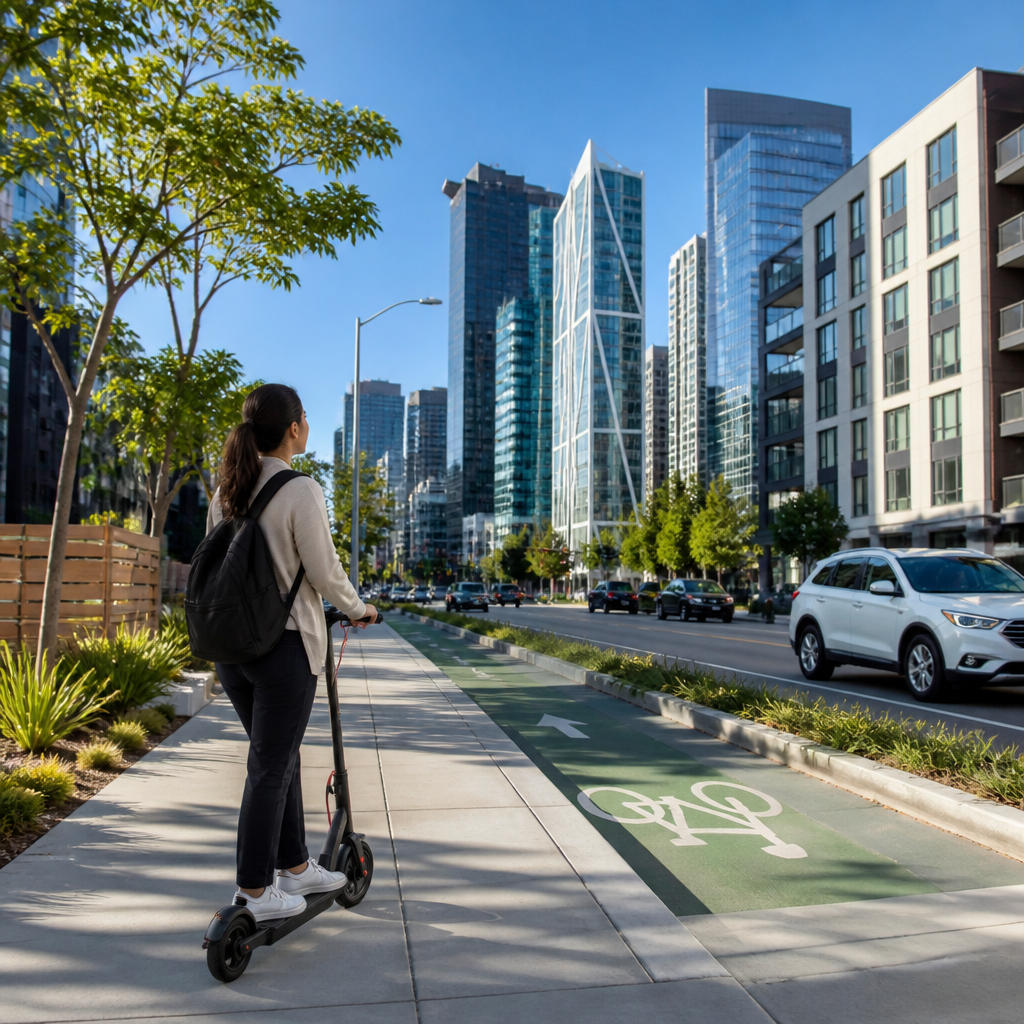
For example, real-time mobility platforms allow residents to compare buses, trains, rideshares, bikes, scooters, and walking routes in a single interface. This supports more flexible travel decisions and can reduce congestion by encouraging multimodal trips. At the same time, traffic management systems powered by sensors, connected signals, and predictive analytics help cities monitor road conditions, adjust signal timing, and respond more quickly to accidents or traffic surges. In practical terms, that can mean shorter commute times, better bus reliability, and smoother movement through crowded corridors.
Electric mobility is another major area of innovation. Silicon Valley companies have helped accelerate electric vehicle adoption through battery technology, charging infrastructure software, smart energy integration, and platform-based fleet operations. Cities are also using analytics to optimize curb space, manage parking, and support delivery logistics as e-commerce grows. However, the most effective transportation technologies are those that work alongside public transit rather than compete with it. When deployed thoughtfully, these solutions can improve accessibility, lower emissions, and give residents more control over how they navigate urban environments.
In what ways is technology changing housing and building efficiency in urban areas?
Technology is reshaping housing and buildings by addressing two major urban pressures at once: the need for more livable space and the need for greater resource efficiency. Silicon Valley-inspired solutions include smart building systems, digital construction tools, property technology platforms, energy monitoring software, and connected devices that automate heating, cooling, lighting, and security. These innovations help building owners reduce operating costs while improving comfort, safety, and sustainability for residents.
On the construction side, software platforms now support everything from site planning and project management to digital modeling and modular building workflows. These tools can reduce delays, improve coordination among contractors, and help identify design or engineering problems before they become expensive on-site issues. In high-demand cities, that kind of efficiency matters because faster, more predictable construction can support housing supply goals. Property technology, often called proptech, also streamlines leasing, maintenance requests, access control, and tenant communication, making housing operations more transparent and responsive.
Within occupied buildings, sensors and automation systems can track temperature, occupancy, air quality, water use, and energy consumption in real time. That information allows property managers to optimize performance, reduce waste, and identify maintenance needs earlier. Residents benefit from lower utility costs, more reliable services, and healthier indoor environments. Smart appliances, leak detection tools, connected thermostats, and battery-backed energy systems are increasingly part of this shift. While technology alone cannot solve affordability or zoning challenges, it can make housing systems more efficient, resilient, and better aligned with the demands of modern urban life.
How do these innovations support sustainability and resource conservation in cities?
Sustainability is one of the strongest cases for tech-driven urban innovation. Cities consume large amounts of energy, water, land, and materials, so even modest efficiency gains can produce meaningful environmental benefits at scale. Silicon Valley technologies support conservation through smart grids, distributed energy management, intelligent water monitoring, predictive maintenance, waste optimization, and data platforms that help cities track and reduce resource consumption across departments and infrastructure systems.
In the energy sector, smart meters and grid software make it easier to balance electricity demand, integrate renewable energy sources, and identify inefficient buildings or usage patterns. Battery storage systems, demand response tools, and building automation can reduce pressure on the grid during peak periods while lowering emissions and operating costs. In water management, connected sensors can detect leaks, monitor pressure, and provide real-time visibility into system performance. That is especially important in drought-prone regions, where early intervention can prevent significant loss and help utilities allocate resources more effectively.
Waste and environmental monitoring are evolving as well. Cities can use route optimization software to improve waste collection efficiency, while sensors in bins or facilities help reduce unnecessary trips and fuel use. Air quality monitors, heat mapping tools, and environmental dashboards give planners better insight into neighborhood-level conditions and climate risks. The bigger advantage of these systems is that they turn sustainability from a broad aspiration into something measurable and actionable. When city leaders, utilities, businesses, and residents have access to reliable data, they can make better decisions that conserve resources without sacrificing service quality or economic activity.
What challenges should cities consider before adopting Silicon Valley-style urban technology?
While the benefits can be substantial, cities need to evaluate these solutions carefully before adopting them at scale. The biggest challenges usually involve privacy, cybersecurity, equity, procurement, public trust, and long-term interoperability. Many urban technologies collect large amounts of data about movement, consumption, behavior, or infrastructure conditions. That can improve decision-making, but it also raises legitimate concerns about who owns the data, how it is stored, who can access it, and whether residents have meaningful transparency and protection.
Equity is another critical issue. A platform that works well for digitally connected, higher-income users may leave out residents who lack smartphones, broadband access, digital literacy, or banking tools. Cities also have to think about whether new technologies improve services across neighborhoods or mainly concentrate benefits in already well-served areas. In addition, local governments often face procurement and integration hurdles. Many city systems are legacy-based, budget cycles are slow, and departments may not have the internal staff needed to evaluate complex vendor claims or manage implementation effectively.
The most successful approach is usually a disciplined one: start with a clearly defined public problem, test solutions in a limited way, measure outcomes, and build strong governance around privacy, security, and accountability. Cities should favor technologies that can integrate with existing infrastructure, avoid unnecessary vendor lock-in, and demonstrate clear value for residents rather than novelty alone. Silicon Valley can bring speed and innovation, but urban systems require durability, inclusion, and trust. When those priorities are balanced well, technology becomes a practical tool for better city living rather than just a promising concept.