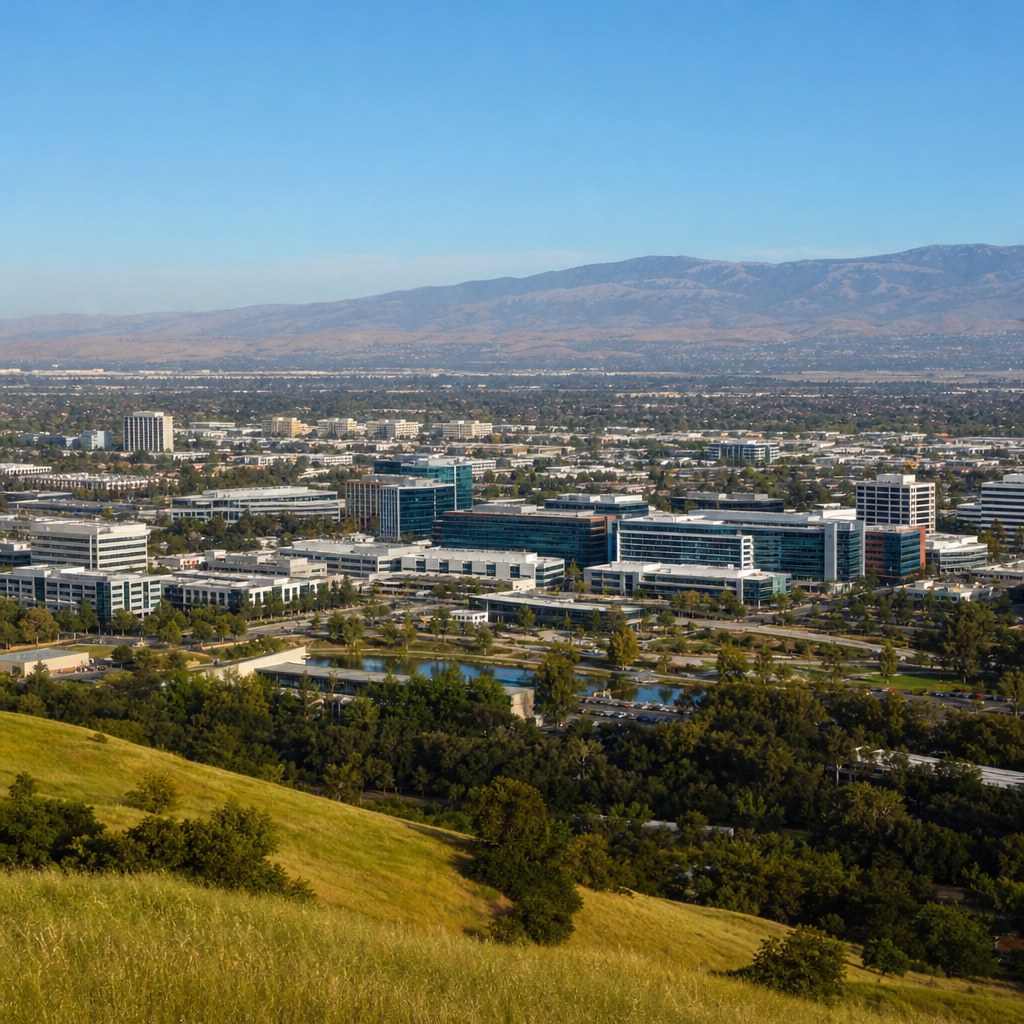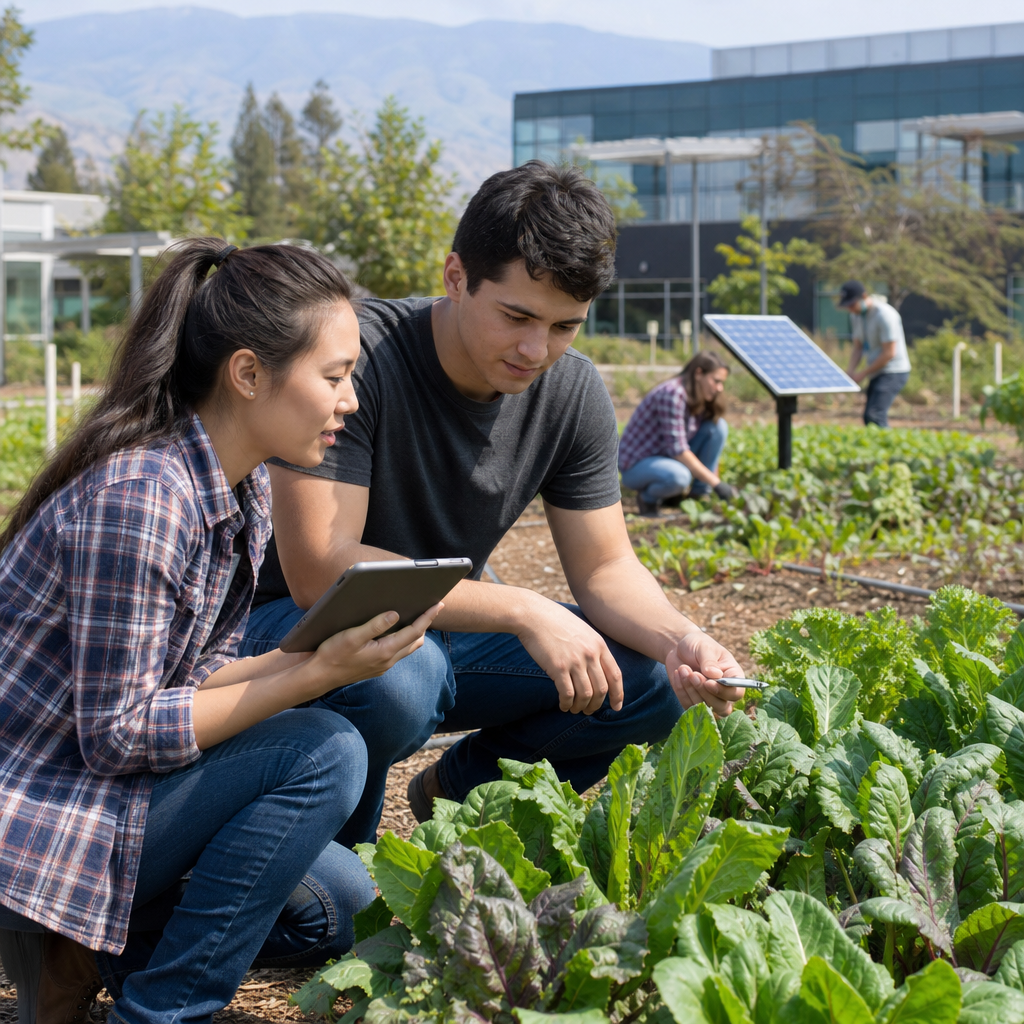
Tech-enabled agriculture is reshaping how people learn to grow food, manage water, analyze soil, and build resilient local food systems, and Silicon Valley has become an unusually rich place to study that shift. In this context, tech-enabled agriculture means applying digital tools, sensors, automation, data platforms, controlled-environment systems, and biotechnology to farming and food production. Educational resources include formal degree programs, extension workshops, incubators, demonstration farms, public libraries, maker spaces, online courses, youth programs, and industry events that teach these skills. I have worked with growers, startup teams, and workforce trainees across the Bay Area, and the pattern is clear: education is the bridge between promising technology and practical agricultural results. Without training, even the best sensor network or irrigation controller becomes an expensive gadget. With strong instruction, the same tool improves yields, reduces water waste, and opens career paths. That is why empowering through education matters in Silicon Valley. The region combines world-class universities, deep engineering talent, climate pressure, and proximity to specialty crop agriculture in Santa Clara, San Benito, Monterey, and the Central Valley. Learners here are not studying abstractions. They can see autonomous tractors, hydroponic greenhouses, satellite imagery, and farm-management software deployed in the field. This hub article maps the most important educational resources in Silicon Valley, explains how they fit together, and helps students, career changers, educators, and growers identify the right next step.
Universities, colleges, and extension programs building agricultural fluency
The strongest foundation for tech-enabled agriculture education in Silicon Valley starts with institutions that combine plant science, engineering, business, and public service. Stanford contributes heavily through environmental science, computer science, robotics, and design programs that influence agricultural innovation even without operating as a traditional agriculture school. Students routinely apply machine learning, remote sensing, and hardware prototyping to water management, crop monitoring, and supply-chain analysis. Santa Clara University adds strengths in engineering, sustainability, and ethics, which matter because agricultural technology decisions affect labor, land use, and environmental outcomes. Community colleges are equally important. Foothill College, De Anza College, and nearby West Valley College support transferable coursework in biology, data analysis, environmental studies, and technical skills that prepare learners for agricultural technology roles. For many working adults, these institutions offer the most realistic entry point because they provide evening classes, certificates, and lower-cost pathways.
University of California Cooperative Extension remains one of the most practical educational resources available to growers and aspiring professionals. UCCE advisors translate research into field-ready guidance on irrigation scheduling, integrated pest management, soil fertility, and crop-specific production methods. In California, this matters enormously because specialty crops such as berries, leafy greens, grapes, and tree fruit demand precise management. I have seen growers adopt soil-moisture probes more confidently after an extension workshop explained sensor placement, calibration, and interpretation in plain language. That kind of instruction prevents costly misuse. UC Agriculture and Natural Resources also connects learners to publications, webinars, demonstration trials, and 4-H youth programs, making it a cornerstone for empowering through education across age groups. San Jose State University contributes through environmental studies, GIS, and data science, which are increasingly relevant as farms rely on mapping, compliance reporting, and analytics.
Incubators, research centers, and startup ecosystems translating ideas into skills
Silicon Valley’s startup culture creates educational value because learners can study agriculture not only as biology but also as product development, systems design, and commercialization. UC ANR facilities, regional innovation centers, and startup accelerators expose participants to controlled-environment agriculture, food safety technology, robotics, and biological inputs. While the better-known agtech incubators are spread across California, Silicon Valley learners benefit from easy access to investors, prototyping labs, software talent, and corporate partnerships. This changes the educational experience. A student working on computer vision for crop scouting can talk to both a plant pathologist and a machine-learning engineer in the same week. That cross-functional exposure is one of the region’s biggest advantages.
Research centers and demonstration environments matter because agriculture is unforgiving of theory that has not been tested in real conditions. A greenhouse automation system may work perfectly in a lab and fail under heat stress, condensation, or inconsistent connectivity. Educational programs that include trials, pilots, and on-farm validation teach the discipline required to build usable tools. In my experience, the most effective programs force learners to answer practical questions: Who installs this device? How often is it calibrated? What happens when cellular service drops? Does the user interface work for a farm manager checking alerts before sunrise? These are educational questions as much as technical ones. They turn innovation into competence.
Workforce training for growers, technicians, and career changers
Not every learner in tech-enabled agriculture is pursuing a degree. Many need targeted workforce training that leads directly to employment or better farm performance. In Silicon Valley, that training often appears through adult education centers, workforce boards, nonprofit organizations, equipment vendors, and employer-led programs. The most valuable courses focus on specific competencies: irrigation controller setup, sensor maintenance, greenhouse climate management, food safety compliance, GIS basics, drone imaging, and farm-management software. These are marketable skills. A technician who can troubleshoot fertigation equipment and interpret environmental data is immediately useful in nurseries, vertical farms, and specialty crop operations.
Career changers from software, manufacturing, logistics, and even health care are increasingly relevant to agriculture. Their transferable skills include project management, quality assurance, systems thinking, and data literacy. However, they need agricultural context. Good educational programs teach terminology such as evapotranspiration, electrical conductivity, integrated pest management, and variable-rate application without assuming prior farm experience. They also explain seasonality, biological variability, and the reality that living systems do not behave like software releases. That balance is essential. Agriculture needs more technologists, but it needs technologists who respect agronomy and field operations.
| Resource type | Primary skills taught | Best fit learners | Typical outcome |
|---|---|---|---|
| Community colleges | Biology, data basics, environmental systems, technical foundations | Students, career starters, cost-conscious learners | Transfer pathway, certificate, entry-level readiness |
| Extension programs | Irrigation, pest management, soils, compliance, crop practices | Growers, farm managers, advisors | Immediate operational improvement |
| Incubators and labs | Prototyping, validation, business modeling, product design | Founders, researchers, engineers | Pilot projects and startup development |
| Workforce bootcamps | Equipment operation, software tools, troubleshooting, safety | Technicians and career changers | Job placement and practical competence |
Youth education, community learning, and public access pathways
Empowering through education begins well before college. Silicon Valley benefits from strong youth programs that introduce food systems, sustainability, coding, and engineering through hands-on projects. School gardens, robotics clubs, maker spaces, and county 4-H programs create early exposure to plant biology, irrigation, composting, and data collection. A student who builds a simple Arduino-based soil-moisture monitor in middle school is learning more than electronics. They are learning that agriculture can be measurable, improvable, and connected to climate solutions. That insight matters for long-term workforce development.
Public libraries and community organizations also play a larger role than many people realize. Libraries increasingly host seed exchanges, urban gardening workshops, digital literacy classes, and access to online learning platforms. Community gardens and nonprofit farms provide practical spaces where residents can learn crop planning, water-wise gardening, and compost management without needing private land. In dense urban and suburban parts of Silicon Valley, these settings are often the first point of contact with agriculture. They are especially valuable for immigrant communities and first-generation learners who may bring farming knowledge from elsewhere but need localized instruction on California regulations, drought conditions, and available technology. Accessible education expands participation, and wider participation strengthens the regional food system.
Online learning, industry events, and how to choose the right resource
Online learning has made agricultural education far more flexible, but quality varies. Strong options include UC ANR publications and webinars, USDA resources, NRCS conservation guidance, Coursera and edX courses in data science or GIS, and manufacturer training from companies that build irrigation, sensor, and greenhouse systems. These resources work best when combined with local practice. A person can learn the theory of evapotranspiration online, but they understand it deeply only after comparing ET-based irrigation schedules with actual crop response. That is why the best educational plan usually blends digital learning with field observation, peer discussion, and mentorship.
Industry events accelerate learning by exposing people to current tools and active debates. In and around Silicon Valley, conferences, field days, startup showcases, and university seminars help learners compare precision agriculture platforms, biological products, automation systems, and climate-smart practices. They also reveal tradeoffs. For example, drone imaging can improve scouting efficiency, but FAA compliance, image processing, and interpretation still require training. Controlled-environment agriculture offers high productivity per square foot, yet energy costs and crop selection remain decisive constraints. Good educational resources do not hide these limitations. They teach how to evaluate return on investment, operational fit, and environmental impact before adoption.
Choosing the right resource depends on the learner’s goal. If the goal is farm improvement, extension workshops and vendor training may be enough. If the goal is an agtech career, combine community college coursework with internships, GIS training, and industry networking. If the goal is startup development, prioritize incubators, pilot opportunities, and mentors with both agronomy and product experience. This hub for educational resources exists to connect those paths. Use it to identify the next article, program, or local organization that matches your needs, then commit to one practical learning step this month.
Frequently Asked Questions
What does “tech-enabled agriculture” mean in the context of Silicon Valley education?
In this context, tech-enabled agriculture refers to the use of modern tools and scientific systems to improve how food is grown, monitored, distributed, and studied. That includes sensors that track soil moisture and nutrient levels, software platforms that turn field data into decisions, automation systems that manage irrigation or climate control, drones and imaging tools for crop observation, controlled-environment agriculture such as greenhouses and vertical farms, and biotechnology used to improve plant performance or food production processes. In Silicon Valley, the educational value of this approach is especially strong because the region combines engineering talent, startup culture, research institutions, sustainability initiatives, and a long-standing interest in solving resource challenges through innovation.
For learners, that means agriculture education is no longer limited to traditional farming methods alone. Students, career changers, entrepreneurs, and community growers can study food systems through the lens of data science, hardware design, environmental stewardship, and business development. A person might learn how to build an automated irrigation system, interpret satellite or sensor data, test growing strategies in a greenhouse, or understand how agricultural technology fits into larger concerns like water scarcity, labor shortages, climate resilience, and local food access. In Silicon Valley, educational resources often reflect this interdisciplinary reality, bringing together agriculture, engineering, ecology, and entrepreneurship in a way that is practical and forward-looking.
What kinds of educational resources are available for learning tech-enabled agriculture in Silicon Valley?
Silicon Valley offers a wide range of educational resources, and one of its biggest strengths is variety. Learners can find formal academic pathways such as university degree programs, certificate programs, continuing education courses, and research labs focused on plant science, environmental systems, data analytics, robotics, bioengineering, and sustainable design. These options are useful for people seeking structured study, faculty mentorship, and access to laboratories or field research settings. Depending on the institution, coursework may cover precision agriculture, GIS and remote sensing, water management, controlled-environment crop production, food systems policy, and agritech product development.
Beyond formal education, the region also supports less traditional but highly valuable learning channels. Extension workshops, nonprofit training programs, demonstration farms, maker spaces, startup incubators, and community-based agriculture initiatives give learners hands-on exposure to real tools and real production challenges. Demonstration sites can show how sensor networks work in a greenhouse or how water-efficient systems perform under local conditions. Incubators and innovation hubs can help aspiring founders understand the commercial side of agritech, from prototyping and field testing to regulatory questions and market fit. Community gardens and urban farming organizations may also introduce technology in accessible ways, helping participants learn practical growing skills while experimenting with digital monitoring, compost systems, hydroponics, or climate-aware cultivation methods. Together, these resources create an ecosystem where someone can move from curiosity to applied skill-building with relative ease.
Who can benefit from these agricultural learning opportunities, and do you need a farming background to get started?
These resources can benefit a surprisingly broad audience. Traditional growers can use them to modernize operations, improve efficiency, and respond to environmental pressures. Students interested in sustainability, engineering, biology, public policy, or entrepreneurship can use tech-enabled agriculture as a bridge between disciplines. Startup founders and product designers can learn how real agricultural environments function so they can build tools that solve meaningful problems rather than theoretical ones. Community leaders, educators, and nonprofit practitioners can also benefit by understanding how technology may strengthen local food systems, especially in areas related to water use, food access, climate adaptation, and workforce development.
You do not need a farming background to begin, although practical growing experience is always helpful. Many programs are designed for beginners and intentionally start with foundational concepts such as plant needs, soil health, irrigation basics, and food system economics before moving into more advanced topics like automation, sensor integration, predictive analytics, or indoor cultivation systems. In fact, one of the defining features of Silicon Valley’s educational environment is that it attracts people coming from software, hardware, biotech, design, and operations backgrounds who are new to agriculture but eager to apply their skills to food production and environmental problem-solving. The most successful learners are often those willing to combine technical curiosity with respect for biological systems, local ecology, and the realities of how crops are actually grown.
Why is Silicon Valley considered an especially strong place to study tech-enabled agriculture?
Silicon Valley stands out because it offers a rare concentration of resources that are not usually found together in one place. The region has deep expertise in software, sensors, artificial intelligence, robotics, cloud infrastructure, and biotechnology, all of which are increasingly relevant to agriculture. At the same time, California’s broader agricultural economy creates a practical backdrop for testing and applying these innovations. This combination allows learners to study agriculture not just as a rural practice, but as a dynamic field influenced by engineering, climate science, water policy, supply chains, and venture-backed innovation. Educational experiences in the region often reflect that reality by connecting classroom theory with research, prototyping, pilot projects, and exposure to emerging companies.
Another reason the region is so compelling is its problem-solving culture. Many of the central challenges facing agriculture today, including drought, labor constraints, soil degradation, emissions reduction, and local food resilience, require both technical and systems-level thinking. Silicon Valley’s ecosystem encourages experimentation, cross-sector collaboration, and rapid iteration, which can be extremely valuable for learners. Someone studying in this environment may have opportunities to hear from researchers, visit controlled-environment growing facilities, attend entrepreneurship events, collaborate with engineers, or observe how public and private organizations approach sustainability. While the region is not the only place to learn about modern agriculture, it is unusually well positioned for people who want to understand how innovation, education, and food production intersect.
How can someone choose the right tech-enabled agriculture program or resource in Silicon Valley?
The best choice depends on your goals, experience level, and preferred learning style. If you want a deep academic foundation, look for programs that combine plant science or environmental studies with technology, data analysis, engineering, or biotechnology. Review course offerings carefully to see whether they include practical topics such as irrigation systems, soil monitoring, greenhouse management, automation, food systems planning, or agritech entrepreneurship. If your goal is career advancement or a transition into the field, shorter certificate programs, workshops, and continuing education offerings may provide a more direct route. These can be especially useful for professionals in software, hardware, design, or operations who want targeted exposure to agriculture without committing to a full degree.
It is also important to evaluate how much real-world experience a resource provides. The strongest options usually include demonstrations, lab work, field visits, project-based learning, mentorship, or partnerships with farms, startups, research centers, or community organizations. Ask whether you will work with actual tools such as sensors, hydroponic systems, data dashboards, mapping software, or climate-control equipment. Consider whether the program addresses the broader context as well, including sustainability, water use, economics, and food equity. A strong educational resource should help you understand not just how the technology works, but why it matters and where it fits in the future of agriculture. In Silicon Valley, the most valuable programs often balance technical sophistication with biological understanding and practical application, giving learners skills they can use in research, business, community food projects, or production settings.